

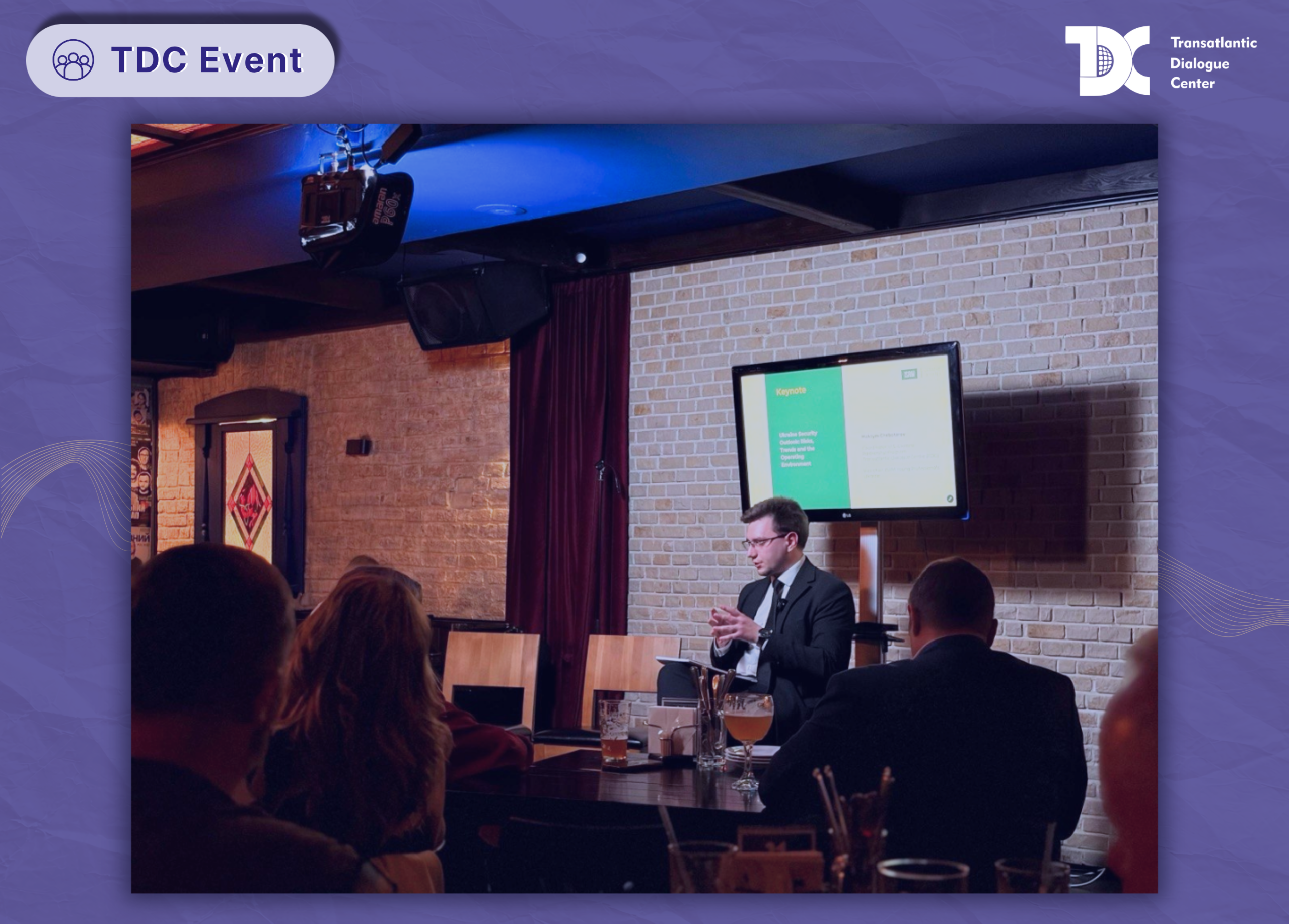
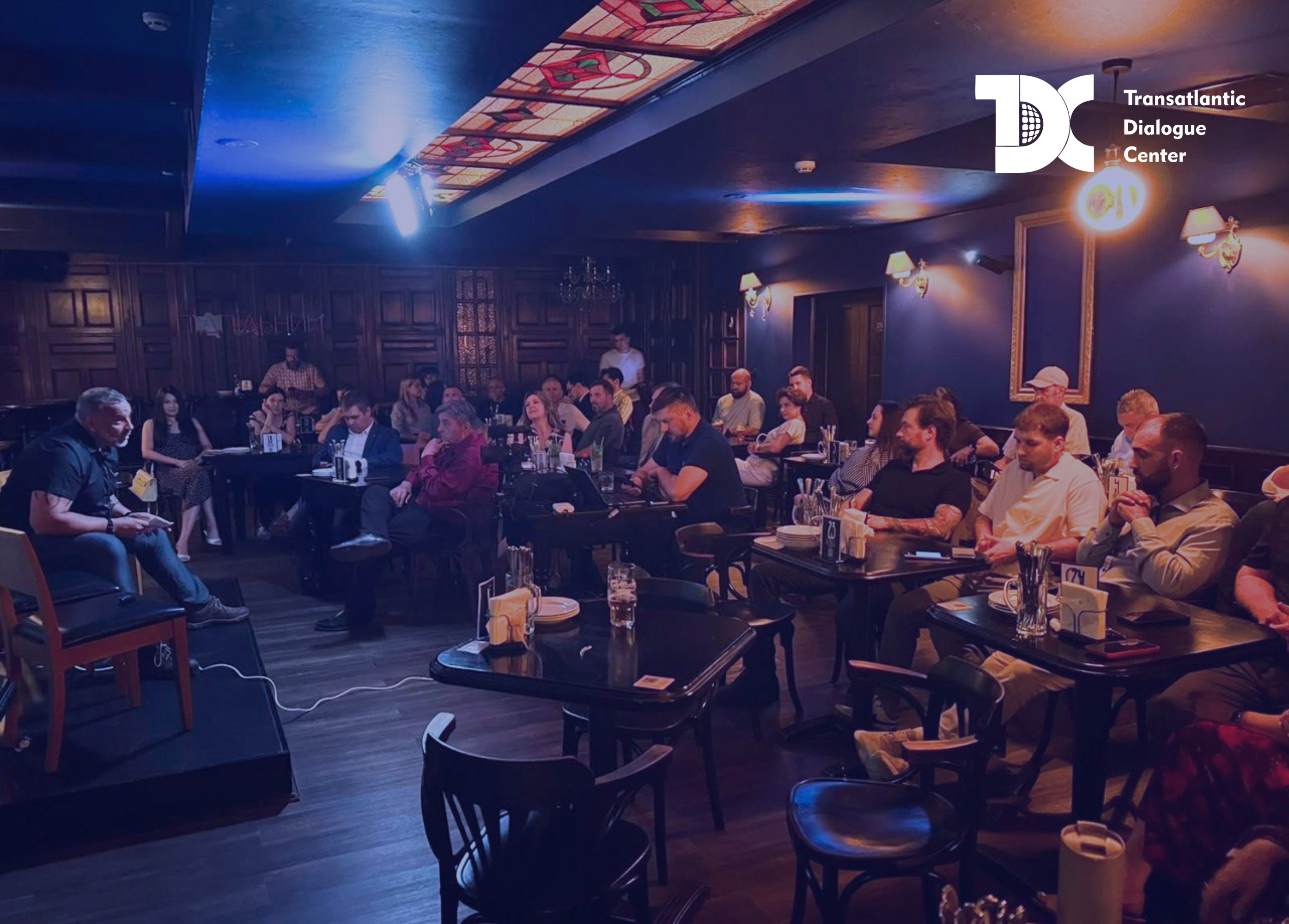
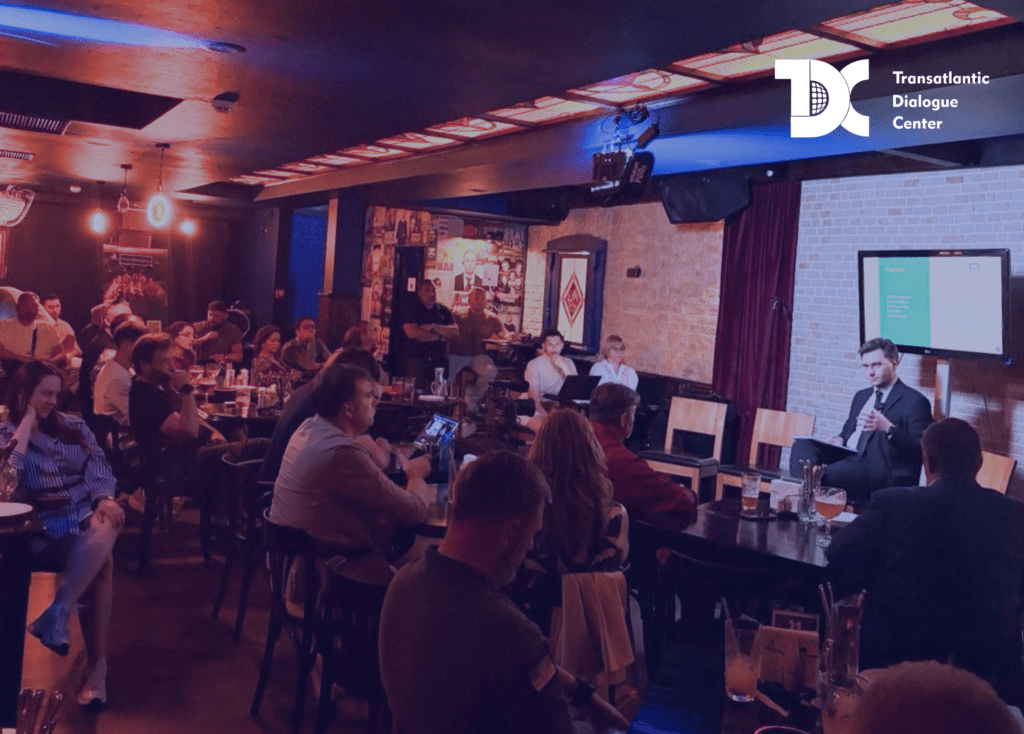
Am 14. Juli 2026 hielt Maksym Chebotarov, Koordinator des US-Ukraine-Partnerschaftsprogramms bei Transatlantic Dialogue Center (TDC), eine Keynote zur Eröffnung von Ukraine Chapter des Institute for Strategic Risk Management (ISRM) in Kyjiw. Die Veranstaltung unter dem Titel „Building a Community of Risk Professionals for Ukraine“ brachte Fachleute aus den Bereichen Sicherheit, humanitäre Hilfe, Regierung, Wirtschaft und Wissenschaft zur offiziellen Eröffnung einer neuen Plattform zusammen, die der sektorübergreifenden strategischen Führung im Risikomanagement gewidmet ist. Auf der Tagesordnung standen außerdem eine Podiumsdiskussion zum Thema „Building Resilience Through Cross-Sector Risk Leadership“ sowie Möglichkeiten zum professionellen Networking.
Das ISRM Ukraine Chapter wurde als Teil des internationalen Netzwerks von Fachleuten, Wissenschaftlerinnen und Wissenschaftlern sowie Policy-Experten des ISRM gegründet. Ziel ist es, den Aufbau strategischer Risikomanagement-Kapazitäten in der Ukraine zu unterstützen und zugleich ukrainische Erfahrungen mit der globalen Gemeinschaft von Fachleuten für Resilienz und Krisenmanagement zu verknüpfen.
In seiner Keynote zur Sicherheitslage der Ukraine beschrieb Chebotarov das derzeitige Sicherheitsumfeld nicht einfach als Abnutzungskrieg, sondern als Wettbewerb zwischen zwei unterschiedlichen Anpassungsmodellen. Russland, so seine Einschätzung, setzt weiterhin auf Massenmobilisierung, Raketen- und Drohnenterror, Zwangsdiplomatie und politische Erpressung, um strukturelle Schwächen bei der Qualität seiner Streitkräfte und der strategischen Planung auszugleichen. Die Ukraine reagiert dagegen auf Ressourcenbeschränkungen mit schneller technologischer Innovation, einem beschleunigten Ausbau der Rüstungsproduktion, dem Aufbau von Koalitionen und asymmetrischer Kriegsführung. Das zentrale Paradox besteht darin, dass Russland zwar weiterhin erheblichen Schaden anrichten kann, es jedoch zunehmend schwerer hat, diesen Schaden in strategische Erfolge umzuwandeln.
Chebotarov betonte, dass die ukrainische Strategie weiterhin darauf ausgerichtet ist, Russlands Fähigkeit zu weiteren Vorstößen zu unterbinden, Moskaus Annahmen über die Erschöpfung der Ukraine zu durchbrechen und eine Veränderung der Kosten-Nutzen-Kalkulation des Kremls zu erzwingen. Aus dieser Perspektive werden glaubwürdige Verhandlungen erst dann möglich, wenn die Kosten einer Fortsetzung des Krieges den wahrgenommenen Nutzen einer Besetzung übersteigen. Ein Russland, das militärisch zunehmend ausblutet, wirtschaftlich stärker unter Druck gerät und sich einer stärkeren ukrainischen Armee gegenübersieht, wird wesentlich eher bereit sein, ernsthafte Bedingungen für eine Einigung zu erwägen, als ein Russland, das davon ausgeht, dass die Zeit auf seiner Seite steht.
Mit Blick auf die finanzielle Dimension behauptete Chebotarov, dass internationale Unterstützung nicht als Zeichen von Abhängigkeit, sondern als Indikator für strategisches Vertrauen verstanden werden sollte. Die fortgesetzte westliche Finanzierung, einschließlich der Unterstützung, die durch Erträge aus eingefrorenen russischen Vermögenswerten abgesichert wird, zeigt, dass die Partner die Ukraine weiterhin als ein Land betrachten, dessen Kriegsverlauf, institutionelle Widerstandsfähigkeit und Verteidigungspotenzial weiterhin unterstützenswert sind. Im Gegensatz dazu werden die Kosten des Krieges für Russland zunehmend in Haushaltsdefiziten, sinkenden Einnahmen aus Öl und Gas sowie der Aufzehrung liquider Reserven sichtbar.
Ein wesentlicher Teil der Keynote befasste sich mit der strategischen Bedeutung der ukrainischen Langstreckenangriffe. Chebotarov erläuterte, wie ukrainische Drohnen und Langstreckenfähigkeiten zunehmend russische Logistik, Treibstofflager, Eisenbahninfrastruktur, Flugplätze und Energieinfrastruktur ins Visier nehmen. Diese Operationen verlagern das Risiko zurück auf Russland: Die Krim, russische Logistikkorridore und strategisch wichtige wirtschaftliche Ziele sind nicht länger vor den Folgen des von Moskau geführten Krieges geschützt. Die Ukraine, so betonte er, trägt nicht nur Risiken, sondern verändert aktiv, wer diese Risiken trägt.
Die Keynote befasste sich auch mit dem Einsatz von Diplomatie als Instrument des Drucks durch Russland. Moskau stellt sich weiterhin als dialogbereit dar, hält jedoch an einer maximalistischen Position fest. Obwohl Russlands diplomatische Aktivitäten in Asien dazu beitragen, eine vollständige diplomatische Isolation zu vermeiden, haben sie nicht zu einer politischen Lösung geführt, die eine Kapitulation der Ukraine erzwingen könnte. Gleichzeitig werden die Kosten der russischen Strategie durch hohe Personalverluste, langsame Geländegewinne und die zunehmende Belastung der russischen Kriegswirtschaft immer sichtbarer.
Zentrale Erkenntnis: Das Sicherheitsumfeld der Ukraine sollte als dynamischer Wettbewerb und nicht als statisches Abnutzungsproblem verstanden werden. Russlands Ansatz besteht darin, den Druck kontinuierlich zu erhöhen, bis die Ukraine oder ihre Partner Moskaus Bedingungen akzeptieren. Der ukrainische Ansatz ist ein anderer: den Druck auszuhalten, sich schneller anzupassen und dafür zu sorgen, dass jede neue russische Offensive, Raketenangriffskampagne oder politische Risikowette für Russland kostspieliger wird als die vorherige. Die Eröffnung des ISRM Ukraine Chapter bot eine zeitgemäße Plattform, um diese Erfahrungen aus dem Krieg mit der breiteren Fachgemeinschaft zu verknüpfen, die sich mit Resilienz, Risikoführung, Krisenmanagement und strategischer Entscheidungsfindung befasst.