
 21 хв читання
У 2025 році Європейський Союз зазнав дедалі більшого тиску щодо перегляду своєї оборонної позиції у відповідь на триваючу агресію Росії проти України та зростаючі сумніви щодо американських гарантій безпеки в межах порядку денного «Америка передусім» другої адміністрації Трампа. Війна також виявила глибоку фрагментацію європейської оборони, зокрема обмежену взаємосумісність озброєнь, дублювання зусиль із закупівель і значні відмінності в оборонних бюджетах та промислових спроможностях держав-членів.
Усвідомлюючи стратегічну необхідність зміцнити європейську позицію стримування та забезпечити сталу підтримку України, ЄС ухвалив інструмент SAFE як частину Плану «Переозброєння Європи» / «Готовність 2030» у березні 2025 року. Спираючись на дві попередні ініціативи ЄС — EDIRPA (спільні закупівлі) та ASAP (нарощування виробництва боєприпасів), — SAFE значно перевершує їх за масштабом фінансування. Водночас залишаються питання щодо того, як держави-члени використовуватимуть цей інструмент, чи досягне він очікуваного впливу на європейську оборонну промисловість і яку користь отримає від нього Україна. У цій аналітичній записці розглянуто ці питання.
План «Переозброєння Європи» / «Готовність 2030» має на меті посилити європейські оборонні спроможності та промислову базу за допомогою кількох фінансових засобів, одним із яких є Регламент про безпеку та дії для Європи (SAFE), ухвалений 27 травня 2025 року. Головна мета механізму SAFE — стимулювати спільні військові закупівлі між державами-членами шляхом виділення до €150 млрд позик, гарантованих бюджетом ЄС.
Інструмент має на меті знизити виробничі витрати, зменшити фрагментацію та посилити взаємосумісність у сфері оборони й безпеки в усьому ЄС. У ширшому сенсі він покликаний зробити Європу більш суверенною та відповідальною за власну оборону. Позитивним для Києва є те, що за певних умов країни ЄЕЗ/ЄАВТ та Україна також можуть частково скористатися SAFE.
Дві головні цілі нових фінансових інструментів ЄС, викладені в Білій книзі:
- Посилення підтримки України шляхом термінових короткострокових закупівель озброєнь для поповнення запасів або швидкого придбання певних систем.
- Розвиток оборонної промисловості ЄС на основі співпраці шляхом довгострокових інвестицій, що дають результати з часом.
З огляду на нинішній брак спроможностей у ЄС та уроки, засвоєні на полі бою в Україні, Європейська комісія визначила пріоритетними такі категорії обладнання, що закуповуватиметься в межах схеми фінансування SAFE:
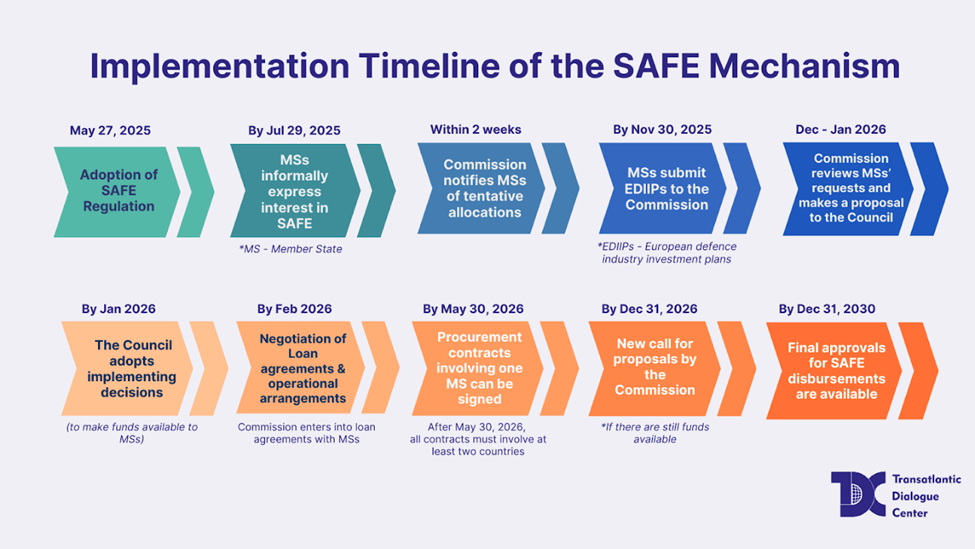
Європейська комісія встановила графік для держав-членів щодо набуття статусу отримувачів фінансування в межах механізму SAFE:
Щоб забезпечити ефективність механізму SAFE, Європейська комісія встановила кілька ключових вимог, яких мають дотримуватися отримувачі фінансування.
1. Спільні закупівлі
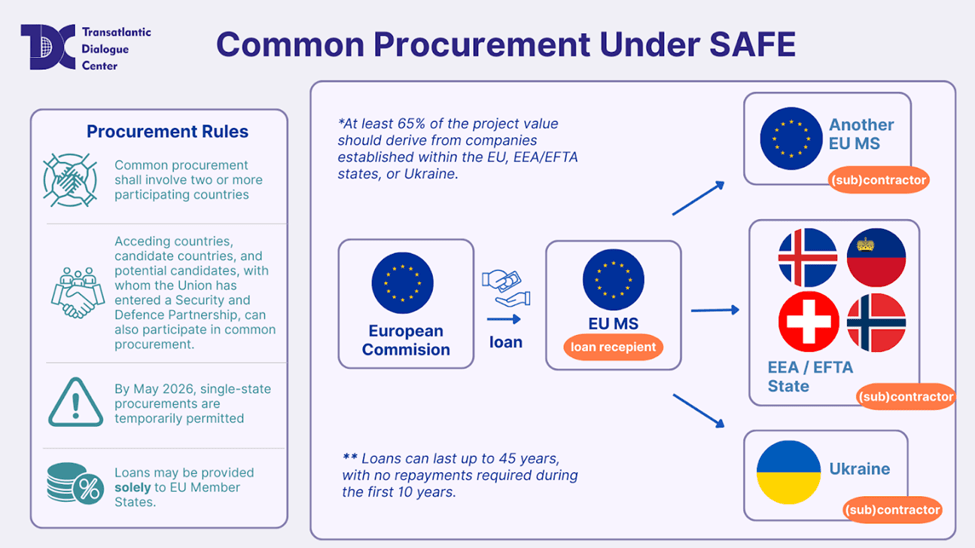
Зазвичай у проєктах мають брати участь щонайменше два учасники (наприклад, дві держави-члени, держава-член і держава ЄЕЗ/ЄАВТ чи Україна або держава-член та інші треті країни*). Як виняток із правила, на початковому етапі тимчасово дозволено закупівлі однією державою.
2. Правило «Купуй європейське»
Щонайменше 65% вартості проєкту має походити від компаній, заснованих у ЄС, державах ЄЕЗ/ЄАВТ або Україні. Не більш як 35% оціночної вартості компонентів кінцевого продукту можуть походити від зовнішніх постачальників або субпідрядників із третіх країн (наприклад, США).
3. Доступ до позик
Позики доступні на дуже вигідних умовах: їхній строк може сягати 45 років, а протягом перших 10 років погашення не потрібне. Крім того, до 15% коштів може бути виплачено авансом, щоб допомогти проєктам розпочати роботу.
Варто зазначити, що позики можуть надаватися лише державам-членам ЄС. Якщо третя країна, наприклад Україна, бере участь у спільних закупівлях, кошти буде виплачено залученій державі-члену. Підставою для їх розподілу слугуватиме Європейський план інвестицій в оборонну промисловість, а відповідна держава-член спрямує фінансування на схвалені заходи.
Інструмент SAFE є прагматичним кроком до зміцнення оборонних спроможностей ЄС у відповідь на дедалі більші геополітичні загрози. Його головна перевага полягає в його прагненні сприяти спільним закупівлям, покликаному посилити співпрацю між промисловостями держав-членів і зменшити фрагментацію оборонного ринку ЄС. Вимагаючи спрямовувати 65% видатків на виробництво в ЄС, SAFE прагне зміцнити оборонно-промислову базу Європи й водночас застосовує загальноєвропейський, а не обмежений лише ЄС, підхід, дозволяючи участь таких третіх країн, як Україна, держави ЄЕЗ/ЄАВТ, а також країни, що приєднуються, країни-кандидати та потенційні країни-кандидати.
Попри амбітні цілі ЄС у межах SAFE, його загальний масштаб усе ще скромний. Хоча посадовці Комісії зазначають що обсяг SAFE (€150 млрд) становить понад половину річних оборонних видатків держав-членів ЄС, ця сума видається скромною порівняно з цілями SAFE. Зменшення залежності від США — як передбачено Регламентом SAFE — за деякими оцінками потребуватиме майже $1 трлн. Упродовж десятиліть ЄС значною мірою залежав від США у сфері повітряних перевезень, супутникового зв’язку та дозаправлення в повітрі, причому 78% європейських оборонних закупівель у 2022–2023 роках припадало на неєвропейську продукцію. Сам SAFE не може покрити ці витрати й має низку обмежень, які досі не усунуто.
Оскільки SAFE покликаний швидко усувати критичні прогалини у спроможностях, він функціонує як кредитна лінія, що може бути привабливою не для всіх країн. По-перше, позики враховуються у складі державного боргу, а державам-членам з обмеженою фіскальною спроможністю може бути важко ефективно використовувати SAFE. Простими словами, фіскальна спроможність — це здатність уряду брати на себе додатковий борг, не ставлячи під загрозу фінансову стабільність.
Не всі країни ЄС однаково спроможні в цьому сенсі: країни з вищим рівнем боргу мають меншу фіскальну спроможність, і навпаки. Франція, наприклад, нині має один із найбільших дефіцитів бюджету (-5,8%) у ЄС і доволі високий державний борг (близько 113%), але прагне збільшити оборонні видатки до 3–3.5% ВВП. Станом на липень 2025 року Франція виявила інтерес до позик SAFE, хоча, ймовірно, на скромну суму.
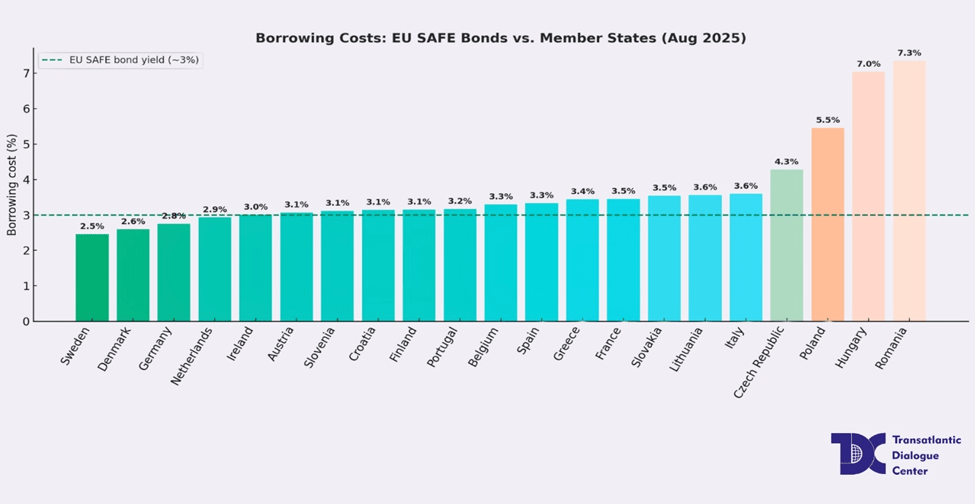
Крім того, запозичення за процентними ставками ЄС є привабливим не для всіх держав-членів. SAFE фактично дає ЄС змогу залучити на фондових ринках до €150 млрд і повторно надати їх у позику державам-членам за порівняно низькими процентними ставками. З огляду на дохідність облігацій ЄС близько 3%, очікується, що позики SAFE матимуть подібну ставку. Це дає значну перевагу країнам із вищою вартістю запозичень — таким як Румунія (7%), Польща (5.4%) і Чехія (4.3%), — адже вони можуть отримати дешевше фінансування на рівні ЄС.
Однак для багатьох держав-членів різниця між вартістю запозичень у ЄС та на національному рівні є відносно невеликою. Заможніші країни з високими кредитними рейтингами AAA — як-от Німеччина (2.6%), Нідерланди (2.8%), Швеція (2.4%) і Данія (2.5%) — мають мало стимулів використовувати SAFE, оскільки їхня власна вартість запозичень нижча, ніж у ЄС. Утім, можливі несподіванки — наприклад, Данія ще в липні відкрито заявляла що не планує використовувати позики SAFE, віддаючи перевагу самостійному фінансуванню оборонних інвестицій. Проте у вересні вона стала останньою державою-членом ЄС , яка виявила інтерес до отримання позик SAFE. Повідомлялося, що можливість підтримати Україну через SAFE схилила країну до такого рішення.
Станом на 1 вересня 2025 року дев’ятнадцять держав-членів ЄС виявили інтерес до отримання позик загальною вартістю €150 млрд. Серед них Бельгія, Болгарія, Чехія, Данія, Естонія, Греція, Іспанія, Франція, Хорватія, Італія, Кіпр, Латвія, Литва, Угорщина, Польща, Португалія, Румунія, Словаччина, Фінляндія та Данія.
Хоча деякі держави-члени, схоже, щиро прагнуть зміцнити свою оборонну позицію — наприклад, Польща сформувала проєкти вартістю приблизно €45 млрд— інші можуть використовувати SAFE радше символічно, сигналізуючи про підтримку оборонних цілей ЄС без істотної залученості. Італія, наприклад, виявила інтерес до €14 млрд, тоді як Греція прагне отримати €1.27 млрд. Остаточні запити на фінансування й докладні Європейські плани інвестицій в оборонну промисловість очікуються в листопаді, але те, як країни вирішать витрачати кошти — спільно чи самостійно, — може мати більше значення, ніж обсяг витрат.
Оборонний ринок ЄС залишається вкрай фрагментованим, причому закупівлі зазвичай здійснюються на національному рівні, часто з наданням переваги вітчизняній промисловості. Через це втрачаються можливості для синергії та економії на масштабі, що ще більше посилюється надмірним різноманіттям платформ у державах-членах та відсутністю гармонізованих правил експорту в ЄС.
Цілей SAFE — спільних закупівель, зменшення фрагментації ринку та поліпшення взаємосумісності — можна досягти лише за умови, що країни діятимуть узгоджено й виявлятимуть політичну волю, а не змагатимуться за кошти. Взаємна недовіра легко може призвести до того, що національні інтереси переважатимуть над спільними ініціативами, підриваючи мету програми.
У цьому контексті SAFE навряд чи зможе ефективно протидіяти національному протекціонізму, попри його спрямованість на співпрацю. За чинними правилами позики SAFE потребують заявок щонайменше від двох держав-членів, але протягом першого року, до травня 2026 року, окремі держави-члени також можуть подавати заявки самостійно. Крім того, на прохання деяких держав-членів Комісія дозволила фінансувати в межах SAFE чинні оборонні програми.
Ці умови можуть не створювати достатніх стимулів для широкої співпраці, а держави-члени натомість можуть використовувати SAFE переважно для зміцнення власних галузей. Ця тенденція вже простежується в попередніх заявках, поданих станом на липень 2025 року: як повідомлялося, держави-члени висували індивідуальні пропозиції з пріоритетом для вітчизняної промисловості. Наприклад, польські посадовці заявляють, що Варшава, ймовірно, використає фінансування для підтримки виробленого в країні обладнання— як-от дрони й протидронові системи в межах ініціативи «Східний щит», артилерійські боєприпаси, самохідні гаубиці Krab, машини Rosomak і логістичні вантажівки Jelcz.
Якби більшість із 19 країн-заявниць подали індивідуальні пропозиції, вони майже вичерпали б фінансування SAFE, перетворивши інструмент, призначений для спільних закупівель, на інструмент індивідуального фінансування.
Таким чином, SAFE ризикує не досягти мети сприяти спільним закупівлям і зменшити фрагментацію оборонного ринку ЄС. Комісія, яка ухвалює остаточне рішення про розподіл коштів, ще може зменшити цей ризик; однак незрозумілими залишаються і критерії таких рішень, і те, який саме підрозділ Комісії за них відповідає та чи має він належну експертизу.
З огляду на викладене SAFE не слід вважати сталим довгостроковим рішенням для європейської безпеки. Сам регламент, яким створено SAFE, визначає його як тимчасовий спеціальний (ad hoc) інструмент, що доповнює чинні ініціативи ЄС, як-от Європейський оборонний фонд (EDF). Це не перший випадок, коли ЄС використав статтю 122 Договору про функціонування Європейського Союзу (ДФЄС), щоб надати надзвичайну фінансову допомогу. Під час пандемії COVID-19 ЄС запустив інструмент SURE на тій самій правовій підставі для підтримки зайнятості.
Однак сектор оборони й безпеки докорінно відрізняється від таких сфер, як безробіття: оборонні видатки не можна вважати тимчасовим відхиленням від фіскальних норм. Саме це робить короткостроковий характер SAFE його ключовим обмеженням. Для оборонних компаній по обидва боки Атлантики головною перешкодою для нарощування виробництва є не брак фінансування як такий, а радше відсутність передбачуваних довгострокових державних замовлень. Оборона потребує послідовних довгострокових інвестицій, а не разового надзвичайного фінансування.
Щоб розвинути засади SAFE та усунути його обмеження, ЄС потрібно буде запровадити постійніші централізовані механізми фінансування для забезпечення тривалої стратегічної автономії. Один із прикладів — запропонований Європейський оборонний механізм (EDM), міжурядовий орган, який би централізував європейські оборонні закупівлі та спроможності, водночас забезпечуючи співпрацю через спільне фінансування й обов’язкові правила.
Скоординована стратегія зі значним бюджетом (наприклад, €500 млрд протягом п’яти років) може бути єдиним способом подолати стійку фрагментацію оборонного ринку ЄС. Пропозиція Комісії виділити €131 млрд на оборону в наступній Багаторічній фінансовій рамці навряд чи вирішить цю проблему.
Наразі, щоб SAFE досяг запланованого впливу, держави-члени мають відігравати проактивну роль. ЄС створив потужний і перспективний фінансовий інструмент, але його успіх зрештою залежить від того, наскільки ефективно й амбітно держави-члени вирішать його реалізовувати.
Ключові положення щодо участі України як третьої країни
Часто стверджують, що Україна може брати участь у SAFE нарівні з державами-членами ЄС і значно виграти від цього процесу. Однак це лише частково відповідає дійсності.
Новизна механізму SAFE полягає в тому, що українські виробники озброєння та технологічні компанії можуть брати участь у спільних закупівлях як (суб)підрядники, поряд із компаніями, що базуються в ЄС, отримуючи фінансування з позики, залученої державою-членом ЄС.
65% компонентів кінцевого продукту мають походити з держав-членів ЄС, країн ЄЕЗ/ЄАВТ та/або України. У цьому сенсі Україну справді можна вважати частиною Європи. Натомість країни, що приєднуються, потенційні країни-кандидати та інші країни-кандидати на вступ до ЄС (у Регламенті SAFE їх названо «іншими третіми країнами») також можуть брати участь у SAFE як субпідрядники, але за значно суворіших умов. Їхній внесок вважається таким, що походить «з-поза меж Союзу», і може становити не більш як 35% кінцевого продукту.
Територію України також можна використовувати для виробничих цілей, оскільки, згідно з Регламентом SAFE,
«інфраструктура, об’єкти, активи та ресурси підрядників і субпідрядників, залучених до спільних закупівель, які використовуються для цілей спільних закупівель, мають розташовуватися на території держави-члена, держави ЄЕЗ/ЄАВТ або України”.
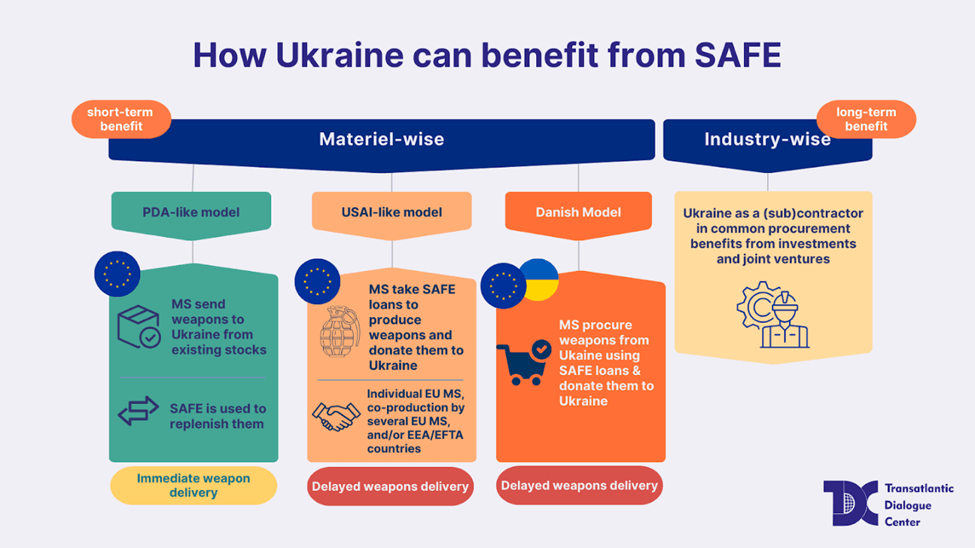
Один зі способів, у який Україна може скористатися механізмом SAFE, — визначення її отримувачем обладнання, що надається як військова допомога. Регламент SAFE містить окреме положення , яке заохочує держави-члени за потреби включати опис очікуваного залучення України до запланованих заходів до своїх документів — Європейські плани інвестицій в оборонну промисловість. У нещодавній резолюції, Європейський парламент включив положення, що заохочує держави-члени присвячувати значну частину відповідних планів — Європейські плани інвестицій в оборонну промисловість — допомозі Україні. У межах положень SAFE можливими видаються кілька сценаріїв:
В ідеалі фінансовий інструмент SAFE, крім сприяння спільним закупівлям, також мав заохочувати держави-члени посилювати військову підтримку України. Основна ідея полягає в наданні фінансової підтримки державам-членам ЄС для закупівлі нового військового обладнання для себе, що дасть їм змогу передавати обладнання з наявних запасів Україні. Це дало б Україні швидкий результат, водночас гарантуючи державам-членам поповнення запасів (механізм, подібний до американського Presidential Drawdown Authority (PDA)). Водночас багато залежатиме від політичних рішень і національних пріоритетів кожної держави-члена, а також від темпів імплементації SAFE.
Подібно до попередньої схеми, Україну можуть визначити потенційним отримувачем військового обладнання, закупленого державами-членами в межах фінансового інструменту SAFE. Однак такий сценарій відтермінував би підтримку України, оскільки процедури закупівель і створення нових виробничих ліній потребують часу (механізм, подібний до американської Ukraine Security Assistance Initiative (USAI)).
Ключова проблема полягає в тому, чи матимуть держави-члени достатні стимули передавати Україні нововироблене обладнання замість поповнення власних запасів. Як вихід Україна може звернутися до держав-членів, які раніше постачали їй критично необхідне обладнання, потреба в якому зберігається, та заохотити їх надати додаткові одиниці тих самих систем, цього разу профінансовані через інструмент SAFE.
За цього сценарію Україна отримає вигоду від місцевого виробництва оборонного обладнання у співпраці з компаніями ЄС, що працюють на території України. Цей підхід подібний до елементів «данської моделі», що дає зацікавленим країнам змогу фінансувати оборонну промисловість України та передавати вироблене обладнання Україні. Започаткована Данією «данська модель» стала першим механізмом прямих закупівель в українських оборонних виробників. Ця модель могла б слугувати взірцем для закупівель, профінансованих SAFE, із залученням українських оборонних і технологічних компаній та їхніх виробничих потужностей в Україні.
Однак у SAFE ключова відмінність полягає в обов’язковій участі держав-членів ЄС як отримувачів позик. Технічно держава-член ЄС може перерахувати фінансування європейській компанії, яка вироблятиме продукцію спільно з українською компанією, використовуючи потужності останньої на території України. Або ж держава-член ЄС, що отримує позику, може закупити озброєння в української компанії, яка виступає одноосібним підрядником, і передати його назад Україні. У такому разі експортна заборона України не застосовуватиметься.
У короткостроковій перспективі фінансування SAFE поєднало б швидкі закупівлі з перевіреними війною рішеннями для поточних потреб України. Оскільки багато українських підприємств закуповують компоненти в ЄС, інвестиції також принесли б користь європейській промисловості, даючи партнерам змогу обирати перевірених українських підрядників і забезпечувати безпеку ланцюгів постачання.
У довгостроковій перспективі, за умови визначення України (суб)підрядником держави-члена ЄС, що отримує позику SAFE, від SAFE виграла б не лише українська армія як отримувач обладнання, а й українська промисловість як бенефіціар довгострокових інвестицій і спільних підприємств із європейськими партнерами.
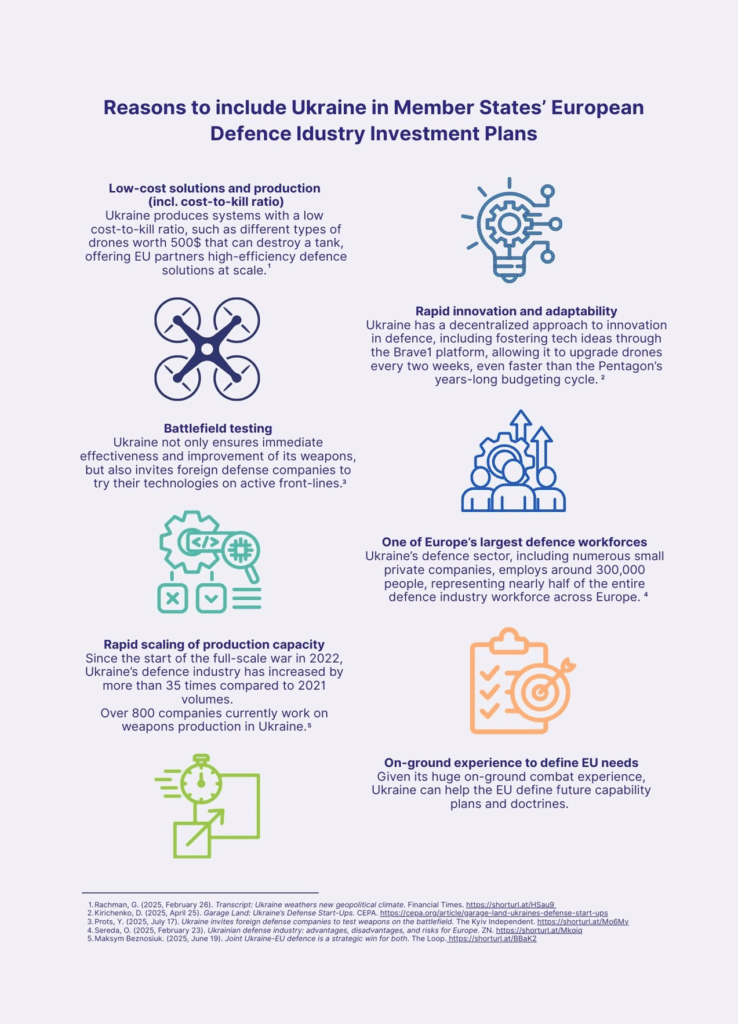
Українська оборонна промисловість належить до тих, що найшвидше розвиваються та розширюються у світі. Від початку повномасштабного вторгнення Росії Україна збільшила свої виробничі потужності у тридцять п’ять разів: з $1 млрд у 2022 році до $35 млрд у 2025 році. Однак у 2024 році Україна змогла залучити лише близько $10 млрд фінансування. Інвестиції, профінансовані SAFE, могли б іще більше розкрити потенціал української промисловості шляхом розширення виробничих ліній, прискорення графіків постачання та масштабування інноваційних проєктів, уже випробуваних у бою.
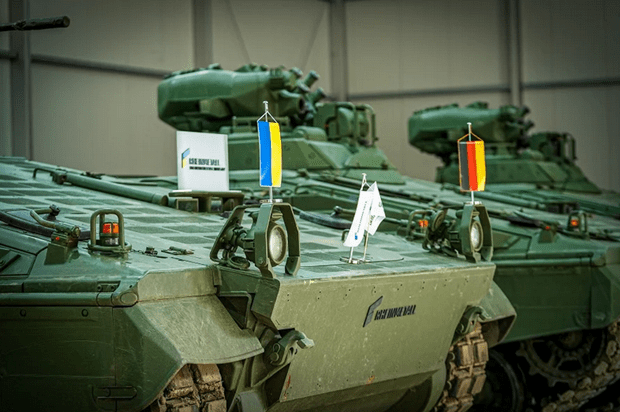
Крім того, дозвіл українським компаніям брати участь у спільних підприємствах є позитивною зміною підходу, і надає українській оборонній промисловості принаймні частковий доступ до співпраці з європейськими компаніями. Це важливий крок до ширшої інтеграції українських виробників озброєнь до європейської оборонної екосистеми, що сприяє стандартизації, взаємосумісності та підвищенню економічної ефективності. Станом на кінець 2024 року Україна створила п’ять спільних підприємств із західними виробниками озброєнь, зокрема компаніями з Німеччини та Литви. Крім того, європейські компанії, як-от німецька Rheinmetall, почали будувати виробничі потужності в Україні, тоді як британська BAE Systems співпрацює з місцевими підприємствами для обслуговування та ремонту свого обладнання. Франко-німецький виробник KNDS планує подібну співпрацю, а Czechoslovak Group створює заводи з виробництва боєприпасів у країні. SAFE міг би надати ще один важливий поштовх у цьому напрямі.
Залишаються питання щодо реальних можливостей України для участі. Попри заявлену мету SAFE створити додатковий механізм посилення підтримки України, його ключові положення та умови участі свідчать про те, що потенційні вигоди для України можуть бути обмеженими.
Одне з головних питань — чи справді держави-члени ЄС будуть готові включити Україну до відповідних планів — Європейські плани інвестицій в оборонну промисловість. З огляду на те, що Україна може брати участь лише як один із (суб)підрядників, держави-члени можуть схилятися до зосередження на посиленні спроможностей своїх національних оборонних виробників. Крім того, проблеми довіри та відсутність спільних пріоритетів можуть завадити зацікавленим країнам планувати спільні проєкти з Україною, оскільки це може потребувати більше часу та додаткових процедур належної перевірки.
Комісія зі свого боку також має дуже обмежені інструменти для впливу на рішення держав-членів. Водночас Україна ризикує втратити можливість отримати реальну користь від цього фінансового інструменту через стислі строки подання державами-членами своїх Європейських планів інвестицій в оборонну промисловість.
Є також виклики з боку України. Хоча Регламент SAFE дозволяє використовувати її територію для спільного виробництва, це суперечить експортній забороні, що діє в Україні від початку вторгнення 2022 року. Відповідно до законодавства України, зокрема Закону «Про державний контроль за міжнародними передачами товарів військового призначення та подвійного використання», експорт товарів оборонного призначення загалом заборонений і може здійснюватися лише за належного дозволу уповноважених державних органів.
Тому з технічного погляду будь-яке обладнання, виготовлене в Україні за фінансування SAFE, має призначатися для кінцевого використання в межах країни, якщо уряд не скасує експортну заборону.
Однак це не стосується українських компаній, які зареєстровані в державах-членах ЄС і мають там виробничі потужності.
Крім того, правові бар’єри , пов’язані з контролем з боку третіх країн та обмеженнями щодо інтелектуальної власності в Україні, можуть створювати додаткові перешкоди для участі України у спільних закупівлях. Водночас українській мережі акселераторів НДДКР, інноваційних хабів та асоціацій, що розширюється, бракує достатньо надійних механізмів захисту інтелектуальної власності (ІВ). Запровадження надійних протоколів захисту ІВ зміцнило б довіру інвесторів, уможливило безпечне передавання технологій і сприяло участі України в європейських та глобальних оборонних ініціативах.
Така система свідчить, що немає гарантії систематичного включення України до запланованих інвестицій. Без вагомих стимулів або координаційних інструментів, які надавали б пріоритет участі України, існує ризик, що держави-члени переслідуватимуть суто національні інтереси, відсуваючи на другий план співпрацю з представниками української оборонної промисловості.
У травні–червні 2025 року Міністерство оборони України окреслило пріоритети України щодо фінансування SAFE і те, що країна може запропонувати ЄС. Україна особливо зацікавлена у спільних закупівлях і виробництві обладнання таких категорій:
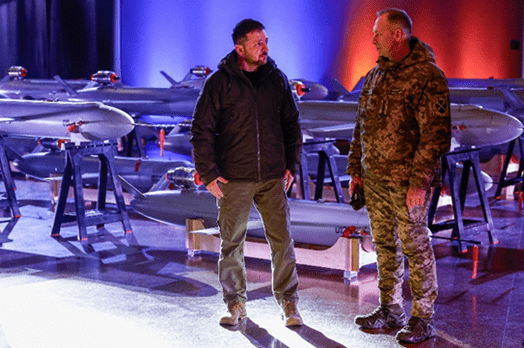
Україна особливо зацікавлена у спільних закупівлях із країнами Півночі та Німеччиною, які мають і спроможності, і зацікавленість у підтримці України. Однак позики SAFE пропонують для цих країн непривабливі процентні ставки. Попри це Нідерланди, Данія, Норвегія, Швеція та Німеччина — кожна з потужною економікою — нещодавно зобов’язалися виділити $1.5 млрд на закупівлю виготовленого у США озброєння для України через ініціативу Пріоритетного переліку потреб України НАТО (PURL). Україна також заявила про зацікавленість у співпраці з ключовими європейськими постачальниками систем ППО та боєприпасів, такими як Франція та Італія.
Повідомлялося, що країни, зокрема Португалія, Іспанія, Франція, Болгарія та Словаччина можуть бути зацікавлені в залученні України до своїх Європейських планів інвестицій в оборонну промисловість. Серед держав-членів ЄС, зацікавлених в отриманні позик SAFE, є значний інтерес до співпраці з Україною у розробленні та розгортанні БпЛА й обміні технологіями. Хорватія і Латвія вже обговорювали виділення фінансування SAFE для потреб України з Президентом Зеленським і колишнім Прем’єр-міністром Шмигалем.
Наведені нижче практичні приклади окреслюють можливі сценарії використання позик SAFE для підтримки спільного оборонного виробництва ЄС та України.
Постійну потребу України в боєприпасах можна використати, щоб проілюструвати, як модель закупівель SAFE могла б працювати на практиці.
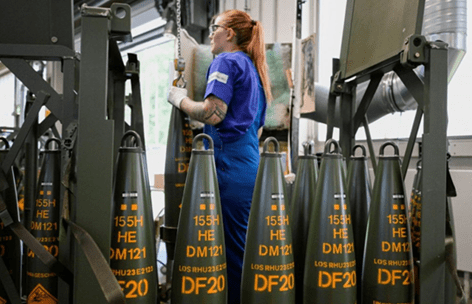
Відповідно до Білої книги ЄС, Союз зобов’язався щороку постачати щонайменше два мільйони одиниць великокаліберних артилерійських боєприпасів. Чеська Республіка, яка висловила зацікавленість в отриманні позик SAFE, була одним із головних постачальників 155-мм артилерійських снарядів для України. Примітно, що в жовтні 2024 року Czechoslovak Group (CSG) оголосила про укладення угоди з українським виробником озброєнь щодо місцевого виробництва артилерійських боєприпасів в Україні. Згідно з пресрелізом CSG, CSG та Ukrainska Bronetechnika вироблять 100,000 артилерійських снарядів у 2025 році, а з 2026 року обсяг виробництва зросте до понад 300,000 щорічно. Виробництво як у Чеській Республіці, так і в Україні має на меті збільшити постачання для української армії та знизити витрати.
Оскільки чинні проєкти також можуть отримати фінансування за механізмом SAFE, CSG та Ukrainska Bronetechnika потенційно можуть звернутися по фінансування SAFE для розширення своїх виробничих потужностей в Україні, подальшого зниження витрат та надання Україні життєво необхідного обладнання. У цьому разі Ukrainska Bronetechnika могла б виступити субпідрядником, чиї виробничі об’єкти в Україні використовувалися б для локалізованого виробництва з подальшими постачаннями до Збройних Сил України.
2. Естонія та Україна: потенціал фінансування SAFE для європейсько-українського альянсу USHORAD
У травні 2025 року Україна та Естонія утворили Air Defence Tech Alliance for Ukraine, щоб
“усунути критичні прогалини у спроможностях надближньої протиповітряної оборони (USHORAD) та створити європейсько-українське оборонно-промислове партнерство, спроможне швидко впроваджувати інновації й масштабувати виробництво».
У межах цієї співпраці DefSecIntel Solutions (Естонія), партнери з української оборонної промисловості (Gauss Glide, Drone space labs, LLC Proinvest, Vk Systems, EW Spectrum) і Weibel Scientific (Данія) домовилися про інтеграцію радарної технології Weibel із системами надближньої протиповітряної оборони (USHORAD) DefSecIntel та українськими засобами перехоплення в повністю автоматизовані, масштабовані оборонні платформи. Така ініціатива є кроком до розроблення спільних рішень для задоволення нинішньої потреби України в протидронових системах і підтримки ширших європейських ініціатив, таких як «Балтійська стіна дронів».
З огляду на критерії прийнятності цей проєкт відповідає ключовій вимозі механізму SAFE. Він є потенційною флагманською моделлю транскордонної оборонної співпраці між ЄС та Україною з безпосередньою значущістю для бойових дій і масштабованими промисловими вигодами для власних безпекових потреб Європи. Отже, це вагомий кандидат на потенційне фінансування в межах SAFE.
Для держав-членів ЄС:
Для України:
Цей текст автоматично перекладено з англомовного оригіналу, який досі доступний при зміні мови сайту на англійську