
 21 मिनट पढ़ने का समय
2025 में, यूक्रेन के विरुद्ध रूस की निरंतर आक्रामकता और दूसरे ट्रम्प प्रशासन के ‘अमेरिका फर्स्ट’ एजेंडे के तहत अमेरिकी सुरक्षा गारंटियों को लेकर बढ़ते संदेह के जवाब में, यूरोपीय संघ पर अपनी रक्षा नीति में आमूल बदलाव करने का दबाव बढ़ता गया। युद्ध ने यूरोप की रक्षा में गहरे विखंडन को भी उजागर किया है, जिसमें हथियारों की सीमित पारस्परिक परिचालन-क्षमता, खरीद प्रयासों का दोहराव, तथा सदस्य राज्यों के बीच रक्षा बजटों और औद्योगिक क्षमताओं में भारी असमानताएँ शामिल हैं।
यूरोपीय प्रतिरोधक क्षमता को मजबूत करने और यूक्रेन को निरंतर समर्थन देने की रणनीतिक अनिवार्यता को स्वीकार करते हुए, यूरोपीय संघ ने SAFE साधन को रीआर्म यूरोप योजना/रेडीनेस 2030 के हिस्से के रूप में March 2025 में अपनाया। संयुक्त खरीद पहल EDIRPA और गोला-बारूद उत्पादन बढ़ाने की पहल ASAP नामक दो पूर्ववर्ती यूरोपीय संघ पहलों के आधार पर, SAFE वित्तपोषण के पैमाने में उनसे काफी आगे है। फिर भी, प्रश्न बने हुए हैं कि सदस्य राज्य इस साधन का उपयोग कैसे करेंगे, क्या यह यूरोपीय रक्षा उद्योग पर अपना अपेक्षित प्रभाव हासिल करेगा, और यूक्रेन को इससे कैसे लाभ होगा। यह नीति-संक्षेप इन प्रश्नों की पड़ताल करता है।
रीआर्म यूरोप योजना/रेडीनेस 2030 का उद्देश्य कई वित्तीय साधनों के माध्यम से यूरोपीय रक्षा क्षमताओं और औद्योगिक आधार को बढ़ाना है, जिनमें से एक है यूरोप के लिए सुरक्षा कार्रवाई (SAFE) विनियमन, जिसे May 27, 2025 को अपनाया गया। SAFE तंत्र का मूल उद्देश्य यूरोपीय संघ के बजट से समर्थित अधिकतम €150 billion के ऋण आवंटित कर सदस्य राज्यों के बीच संयुक्त सैन्य खरीद को प्रोत्साहित करना है।
इस साधन का लक्ष्य उत्पादन लागत घटाना, विखंडन कम करना और रक्षा तथा सुरक्षा क्षेत्र में पूरे यूरोपीय संघ में पारस्परिक परिचालन-क्षमता बढ़ाना है। व्यापक अर्थ में, इसे यूरोप को अपनी रक्षा के लिए अधिक संप्रभु और जिम्मेदार बनाने के लिए बनाया गया है। कीव के लिए सकारात्मक रूप से, EEA/EFTA देश और यूक्रेन भी कुछ शर्तों के तहत SAFE से आंशिक लाभ ले सकते हैं।
ये दो मुख्य उद्देश्य श्वेत पत्र में उल्लिखित यूरोपीय संघ के नए वित्तीय साधनों के हैं:
- यूक्रेन के लिए समर्थन बढ़ाना हथियारों की तात्कालिक, अल्पकालिक खरीद के माध्यम से, जिसका उद्देश्य भंडारों की भरपाई करना या कुछ प्रणालियाँ शीघ्र प्राप्त करना है।
- यूरोपीय संघ के रक्षा उद्योगों का विकास दीर्घकालिक निवेशों के माध्यम से सहयोगात्मक ढंग से, जिसके परिणाम समय के साथ मिलेंगे।
पूरे यूरोपीय संघ में मौजूदा क्षमता-अंतरालों और यूक्रेन के युद्धक्षेत्र से मिले सबकों के मद्देनज़र, यूरोपीय आयोग ने प्राथमिकता दी है SAFE वित्तपोषण योजना के तहत खरीदे जाने वाले उपकरणों की निम्नलिखित श्रेणियों को:
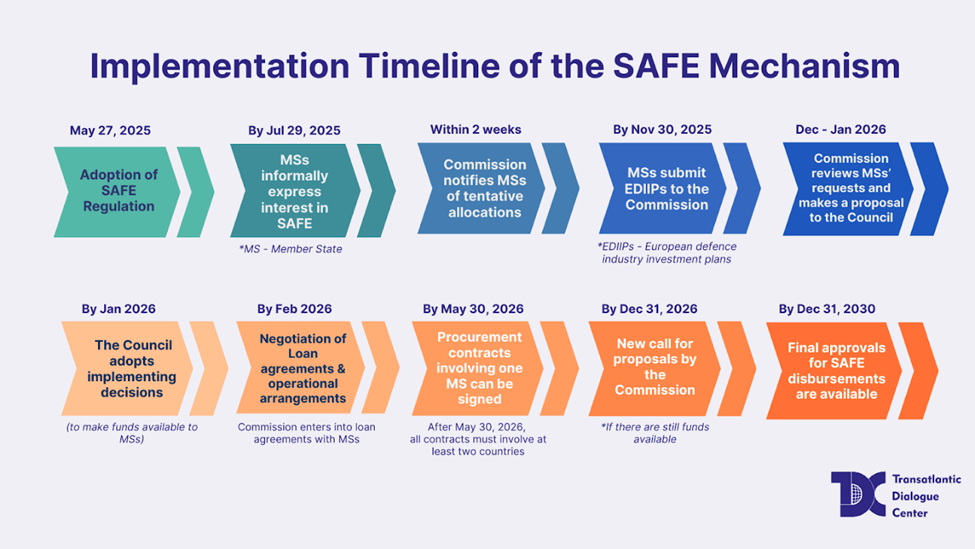
यूरोपीय आयोग ने निर्धारित की है सदस्य राज्यों के लिए एक समय-सीमा SAFE तंत्र के तहत वित्तपोषण प्राप्तकर्ता बनने के लिए:
SAFE तंत्र की प्रभावशीलता सुनिश्चित करने के लिए, यूरोपीय आयोग ने कई प्रमुख आवश्यकताएं निर्धारित की हैं, जिनका वित्तपोषण प्राप्तकर्ताओं को पालन करना होगा।
1. संयुक्त खरीद
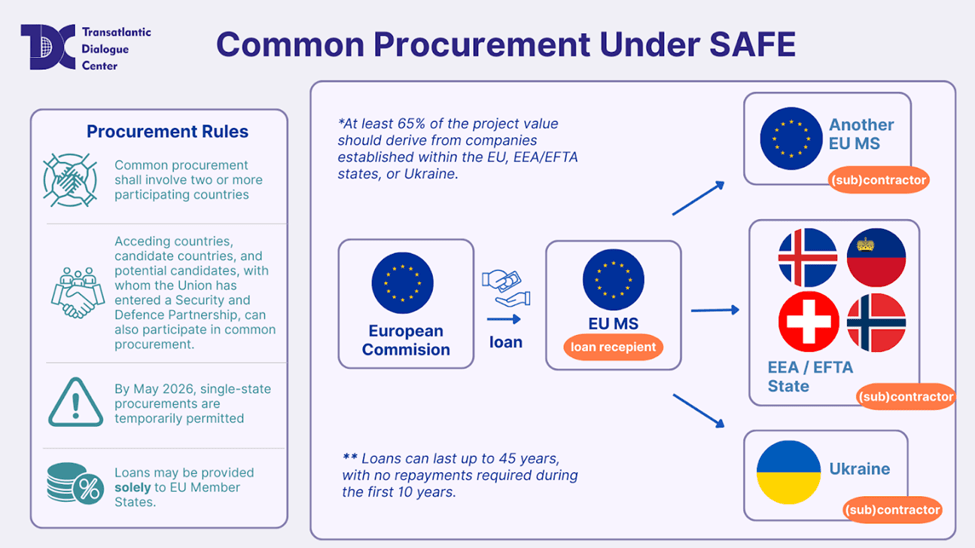
परियोजनाओं में सामान्यतः शामिल होने चाहिए कम-से-कम दो प्रतिभागी (जैसे, दो सदस्य राज्य, एक सदस्य राज्य और एक EEA/EFTA राज्य या यूक्रेन, अथवा एक सदस्य राज्य और अन्य तृतीय देश*)। नियम के अपवाद के रूप में, प्रारंभिक चरण के दौरान एकल-राज्य खरीद को अस्थायी रूप से अनुमति दी गई है।
2. “यूरोपीय खरीद” नियम
कम-से-कम 65% परियोजना का मूल्य EU, EEA/EFTA राज्यों या यूक्रेन में स्थापित कंपनियों से आना चाहिए। अंतिम उत्पाद के घटकों की अनुमानित लागत का अधिकतम 35% बाहरी आपूर्तिकर्ताओं या तृतीय देशों (जैसे, अमेरिका) के उपठेकेदारों से आ सकता है।
3. ऋण तक पहुंच
ऋण अत्यंत अनुकूल शर्तों पर उपलब्ध हैं: उनकी अवधि 45 वर्ष तक हो सकती है और पहले 10 वर्षों में कोई पुनर्भुगतान आवश्यक नहीं है। इसके अतिरिक्त, परियोजनाओं को शुरू करने में मदद के लिए निधियों का 15% तक अग्रिम रूप से संवितरित किया जा सकता है।
उल्लेखनीय रूप से, ऋण दिए जा सकते हैं केवल EU सदस्य राज्यों को। यदि यूक्रेन जैसा कोई तृतीय देश संयुक्त खरीद में भाग लेता है, तो धनराशि संबंधित सदस्य राज्य को संवितरित की जाएगी। उसकी यूरोपीय रक्षा उद्योग निवेश योजनाके आधार पर, संबंधित सदस्य राज्य स्वीकृत गतिविधियों के बीच वित्तपोषण आवंटित करेगा।
बढ़ते भू-राजनीतिक खतरों के प्रत्युत्तर में EU की रक्षा क्षमताओं को सुदृढ़ करने की दिशा में SAFE साधन एक व्यावहारिक कदम है। इसका मुख्य लाभ इसकी संयुक्त खरीद को बढ़ावा देने की मंशामें निहित है, जिसका उद्देश्य सदस्य राज्यों के उद्योगों के बीच अधिक सहयोग को बढ़ावा देना और EU रक्षा बाजार में विखंडन को कम करना है। EU-आधारित उत्पादन की ओर 65% खर्च अनिवार्य करके, SAFE यूरोप के रक्षा औद्योगिक आधार को मजबूत करना चाहता है, साथ ही यूक्रेन, EEA/EFTA सदस्यों तथा परिग्रहणशील, उम्मीदवार और संभावित उम्मीदवार देशों जैसे तृतीय देशों की भागीदारी सक्षम कर, केवल-EU-विशिष्ट के बजाय समग्र यूरोपीय दृष्टिकोण भी अपनाता है।
SAFE के तहत EU के महत्वाकांक्षी लक्ष्यों के बावजूद, इसका कुल पैमाना अभी भी मामूली है। जहां आयोग के अधिकारी उल्लेख करते हैं कि SAFE का आकार (€150 billion) EU सदस्य राज्यों के वार्षिक रक्षा खर्च के आधे से अधिक के बराबर है, फिर भी यह आंकड़ा अपने उद्देश्यों की तुलना में मामूली प्रतीत होता है। SAFE विनियमन में परिकल्पित अमेरिका पर निर्भरता कम करने के लिए, कुछ अनुमानों के अनुसार, $1 trillion के करीब की आवश्यकता होगी। दशकों से EU एयरलिफ्ट के लिए अमेरिका पर बहुत अधिक निर्भर रहा है, उपग्रह संचार और हवाई ईंधन-भराई के लिए, तथा यूरोपीय रक्षा खरीद का 78% 2022–2023 में गैर-यूरोपीय उत्पादों पर खर्च हुआ। SAFE अकेले इन खर्चों को पूरा नहीं कर सकता और इसकी कई सीमाएं अब भी अनसुलझी हैं।
चूंकि SAFE को महत्वपूर्ण क्षमता-अंतरालों को शीघ्र दूर करने के लिए बनाया गया है, यह एक ऋण सुविधा के रूप में कार्य करता है जो सभी देशों को आकर्षक न लगे। पहला, ऋण राष्ट्रीय ऋण में जुड़ते हैं और सीमित राजकोषीय गुंजाइश वाले सदस्य राज्यों को SAFE का प्रभावी उपयोग करने में कठिनाई हो सकती है। सरल शब्दों में, राजकोषीय गुंजाइश से आशय किसी सरकार की वित्तीय स्थिरता को खतरे में डाले बिना अतिरिक्त ऋण लेने की क्षमता से है।
इस मामले में सभी EU देश समान स्थिति में नहीं हैं: जिनका ऋण स्तर अधिक है, उनकी राजकोषीय गुंजाइश कम है और इसके विपरीत। उदाहरण के लिए, फ्रांस पर वर्तमान में EU के सबसे बड़े बजट घाटों (-5,8%) में से एक और काफी ऊंचा बजट ऋण (लगभग 113%) है, लेकिन वह रक्षा खर्च बढ़ाने का लक्ष्य रखता है 3–3.5% GDP तक। जुलाई 2025 तक, फ्रांस ने SAFE ऋणों में रुचि व्यक्त की है, हालांकि संभवतः मामूली राशि के लिए।
इसके अतिरिक्त, EU की ब्याज दरों पर उधार लेना सभी सदस्य राज्यों के लिए आकर्षक नहीं है। SAFE मूलतः EU को शेयर बाजारों में €150 billion तक जुटाने और उसे तुलनात्मक रूप से कम ब्याज दरों पर सदस्य राज्यों को पुनः ऋण देने की अनुमति देता है। EU बॉन्ड प्रतिफल लगभग 3% होने के कारण, SAFE ऋणों पर भी समान दर लागू होने की अपेक्षा है। यह रोमानिया (7%), पोलैंड (5.4%) और चेक गणराज्य (4.3%) जैसे अधिक उधार लागत वाले देशों के लिए महत्वपूर्ण लाभ प्रस्तुत करता है, जिन्हें सस्ता EU-स्तरीय वित्तपोषण प्राप्त करने से फायदा होगा।
हालांकि, कई सदस्य राज्यों के लिए EU और राष्ट्रीय उधार लागतों के बीच अंतर अपेक्षाकृत कम है। जर्मनी (2.6%), नीदरलैंड (2.8%), स्वीडन (2.4%) और डेनमार्क (2.5%) जैसे मजबूत (AAA) ऋण-विश्वसनीयता रेटिंग वाले समृद्ध देशों के पास SAFE इस्तेमाल करने का कम प्रोत्साहन है, क्योंकि उनकी अपनी उधार लागत EU की तुलना में कम है। फिर भी, आश्चर्य संभव हैं – मसलन, डेनमार्क ने जुलाई में सार्वजनिक रूप से कहा था कि वह SAFE ऋणों का उपयोग करने की योजना नहीं रखता, क्योंकि वह अपने रक्षा निवेशों को स्वतंत्र रूप से वित्तपोषित करना पसंद करता है। सितंबर में, हालांकि, वह अंतिम EU सदस्य राज्य बन गया जिसने SAFE ऋण प्राप्त करने में रुचि व्यक्त की। रिपोर्ट के अनुसार, SAFE के माध्यम से यूक्रेन का समर्थन करने की संभावना ने देश को इस निर्णय की ओर प्रेरित किया।
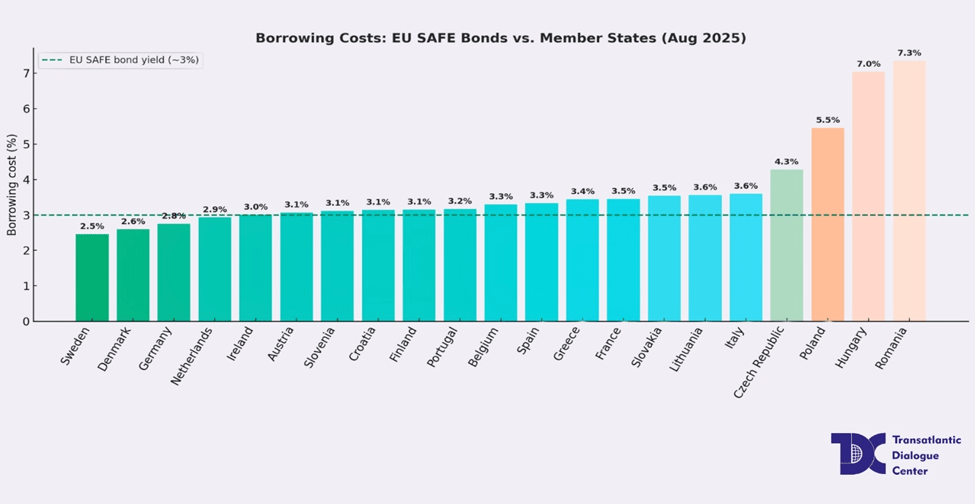
1 सितंबर 2025 तक, उन्नीस EU सदस्य राज्यों ने व्यक्त की थी कि वे कुल €150billion मूल्य के ऋण लेने में रुचि रखते हैं। इनमें बेल्जियम, बुल्गारिया, चेक गणराज्य, डेनमार्क, एस्टोनिया, ग्रीस, स्पेन, फ्रांस, क्रोएशिया, इटली, साइप्रस, लातविया, लिथुआनिया, हंगरी, पोलैंड, पुर्तगाल, रोमानिया, स्लोवाकिया, फिनलैंड और डेनमार्क शामिल हैं।
जहां कुछ सदस्य राज्य अपनी रक्षा मुद्रा मजबूत करने के लिए वास्तव में प्रतिबद्ध प्रतीत होते हैं—मिसाल के लिए, पोलैंड ने परियोजनाएं तैयार की हैं जिनका मूल्य लगभग €45 billion है—वहीं अन्य, ठोस भागीदारी के बिना, EU के रक्षा उद्देश्यों के समर्थन का संकेत देने के लिए SAFE का अधिक प्रतीकात्मक उपयोग कर सकते हैं। उदाहरण के लिए, इटली ने €14 billion, जबकि ग्रीस मांग रहा है €1.27 बिलियन। अंतिम वित्तपोषण अनुरोध और विस्तृत यूरोपीय रक्षा उद्योग निवेश योजनाएँ नवंबर में अपेक्षित हैं, लेकिन देश निधियों को सहयोगात्मक रूप से या स्वतंत्र रूप से कैसे खर्च करना चुनते हैं, यह कितना खर्च होगा, उससे अधिक महत्त्वपूर्ण हो सकता है।
यूरोपीय संघ का रक्षा बाज़ार अत्यधिक विखंडित बना हुआ है, जहाँ खरीद सामान्यतः राष्ट्रीय स्तर पर की जाती है और अक्सर घरेलू उद्योगों को प्राथमिकता देती है। इससे समन्वय और पैमाने की अर्थव्यवस्थाओं के अवसर छूट जाते हैं, जो और बढ़ जाते हैं सदस्य राज्यों में अत्यधिक प्लेटफ़ॉर्म विविधता और पूरे यूरोपीय संघ में सामंजस्यपूर्ण निर्यात विनियमों के अभाव के कारण।
SAFE के लक्ष्य—संयुक्त खरीद, बाज़ार विखंडन में कमी और बेहतर पारस्परिक परिचालन-क्षमता—तभी पूरे हो सकते हैं जब देश निधियों के लिए प्रतिस्पर्धा करने के बजाय एकता और राजनीतिक इच्छाशक्ति से कार्य करें। पारस्परिक अविश्वास आसानी से राष्ट्रीय हितों को साझा पहलों पर हावी कर सकता है और कार्यक्रम के उद्देश्य को कमजोर कर सकता है।
इस संदर्भ में, SAFE द्वारा राष्ट्रीय संरक्षणवाद को प्रभावी ढंग से संबोधित किए जाने की संभावना कम है, अपने सहयोगात्मक उद्देश्य के बावजूद। मौजूदा नियमों के तहत SAFE ऋणों के लिए कम-से-कम दो सदस्य राज्यों के आवेदन आवश्यक हैं, लेकिन पहले वर्ष में, मई 2026 तक, अलग-अलग सदस्य राज्य भी स्वतंत्र रूप से आवेदन कर सकते हैं। इसके अतिरिक्त, कुछ सदस्य राज्यों के अनुरोध पर आयोग ने अनुमति दी है कि मौजूदा रक्षा कार्यक्रमों को SAFE के तहत वित्तपोषित किया जाए।
ये शर्तें व्यापक सहयोग के लिए पर्याप्त प्रोत्साहन न दें, और सदस्य राज्य इसके बजाय SAFE का उपयोग मुख्यतः अपने उद्योगों को सुदृढ़ करने के लिए कर सकते हैं। यह प्रवृत्ति जुलाई 2025 तक प्रस्तुत प्रारंभिक आवेदनों में पहले ही स्पष्ट है, जिनमें सदस्य राज्यों ने कथित रूप से घरेलू उद्योगों को प्राथमिकता देने वाले व्यक्तिगत प्रस्ताव रखे हैं। उदाहरण के लिए, पोलिश अधिकारियों का कहना है कि वारसॉ इस वित्तपोषण का उपयोग संभवतः घरेलू रूप से निर्मित उपकरणों को समर्थन देने के लिए करेगा—जैसे “ईस्टर्न शील्ड” पहल के तहत ड्रोन और ड्रोन-रोधी प्रणालियाँ, आर्टिलरी गोला-बारूद, Krab स्व-चालित होवित्जर, Rosomak वाहन और Jelcz लॉजिस्टिक ट्रक।
यदि 19 आवेदक देशों में से अधिकांश ने व्यक्तिगत प्रस्ताव प्रस्तुत किए, तो वे SAFE को लगभग समाप्त कर देंगे और संयुक्त खरीद के लिए बने साधन को व्यक्तिगत वित्तपोषण के साधन में बदल देंगे।
इस प्रकार, SAFE यूरोपीय संघ के रक्षा बाज़ार में संयुक्त खरीद को बढ़ावा देने और विखंडन घटाने के अपने लक्ष्य को प्राप्त करने में विफल रहने का जोखिम उठाता है। इस जोखिम को अभी भी आयोग कम कर सकता है, जो निधि आवंटन पर अंतिम निर्णय लेता है; फिर भी, इन निर्णयों के मानदंड और आयोग के भीतर जिम्मेदार विशिष्ट निकाय, साथ ही उसकी विशेषज्ञता, दोनों अस्पष्ट बने हुए हैं।
उपरोक्त के मद्देनज़र, SAFE को यूरोपीय सुरक्षा के लिए एक टिकाऊ दीर्घकालिक समाधान नहीं माना जाना चाहिए। SAFE की स्थापना करने वाला विनियमन स्वयं इसे एक अस्थायी, तदर्थ साधनबताता है, जो यूरोपीय रक्षा कोष (EDF) जैसी मौजूदा यूरोपीय संघ पहलों का पूरक है। आपातकालीन वित्तीय सहायता देने के लिए यूरोपीय संघ ने यूरोपीय संघ के कार्यकरण की संधि (TFEU) के अनुच्छेद 122 का उपयोग पहली बार नहीं किया है। COVID-19 महामारी के दौरान, यूरोपीय संघ ने SURE साधन को रोजगार का समर्थन करने के लिए उसी कानूनी आधार पर शुरू किया।
हालाँकि, रक्षा और सुरक्षा क्षेत्र बेरोज़गारी जैसे क्षेत्रों से बुनियादी रूप से अलग है: रक्षा व्यय को राजकोषीय मानदंडों से अस्थायी विचलन नहीं माना जा सकता। यही SAFE की अल्पकालिक प्रकृति को इसकी मूल सीमा बनाता है। अटलांटिक के दोनों ओर रक्षा कंपनियों के लिए उत्पादन बढ़ाने में मुख्य बाधा अपने-आप में वित्तपोषण की कमी नहीं, बल्कि पूर्वानुमेय दीर्घकालिक सरकारी आदेशोंका अभाव है। रक्षा के लिए एकबारगी आपातकालीन वित्तपोषण के बजाय निरंतर, दीर्घकालिक निवेश चाहिए।
SAFE की बुनियाद पर आगे बढ़ने और इसकी सीमाओं को दूर करने के लिए यूरोपीय संघ को स्थायी रणनीतिक स्वायत्तता सुनिश्चित करने हेतु अधिक स्थायी, केंद्रीकृत वित्तपोषण तंत्र अपनाने होंगे। एक उदाहरण प्रस्तावित यूरोपीय रक्षा तंत्र (EDM) है, जो एक अंतर-सरकारी निकाय है जो केंद्रीकृत करेगा यूरोपीय रक्षा खरीद और क्षमताओं को, साथ ही साझा वित्तपोषण और बाध्यकारी नियमों के माध्यम से सहयोग सुनिश्चित करेगा।
एक समन्वित पर्याप्त बजट वाली रणनीति (जैसे, पाँच वर्षों में €500 बिलियन) यूरोपीय संघ के रक्षा बाज़ार के सतत विखंडन से निपटने का एकमात्र तरीका हो सकती है। अगली बहुवार्षिक वित्तीय रूपरेखा में रक्षा के लिए €131 बिलियन आवंटित करने का आयोग का प्रस्ताव इस मुद्दे को संबोधित करने की संभावना कम है.
अब तक, SAFE को अपना अपेक्षित प्रभाव प्राप्त करने के लिए सदस्य राज्यों को सक्रिय भूमिका निभानी चाहिए। यूरोपीय संघ ने एक सशक्त और आशाजनक वित्तीय साधन बनाया है, लेकिन इसकी सफलता अंततः इस पर निर्भर करती है कि सदस्य राज्य इसे कितनी प्रभावी और महत्वाकांक्षी ढंग से लागू करना चुनते हैं.
तृतीय देश के रूप में यूक्रेन की भागीदारी के प्रमुख प्रावधान
अक्सर कहा जाता है कि यूक्रेन EU सदस्य राज्यों के बराबर स्तर पर SAFE में भाग ले सकता है और इस प्रक्रिया से बहुत लाभ उठा सकता है। हालाँकि, यह केवल आंशिक रूप से सही है।
SAFE तंत्र की नवीनता इस तथ्य में है कि यूक्रेन के हथियार उत्पादक और प्रौद्योगिकी कंपनियाँ संयुक्त खरीद में भाग ले सकती हैं (उप)ठेकेदारों के रूप में, EU सदस्य राज्य द्वारा प्राप्त ऋण से वित्तपोषण पाने वाली EU-आधारित कंपनियों के साथ।
अंतिम उत्पाद के 65% घटक या तो EU सदस्य राज्यों, EEA/EFTA देशों अथवा यूक्रेन से आने चाहिए। इस अर्थ में, यूक्रेन को वास्तव में यूरोप का हिस्सा माना जा सकता है। इसके विपरीत, परिग्रहणशील, संभावित उम्मीदवार और अन्य EU उम्मीदवार देश (जिन्हें SAFE विनियमन में “अन्य तृतीय देश” कहा गया है) भी SAFE में उपठेकेदारों के रूप में भाग ले सकते हैं, लेकिन कहीं अधिक कठोर शर्तों के तहत। उनके योगदान को “संघ के बाहर” से आया माना जाता है और वे अंतिम उत्पाद के केवल 35% तक हो सकते हैं।
SAFE विनियमन के अनुसार, यूक्रेन के क्षेत्र का उपयोग विनिर्माण के लिए भी किया जा सकता है,
“संयुक्त खरीद में शामिल ठेकेदारों और उपठेकेदारों का वह अवसंरचना, सुविधाएँ, परिसंपत्तियाँ और संसाधन जिनका उपयोग संयुक्त खरीद के प्रयोजनों के लिए किया जाता है किसी सदस्य राज्य, EEA EFTA राज्य या यूक्रेन के क्षेत्र में स्थित होंगे”.
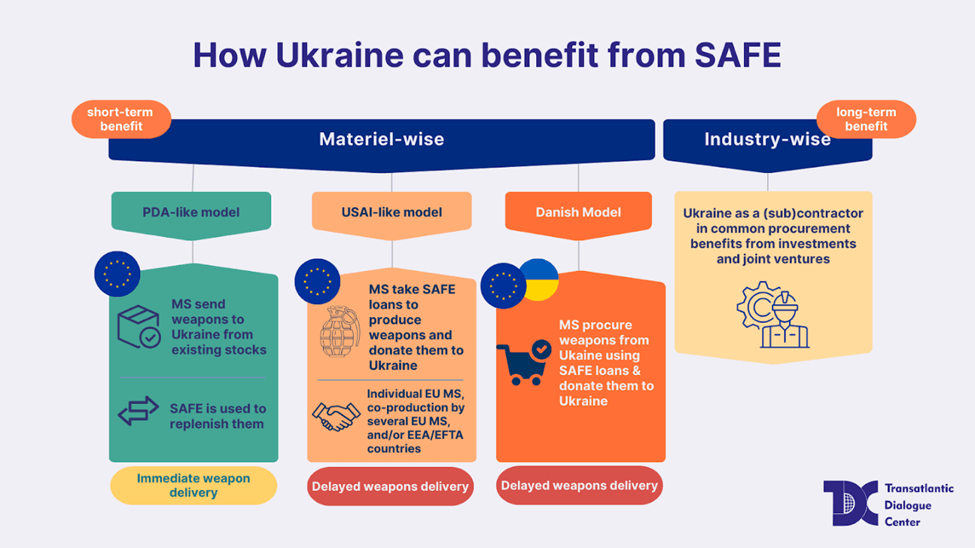
SAFE तंत्र से यूक्रेन को लाभ पहुँचाने का एक तरीका यह है कि उसे सैन्य सहायता के रूप में दिए जाने वाले उपकरणों के प्राप्तकर्ता के रूप में नामित किया जाए। SAFE विनियमन में एक अलग प्रावधान है जो सदस्य राज्यों को प्रोत्साहित करता है कि वे, जहाँ प्रासंगिक हो, अपनी नियोजित गतिविधियों में यूक्रेन की प्रत्याशित भागीदारी का विवरण अपनी यूरोपीय रक्षा उद्योग निवेश योजनाओंमें शामिल करें। एक हालिया प्रस्ताव में, यूरोपीय संसद ने एक प्रावधान शामिल किया जो सदस्य राज्यों को अपनी यूरोपीय रक्षा उद्योग निवेश योजनाओं का एक महत्त्वपूर्ण भाग यूक्रेन की सहायता के लिए समर्पित करने को प्रोत्साहित करता है। SAFE के प्रावधानों के ढाँचे के भीतर कई परिदृश्य व्यवहार्य प्रतीत होते हैं:
आदर्श रूप से, संयुक्त खरीद को बढ़ावा देने के अतिरिक्त, SAFE वित्तीय साधन का उद्देश्य सदस्य राज्यों को यूक्रेन के लिए सैन्य समर्थन बढ़ाने हेतु प्रोत्साहित करना भी था। मूल विचार EU सदस्य राज्यों को अपने लिए नए सैन्य उपकरण खरीदने के वास्ते वित्तीय सहायता देना है, ताकि वे मौजूदा भंडार से उपकरण यूक्रेन को दे सकें। इससे यूक्रेन के लिए त्वरित परिणाम मिलेंगे और साथ ही सदस्य राज्यों को सुनिश्चित पुनःपूर्ति प्राप्त होगी (अमेरिकी प्रेसिडेंशियल ड्रॉडाउन अथॉरिटी (PDA) के समान तंत्र)। हालांकि, बहुत कुछ प्रत्येक सदस्य राज्य के राजनीतिक निर्णयों और राष्ट्रीय प्राथमिकताओं के साथ-साथ SAFE के क्रियान्वयन की गति पर निर्भर करेगा।
पिछली व्यवस्था के समान, SAFE वित्तीय साधन के तहत सदस्य राज्यों द्वारा खरीदे गए सैन्य उपकरणों के संभावित प्राप्तकर्ता के रूप में यूक्रेन को नामित किया जा सकता है। हालांकि, ऐसी स्थिति यूक्रेन के समर्थन में देरी करेगी, क्योंकि खरीद प्रक्रियाओं और नई उत्पादन लाइनों की स्थापना में समय लगेगा (अमेरिकी यूक्रेन सिक्योरिटी असिस्टेंस इनिशिएटिव (USAI) के समान तंत्र)।
मुख्य समस्या यह है कि सदस्य राज्यों के पास अपने भंडार की पुनःपूर्ति करने के बजाय नव-निर्मित उपकरण यूक्रेन को दान करने के लिए पर्याप्त प्रोत्साहन हों। समाधान के रूप में, यूक्रेन उन सदस्य राज्यों के साथ संपर्क कर सकता है जिन्होंने पहले आवश्यक उपकरण उपलब्ध कराए हैं और जिनके ऐसे उपकरणों की यूक्रेन को अब भी आवश्यकता है, ताकि उन्हें उन्हीं प्रणालियों की अतिरिक्त इकाइयाँ उपलब्ध कराने के लिए प्रोत्साहित किया जा सके, जिनका इस बार वित्तपोषण SAFE वित्तीय साधन से हो।
इस परिदृश्य में, यूक्रेन को यूक्रेनी क्षेत्र में कार्यरत EU कंपनियों के सहयोग से रक्षा उपकरणों के स्थानीय विनिर्माण से लाभ होगा। यह दृष्टिकोण “डेनिश मॉडल” के कुछ तत्वों के समान है, जो इच्छुक देशों को यूक्रेन के रक्षा उद्योग का वित्तपोषण करने और उत्पादित उपकरण यूक्रेन को वापस दान करने की अनुमति देता है। डेनमार्क के नेतृत्व में “डेनिश मॉडल” यूक्रेनी रक्षा निर्माताओं से प्रत्यक्ष खरीद को शामिल करने वाला पहला तंत्र बन गया है। यह मॉडल SAFE-वित्तपोषित खरीद के लिए खाके, के रूप में काम कर सकता है, जिसमें यूक्रेनी रक्षा और प्रौद्योगिकी कंपनियाँ तथा यूक्रेन में उनकी सुविधाएँ शामिल हों।
हालांकि, SAFE के तहत मुख्य अंतर ऋण प्राप्तकर्ताओं के रूप में EU सदस्य राज्यों की अनिवार्य भागीदारी है। तकनीकी रूप से, कोई EU सदस्य राज्य किसी यूरोपीय कंपनी को धन वितरित कर सकता है, जो यूक्रेनी क्षेत्र में दूसरी कंपनी की सुविधाओं का उपयोग करते हुए किसी यूक्रेनी कंपनी के साथ मिलकर उत्पादन करेगी। वैकल्पिक रूप से, ऋण प्राप्त करने वाला EU सदस्य राज्य किसी एकल मुख्य ठेकेदार के रूप में कार्य करने वाली यूक्रेनी कंपनी से हथियार खरीदकर उन्हें यूक्रेन को वापस दान कर सकता है। इस स्थिति में यूक्रेन का निर्यात प्रतिबंध लागू नहीं होगा।
अल्प अवधि में, SAFE वित्तपोषण यूक्रेन की वर्तमान आवश्यकताओं के लिए युद्ध में प्रभावी सिद्ध समाधानों के साथ त्वरित खरीद को जोड़ेगा। चूँकि अनेक यूक्रेनी उद्योग EU से घटक प्राप्त करते हैं, निवेश से यूरोपीय उद्योग को भी लाभ होगा; साझेदार विश्वसनीय यूक्रेनी मुख्य ठेकेदारों का चयन कर सकेंगे और आपूर्ति शृंखला की सुरक्षा सुनिश्चित कर सकेंगे।
दीर्घकाल में, SAFE ऋण प्राप्त करने वाले EU सदस्य राज्य के लिए यूक्रेन को (उप)ठेकेदार नामित किए जाने पर, न केवल यूक्रेनी सेना को उपकरणों के प्राप्तकर्ता के रूप में SAFE से लाभ होगा, बल्कि यूक्रेनी उद्योगों को भी दीर्घकालिक निवेशों और यूरोपीय साझेदारों के साथ संयुक्त उद्यमों के लाभार्थी के रूप में फायदा होगा।
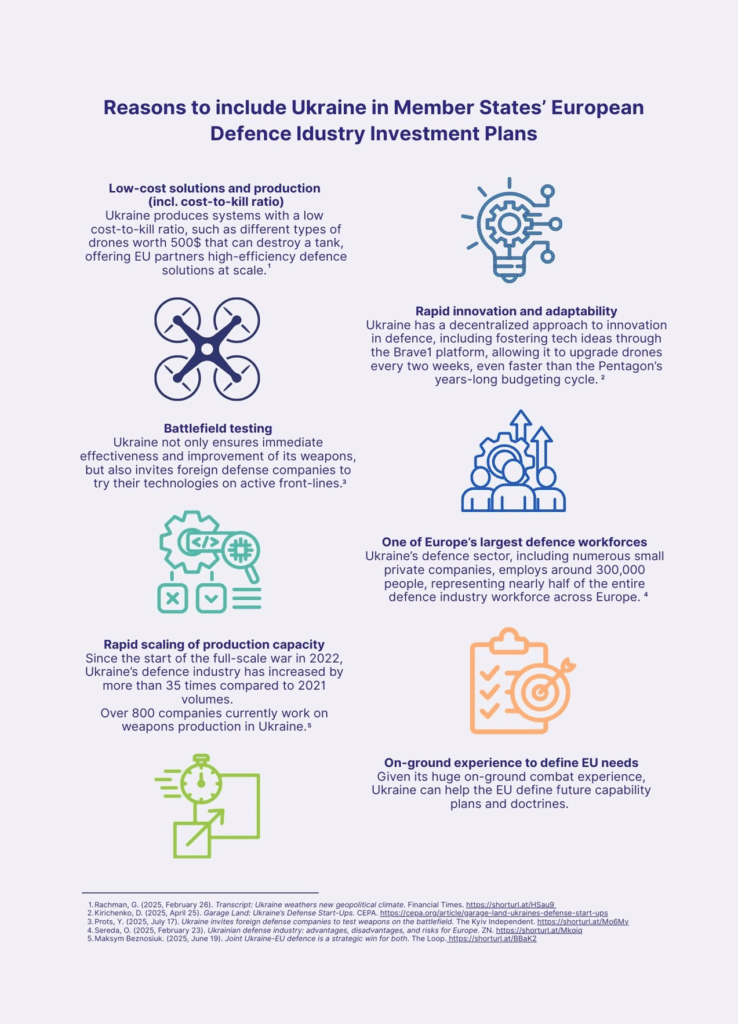
यूक्रेनी रक्षा उद्योग दुनिया के सबसे तेजी से विकसित और विस्तार करने वाले उद्योगों में है। रूस के पूर्ण-स्तरीय आक्रमण की शुरुआत के बाद से, यूक्रेन ने अपनी उत्पादन क्षमता पैंतीस गुना बढ़ा ली है: 2022 में $1 billion से 2025 में $35 billion तक। हालांकि, 2024 में यूक्रेन केवल प्राप्त कर पाया लगभग $10 बिलियन का वित्तपोषण। SAFE-वित्तपोषित निवेश उत्पादन लाइनों का विस्तार करके, वितरण समय-सारिणी तेज करके और युद्ध में पहले से परखे जा चुके नवोन्मेषी परियोजनाओं का पैमाना बढ़ाकर यूक्रेनी उद्योगों की क्षमता को और खोल सकते हैं।
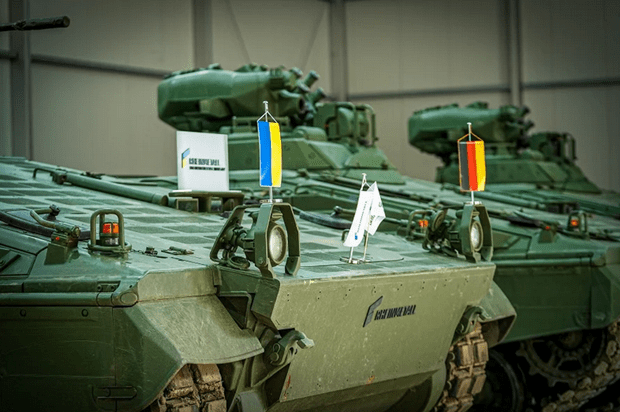
इसके अतिरिक्त, यूक्रेनी कंपनियों को संयुक्त उद्यमों में भाग लेने की अनुमति देना दृष्टिकोण में एक सकारात्मक बदलाव दर्शाता है, जिससे यूक्रेनी रक्षा उद्योग को यूरोपीय कंपनियों के साथ सहयोग तक कम से कम आंशिक पहुँच मिलती है। यह व्यापक यूक्रेन के हथियार उत्पादकों के एकीकरण की दिशा में एक महत्वपूर्ण कदम है, जो यूरोपीय रक्षा पारिस्थितिकी तंत्र में मानकीकरण, पारस्परिक परिचालन-क्षमता और लागत-दक्षता में सुधार को बढ़ावा देता है। 2024 के अंत तक, यूक्रेन ने पाँच संयुक्त उद्यम पश्चिमी हथियार निर्माताओं के साथ स्थापित किए थे, जिनमें जर्मनी और लिथुआनिया की कंपनियाँ शामिल हैं। इसके अतिरिक्त, जर्मनी की Rheinmetall जैसी यूरोपीय कंपनियों ने यूक्रेन में उत्पादन सुविधाओं का निर्माण आरंभ किया, जबकि UK की BAE Systems अपने उपकरणों की सर्विसिंग और रखरखाव के लिए स्थानीय कंपनियों के साथ साझेदारी कर रही है। फ्रांको-जर्मन निर्माता KNDS इसी प्रकार के सहयोग की योजना बना रहा है और Czechoslovak Group गोला-बारूद संयंत्र स्थापित कर रहा है देश में। SAFE इस दिशा में एक और महत्वपूर्ण प्रोत्साहन दे सकता है।
यूक्रेन की भागीदारी के वास्तविक अवसरों पर प्रश्न बने हुए हैं। यूक्रेन के समर्थन को बढ़ाने के लिए अतिरिक्त तंत्र स्थापित करने के SAFE के घोषित उद्देश्य के बावजूद, इसके प्रमुख प्रावधान और भागीदारी की शर्तें यह संकेत देती हैं कि यूक्रेन के संभावित लाभों का दायरा सीमित हो सकता है।
मुख्य चिंताओं में से एक यह है कि क्या EU सदस्य राज्य वास्तव में यूक्रेन को अपनी यूरोपीय रक्षा उद्योग निवेश योजनाओंमें शामिल करने के इच्छुक होंगे। चूँकि यूक्रेन केवल (उप)ठेकेदारों में से एक के रूप में भाग ले सकता है, सदस्य राज्यों की प्रवृत्ति अपने घरेलू रक्षा उत्पादकों की क्षमताएँ बढ़ाने पर केंद्रित रहने की हो सकती है। इसके अतिरिक्त, विश्वास संबंधी समस्याएँ और साझा प्राथमिकताओं का अभाव इच्छुक देशों को यूक्रेन के साथ संयुक्त परियोजनाओं की योजना बनाने से रोक सकते हैं, क्योंकि इनमें अधिक समय लग सकता है और अतिरिक्त सम्यक् जाँच प्रक्रियाओं की आवश्यकता हो सकती है।
दूसरी ओर, आयोग के पास भी बहुत सीमित साधन हैं जो सदस्य राज्यों के निर्णयों को प्रभावित करने के लिए उसके पास उपलब्ध हैं। साथ ही, इस वित्तीय साधन से वास्तविक लाभ पाने का अवसर यूक्रेन से छूट जाने का जोखिम है, क्योंकि सदस्य राज्यों की यूरोपीय रक्षा उद्योग निवेश योजनाएँ जमा करने की समय-सीमा बहुत कम है।
यूक्रेन की ओर से भी चुनौतियाँ हैं। यद्यपि SAFE विनियमन उसके क्षेत्र का सह-उत्पादन के लिए उपयोग करने देता है, यह टकराता है 2022 के आक्रमण के बाद से यूक्रेन द्वारा लागू किए गए निर्यात प्रतिबंध से। इसके अनुसार यूक्रेनी कानून, विशेष रूप से कानून “सैन्य तथा दोहरे उपयोग वाली वस्तुओं के अंतरराष्ट्रीय हस्तांतरणों पर राज्य नियंत्रण”, रक्षा वस्तुओं का निर्यात सामान्यतः प्रतिबंधित है और यह केवल नामित राज्य प्राधिकारियों से उचित प्राधिकरण के साथ ही हो सकता है।
अतः, तकनीकी रूप से, SAFE वित्तपोषण से यूक्रेन में निर्मित कोई भी उपकरण देश के भीतर अंतिम उपयोगके लिए वहीं रहना चाहिए, जब तक सरकार निर्यात प्रतिबंध हटा न दे।
हालांकि, यह उन यूक्रेनी कंपनियों पर लागू नहीं होता जो EU सदस्य राज्यों में पंजीकृत हैं और वहाँ विनिर्माण सुविधाओं की मालिक हैं।
इसके अतिरिक्त, कानूनी बाधाएँ जो यूक्रेन में तृतीय-देश नियंत्रण और बौद्धिक संपदा प्रतिबंधों से संबंधित हैं अतिरिक्त बाधाएँ उत्पन्न कर सकती हैं यूक्रेन की संयुक्त खरीद में भागीदारी के लिए। समानांतर रूप से, यूक्रेन के R&D एक्सेलरेटरों, नवाचार केंद्रों और संघों के विस्तारित नेटवर्क में पर्याप्त रूप से मजबूत बौद्धिक संपदा (IP) संरक्षण तंत्रों का अभाव है। मजबूत IP संरक्षण प्रोटोकॉल सुनिश्चित करने से निवेशकों का विश्वास बढ़ेगा, प्रौद्योगिकी का सुरक्षित हस्तांतरण संभव होगा और यूरोपीय तथा वैश्विक रक्षा पहलों में यूक्रेन की भागीदारी सुगम होगी।
ऐसा ढाँचा यह संकेत देता है कि इसकी कोई गारंटी नहीं है कि यूक्रेन को योजनाबद्ध निवेशों में व्यवस्थित रूप से शामिल किया जाएगा। यूक्रेन की भागीदारी को प्राथमिकता देने के लिए सशक्त प्रोत्साहनों या समन्वय साधनों के अभाव में, यह जोखिम है कि सदस्य राज्य केवल राष्ट्रीय एजेंडे अपनाएँगे, और यूक्रेनी रक्षा उद्योग के पक्षकारों के साथ सहयोग को दरकिनार कर देंगे।
मई-जून 2025 में, यूक्रेनी रक्षा मंत्रालय ने SAFE वित्तपोषण के लिए यूक्रेन की प्राथमिकताएँ और देश EU को क्या दे सकता है, इसकी रूपरेखा प्रस्तुत की। यूक्रेन विशेष रूप से रुचि रखता है निम्नलिखित श्रेणियों के उपकरणों की संयुक्त खरीद और उत्पादन में:
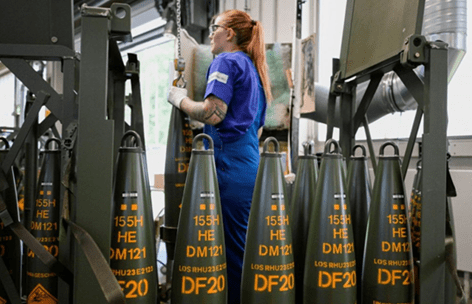
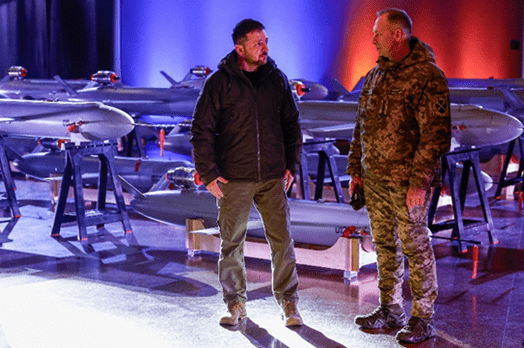
यूक्रेन की विशेष रुचि नॉर्डिक देशों और जर्मनी के साथ संयुक्त खरीद में है, जिनके पास यूक्रेन को समर्थन देने की क्षमता और रुचि दोनों हैं। हालांकि, SAFE ऋण इन देशों के लिए आकर्षक नहीं होने वाली ब्याज दरें प्रदान करते हैं। इसके बावजूद, नीदरलैंड, डेनमार्क, नॉर्वे, स्वीडन और जर्मनी—सभी मजबूत अर्थव्यवस्थाएँ—ने हाल ही में नाटो प्राथमिकताप्राप्त यूक्रेन आवश्यकता सूची (PURL) पहलके माध्यम से यूक्रेन के लिए अमेरिका-निर्मित हथियार खरीदने हेतु $1.5 billion देने का वचन दिया है। यूक्रेन ने फ्रांस और इटली जैसे वायु रक्षा प्रणालियों और गोला-बारूद के प्रमुख यूरोपीय आपूर्तिकर्ताओं के साथ काम करने में भी अपनी रुचि जताई है।
रिपोर्टों के अनुसार, पुर्तगाल, स्पेन, फ्रांस, बुल्गारिया और स्लोवाकिया अपनी यूरोपीय रक्षा उद्योग निवेश योजनाओं में यूक्रेन को शामिल करने में रुचि रखते हो सकते हैं। SAFE ऋण तक पहुँच में रुचि रखने वाले सदस्य राज्यों में UAV विकास, तैनाती और प्रौद्योगिकी साझाकरण में यूक्रेन के साथ सहयोग के प्रति मजबूत उत्साह है। क्रोएशिया और लातविया राष्ट्रपति Zelenskyy और पूर्व प्रधानमंत्री Shmyhal के साथ यूक्रेन की आवश्यकताओं के लिए SAFE वित्तपोषण आवंटित करने पर पहले ही चर्चा कर चुके हैं।
निम्नलिखित केस अध्ययन संभावित परिदृश्यों को रेखांकित करते हैं जिनमें संयुक्त EU–यूक्रेन रक्षा उत्पादन का समर्थन करने के लिए SAFE ऋणों का उपयोग किया जा सकता है।
गोला-बारूद की यूक्रेन की निरंतर आवश्यकता से यह स्पष्ट किया जा सकता है कि SAFE खरीद मॉडल व्यवहार में कैसे काम कर सकता है।
के अनुसार EU का श्वेत पत्र में, संघ ने प्रतिवर्ष कम-से-कम दो मिलियन बड़े-कैलिबर तोपखाना गोले पहुँचाने की प्रतिबद्धता जताई। SAFE ऋण लेने में रुचि व्यक्त कर चुके चेक गणराज्य यूक्रेन को 155 mm तोपखाना गोलों के मुख्य आपूर्तिकर्ताओं में से एक रहा है। उल्लेखनीय रूप से, अक्टूबर 2024 में Czechoslovak Group (CSG) ने यूक्रेन में स्थानीय रूप से तोपखाना गोला-बारूद के लिए Ukrainian arms के साथ एक समझौता संपन्न होने की घोषणा की। CSG की प्रेस विज्ञप्ति के अनुसार, CSG और Ukrainska Bronetechnika 2025 में 100,000 तोपखाना गोले बनाएंगे, और 2026 से उत्पादन बढ़कर प्रतिवर्ष 300,000 से अधिक हो जाएगा। चेक गणराज्य और यूक्रेन दोनों में उत्पादन का उद्देश्य यूक्रेनी सेना के लिए आपूर्ति बढ़ाना और लागत कम करना है।
चूँकि चल रही परियोजनाओं को भी SAFE तंत्र के तहत वित्तपोषण मिल सकता है, CSG और Ukrainska Bronetechnika अपनी विनिर्माण क्षमताओं का विस्तार करने के लिए संभावित रूप से SAFE वित्तपोषण का अनुरोध कर सकते हैं यूक्रेन में, लागत को और कम करने और यूक्रेन को अत्यंत महत्वपूर्ण उपकरण उपलब्ध कराने के लिए। इस मामले में, Ukrainska Bronetechnika एक उपठेकेदार के रूप में कार्य कर सकती है, जिसकी यूक्रेन-स्थित सुविधाओं का उपयोग स्थानीयकृत उत्पादन और आगे यूक्रेन के सशस्त्र बलों को आपूर्ति के लिए किया जाएगा।
2. एस्टोनिया और यूक्रेन: यूरोपीय-यूक्रेनी USHORAD गठबंधन की SAFE वित्तपोषण क्षमता
मई 2025 में, यूक्रेन और एस्टोनिया ने यूक्रेन के लिए एयर डिफेंस टेक एलायंस, जिसका उद्देश्य
“अति-अल्प-दूरी वायु रक्षा में महत्वपूर्ण क्षमता-अंतरालों को समाप्त करना (USHORAD) और तीव्र नवाचार तथा विस्तारयोग्य उत्पादन में सक्षम एक यूरोपीय-यूक्रेनी रक्षा औद्योगिक साझेदारी स्थापित करना है।”
इस सहयोग ढाँचे के तहत, DefSecIntel Solutions (एस्टोनिया), यूक्रेनी रक्षा उद्योग साझेदारों (Gauss Glide, Drone space labs, LLC Proinvest, Vk Systems, EW Spectrum) और Weibel Scientific (डेनमार्क) सहमत हुए हैं कि Weibel की रडार प्रौद्योगिकी को DefSecIntel की अति-अल्प-दूरी वायु रक्षा (USHORAD) प्रणालियों और यूक्रेनी अवरोधन प्रभावकों के साथ पूरी तरह स्वचालित, विस्तारयोग्य रक्षा प्लेटफॉर्मों में एकीकृत किया जाए। ऐसी पहल यूक्रेन की ड्रोन-रोधी प्रणालियों की मौजूदा आवश्यकता पूरी करने और बाल्टिक ड्रोन वॉल जैसी व्यापक यूरोपीय पहलों का समर्थन करने के लिए संयुक्त समाधान विकसित करने की दिशा में एक कदम है।
पात्रता मानदंडों का आकलन करने पर, यह परियोजना SAFE तंत्र की एक प्रमुख आवश्यकता पूरी करती है। यह सीमा-पार EU–यूक्रेन रक्षा सहयोग का एक संभावित अग्रणी मॉडल है, जिसकी प्रत्यक्ष युद्धक्षेत्र प्रासंगिकता और यूरोप की अपनी सुरक्षा आवश्यकताओं के लिए विस्तारयोग्य औद्योगिक लाभ हैं। इस प्रकार, यह SAFE के तहत संभावित वित्तपोषण के लिए एक मजबूत उम्मीदवार है।
EU सदस्य राज्यों के लिए:
यूक्रेन के लिए:
यह पाठ अंग्रेज़ी मूल से स्वचालित रूप से अनुवादित किया गया है, जो साइट की भाषा अंग्रेज़ी में बदलने पर अब भी उपलब्ध है।