
 21 دقائق للقراءة
في عام 2025، تعرض الاتحاد الأوروبي لضغوط متزايدة لإصلاح وضعه الدفاعي استجابةً لاستمرار العدوان الروسي على أوكرانيا، ولتنامي الشكوك بشأن الضمانات الأمنية الأمريكية في ظل أجندة «أمريكا أولاً» لإدارة ترامب الثانية. كما كشفت الحرب عن تشرذم عميق في دفاع أوروبا، يشمل محدودية قابلية التشغيل البيني للأسلحة، وتكرار جهود المشتريات، وفوارق هائلة في ميزانيات الدفاع والقدرات الصناعية بين الدول الأعضاء.
وإدراكاً للضرورة الاستراتيجية لتعزيز وضع الردع الأوروبي وتقديم دعم مستدام لأوكرانيا، اعتمد الاتحاد الأوروبي أداة SAFE بوصفها جزءاً من خطة «إعادة تسليح أوروبا/الاستعداد 2030» في مارس 2025. واستناداً إلى مبادرتين سابقتين للاتحاد الأوروبي، هما EDIRPA (المشتريات المشتركة) وASAP (زيادة إنتاج الذخيرة)، تتجاوز SAFE كليهما بدرجة كبيرة من حيث حجم التمويل. ومع ذلك، تبقى تساؤلات بشأن كيفية استخدام الدول الأعضاء لهذه الأداة، وما إذا كانت ستحقق أثرها المنشود في الصناعة الدفاعية الأوروبية، وكيف ستستفيد أوكرانيا منها. ويتناول هذا الموجز السياساتي هذه المسائل.
تهدف خطة «إعادة تسليح أوروبا/الاستعداد 2030» إلى تعزيز القدرات الدفاعية الأوروبية والقاعدة الصناعية من خلال عدة وسائل مالية، إحداها لائحة الأمن والعمل من أجل أوروبا (SAFE)، التي اعتُمدت في 27 مايو 2025. ويتمثل الهدف الأساسي لآلية SAFE في تحفيز المشتريات العسكرية المشتركة بين الدول الأعضاء عبر تخصيص قروض تصل قيمتها إلى €150 مليار ومدعومة بميزانية الاتحاد الأوروبي.
تهدف الأداة إلى خفض تكاليف الإنتاج وتقليص التشرذم وتعزيز قابلية التشغيل البيني في أنحاء الاتحاد الأوروبي في مجال الدفاع والأمن. وعلى نطاق أوسع، صُممت لجعل أوروبا أكثر سيادةً ومسؤوليةً عن دفاعها الذاتي. ومن الجوانب الإيجابية لكييف أن بلدان المنطقة الاقتصادية الأوروبية/الرابطة الأوروبية للتجارة الحرة وأوكرانيا يمكنها أيضاً الاستفادة جزئياً من SAFE بشروط معينة.
يتمثلالهدفان الرئيسيانللأدوات المالية الجديدة للاتحاد الأوروبي، كما وردا في الورقة البيضاء، في:
- زيادة الدعم لأوكرانيا عبر الشراء العاجل قصير الأجل للأسلحة، بهدف تجديد المخزونات أو اقتناء أنظمة معينة بسرعة.
- تطوير الصناعات الدفاعية في الاتحاد الأوروبي على نحو تعاوني من خلال استثمارات طويلة الأجل، تؤتي ثمارها بمرور الوقت.
في ضوء أوجه القصور الحالية في القدرات في أنحاء الاتحاد الأوروبي والدروس المستفادة من ساحة المعركة في أوكرانيا، أعطت المفوضية الأوروبية الأولوية لـ الفئات التالية من المعدات المقرر شراؤها في إطار نظام تمويل SAFE:
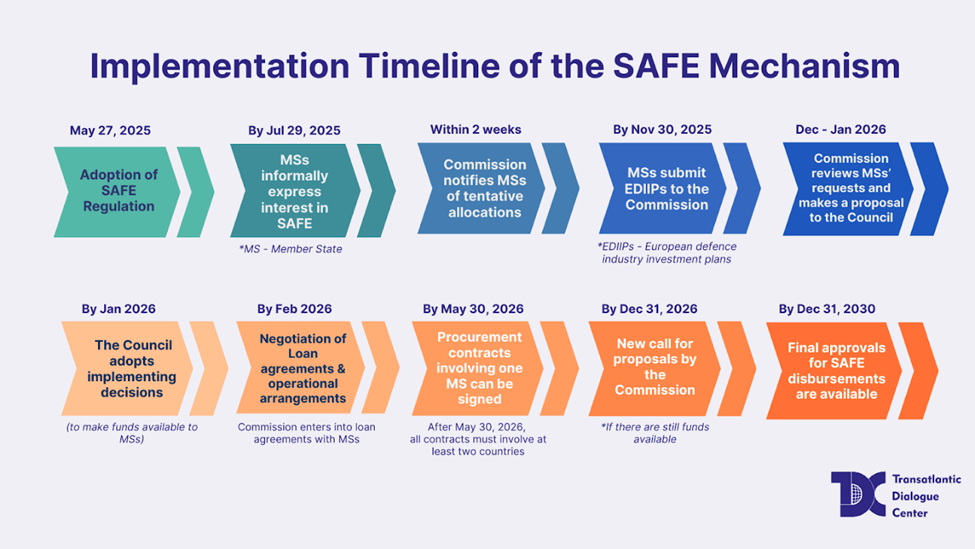
حددت المفوضية الأوروبية جدولاً زمنياً للدول الأعضاء لتصبح متلقية للتمويل في إطار آلية SAFE:
لضمان فعالية آلية SAFE، وضعت المفوضية الأوروبية عدة متطلبات أساسية يتعين على متلقي التمويل الامتثال لها.
1. المشتريات المشتركة
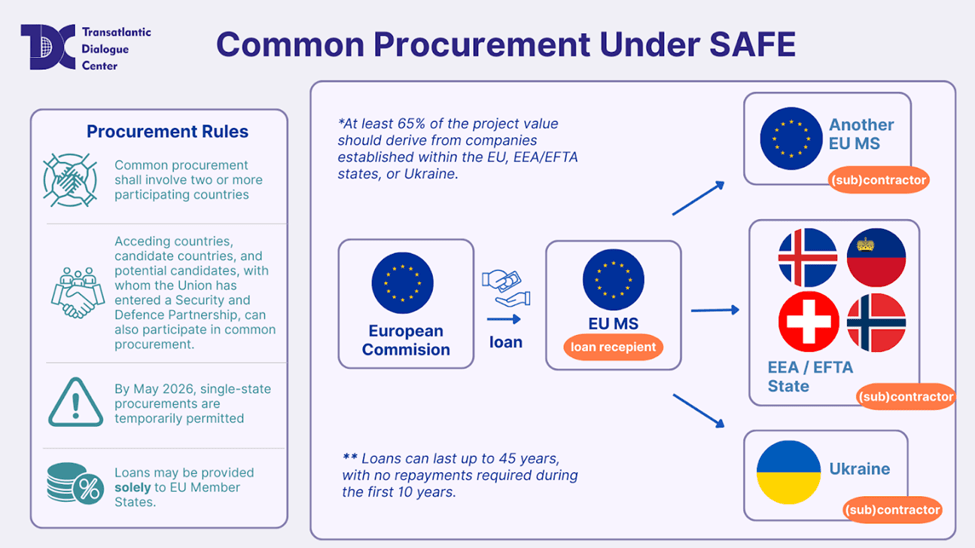
ينبغي أن تضم المشاريع عادةً مشاركين اثنين على الأقل (مثل دولتين عضوين، أو دولة عضو وبلد من المنطقة الاقتصادية الأوروبية/الرابطة الأوروبية للتجارة الحرة أو أوكرانيا، أو دولة عضو ودول ثالثة أخرى*). وكاستثناء من القاعدة، يُسمح مؤقتاً بالمشتريات التي تجريها دولة واحدة خلال مرحلة أولية.
2. قاعدة «اشترِ أوروبياً»
ما لا يقل عن 65% من قيمة المشروع ينبغي أن يأتي من شركات منشأة داخل الاتحاد الأوروبي أو دول المنطقة الاقتصادية الأوروبية/الرابطة الأوروبية للتجارة الحرة أو أوكرانيا. ويجوز أن تأتي نسبة بحد أقصى 35% من التكلفة التقديرية لمكونات المنتج النهائي من مورّدين خارجيين أو متعاقدين من الباطن من دول ثالثة (مثل الولايات المتحدة).
3. الحصول على القروض
تتوافر القروض بشروط ميسرة للغاية: يمكن أن تمتد حتى 45 عاماً، من دون اشتراط سداد خلال السنوات العشر الأولى. وإضافةً إلى ذلك، يمكن صرف ما يصل إلى 15% من الأموال مقدماً لمساعدة المشاريع على الانطلاق.
ومن الجدير بالملاحظة أن القروض قد تُمنح لـ الدول الأعضاء في الاتحاد الأوروبي حصراً. وإذا شاركت دولة ثالثة، مثل أوكرانيا، في المشتريات المشتركة، فسيُصرف التمويل إلى الدولة العضو المشاركة. واستناداً إلى خطة الاستثمار في الصناعة الدفاعية الأوروبية، ستخصص الدولة العضو المعنية التمويل بين الأنشطة المعتمدة.
تمثل أداة SAFE خطوة عملية نحو تعزيز القدرات الدفاعية للاتحاد الأوروبي استجابةً للتهديدات الجيوسياسية المتنامية. وتكمن ميزتها الأساسية في هدفها تعزيز المشتريات المشتركة، بما يهدف إلى تعزيز تعاون أكبر بين صناعات الدول الأعضاء وتقليل التجزؤ في سوق الدفاع في الاتحاد الأوروبي. ومن خلال إلزام توجيه 65% من الإنفاق إلى الإنتاج القائم في الاتحاد الأوروبي، يسعى SAFE إلى تعزيز القاعدة الصناعية الدفاعية الأوروبية، مع تبني نهج أوروبي شامل—بدلاً من نهج يقتصر حصراً على الاتحاد الأوروبي—بإتاحة مشاركة دول ثالثة مثل أوكرانيا، وأعضاء EEA/EFTA، والدول المنضمة والمرشحة والمرشحة المحتملة.
رغم أهداف الاتحاد الأوروبي الطموحة في إطار SAFE، لا يزال نطاقه الإجمالي متواضعاً. وبينما يشير مسؤولو المفوضية إلى أن حجم SAFE (€150 مليار) يعادل أكثر من نصف الإنفاق الدفاعي السنوي للدول الأعضاء في الاتحاد الأوروبي، فإن هذا الرقم يبدو متواضعاً مقارنة بأهدافه. وإن تقليل الاعتماد على الولايات المتحدة—كما تتصور لائحة SAFE—يتطلب، وفق بعض التقديرات، ما يقارب $1 تريليون. وعلى مدى عقود، ظل الاتحاد الأوروبي يعتمد بدرجة كبيرة على الولايات المتحدة في النقل الجوي الاستراتيجي، والاتصالات عبر الأقمار الصناعية، والتزود بالوقود جواً، إذ إن 78% من مشتريات الدفاع الأوروبية في 2022–2023 أُنفقت على منتجات غير أوروبية. ولا يستطيع SAFE وحده تغطية هذه النفقات، ولا تزال به عدة قيود بلا حل.
نظراً إلى أن SAFE صُمم لسد فجوات القدرات الحرجة بسرعة، فإنه يعمل كتسهيل ائتماني قد لا يجذب جميع البلدان. أولاً، تُحتسب القروض ضمن الدين الوطني، وقد تواجه الدول الأعضاء ذات الحيز المالي المحدود صعوبة في استخدام SAFE بفاعلية. وبعبارات بسيطة، يشير الحيز المالي إلى قدرة الحكومة على تحمل ديون إضافية من دون تعريض الاستقرار المالي للخطر.
لا تتمتع جميع دول الاتحاد الأوروبي بالموقع نفسه في هذا الصدد: فالدول ذات مستويات الدين الأعلى لديها حيز مالي أقل، والعكس صحيح. فعلى سبيل المثال، تتحمل فرنسا حالياً أحد أكبر عجوزات الموازنة (-5,8%) في الاتحاد الأوروبي وديناً عاماً مرتفعاً إلى حد ما (نحو 113%)، لكنها تهدف إلى زيادة الإنفاق الدفاعي إلى 3–3.5% من الناتج المحلي الإجمالي. وحتى يوليو 2025، كانت فرنسا قد أبدت اهتماماً بقروض SAFE، وإن كان ذلك على الأرجح بمبلغ متواضع.
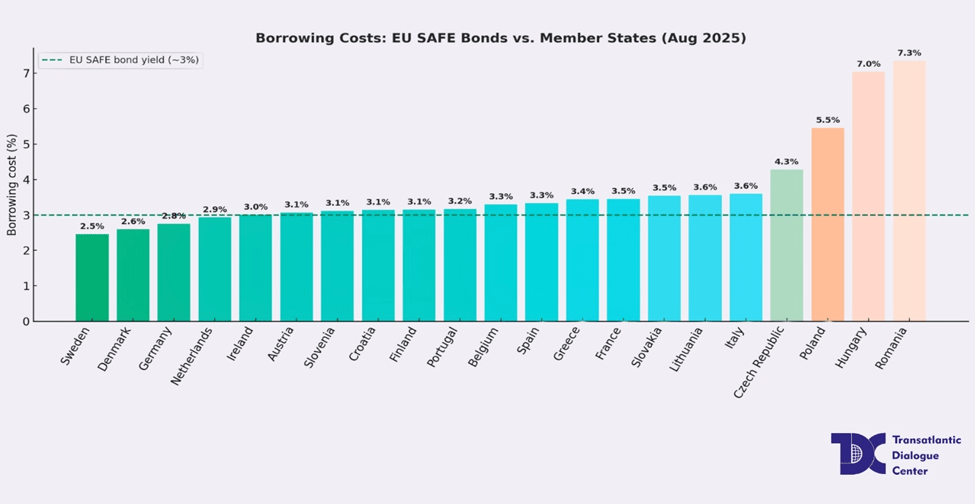
إضافة إلى ذلك، لا يكون الاقتراض بأسعار الفائدة لدى الاتحاد الأوروبي جذاباً لجميع الدول الأعضاء. يتيح SAFE في جوهره للاتحاد الأوروبي جمع ما يصل إلى €150 مليار في أسواق المال وإقراضها مجدداً للدول الأعضاء بأسعار فائدة منخفضة نسبياً. ومع عوائد سندات الاتحاد الأوروبي البالغة نحو 3%، يُتوقع أن تحمل قروض SAFE معدل فائدة مماثلاً. ويمثل ذلك ميزة كبيرة للبلدان ذات تكاليف الاقتراض الأعلى—مثل رومانيا (7%) وبولندا (5.4%) والجمهورية التشيكية (4.3%)—التي يُتوقع أن تستفيد من الحصول على تمويل أقل كلفة على مستوى الاتحاد الأوروبي.
لكن الفارق بين تكاليف الاقتراض لدى الاتحاد الأوروبي وعلى المستوى الوطني صغير نسبياً لدى كثير من الدول الأعضاء. ولا تملك البلدان الأثرى ذات التصنيفات الائتمانية القوية (AAA)—مثل ألمانيا (2.6%) وهولندا (2.8%) والسويد (2.4%) والدنمارك (2.5%)—حافزاً كبيراً لاستخدام SAFE، إذ إن تكاليف اقتراضها الخاصة أقل من تكاليف الاتحاد الأوروبي. ومع ذلك، تبقى المفاجآت ممكنة؛ فعلى سبيل المثال، صرحت الدنمارك علناً في يوليو بأنها لا تخطط لاستخدام قروض SAFE، مفضلة تمويل استثماراتها الدفاعية بصورة مستقلة. إلا أنها في سبتمبر أصبحت آخر دولة عضو في الاتحاد الأوروبي تبدي اهتماماً بتلقي قروض SAFE. وأفادت تقارير بأن إمكان دعم أوكرانيا عبر SAFE دفع البلد إلى هذا القرار.
في 1 سبتمبر 2025، كانت تسع عشرة دولة عضواً في الاتحاد الأوروبي قد أعربت عن اهتمامها بالحصول على قروض تبلغ قيمتها الإجمالية €150 مليار. وتشمل هذه الدول بلجيكا وبلغاريا والجمهورية التشيكية والدنمارك وإستونيا واليونان وإسبانيا وفرنسا وكرواتيا وإيطاليا وقبرص ولاتفيا وليتوانيا والمجر وبولندا والبرتغال ورومانيا وسلوفاكيا وفنلندا والدنمارك.
وبينما تبدو بعض الدول الأعضاء ملتزمة حقاً بتعزيز وضعها الدفاعي—فقد أعدت بولندا، على سبيل المثال، مشروعاتتبلغ قيمتها قرابة €45 مليار—قد تستخدم دول أخرى SAFE بصورة رمزية أكثر، في إشارة إلى دعمها لأهداف الاتحاد الأوروبي الدفاعية من دون انخراط كبير. فعلى سبيل المثال، أبدت إيطاليا اهتماماً بمبلغ€14 مليار، فيماتسعى اليونان إلى€1.27 مليار. ومن المتوقع تقديم طلبات التمويل النهائية وخططالاستثمار في الصناعة الدفاعية الأوروبيةالمفصلة في نوفمبر،لكن طريقة اختيار الدول لإنفاق الأموال—بصورة تعاونية أم مستقلة—قد تكون أهم من حجم ما سيُنفق.
سوق الدفاع في الاتحاد الأوروبي لا يزال شديد التجزؤ، إذ تُجرى المشتريات عادة على المستوى الوطني وغالباً ما تفضّل الصناعات المحلية. ويؤدي ذلك إلى ضياع فرص تحقيق التآزر ووفورات الحجم، ويزيده تفاقماً التنوع المفرط في المنصات بين الدول الأعضاء وغياب لوائح تصدير موحّدة في الاتحاد الأوروبي.
لا يمكن تحقيق أهداف SAFE—المشتريات المشتركة، وتقليل تجزؤ السوق، وتحسين قابلية التشغيل البيني—إلا إذا تصرفت الدول بوحدة وإرادة سياسية بدلاً من التنافس على الأموال. وقد يؤدي انعدام الثقة المتبادل بسهولة إلى تغلّب المصالح الوطنية على المبادرات المشتركة، بما يقوض غرض البرنامج.
في هذا السياق،من غير المرجح أن يعالج SAFE الحمائية الوطنية بفاعلية، رغم نيته التعاونية. وبموجب القواعد الحالية، تتطلب قروض SAFE طلبات من دولتين عضوين على الأقل، لكن خلال السنة الأولى، وحتى مايو 2026، يجوز للدول الأعضاء المنفردة أيضاًالتقدم بطلب بصورة مستقلة. وإضافة إلى ذلك، وبناءً على طلب بعض الدول الأعضاء، فإن المفوضيةسمحتبتمويل برامج دفاعية قائمة في إطار SAFE.
قد لا توفر هذه الشروط حوافز كافية لتعاون واسع، وقد تستخدم الدول الأعضاء SAFE بدلاً من ذلك أساساً لتعزيز صناعاتها الخاصة. ويظهر هذا الاتجاه بالفعل في الطلبات الأولية المقدمة حتى يوليو 2025، إذ يُفاد بأن الدول الأعضاء طرحت مقترحات منفردة تعطي الأولوية للصناعات المحلية. فعلى سبيل المثال، يقول مسؤولون بولنديون إن وارسو ستستخدم التمويل على الأرجح لدعم معدات مُنتَجة محلياً—مثل الطائرات المسيّرة وأنظمة مكافحة المسيّرات في إطار مبادرة «الدرع الشرقي»، وذخيرة المدفعية، ومدافع الهاوتزر ذاتية الحركة Krab، ومركبات Rosomak، وشاحنات الخدمات اللوجستية Jelcz.
إذا قدمت معظم الدول التسع عشرة الطالبة مقترحات منفردة، فستستنفد SAFE تقريباً، محولةً أداة خُصصت للمشتريات المشتركة إلى أداة للتمويل الفردي.
بهذه الطريقة، يواجه SAFE خطر الإخفاق في تحقيق هدفه المتمثل في تعزيز المشتريات المشتركة وتقليل التجزؤ في سوق الدفاع في الاتحاد الأوروبي. ولا يزال من الممكن أن تخفف المفوضية هذا الخطر، إذ تتخذ القرار النهائي بشأن تخصيص الأموال؛ غير أن معايير هذه القرارات والهيئة المحددة المسؤولة داخل المفوضية، إلى جانب خبرتها، تظل غير واضحة.
في ضوء ما سبق، لا ينبغي اعتبار SAFE حلاً مستداماً طويل الأجل للأمن الأوروبي. فاللائحة ذاتها التي أنشأت SAFE تعرّفه بأنه أداة مؤقتة مخصصة للظروف الاستثنائية، مكمّلة لمبادرات الاتحاد الأوروبي القائمة مثل صندوق الدفاع الأوروبي (EDF). وليست هذه المرة الأولى التي يستخدم فيها الاتحاد الأوروبي المادة 122 من معاهدة عمل الاتحاد الأوروبي (TFEU) لتقديم مساعدة مالية طارئة. وخلال جائحة كوفيد-19، أطلق الاتحاد الأوروبي أداة SURE على الأساس القانوني ذاته لدعم العمالة.
لكن قطاع الدفاع والأمن يختلف اختلافاً جوهرياً عن مجالات مثل البطالة: فلا يمكن التعامل مع الإنفاق الدفاعي بوصفه خروجاً مؤقتاً عن القواعد المالية. وهذا يجعل الطبيعة القصيرة الأجل لـSAFE قيدها الأساسي. وبالنسبة إلى شركات الدفاع على جانبي الأطلسي، لا تتمثل العقبة الرئيسة أمام توسيع الإنتاج في نقص التمويل في حد ذاته، بل في غياب الطلبيات الحكومية طويلة الأجل. فالدفاع يتطلب استثماراً متسقاً وطويل الأجل بدلاً من تمويل طارئ لمرة واحدة.
للبناء على أسس SAFE ومعالجة قيوده، سيحتاج الاتحاد الأوروبي إلى اعتماد آليات تمويل أكثر ديمومة ومركزية لضمان استقلالية استراتيجية دائمة. ومن الأمثلة الآلية الأوروبية للدفاع المقترحة (EDM)، وهي هيئة حكومية دولية من شأنها أن تضفي الطابع المركزي على مشتريات الدفاع الأوروبية وقدراته، مع فرض التعاون عبر تمويل مشترك وقواعد ملزمة.
استراتيجية منسقة ذات ميزانية كبيرة (على سبيل المثال، €500 مليار على مدى خمس سنوات) قد تكون السبيل الوحيد لمعالجة التجزؤ المستمر في سوق الدفاع في الاتحاد الأوروبي. أما اقتراح المفوضية بتخصيص €131 مليار للدفاع في الإطار المالي متعدد السنوات المقبل فمن غير المرجح أن يعالج هذه المسألة.
حتى الآن، ولكي تحقق SAFE أثرها المنشود، ينبغي للدول الأعضاء أن تضطلع بدور استباقي. وقد أنشأ الاتحاد الأوروبي أداة مالية قوية وواعدة، لكن نجاحها يعتمد في نهاية المطاف على مدى فاعلية الدول الأعضاء وطموحها في تنفيذها.
الأحكام الرئيسية لمشاركة أوكرانيا بوصفها دولة ثالثة
يُقال كثيراً إن أوكرانيا تستطيع المشاركة في SAFE على قدم المساواة مع الدول الأعضاء في الاتحاد الأوروبي والاستفادة كثيراً من العملية. غير أن ذلك صحيح جزئياً فقط.
تكمن جدة آلية SAFE في أن منتجي الأسلحة وشركات التكنولوجيا الأوكرانية يستطيعون المشاركة في المشتريات المشتركة بصفتهم متعاقدين أو متعاقدين من الباطن، إلى جانب الشركات القائمة في الاتحاد الأوروبي، ويتلقون التمويل من القرض الذي تحصل عليه دولة عضو في الاتحاد الأوروبي.
ينبغي أن يكون منشأ 65% من مكونات المنتج النهائي إما الدول الأعضاء في الاتحاد الأوروبي أو بلدان EEA/EFTA أو أوكرانيا. وبهذا المعنى، يمكن بالفعل اعتبار أوكرانيا جزءاً من أوروبا. وفي المقابل، تستطيع الدول المنضمة والمرشحة المحتملة وغيرها من الدول المرشحة للاتحاد الأوروبي (التي تُسمى في لائحة SAFE «دولاً ثالثة أخرى») المشاركة أيضاً في SAFE بوصفها متعاقدين من الباطن، ولكن بشروط أشد صرامة. وتُعد مساهماتها ناشئة من «خارج الاتحاد» ولا يمكن أن تشكل سوى ما يصل إلى 35% من المنتج النهائي.
يمكن أيضاً استخدام أراضي أوكرانيا لأغراض التصنيع، إذ تنص لائحة SAFE على أن
«يجب أن تكون البنية التحتية والمرافق والأصول والموارد التابعة للمتعاقدين والمتعاقدين من الباطن المشاركين في المشتريات المشتركة والمستخدمة لأغراض تلك المشتريات المشتركة موجودة في إقليم دولة عضو أو دولة من EEA/EFTA أو أوكرانيا”.
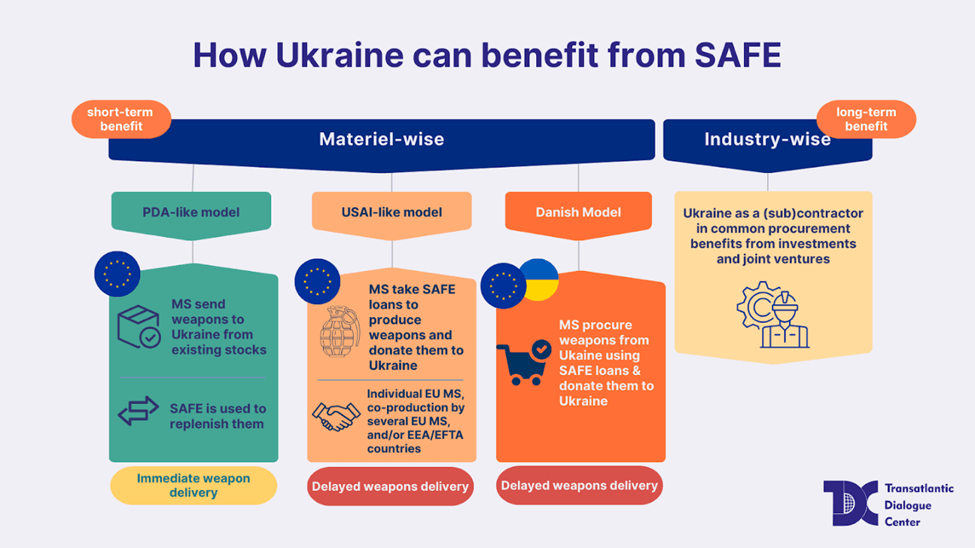
من طرق استفادة أوكرانيا من آلية SAFE أن تُعيَّن متلقيةً للمعدات المقدمة كمساعدات عسكرية. وتتضمن لائحة SAFE بنداً مستقلاً يشجع الدول الأعضاء، عند الاقتضاء، على تضمين وصف لمشاركة أوكرانيا المتوقعة في أنشطتها المخططة ضمن خطط الاستثمار في الصناعة الدفاعية الأوروبية. وفي قرار حديث، أدرج البرلمان الأوروبي بنداً يشجع الدول الأعضاء على تخصيص جزء كبير من خطط الاستثمار في الصناعة الدفاعية الأوروبية للمساعدة المقدمة إلى أوكرانيا. وتبدو عدة سيناريوهات ممكنة في إطار أحكام SAFE:
من الناحية المثالية، وإلى جانب تعزيز المشتريات المشتركة، كان المقصود من الأداة المالية SAFE أيضاً تشجيع الدول الأعضاء على زيادة دعمها العسكري لأوكرانيا. وتتمثل الفكرة الأساسية في تقديم دعم مالي للدول الأعضاء في الاتحاد الأوروبي لشراء معدات عسكرية جديدة لأنفسها، بما يمكّنها من توفير معدات من المخزونات القائمة لأوكرانيا. ومن شأن ذلك أن يحقق نتائج سريعة لأوكرانيا، مع ضمان حصول الدول الأعضاء على تعويضٍ مضمون لمخزوناتها (آلية شبيهة بسلطة السحب الرئاسية الأميركية (PDA)). غير أن الكثير سيتوقف على القرارات السياسية والأولويات الوطنية لكل دولة عضو، وكذلك على وتيرة تنفيذ SAFE.
على غرار المخطط السابق، قد تُعيَّن أوكرانيا متلقياً محتملاً لمعدات عسكرية تشتريها الدول الأعضاء في إطار الأداة المالية SAFE. غير أن هذا السيناريو سيؤخر دعم أوكرانيا، إذ إن إجراءات الشراء وإنشاء خطوط إنتاج جديدة يستغرقان وقتاً (آلية شبيهة بمبادرة المساعدة الأمنية الأميركية لأوكرانيا (USAI)).
تكمن المشكلة الرئيسية في الحوافز التي تدفع الدول الأعضاء إلى التبرع لأوكرانيا بالمعدات المنتجة حديثاً بدلاً من تجديد مخزوناتها الخاصة. وكحلٍّ ممكن، تستطيع أوكرانيا التواصل مع الدول الأعضاء التي قدمت سابقاً معدات أساسية لا تزال أوكرانيا تحتاج إليها، لتشجيعها على توريد وحدات إضافية من الأنظمة ذاتها، على أن يُموَّل ذلك هذه المرة عبر الأداة المالية SAFE.
ضمن هذا السيناريو، ستستفيد أوكرانيا من التصنيع المحلي للمعدات الدفاعية بالتعاون مع شركات من الاتحاد الأوروبي تعمل على الأراضي الأوكرانية. يشبه هذا النهج بعض عناصر «النموذج الدنماركي»، الذي يتيح للدول المهتمة تمويل الصناعة الدفاعية الأوكرانية والتبرع بالمعدات المنتجة لأوكرانيا. وبقيادة الدنمارك، أصبح «النموذج الدنماركي» أول آلية تتضمن شراءً مباشراً من مصنّعي الدفاع الأوكرانيين. ويمكن أن يشكل هذا النموذج مخططاً يُحتذى به للمشتريات المموّلة من SAFE, يشمل شركات الدفاع والتكنولوجيا الأوكرانية ومنشآتها في أوكرانيا.
غير أن الفارق الأساسي في إطار SAFE يتمثل في وجوب مشاركة الدول الأعضاء في الاتحاد الأوروبي بصفتها متلقيةً للقروض. ومن الناحية الفنية، يمكن لدولة عضو في الاتحاد الأوروبي صرف التمويل لشركة أوروبية تنتج بالاشتراك مع شركة أوكرانية مستخدمةً منشآت الأخيرة على الأراضي الأوكرانية. وبدلاً من ذلك، يمكن لدولة عضو في الاتحاد الأوروبي تتلقى قرضاً أن تشتري أسلحة من شركة أوكرانية تتصرف متعاقداً وحيداً، ثم تتبرع بها لأوكرانيا. وفي هذه الحالة، لا ينطبق حظر التصدير الأوكراني.
على المدى القصير، سيجمع تمويل SAFE بين الشراء السريع والحلول التي أثبتت فاعليتها في الحرب لتلبية احتياجات أوكرانيا الحالية. ونظراً إلى أن كثيراً من الصناعات الأوكرانية تستورد مكونات من الاتحاد الأوروبي، فستفيد الاستثمارات الصناعة الأوروبية أيضاً، إذ تتيح للشركاء اختيار متعاقدين أوكرانيين موثوقين وضمان أمن سلسلة الإمداد.
على المدى الطويل، ومع تعيين أوكرانيا متعاقداً أو متعاقداً من الباطن للدولة العضو في الاتحاد الأوروبي التي تتلقى قرض SAFE، لن يستفيد الجيش الأوكراني من SAFE بوصفه متلقياً للمعدات فحسب، بل ستستفيد الصناعات الأوكرانية أيضاً بوصفها مستفيدة من استثمارات طويلة الأجل ومشروعات مشتركة مع شركاء أوروبيين.
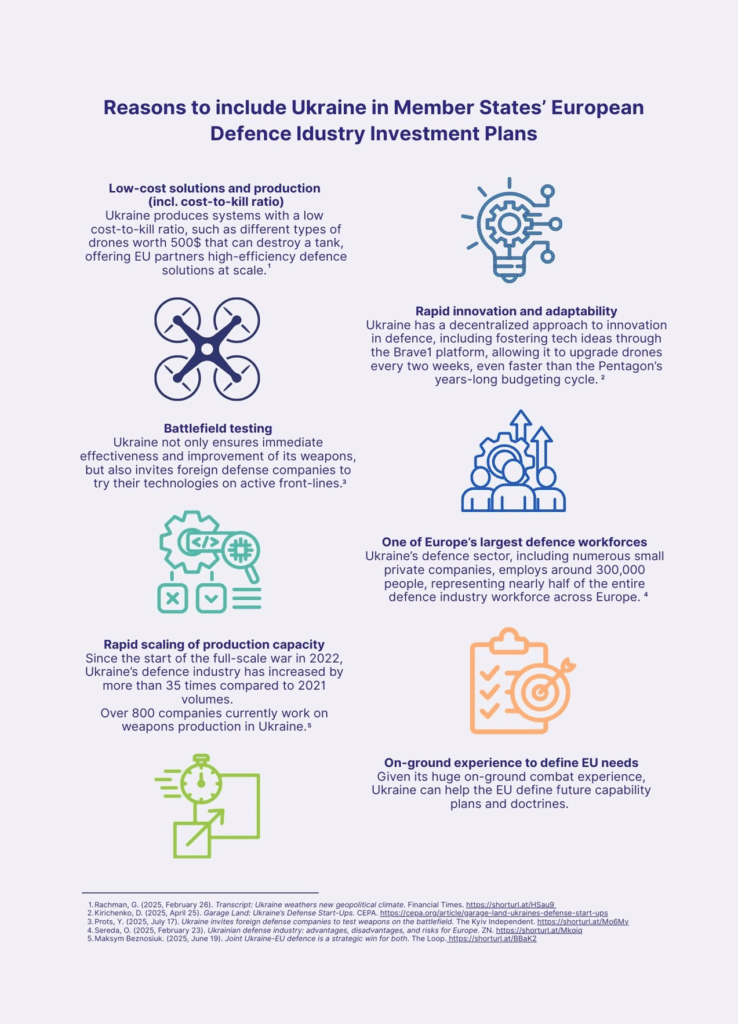
تُعد الصناعة الدفاعية الأوكرانية من أكثر الصناعات نمواً وتوسعاً في العالم. ومنذ بداية الغزو الروسي الشامل، زادت أوكرانيا طاقتها الإنتاجية بمقدار خمسة وثلاثين ضعفاً: من $1 مليار في 2022 إلى $35 مليار في 2025. غير أن أوكرانيا في 2024 لم تتمكن إلا من تأمين نحو $10 مليارات من التمويل. ويمكن للاستثمارات الممولة من SAFE أن تطلق مزيداً من إمكانات الصناعات الأوكرانية عبر توسيع خطوط إنتاجها، وتسريع جداول التسليم، وزيادة حجم المشروعات الابتكارية التي اختُبرت بالفعل في القتال.
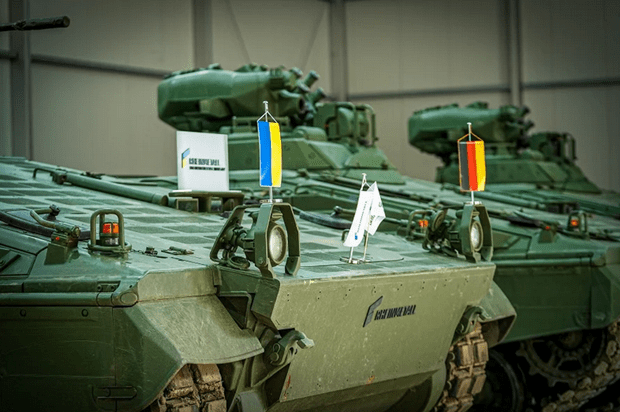
إضافة إلى ذلك، فإن السماح للشركات الأوكرانية بالمشاركة في المشروعات المشتركة يمثل تحولاً إيجابياً في النهج، إذ يمنح الصناعة الدفاعية الأوكرانية وصولاً جزئياً على الأقل إلى التعاون مع الشركات الأوروبية. وهذه خطوة مهمة نحو مزيد من دمج منتجي الأسلحة الأوكرانيين في المنظومة الدفاعية الأوروبية، بما يساعد على تعزيز التوحيد القياسي وقابلية التشغيل البيني وتحسين كفاءة التكلفة. وحتى أواخر 2024، أنشأت أوكرانيا خمسة مشروعات مشتركة مع شركات غربية لتصنيع الأسلحة، بما فيها شركات من ألمانيا وليتوانيا. وإضافة إلى ذلك، بدأت شركات أوروبية مثل Rheinmetall الألمانية في بناء منشآت إنتاج في أوكرانيا، في حين تتعاون BAE Systems البريطانية مع شركات محلية لصيانة معداتها وإدامتها. وتخطط الشركة الفرنسية-الألمانية KNDS لتعاون مماثل، كما أن Czechoslovak Group تعمل على إنشاء مصانع للذخيرة في البلد. ويمكن أن توفر SAFE دفعة مهمة أخرى في هذا الاتجاه.
لا تزال تساؤلات قائمة بشأن الفرص الحقيقية المتاحة لأوكرانيا للمشاركة. فعلى الرغم من الهدف المعلن لـSAFE المتمثل في إنشاء آلية إضافية لتعزيز دعم أوكرانيا، تشير أحكامه الرئيسية وشروط المشاركة فيه إلى أن الفوائد المحتملة لأوكرانيا قد تكون محدودة النطاق.
ومن أبرز الشواغل ما إذا كانت الدول الأعضاء في الاتحاد الأوروبي مستعدة بالفعل لإدراج أوكرانيا في خطط الاستثمار في الصناعة الدفاعية الأوروبية. ونظراً إلى أن أوكرانيا لا تستطيع المشاركة إلا بوصفها أحد المتعاقدين أو المتعاقدين من الباطن، فقد تميل الدول الأعضاء إلى التركيز على تعزيز قدرات منتجي الدفاع المحليين لديها. علاوة على ذلك، فإن مسائل الثقة وغياب الأولويات المشتركة قد تحول دون تخطيط البلدان المهتمة لمشروعات مشتركة مع أوكرانيا، إذ قد يستغرق ذلك وقتاً أطول ويتطلب عمليات إضافية من العناية الواجبة.
ومن جانبها، لا تملك المفوضية أيضاً سوى أدوات محدودة جداً للتأثير في قرارات الدول الأعضاء. وفي الوقت نفسه، تواجه أوكرانيا خطر تفويت فرصة تحقيق فوائد فعلية من هذه الأداة المالية بسبب ضيق المهلة الزمنية لتقديم الدول الأعضاء خططَ الاستثمار في الصناعة الدفاعية الأوروبية الخاصة بها.
وتوجد تحديات أيضاً من الجانب الأوكراني. ففي حين تسمح لائحة SAFE باستخدام أراضيها للإنتاج المشترك، يتعارض ذلك مع حظر التصدير الذي أقرّته أوكرانيا منذ غزو 2022. ووفقاً لـالتشريع الأوكراني، وتحديداً قانون «بشأن رقابة الدولة على عمليات النقل الدولية للسلع العسكرية والسلع ذات الاستخدام المزدوج»، يُحظر تصدير المواد الدفاعية عموماً ولا يجوز أن يتم إلا بتصريح مناسب من سلطات الدولة المختصة.
لذلك، من الناحية الفنية، ينبغي أن تبقى أي معدات تُصنَّع في أوكرانيا باستخدام تمويل SAFE للاستخدام النهائي داخل البلد، ما لم ترفع الحكومة حظر التصدير.
غير أن ذلك لا ينطبق على الشركات الأوكرانية المسجَّلة في الدول الأعضاء في الاتحاد الأوروبي والتي تمتلك منشآت تصنيع هناك.
إضافة إلى ذلك، الحواجز القانونية المرتبطة بسيطرة الدول الثالثة وقيود الملكية الفكرية في أوكرانيا قد تخلق عقبات إضافية أمام انخراط أوكرانيا في المشتريات المشتركة. وبالتوازي، تفتقر شبكة أوكرانيا الآخذة في الاتساع من مسرّعات البحث والتطوير، ومراكز الابتكار، والجمعيات، إلى آليات قوية بما يكفي لحماية الملكية الفكرية (IP). ومن شأن ضمان بروتوكولات متينة لحماية الملكية الفكرية أن يعزز ثقة المستثمرين، ويتيح نقلاً آمناً للتكنولوجيا، ويسهّل مشاركة أوكرانيا في المبادرات الدفاعية الأوروبية والعالمية.
يشير هذا الإطار إلى أنه لا يوجد ما يضمن إدراج أوكرانيا بصورة منهجية في الاستثمارات المزمع تنفيذها. ومن دون حوافز قوية أو أدوات تنسيق تمنح الأولوية لمشاركة أوكرانيا، ثمة خطر أن تتبع الدول الأعضاء أجندات وطنية بحتة، بما يهمش التعاون مع الجهات الفاعلة في الصناعة الدفاعية الأوكرانية.
في مايو-يونيو 2025، حدّدت وزارة الدفاع الأوكرانية أولويات أوكرانيا لتمويل SAFE وما يمكن أن تقدمه البلاد للاتحاد الأوروبي. وتبدي أوكرانيا اهتماماً خاصاً بالمشتريات المشتركة وإنتاج الفئات التالية من المعدات:
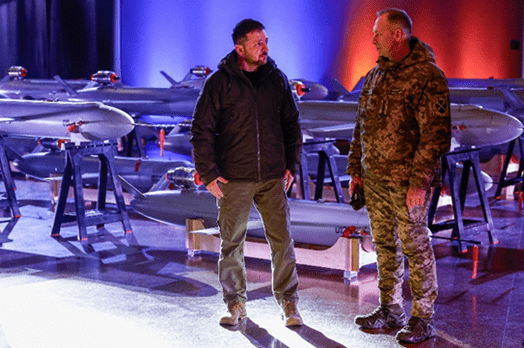
تهتم أوكرانيا بوجه خاص بالمشتريات المشتركة مع بلدان الشمال الأوروبي وألمانيا، التي تمتلك القدرات والاهتمام معاً بدعم أوكرانيا. غير أن قروض SAFE تقدم معدلات فائدة غير جذابة لهذه البلدان. وعلى الرغم من ذلك، تعهدت هولندا والدنمارك والنرويج والسويد وألمانيا، التي تتمتع كل منها باقتصاد قوي، مؤخراً بتقديم $1.5 مليار لشراء أسلحة مصنَّعة في الولايات المتحدة لأوكرانيا عبر مبادرة قائمة متطلبات أوكرانيا ذات الأولوية في حلف الناتو (PURL). كما أشارت أوكرانيا إلى اهتمامها بالعمل مع الموردين الأوروبيين الرئيسيين لأنظمة الدفاع الجوي والذخيرة، مثل فرنسا وإيطاليا.
وبحسب التقارير، قد تكون بلدان منها البرتغال وإسبانيا وفرنسا وبلغاريا وسلوفاكيا مهتمة بإشراك أوكرانيا في خططها للاستثمار في الصناعة الدفاعية الأوروبية. وبين الدول الأعضاء المهتمة بالحصول على قروض SAFE، يوجد حماس كبير للتعاون مع أوكرانيا في تطوير المركبات الجوية غير المأهولة ونشرها وتبادل التكنولوجيا بشأنها. كرواتيا ولاتفيا ناقشتا بالفعل مع الرئيس زيلينسكي ورئيس الوزراء السابق شميهال تخصيص تمويل SAFE لاحتياجات أوكرانيا.
تعرض دراسات الحالة التالية سيناريوهات ممكنة يمكن فيها استخدام قروض SAFE لدعم الإنتاج الدفاعي المشترك بين الاتحاد الأوروبي وأوكرانيا.
يمكن الاستفادة من حاجة أوكرانيا المستمرة إلى الذخيرة لتوضيح كيفية عمل نموذج الشراء في SAFE عملياً.
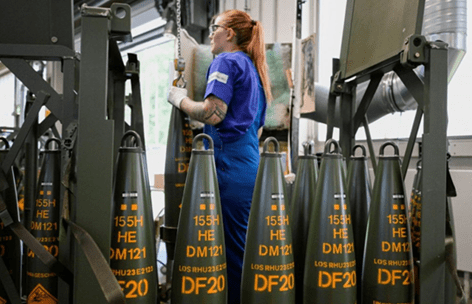
وفقاً لـالورقة البيضاء للاتحاد الأوروبي، التزم الاتحاد بتسليم ما لا يقل عن مليوني طلقة من ذخيرة المدفعية كبيرة العيار سنوياً. وكانت الجمهورية التشيكية، التي أبدت اهتمامها بالحصول على قروض SAFE، من الموردين الرئيسيين لقذائف المدفعية عيار 155 mm إلى أوكرانيا. ومن الجدير بالذكر أن Czechoslovak Group (CSG) أعلنت في أكتوبر 2024 إبرام اتفاق مع Ukrainian arms لإنتاج ذخيرة مدفعية محلياً في أوكرانيا. ووفقاً للبيان الصحفي لـCSG، ستنتج CSG وUkrainska Bronetechnika 100,000 قذيفة مدفعية في 2025، على أن يرتفع الإنتاج إلى أكثر من 300,000 سنوياً اعتباراً من 2026. يهدف الإنتاج في كل من الجمهورية التشيكية وأوكرانيا إلى زيادة الإمداد للجيش الأوكراني وخفض التكاليف.
ونظراً إلى أن المشروعات القائمة يمكنها أيضاً تلقي التمويل في إطار آلية SAFE، فإن CSG وUkrainska Bronetechnika قد يطلبان تمويلاً من SAFE لتوسيع قدراتهما التصنيعية في أوكرانيا، وخفض التكاليف أكثر، وتزويد أوكرانيا بمعدات بالغة الأهمية. وفي هذه الحالة، يمكن لشركة Ukrainska Bronetechnika أن تعمل متعاقداً من الباطن، بحيث تُستخدم مرافقها القائمة في أوكرانيا للإنتاج المحلي وتوريد إضافي إلى القوات المسلحة الأوكرانية.
2. إستونيا وأوكرانيا: إمكانات تمويل SAFE لتحالف USHORAD الأوروبي-الأوكراني
في مايو 2025، أنشأت أوكرانيا وإستونيا Air Defence Tech Alliance for Ukraineبهدف
“سدّ فجوات القدرات الحرجة في الدفاع الجوي فائق القِصر المدى (USHORAD)، وإقامة شراكة صناعية دفاعية أوروبية-أوكرانية قادرة على الابتكار السريع والإنتاج القابل للتوسّع. ”
في إطار هذا التعاون، DefSecIntel Solutions (إستونيا)، وشركاء الصناعة الدفاعية الأوكرانية (Gauss Glide وDrone space labs وLLC Proinvest وVk Systems وEW Spectrum)، وWeibel Scientific (الدنمارك) اتفقوا على دمج تكنولوجيا الرادار الخاصة بـ Weibel مع أنظمة DefSecIntel للدفاع الجوي فائق القِصر المدى (USHORAD) ووسائط الاعتراض الأوكرانية، في منصات دفاعية مؤتمتة بالكامل وقابلة للتوسّع. وتمثّل مبادرة من هذا النوع خطوة نحو تطوير حلول مشتركة تلبّي حاجة أوكرانيا الحالية إلى أنظمة مكافحة المسيّرات، وتدعم مبادرات أوروبية أوسع، مثل جدار المسيّرات في منطقة البلطيق.
عند تقييم معايير الأهلية، يلبّي هذا المشروع متطلباً رئيسياً لآلية SAFE. وهو يمثّل نموذجاً رائداً محتملاً للتعاون الدفاعي العابر للحدود بين الاتحاد الأوروبي وأوكرانيا ذا صلة مباشرة بساحة المعركة، ويحقق فوائد صناعية قابلة للتوسّع لاحتياجات أوروبا الأمنية الخاصة. وبناءً عليه، فهو مرشح قوي للحصول المحتمل على تمويل بموجب SAFE.
للدول الأعضاء في الاتحاد الأوروبي:
لأوكرانيا:
تُرجم هذا النص تلقائيًا من الأصل باللغة الإنجليزية، الذي يظل متاحًا عند تغيير لغة الموقع إلى الإنجليزية.