

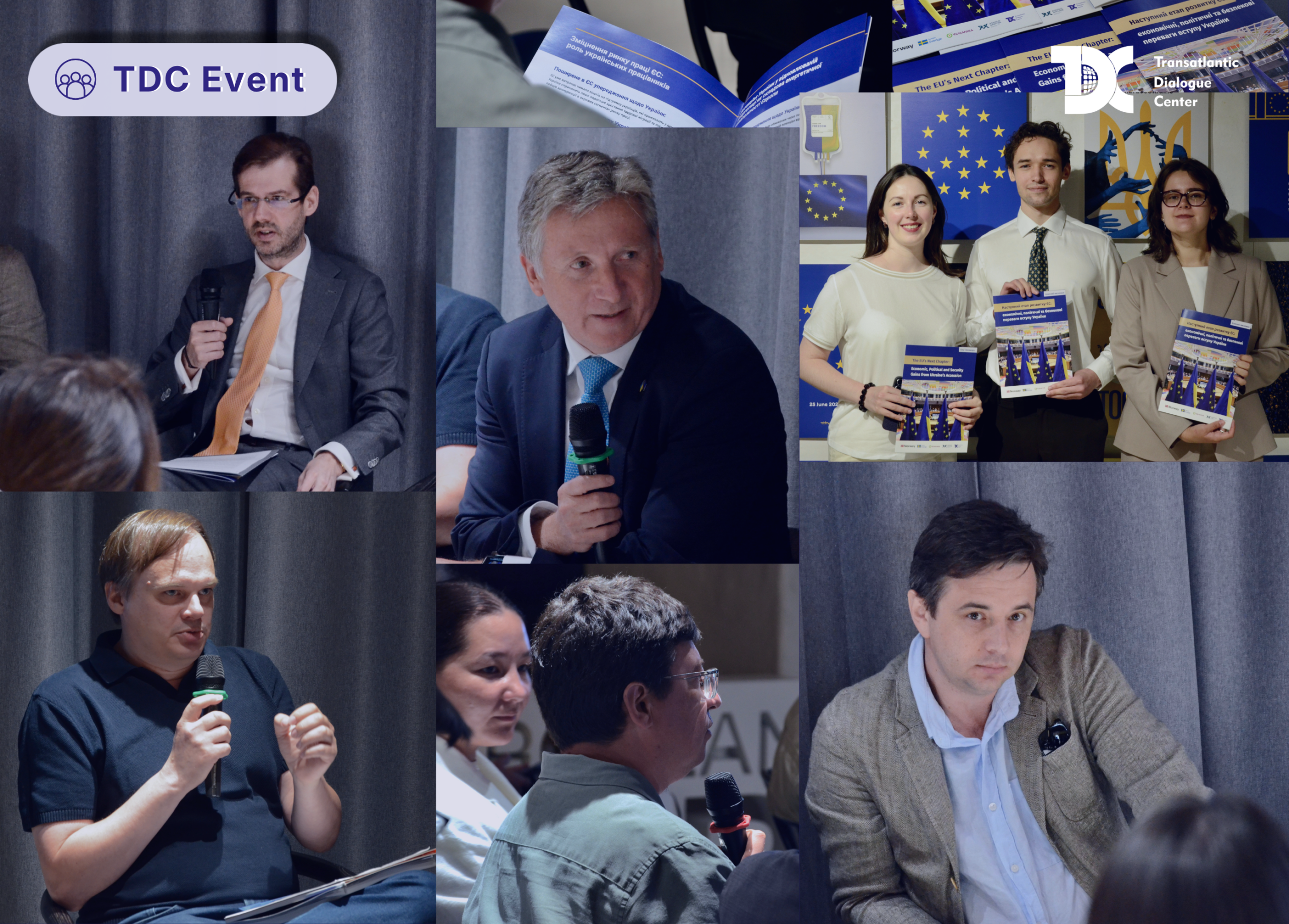
Il 22 luglio, il Transatlantic Dialogue Center (TDC) ha tenuto una tavola rotonda, «Cambiare la narrazione: cosa guadagna l'UE dall'adesione dell'Ucraina», in collaborazione con EuroHUB. L'evento ha riunito funzionari governativi, analisti delle politiche pubbliche ed esperti della società civile per riformulare il dibattito sull'allargamento, ponendo al centro le opportunità strategiche e i benefici a lungo termine che l'adesione dell'Ucraina offre all'Unione europea.
Durante l'evento, TDC ha presentato la sua più recente ricerca, «Il prossimo capitolo dell'UE: vantaggi economici, politici e in materia di sicurezza derivanti dall'adesione dell'Ucraina», che esamina come l'adesione dell'Ucraina potrebbe rafforzare l'UE nei settori della difesa, della tecnologia, dell'agricoltura e dell'energia.
Alla tavola rotonda sono intervenuti Rostyslav Ohryzko, vice segretario di Stato del Gabinetto dei ministri dell'Ucraina; Jarosław Timofiejuk, capo della Sezione politica della Delegazione dell'UE in Ucraina; Leonid Litra, ricercatore senior presso il New Europe Center e senior fellow presso ECFR; e Dmytro Shulga, direttore del programma «Europa e il mondo» presso l'International Renaissance Foundation. La discussione è stata moderata da Marianna Fakhurdinova, coordinatrice del Programma di partenariato UE–Ucraina presso TDC e fellow del CEPA.
La discussione si è concentrata su come riformulare la narrazione sull'allargamento, spostando l'attenzione dai costi percepiti ai vantaggi concreti nei singoli settori. Un tema ricorrente era che il dibattito sull'adesione non è più incentrato esclusivamente sulla necessità geostrategica. L'autonomia europea, l'integrazione dell'industria della difesa, le competenze IT e la riforma della PAC fanno ora parte del dibattito, con l'adesione dell'Ucraina considerata un catalizzatore per riforme dell'UE attese da tempo.
I relatori hanno sostenuto che il costo del mancato allargamento resta il vero punto cieco nei dibattiti attuali. I precedenti storici, dalle preoccupazioni legate all'allargamento del 2004 circa il rischio che l'UE diventasse «troppo grande per agire» alla decisione di Bucarest della NATO del 2008, hanno dimostrato più volte che il costo dell'inazione è superiore a quello dell'integrazione.
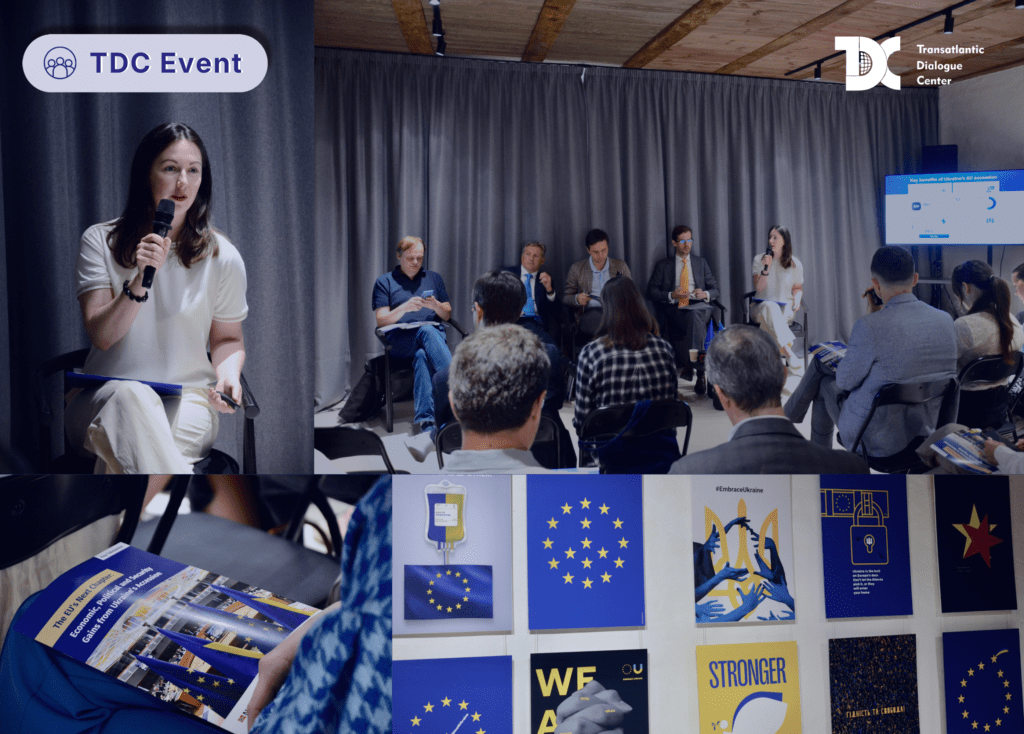
La discussione ha inoltre affrontato i limiti della logica transazionale. Presentare l'adesione come «voi ci accogliete, noi vi difendiamo» è stato ritenuto lesivo della fiducia necessaria per un'appartenenza condivisa. La fiducia, hanno sottolineato i relatori, deve essere costruita prima dell'adesione, non dopo.
In merito alla comunicazione, i partecipanti hanno osservato che esiste un potenziale inutilizzato nel modo in cui l'Ucraina comunica agli Stati membri dell'UE i progressi compiuti nelle riforme e nell'integrazione. La strategia di preadesione della Croazia, che prevedeva l'invio di delegazioni di esperti per presentare direttamente i risultati nelle capitali dell'UE, è stato citato come un modello che l'Ucraina dovrebbe replicare.
Un'ulteriore sfida individuata è stata la diversità dei contesti politici interni nell'UE: 27 contesti distinti influenzano le posizioni degli Stati membri e un approccio indifferenziato all'advocacy non sarà efficace. La raccomandazione emersa dalla discussione è stata chiara: invitare gli interlocutori dell'UE a un dialogo sincero, affrontare direttamente le loro preoccupazioni e associare a ciascuna di esse un vantaggio concreto e specifico per il settore interessato.
Messaggio chiave: La discussione ha sottolineato che l'allargamento non è un atto di carità verso l'Ucraina, bensì un investimento dell'UE nella propria competitività economica, nella propria resilienza sul piano della sicurezza e nel proprio rinnovamento istituzionale. Più questa decisione viene rinviata, più aumenta il costo dell'inazione.
TDC extends its gratitude to the speakers for a substantive and forward-looking discussion. A recording of the full event is available qui.
Il rapporto è prodotto dal Transatlantic Dialogue Center con il sostegno dell’Askold and Dir Fund nell’ambito del progetto Strong Civil Society of Ukraine – a Driver towards Reforms and Democracy, attuato da ISAR Ednannia e finanziato da Norvegia e Svezia. I contenuti di questa pubblicazione sono di esclusiva responsabilità del Transatlantic Dialogue Center e non possono in alcun modo essere considerati espressione delle opinioni del Governo della Norvegia, del Governo della Svezia e di ISAR Ednannia.
Questo testo è stato tradotto automaticamente dall’originale inglese, che resta disponibile selezionando l’inglese come lingua del sito.