
 17 хв читання
Станом на 16 січня 2026 року понад 5.3 мільйона українських біженців залишаються в Європі. За чотири роки вимушеного переміщення більшість українців працездатного віку вийшли на ринок праці, однак неповна зайнятість, нестабільні житлові умови та обмежений доступ до соціального захисту залишаються поширеними проблемами. Тривала невизначеність, розлука з родиною та травматичний досвід і далі заважають біженцям налагодити стабільне життя за кордоном.
Водночас механізми підтримки в країнах перебування поступово згортаються. Соціальні виплати та безоплатне житло дедалі частіше обмежують або ставлять у залежність від працевлаштування, а санкції за безробіття посилюються. Доступ до житла став однією з найгостріших проблем, особливо для вразливих домогосподарств, що підвищує ризики експлуатації та змушує деяких біженців замислюватися про передчасне повернення до України, попри триваючу війну й обмежені можливості для реінтеграції.
Вирішальні зміни відбудуться після 4 березня 2027 року, коли завершиться дія механізму тимчасового захисту ЄС. Після цієї дати українці більше не матимуть автоматичного права на проживання й повинні будуть або отримати національну посвідку на проживання відповідно до внутрішніх правил країни, або повернутися до України. Умови легалізації відрізнятимуться залежно від країни та визначатимуться працевлаштуванням, доходом, наявністю житла й рівнем інтеграції, тому стабільне житло стане ключовою передумовою для подальшого перебування в ЄС.
І ЄС, і українська влада дедалі частіше розглядають повернення як поступовий і добровільний процес. Європейські лідери наголошують, що відновлення України є довгостроковим пріоритетом; як заявила прем’єр-міністерка Італії Джорджа Мелоні, відбудова України — це «інвестиція в стійку державу». Водночас рекомендації Ради Європейського Союзу підкреслюють необхідність упорядкованого й гуманного повернення, підтриманого програмами добровільного повернення після завершення дії тимчасового захисту.
У цьому контексті житло постає одним із центральних викликів державної політики України. Без доступних і безпечних житлових рішень усередині країни масштабне повернення залишатиметься нереалістичним. Отже, розв’язання житлової проблеми — це не лише соціальне питання, а й стратегічна передумова для сталої реінтеграції, відновлення ринку праці та відбудови країни.
Щоб люди захотіли й справді повернулися до України, вони мають розуміти, що на них чекає. І одне з найнагальніших питань, яке хвилює всіх, — це житло. Ситуація в житловому секторі України критична. Згідно з П’ятою швидкою оцінкою завданої шкоди та потреб на відновлення (RNDA5), оприлюдненою 23 лютого 2026 року Урядом України, Групою Світового банку, Європейською комісією та ООН:
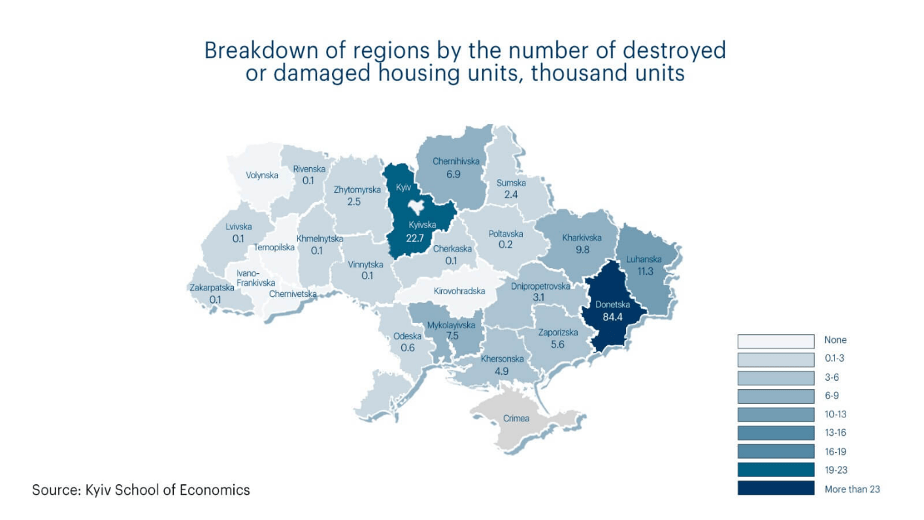
Прямі збитки житловому сектору оцінюють у $61.1 мільярда. Для повного відновлення житлового сектору протягом наступних 10 років потрібно близько $90 мільярдів (RDNA5).
Однак які рішення житлової кризи може запропонувати український уряд? Уряд України намагається пом’якшити цю кризу, зокрема в державному бюджеті на 2026 рік передбачено:
Потреба у $90 мільярдах становить понад 40% довоєнного ВВП України. Жодна країна в історії не відбудовувала самотужки такий обсяг житла під час триваючої війни.
Український уряд усвідомлює, що без повернення мільйонів людей неможливі ані економічне відновлення, ані подолання демографічної кризи.
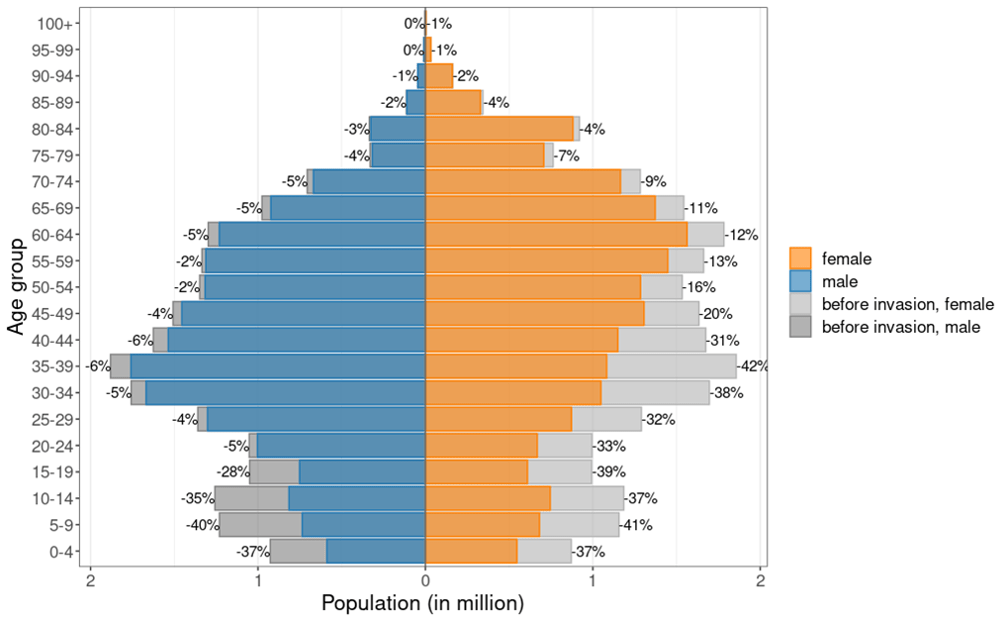
Демографічна криза є надзвичайно гострою проблемою. Згідно зі стратегією та оцінками ООН (UNFPA) на 2025 рік, Україна входить до 30 країн із найстарішим населенням, рівень народжуваності становить ~0.7 – 1.0 (критично нижче за рівень відтворення 2.1), а в демографічній піраміді є «провал» у віковій групі 20-30 років — це покоління, народжене наприкінці 90-х, яке нині є основою для створення сімей, але його представників фізично мало.
Однією з найбільших перешкод для повернення українців, особливо молоді, є брак доступного житла.
21 січня 2026 року Міністерство соціальної політики, сім’ї та єдності провело стратегічну сесію для обговорення «Стратегії збереження зв’язку з українцями за кордоном і сприяння їхньому добровільному поверненню». Ключові напрями стратегії:
Для українців із низькими доходами міжнародні організації (UNHCR, IOM) готують програми — «реінтеграційні виплати» в розмірі до 5,400 UAH на особу протягом кількох місяців. Для української молоді, яка навчається за кордоном, планують спростити процедури визнання іноземних дипломів та оцінок, отриманих у європейських школах, а також розглядають запровадження компенсаційних занять з української мови та історії. Для цієї критично важливої групи населення e-Work розробляють гранти (до 250,000-500,000 UAH), які допоможуть започаткувати власний бізнес, а також Create Ukraine — програму для молодих фахівців (22-35 років), які мають досвід роботи за кордоном.
Сьогодні відбудова України — це перегони між масштабними руйнуваннями та цифровими рішеннями. У межах реагування на житлову кризу Україна вже запустила програму eVidnovlennia [eRestoration], яка передбачає житлові компенсації людям, чиї домівки було пошкоджено або зруйновано. Цю підтримку надають уже зараз, адже багатьом людям просто ніде жити. Програма фінансується переважно міжнародними донорами.
Станом на грудень 2025 року 153,477 сімей отримали компенсацію, а загальна кількість поданих за весь час заявок перевищила 185,111. Комплексні проєкти відбудови реалізують в Ірпені, Бучі, Харкові та Миколаєві. Це означає, що замість однієї зруйнованої багатоповерхівки відбудовують цілий мікрорайон із новими комунікаціями, бомбосховищами та енергоефективними фасадами. Водночас жителі Маріуполя, Бахмута та інших густонаселених окупованих східних територій залишаються в правовій пастці: вони не можуть отримати компенсацію, оскільки комісія фізично не має доступу до руїн, щоб оцінити збитки.
Спостерігачі, зокрема експерти Світового банку, відзначають безпрецедентну прозорість системи завдяки застосунку «Diia», але також наголошують на гострій нестачі будівельних кадрів. Одержувачі сертифікатів визнають, що програма дає реальний шанс на нове життя, хоча через зростання цін на нерухомість компенсації часто вистачає лише на скромніше житло, ніж утрачене. Головним викликом залишається пошук механізму виплат для тих, чиї домівки й досі перебувають за лінією фронту, на основі супутникових знімків.
Україна також запровадила eOselia [житло] — іпотечну програму, нещодавню ініціативу пільгового кредитування, орієнтовану на окремі групи населення, яка допомагає їм придбати доступне житло. Паралельно уряд переобладнує занедбані гуртожитки, лікарні та адміністративні будівлі на повноцінні квартири. Яскравим прикладом такої трансформації став проєкт у Житомирі, де протягом 2024–2025 років занедбану комунальну будівлю за підтримки уряду Німеччини та фонду GIZпереобладнали на сучасне соціальне житло. У межах цієї ревіталізації стару адміністративну будівлю площею понад 3,000 м² перетворили на 45 автономних квартир, повністю обладнаних сантехнікою та індивідуальними системами опалення. Завдяки цьому житло отримали понад 150 переміщених осіб, зокрема багатодітні сім’ї з Бахмута й Маріуполя. Проєкт став взірцевим завдяки дотриманню принципів інклюзивності (встановленню ліфтів і пандусів відповідно до стандартів ЄС) та безпеки: підвал будівлі модернізували й перетворили на сертифіковане протирадіаційне укриття з автономною системою вентиляції.
Ці заходи важливі й необхідні, однак вони залишаються тимчасовими рішеннями ширшої житлової проблеми України. Попри важливість таких ініціатив, експерти наголошують, що перетворення старих адміністративних будівель і гуртожитків на житлові приміщення — це лише стратегічний «пластир» , а не остаточне розв’язання житлової кризи. Ці заходи вкрай важливі для швидкого розселення людей тут і зараз, але на тлі глобальних викликів, що постали перед Україною, вони залишаються тимчасовими рішеннями. Реконструкція наявних споруд має природні межі: фізичне зношення старих фундаментів і несучих стін не дає змоги таким будівлям служити десятиліттями без подальших капітальних вкладень.
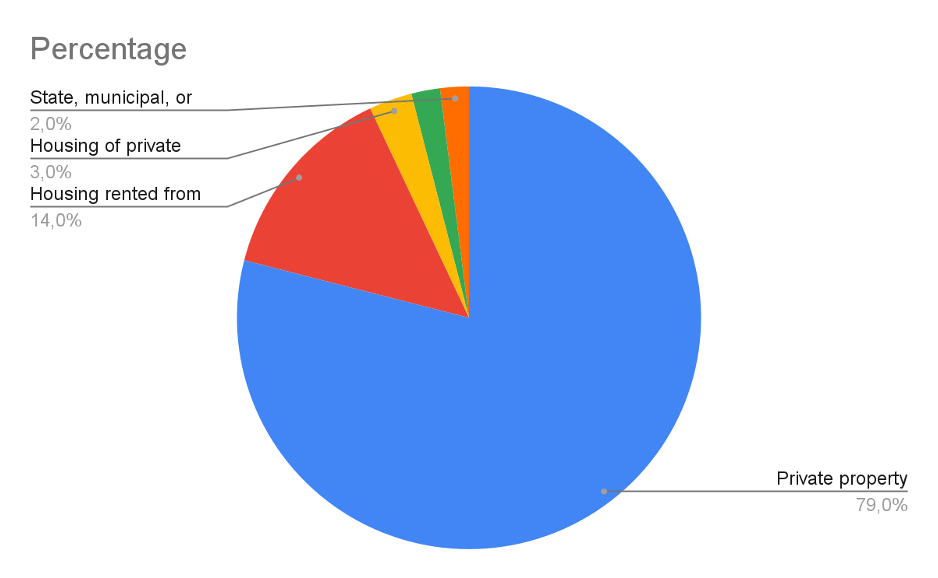
Згідно з дослідженням GIZ і Cedos (кінець 2024 року), Україна залишається однією з країн із найвищим рівнем володіння житлом у Європі, однак війна та економічні чинники спричинили стрімкий розвиток орендного сектору.
У січні 2026 року Верховна Рада нарешті ухвалила новий Закон «Про основні засади житлової політики», покликаний раз і назавжди поховати кодекс радянської доби 1983 року. Президент підписав його, і цей закон де-юре запроваджує європейську класифікацію житла: нескінченні черги на «безкоштовні» квартири замінюють окремими фондами тимчасового, службового, доступного та соціального житла.
Над текстом закону працювала велика робоча група під егідою Міністерства відновлення та профільного комітету Верховної Ради на чолі з Оленою Шуляк. Процес охопив десятки раундів громадських консультацій із громадами, щоб нова модель не залишилася «кабінетною», а відповідала реальним потребам зруйнованих міст. Головна зміна полягає в переході до чіткої європейської класифікації: замість єдиної загальної черги тепер передбачено чотири цільові фонди. Це соціальне житло для вразливих груп, доступне житло для молоді через іпотечні програми, службові квартири для фахівців критично важливих професій і тимчасовий фонд для тих, чиї домівки зруйнувала війна.
[1] Важливе уточнення: сюди належать не лише одноосібні власники, а й ті, хто живе у квартирах батьків або родичів, не сплачуючи орендної плати.
Ключовою новацією є соціальна оренда, за якої орендарі платять відповідно до свого доходу, а держава через субсидії компенсує власникам різницю до ринкової вартості. Для управління цією системою створять спеціалізованих операторів і «револьверний фонд», капітал якого буде суворо зарезервовано для будівництва та утримання житла.
Однак на практиці більшість цих змін поки що залишаються амбітним планом на папері. Створення єдиної цифрової системи, інтегрованої з «Diia», для обліку кожної квартири та потреб громадян лише розпочинається, а припинення масової приватизації заплановано через рік після завершення війни.
Хоча закон уже ухвалено, реальні інструменти запрацюють лише після того, як Кабінет Міністрів розробить десятки підзаконних актів. Найважливішим серед них є створення «дорожньої карти» перетворення закону на реальну послугу: Кабінет Міністрів має затвердити математичну формулу розрахунку орендної плати залежно від доходу сім’ї, запровадити прозору бальну систему пріоритетності для автоматичного добору мешканців через систему DREAM і чітко врегулювати роботу «револьверних фондів», щоб кошти від оренди спрямовувалися саме на утримання та будівництво нового житла. Без цих технічних інструкцій муніципалітети не мають законного права заселяти людей або стягувати плату, через що сучасні реконструйовані об’єкти перетворюються на «заморожені» активи, які чекають на остаточне схвалення уряду для запуску повноцінного ринку соціального житла.
Фактично Україна перебуває в перехідному періоді: старі правила вже не діють, а нові механізми соціальної оренди й цифрові черги ще готують до запуску, тож нині система залежить від пілотних проєктів міжнародних донорів.
Тим часом модульне (збірне) житло має кілька очевидних переваг для задоволення нагальних житлових потреб. Його найбільша перевага — швидкість: цілі поселення можна збудувати й заселити протягом одного будівельного сезону, що особливо важливо в кризових ситуаціях. Заводське виробництво також забезпечує стабільну якість, адже стандартизовані процеси знижують ризик помилок під час будівництва на майданчику. Крім того, такі будинки зазвичай енергоефективні й потребують невеликих витрат на опалення, що робить їх доступнішими для мешканців у довгостроковій перспективі. Ще один вагомий аргумент на користь цього підходу полягає в тому, що заводське виробництво мінімізує кількість будівельних відходів на майданчику (до 70% менше порівняно з традиційним будівництвом). Це цілком відповідає вимогам ЄС щодо сталого розвитку («Зеленому курсу»), дотримання яких є критично важливим для отримання грантів.
Крім того, будівництво соціального житла має мультиплікативний ефект для економіки, тобто стимулює ринок будівництва та будівельних матеріалів, створює робочі місця тощо. Наприклад, ініціативи з доступного житла в Нью-Йорку у 2011-2015 роках створили близько 330 тисяч нових робочих місць.
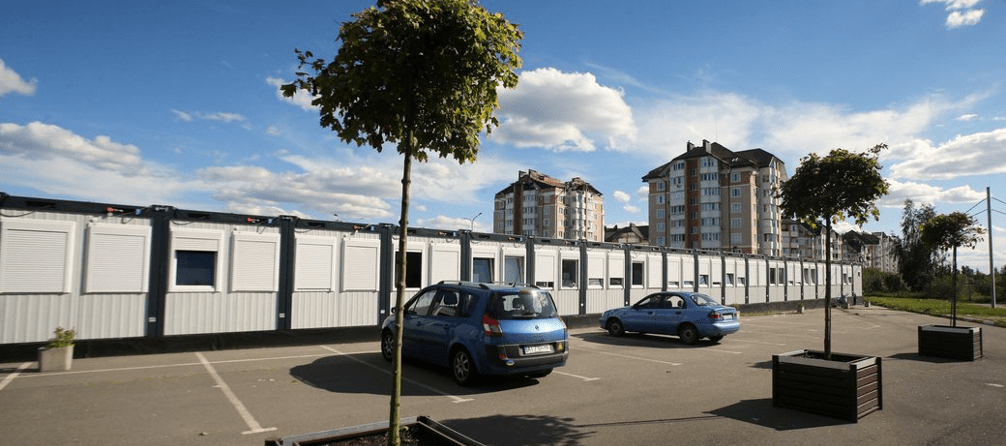
Водночас модульне житло має істотні обмеження. Якщо таке житло надають без моделі оренди чи громадської власності, воно швидко переходить у приватну власність. Щойно власник вирішує його продати, держава втрачає контроль над цим житловим фондом, а разом із ним — важливий інструмент подолання житлової кризи. Унаслідок цього рішення, задумане як соціальне й стратегічне, може поступово перетворитися на суто приватний актив, що зменшить його довгостроковий вплив на цінову й фізичну доступність житла.
Для мешканців недоліком є те, що збірні конструкції зношуються значно швидше за традиційні. Після 3–5 років інтенсивного проживання починають виникати проблеми з вентиляцією, пліснявою та герметичністю. Люди стають заручниками приміщень, які швидко робляться непридатними для проживання, а держава може просто не встигнути запропонувати інший варіант.
Існує також ризик сегрегації. Якщо модульне житло зосереджуватиметься в окремих районах, це може перешкоджати соціальній інтеграції та призвести до поділу міст на квартали власників житла й орендарів. Таке просторове розмежування здатне збільшити соціальну дистанцію та підвищити ризик конфліктів.
Інша альтернатива — соціальне орендне житло, або доступне муніципальне житло, — це модель, за якої житло належить громаді, а не окремим особам. Вона широко застосовується в Європі та вважається частиною стандартів політики ЄС, що робить її актуальною для України на шляху до вступу в ЄС. Історично масове соціальне житло виникло в Європі наприкінці 19-го століття як відповідь на нагальні соціальні проблеми. Бум будівництва припав на завершення Другої світової війни й став реакцією на глобальну житлову кризу.
Цей підхід особливо важливий у великих містах, як-от Київ, Львів і Дніпро, де земля дорога, а мобільність робочої сили має вирішальне значення. Він дає молоді та внутрішньо переміщеним особам змогу переїжджати між містами заради роботи, переходячи з однієї муніципальної квартири до іншої. Муніципалітети або Державний фонд сприяння молодіжному житловому будівництву можуть утримувати орендну плату на низькому й стабільному рівні, а оскільки таке житло не можна приватизувати, воно залишається суспільним активом, що служить громаді 50+ років.
Головний недолік — бюрократія: традиційне муніципальне будівництво може тривати роками, що обмежує здатність цієї моделі задовольняти нагальні житлові потреби в короткостроковій перспективі.
Муніципальне модульне житло є ідеальним технологічним та економічним поєднанням — справді взаємовигідним рішенням для України. Модульне будівництво дає змогу протягом кількох місяців створити якісне капітальне житло, тоді як модель соціальної оренди зберігає доступну вартість проживання. Замість тимчасових вагончиків громади отримують постійне житло з повноцінною інфраструктурою, яке може швидко окупитися завдяки орендним надходженням і легко масштабуватися відповідно до потреб кожного міста.
Застосовуючи цей підхід, Україна не лише наближається до стандартів і політик Європейського Союзу, а й починає розв’язувати давні структурні проблеми житлового фонду. Найважливіше те, що ця модель дає змогу діяти швидко — не просто долати короткострокові кризи, а системно розв’язати житлову проблему протягом 3–5 років.
Україна сподівається, що Захід стане джерелом коштів для відновлення, а український народ забезпечить якість і прозорість. Наразі Україна отримує гранти від Світового банку (Project HOPE) для безпосереднього фінансування ремонту житла сотень тисяч домогосподарств, а також сотні мільйонів євро від Банку розвитку Ради Європи (CEB) на житлові сертифікати для тих, чиї оселі були повністю зруйновані.
Важливо згадати Ukraine Facility (€50 мільярдів)— головний інструмент ЄС до 2027 року. Станом на лютий 2026 року Ukraine Facility став основою стратегії «Build Back Better». Принцип «Build Back Better» став офіційною філософією відбудови України, закріпленою в «Плані України» в межах Ukraine Facility. Це означає, що замість простого відтворення зруйнованих радянських споруд країна створює інфраструктуру за сучасними європейськими стандартами. Нові житлові будинки та школи зводять із використанням сучасних теплоізоляційних матеріалів, теплових насосів і сонячних панелей. Мета — скоротити енергоспоживання на 30–50% порівняно зі старим житловим фондом. Невіддільними складовими є також інклюзивність і доступність, що набули критичного значення через велику кількість людей, які внаслідок війни отримали інвалідність. Крім того, згідно з новими будівельними нормами (DBN), ухваленими у 2023–2024 роках, жоден житловий будинок або школу не можна ввести в експлуатацію без повноцінної захисної споруди. Головні перешкоди полягають у тому, що це дорожче й потребує більше часу, а Україна нині не може повсюдно забезпечити 100% відповідність принципу Build Back Better, оскільки активна війна триває, а потреба в житлі залишається нагальною. Однак для стратегічних об’єктів і капітального житла цей принцип став безальтернативним стандартом.
На відміну від попереднього проєкту, ця програма допомоги перебуває під суворим наглядом Аудиторської ради, що забезпечує прозоре використання коштів. Для громадян України це означає стабільніші житлові компенсації (e-Recovery) та модернізацію місцевих енергомереж, яким надають пріоритет на нинішньому етапі відновлення у 2026 році.
Окрім прямої допомоги, діє також Інвестиційний фонд: він виступає гарантом для європейських банків, підвищуючи їхню готовність кредитувати українські муніципалітети й забудовників для реалізації проєктів відбудови. Цей фонд надає європейським банкам гарантії від воєнних ризиків, завдяки чому українські громади та забудовники можуть отримувати дешеві кредити на відбудову. ЄС виділив €6.97 мільярда для покриття ризиків, і очікується, що ці гарантії дадуть змогу залучити до €20 мільярдів приватних і державних інвестицій від європейських банків. Оскільки фонд бере на себе до 70-90% воєнних ризиків, українські муніципалітети можуть отримувати кредити за ставками, близькими до європейських (3-5% річних), тоді як без гарантій ринкові ставки в Україні через воєнний ризик могли б перевищувати 20%.
Існують побоювання, що війна з Росією може відновитися, і в такому разі найкраще, що Захід може зробити для залучення приватних інвестицій після війни, — забезпечити страхування. Такі агентства, як MIGA і DFC , надають іноземним компаніям гарантії захисту їхніх інвестицій у будівництво в Україні навіть у разі ескалації або нових обстрілів. У січні 2026 року вперше почали обговорювати Prosperity Plan або Prosperity Framework . Цей документ спільно розробили США та Європейська комісія як частину 10-річної стратегії економічного відновлення України до 2040 року.
Урсула фон дер Ляєн (президентка Європейської комісії, яка була однією з головних доповідачок і офіційно представила цей «Prosperity Plan» на неформальній зустрічі членів Європейської ради) заявила, що цей документ є «спільним баченням українців, американців і Європи щодо повоєнного майбутнього України». Вона також зазначила, що ЄС і США близькі до завершення роботи над цим планом. Спочатку план передбачає залучення величезних сум (до $800 мільярдів) із заморожених російських активів і приватного капіталу. Житловий сектор посідає в ньому перше місце поряд з енергетикою.
Ключовим елементом реалізації цього плану є запуск потужного ринку страхування воєнних ризиків, який дає великим західним корпораціям змогу виходити на український будівельний ринок, не побоюючись втрати капіталу. Це перетворює відбудову житла на рушій економічного зростання, адже кожна одиниця коштів, вкладена в будівництво, створює нові робочі місця та стимулює місцеве виробництво будівельних матеріалів. Таким чином, «Prosperity Plan» стає не просто програмою допомоги, а стратегією перетворення України на найбільшу інфраструктурну платформу Європи на наступне десятиліття.
Головним викликом для українців, які повертаються додому, є сам чинник часу: війна, що триває вже п’ять років, поступово перетворює тимчасовий прихисток за кордоном на нове, постійне життя. Що довше зберігається невизначеність щодо миру, то глибше вкорінюється соціальна інтеграція: діти звикають до іноземних шкіл, дорослі знаходять стабільну роботу, а емоційний зв’язок із домом, попри весь біль розлуки, об’єктивно слабшає. Кожен наступний місяць очікування дедалі більше віддаляє перспективу повернення, адже людина не може безкінечно залишатися в «режимі очікування»; вона мусить будувати безпечне майбутнє вже зараз.
На цьому тлі критично гострим є ризик вичерпання міжнародної підтримки . Донорська допомога й ресурси західних партнерів не безмежні; втома від тривалого конфлікту та зміна глобальних політичних пріоритетів можуть призвести до поступового скорочення фінансування. Для України, чия стійкість і відновлення нині критично залежать від зовнішніх вливань, це створює «вузьке вікно можливостей», у межах якого кожен рік затримки відбудови робить цей процес дорожчим і складнішим.
Водночас сама відбудова не може бути хаотичною або поспішною, адже будівництво якісного житла — це «гра в довгу». Важливо не просто зводити стіни, а стратегічно визначати точки зростання. Якщо нове житло будувати у відриві від економічних центрів і ринку праці, ми отримаємо «спальні гетто» та логістичний колапс. Непродумане розселення неминуче призведе до багатогодинних заторів, перевантаження транспортних артерій і додаткових витрат для громадян, зрештою знижуючи якість життя. Тому відбудова має бути не просто будівництвом, а ретельним плануванням нових міських екосистем, у яких житло, робота та інфраструктура утворюють єдиний життєздатний організм.
Ще одним викликом є інституційна спроможність. Новий Закон «Про основні засади житлової політики» запроваджує європейську модель соціальної та доступної оренди, керовану через цифрову систему «Diia». Однак реформа стикається з дефіцитом фінансування, оскільки «револьверний фонд» і орендні субсидії наразі не мають чітко визначеного фінансування в бюджеті на 2026 рік, що робить план цілковито залежним від іноземних донорів. Існує також значний корупційний ризик, якщо новим «житловим операторам» дозволять розподіляти квартири вручну без суворого автоматизованого контролю.
Крім того, припинення масової приватизації — це політичне мінне поле, здатне спричинити негативну реакцію серед ветеранів і ВПО, які розраховували отримати житло в постійну власність. Без чіткого перехідного механізму підтримки людей під час цих змін уряд ризикує замінити застарілу систему дисфункційним бюрократичним вакуумом.
Додатковим ризиком Закону № 12377, ухваленого 13 січня 2026 року, є дозвіл на приватну власність у секторі соціального житла, що загрожує вимиванням фонду. Багато експертів наполягають, що таке житло має перебувати виключно у власності громад, оскільки залучення приватних власників може призвести до масових виселень, якщо держава не виплачуватиме субсидії, або до маніпулювання цінами після завершення строку оренди.
Культурний спротив — ще один важливий чинник. Багато українців традиційно вважають власне житло єдиною прийнятною формою житлової безпеки й не звикли до довгострокової оренди, особливо житла, що перебуває в суспільній власності.
Реінтеграція українців — це палиця з двома кінцями для європейської стабільності: хоча політична риторика підтримує відновлення України, прагматична реальність полягає в тому, що нині багато країн ЄС отримують користь від життєво важливого припливу кваліфікованої та мотивованої робочої сили. У міру того як країни перебування включають цих людей до своїх податкових систем і до складу робочої сили, що старіє, виникає прихований конфлікт інтересів між внутрішніми потребами Європи та життєвою необхідністю України повернути своє населення. Відтак існує значний ризик, що європейська політика може непомітно зміститися в бік довгострокової асиміляції, а не репатріації, потенційно позбавивши відбудову України людського капіталу, якого вона вкрай потребує для відновлення свого майбутнього.
Нарешті, ризики, пов’язані з прозорістю та корупцією, залишаються критичними. Без дієвого нагляду, чітких критеріїв доступу та прозорих процедур закупівель навіть добре продумані житлові програми ризикують утратити суспільну довіру й ефективність.
Світовий досвід свідчить, що муніципальне модульне житло є не лише ефективним рішенням у кризових ситуаціях, а й постійним, якісним складником сучасного міського планування. Однак для України ключовим викликом є не просто впровадження цієї технології, а встановлення чітких і послідовних правил її використання, зокрема визначення правового статусу такого житла, строків проживання та механізмів довгострокової інтеграції мешканців.
Водночас житлова криза в Україні потребує рішучих і системних заходів, особливо з огляду на те, що значне повернення українських біженців може розпочатися вже у 2027 році. Якщо цей процес буде погано продуманий, він може не лише відвернути біженців від повернення, а й змусити тих, хто залишився в Україні, замислитися, чи варто залишатися надалі. За таких умов модульне житло може сприяти поверненню населення без посилення соціальної напруженості, водночас зміцнюючи соціальну стабільність, узгодженість із європейськими житловими практиками та ширший рух України до європейської інтеграції.
За умови належного проєктування й управління модульне житло може стати не лише інструментом подолання житлової кризи в Україні, а й рушієм соціальної згуртованості, сталого повернення та узгодження з європейськими стандартами управління житловою сферою, зміцнюючи ширший рух України до європейської інтеграції.
Погляди, думки та оцінки, висловлені в матеріалах, опублікованих на цьому сайті, належать виключно їхнім авторам і не обов’язково відображають позицію Transatlantic Dialogue Center, його комітетів чи афілійованих організацій. Ці матеріали мають на меті стимулювати діалог і дискусію та не відображають офіційні політичні позиції Transatlantic Dialogue Center або будь-яких інших організацій, з якими автори можуть бути пов’язані.
Цей текст автоматично перекладено з англомовного оригіналу, який досі доступний при зміні мови сайту на англійську