The handbook offers a solid theoretical framework that precisely defines key concepts such as disinformation, propaganda, manipulation, fake news, and information distortion, which are essential for understanding the communication strategies deployed by state and media actors in the Spanish-speaking ecosystem.
One of the work's central contributions is its mapping of the Latin American media ecosystem, characterized by a pronounced decline in trust in traditional media and the growing prominence of social networks as the primary source of international information. In this algorithmic, fragmented, and highly emotional environment, the study shows how echo chambers, filter bubbles, and the circulation of simplified or manipulated content are intensifying, facilitating the spread of disinformation narratives, particularly those promoted by the Russian Spanish-language media infrastructure.
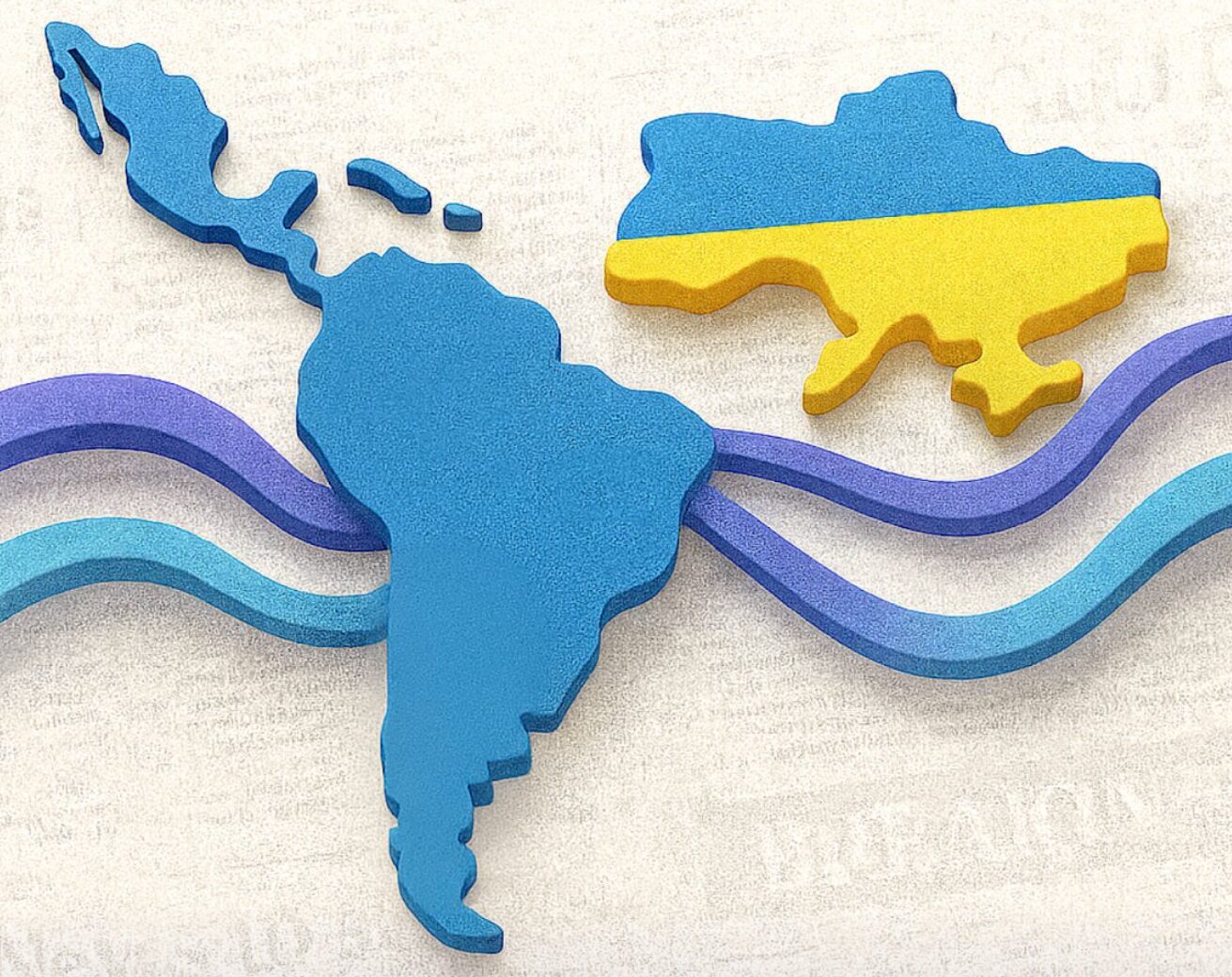
The handbook systematically analyzes the Russian and Ukrainian information presence in the region, revealing a strong historical asymmetry. While Russia has a consolidated, centralized communication strategy adapted to Latin American sensitivities, drawing on anti-Western frameworks, geopolitical discourse, and emotional appeals, Ukraine has had to rapidly build its own information presence following the 2022 invasion. This Ukrainian communication, more decentralized and supported by embassies, digital media, and diplomatic spokespersons, seeks to explain the conflict, affirm the legitimacy of its defense, and counter distorted narratives in a culturally distant setting.
The comparative content analysis reveals significant differences in thematic selection, tone, rhetoric, and the use of emotional and visual resources by Russian and Ukrainian sources. The study also includes a public-perception component that makes it possible to contrast media narratives with the prevailing attitudes, levels of information, and interpretive frameworks among Latin American audiences.
Its contribution lies in shedding light on how Latin America has become a relevant arena in the global information battle and in underscoring the importance of critical media literacy in the face of complex international conflicts.

 2 min read