
 44 min read
Ukraine is undergoing a fundamental shift in its security identity: from overwhelming dependence on external assistance toward indigenous capability development and, increasingly, the export of those capabilities and its unmatched operational experience to partners. More than four years of full-scale war have made Ukraine a country whose battle-tested capabilities and innovative defense industry represent a strategic asset that, in EU Commissioner for Defence and Space Andrius Kubilius’s words, Europe “has no time to waste” in integrating and that has broad applicability for partners farther afield.
This transition is occurring in an increasingly dangerous security environment in Europe. Civilian and military leaders from NATO member-states are treating the prospect of Russian military aggression not as a remote contingency but as a baseline planning assumption, compounded by persistent capability gaps across the alliance and efforts by the Trump administration to reduce the United States’ commitment to European security. Absent state collapse, Russia will emerge from the war with a battle-hardened force and validated wartime adaptations, and Moscow has already laid the groundwork for a more intense period of reconstitution in the post-war period.
All references for this research are available in the full PDF document.
The lessons of the war are also spreading beyond Europe. States with the capacity and demonstrated willingness to threaten their neighbors, particularly China and Iran, are absorbing and adapting Ukrainian and Russian innovations for their own purposes. This context sharpens the urgency of the transition this report analyzes: the question is not merely whether Ukraine can become a security provider, but whether the institutional architecture being built now can be locked in before that opportunity closes.
This report studies Ukraine’s shift across three dimensions. First, it examines the battlefield innovations and defense cooperation frameworks through which Ukraine and its partners have restructured their defense relationships, moving from emergency assistance toward sustainable industrial integration and structured knowledge transfer.
Second, the report analyzes how that transition is being institutionalized. In Europe, this process is occurring through an integrationist track with bilateral security agreements, co-production partnerships, and knowledge transfer arrangements that explicitly name Ukrainian battlefield experience as the asset being transmitted. Beyond Europe, this transition is occurring through a more varied, often commercial-strategic track in which partners seek access to Ukraine's combat-proven capabilities and experience in exchange for material and strategic benefits.
Finally, the report looks forward to Ukraine's post-war role, arguing that the institutional structures being built now are the mechanism for converting a time-limited battlefield advantage into durable security provider status. The value of Ukraine’s battlefield experience will not disappear when the war ends, but it will erode once the existential imperative to innovate recedes. Moreover, that depreciation is unlikely to occur in the context of post-war stability: the institutional architecture being built now may need to hold under conditions of ongoing and potentially intensifying threat. Whether that architecture will prove durable enough to convert that advantage into a lasting security provider role is the central question of this report.
The post-war security provider transition depends less on Ukraine’s capabilities than on partners’ political will to follow through once wartime pressure subsides. The structures being developed now, including co-production agreements, mutual assistance clauses, and licensing arrangements, are the mechanisms for converting a time-limited battlefield advantage into a durable security provider role amid a deteriorating security environment.
The four years since Russia's full-scale invasion have forced Ukraine to develop a model of military innovation unlike anything its partners have built in peacetime. These innovations range from high-tech solutions, including Ukrainian air and ground drone-enabled units taking Russian positions, to low-tech countermeasures, such as extensive netting to prevent drone strikes. This model is marked by speed, scale, resource constraints, decentralization, and public-private integration, and driven by an intense technological competition with Russia. Ukraine is innovating across military hardware, doctrine and operational practices, organizational structures, and its civil-military ecosystem. Critically, Ukraine's innovations are now being deliberately packaged for external partners, as those partners seek to access and adapt Ukrainian battlefield experience for their own militaries and military institutions.
The innovations documented below focus on uncrewed systems, electronic warfare, data and battle management, and operational adaptation as illustrative examples of Ukraine's broader set of battlefield innovations, a transformation that also includes fortification systems, intelligence collection systems, digital resilience, and combat medical aid, among others.
These innovations, however, differ significantly in how readily they transfer to partner militaries. The academic literature on military diffusion shows that this distinction reflects the general tendency for innovations in military hardware to diffuse more readily than the operational concepts, institutional adaptations, and organizational changes required to use that hardware effectively.
How partners access Ukrainian innovation determines both what can be transferred and how long those transfers last, which is why examining Ukraine’s evolving defense cooperation relationships is the starting point for this report.
The international coalition that coalesced to support Ukraine’s defense in 2022 is giving way to a fundamentally different arrangement, as Ukraine's own defense industrial base (DIB) now supplies the majority of its frontline needs for most categories of equipment. Ukraine's DIB has expanded significantly since 2022, with a surge of new private defense-tech firms operating with faster procurement and fielding cycles emerging alongside a legacy state-centered model. JSC Ukrainian Defence Industry (formerly UkrOboronProm) and related state structures retain dominance in legacy sectors, but the private ecosystem, granted space more by necessity than design, accounted for as much as 90% of production in some sectors by 2025 and has grown into the primary driver of battlefield innovation. From 2024 to 2025, weapons, equipment, and ammunition contracts for domestic Ukrainian producers rose from 46% to 82% of total procurement, while the share of military imports fell from 54% to 18%.
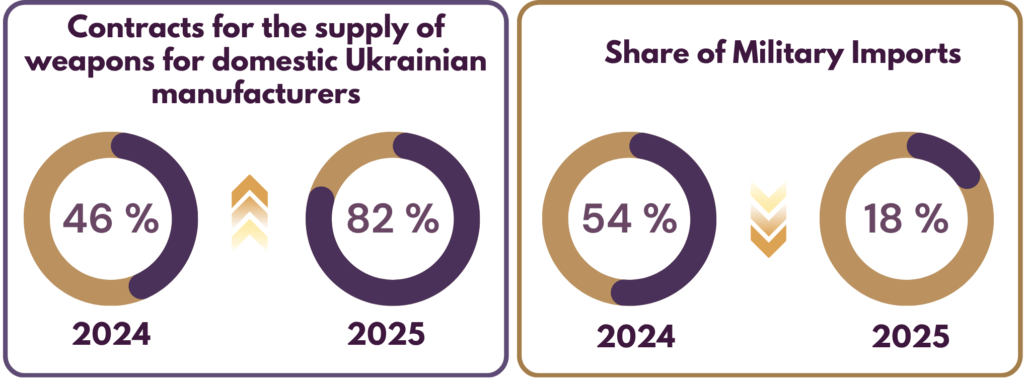
According to Arsen Zhumadilov, Director of the Ukrainian Defence Procurement Agency, “Focusing on the domestic market enables manufacturers to scale up, accelerate the introduction of innovations, and supply the military with solutions tailored to the real needs of the front line, while reducing dependence on external suppliers.”
There are still critical systems and munitions, such as U.S.-made air defense interceptors for Patriot systems, that are both in limited supply globally and as yet impossible to substitute with other systems. But by developing new financing models and investing in key areas of the Ukrainian DIB, Kyiv and its partners are moving to fill these gaps.
As donor country stockpiles have dwindled since 2022, Ukraine and its partners have shifted to direct financing and co-production models for support. In Europe, these models are integrationist in design, aimed at embedding Ukraine more deeply in the European security architecture as Kyiv pursues EU and NATO membership.
Beyond Europe, motivations vary more widely, with commercial-strategic considerations playing a more prominent role and cooperation agreements tending to be less institutionally embedded. Most partners are nonetheless guided by specific security concerns in their own regions rather than purely transactional interests.
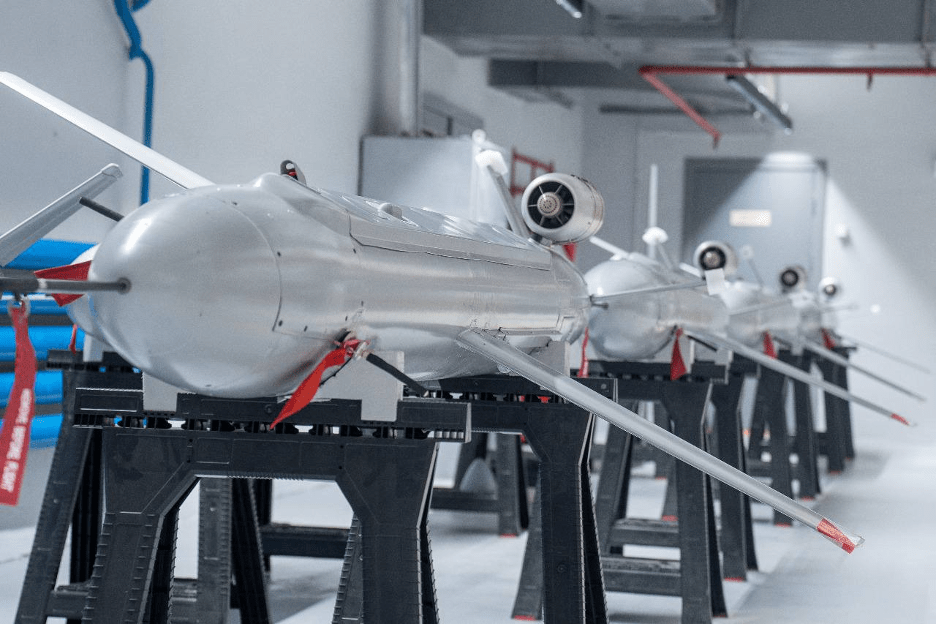
The “Danish model” allows partner governments to directly fund and reimburse contracts for pre-approved Ukrainian companies to purchase weapons. The Danish model brought in more than $2 billion in financing in 2025, roughly four times the €538 million it generated in 2024. According to a recent RAND Europe report conducted on behalf of Ukraine’s Ministry of Digital Transformation, this approach “bypasses the most significant obstacles to co-production” and “is the best available means to practically support [Ukraine]… without depleting European munitions stockpiles.” Denmark has also begun aggregating funds from Sweden, Norway, the Netherlands, and frozen Russian assets through the same channel, turning the bilateral mechanism into a multilateral financing platform.
Some partners have established bilateral credit and co-production frameworks that create deeper industrial integration than the Danish model. For example, the United Kingdom and Ukraine signed an export credit agreement in July 2024 to help operationalize their Bilateral Security Agreement (BSA). This agreement establishes a £2 billion ceiling in export credits backed by the UK’s export credit agency with up to 15-year repayment terms and requires at least 20% UK-origin content per contract and covers procurement of defense materiel, technology transfer, licensing, works and services. Unlike the Danish model, this approach is structured to ensure UK industrial participation and facilitate commercial relationships rather than the direct financing and transfer of weapons.
At the EU level, the Security Action for Europe (SAFE) provides €150 billion in financing designed primarily to facilitate common defense procurement among EU member-states, but which allows for Ukrainian participation. The instrument requires that 65% of a SAFE-financed project must come from companies in EU member-states, members of the European Free Trade Association, or Ukraine, thus formally embedding Ukraine in European defense supply chains. Fifteen of the 19 national plans submitted in 2026 for consideration have included projects with Ukraine. Ukraine stands to benefit both as a subcontractor in EU defense supply chains and as a recipient of equipment procured under the program, although the extent of Ukraine’s participation may currently be limited.
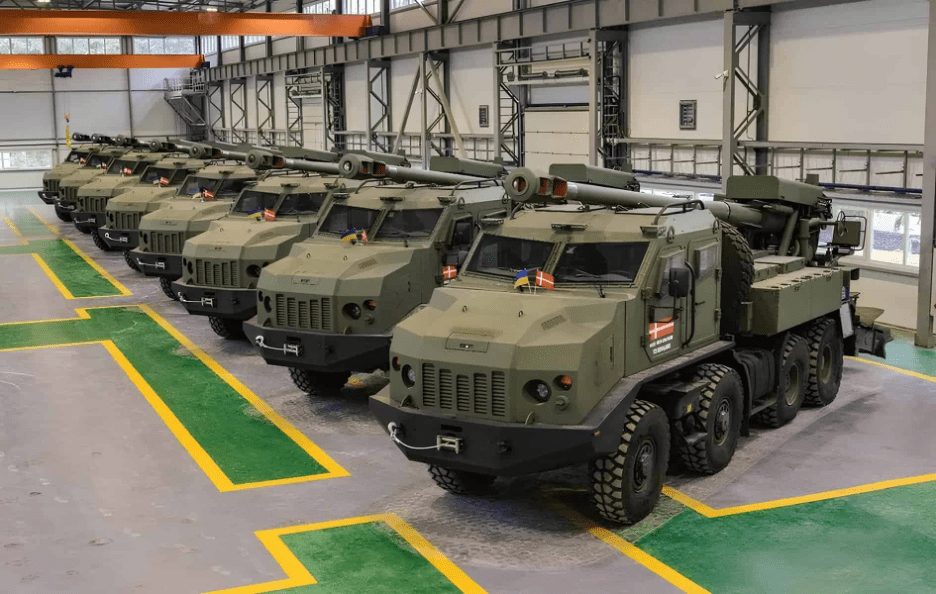
The €1.5 billion European Defence Industry Programme (EDIP) complements SAFE by providing grants and other instruments to develop the European DIB via modernization, increasing production capacity, and technological development. Ukraine has a specific €300 million carveout in EDIP to further Ukraine’s defense industrial integration in the bloc.
These instruments form part of a broader EU architecture that is integrating Ukraine into European-level defense structures. The EU White Paper for European Defence Readiness 2030 identifies Ukraine as “the frontline of European security” and seeks to leverage its battlefield experience through training programs, joint procurement, and integration of its defense industry into the European DIB. The EU’s planned Multiannual Financial Framework 2028-2034 includes up to €100 billion in flexible support for Ukraine.
These various approaches, while significant, operate within real constraints. Wartime restrictions on technology transfers and exports, discussed in 'Building the Arsenal Together' below, create genuine policy dilemmas for Ukraine and complicate deeper cooperation with partners. Corruption concerns and opacity in Ukraine’s defense procurement, particularly with closed processes in classified environments, may also limit defense cooperation. More broadly, whether political will to support Ukraine holds in a post-war environment is far from guaranteed.
Taken together, these mechanisms mark a shift from Ukraine as a passive recipient of security assistance toward an active participant that is shaping the terms of its defense relationships.
Central to Ukraine's emerging role as a security provider is its uncrewed systems capability: both the platforms themselves, tested and continuously improved against Russian countermeasures at a scale no other partner has experienced, and the distinctive innovation ecosystem that produces, adapts, and updates them.
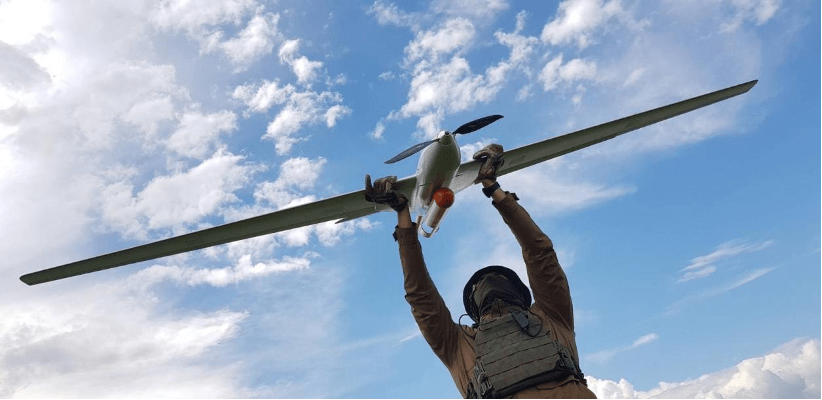
Although Ukraine is dependent on partners for certain systems, it makes the vast majority of its drones domestically, and at scale. According to the Ukrainian Ministry of Defence, Ukraine produced four million drones in 2025 and aims to produce seven million in 2026. Ukraine has the capacity to produce 10 million drones annually.
Inseparable from those drone capabilities is Ukraine's electronic warfare ecosystem, which has driven some of the war's most consequential adaptation cycles and is a distinct capability layer in its own right.
Ukraine’s successful drone innovation process is underpinned by what Kyiv School of Economics Researchers Olena Bilousova, Kateryna Olkhovyk, and Lucas Risinger characterize as a “fast cycle of ‘development – combat testing – modification – combat testing’.” This cycle allows Ukrainian drone technology to evolve approximately every six weeks. Or, as Anatoly Motkin has argued, Ukraine is now a “drone superpower” distinguished “not simply [by] its scale, but also the speed and adaptability of its development cycles.”
Ukraine's uncrewed systems capability is more than the sum of its hardware. The drone itself is the output of an enabling architecture that includes sensing and navigation systems, military AI trained on live combat data, command-and-control systems adapted for drone-saturated environments, and a battlefield innovation cycle that keeps pace with Russian countermeasures. Without this broader ecosystem, the hardware would underperform regardless of technical specifications.
Or, as Brave1’s head of investor relations put it, “Drones are the tool. The infrastructure is the weapon.”
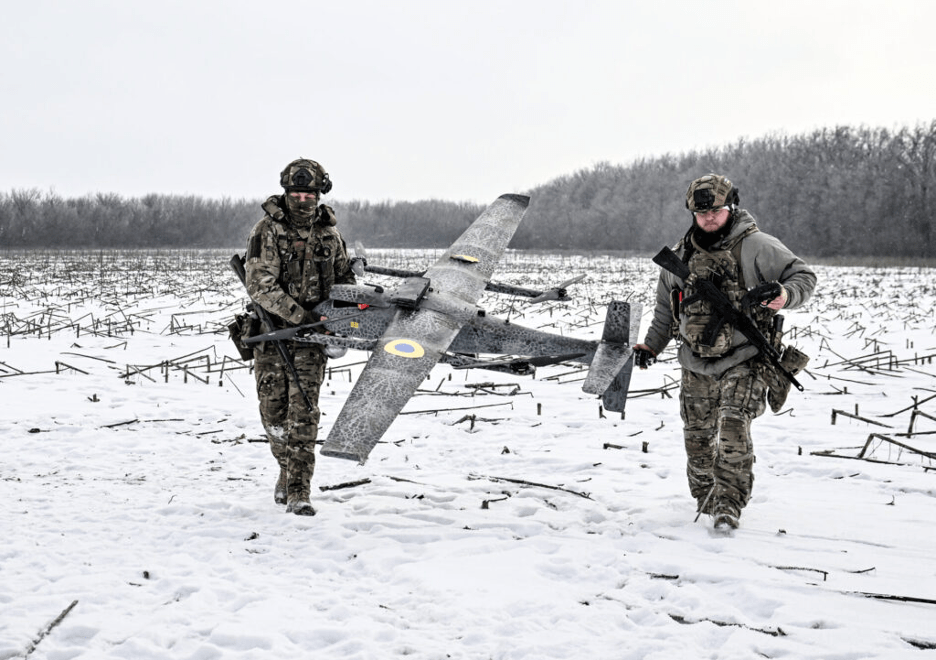
The distinctiveness of Ukraine's drone ecosystem is itself an asset partners can draw lessons from. As Bilousova, Olkhovyk, and Risinger describe, this ecosystem is marked by a “decentralization of procurement” whereby “rapid testing, adaptation, and scaling of new technologies” can occur “without waiting for protracted bureaucratic approval.” Ukrainian units on the front lines can procure drone technology directly through various pathways, ranging from the Ministry of Defence and brigade-level initiatives to volunteer and private foundations and public campaigns. They also constitute a critical node in a feedback loop with drone engineers and producers, constantly providing battlefield data to support improvement and innovation; operators can communicate flaws to engineering teams within hours, and when a drone underperforms, it can be pulled from the battlefield quickly.
Ukraine has also begun opening this feedback loop to foreign partners directly. Through Brave1's “Test in Ukraine” platform, launched in July 2025, foreign companies can validate their systems via independent or delegated testing under live combat conditions with structured feedback from Ukrainian military personnel. As then-Minister for Digital Transformation and current Minister of Defense Mykhailo Fedorov put it, Ukraine has “built an ecosystem where research and development happens directly on the battlefield,” and the platform “opens this experience to global partners.”
At the government level, the Ministry of Defence also enables startups to rapidly move prototypes directly to the front lines for testing. When these systems succeed, they are then integrated into the Ministry of Defence’s broader procurement efforts. In addition, the Ministry of Defence has shifted to deriving its priorities and requirements via a bottom-up process, drawing directly from unit requirements on the battlefield.
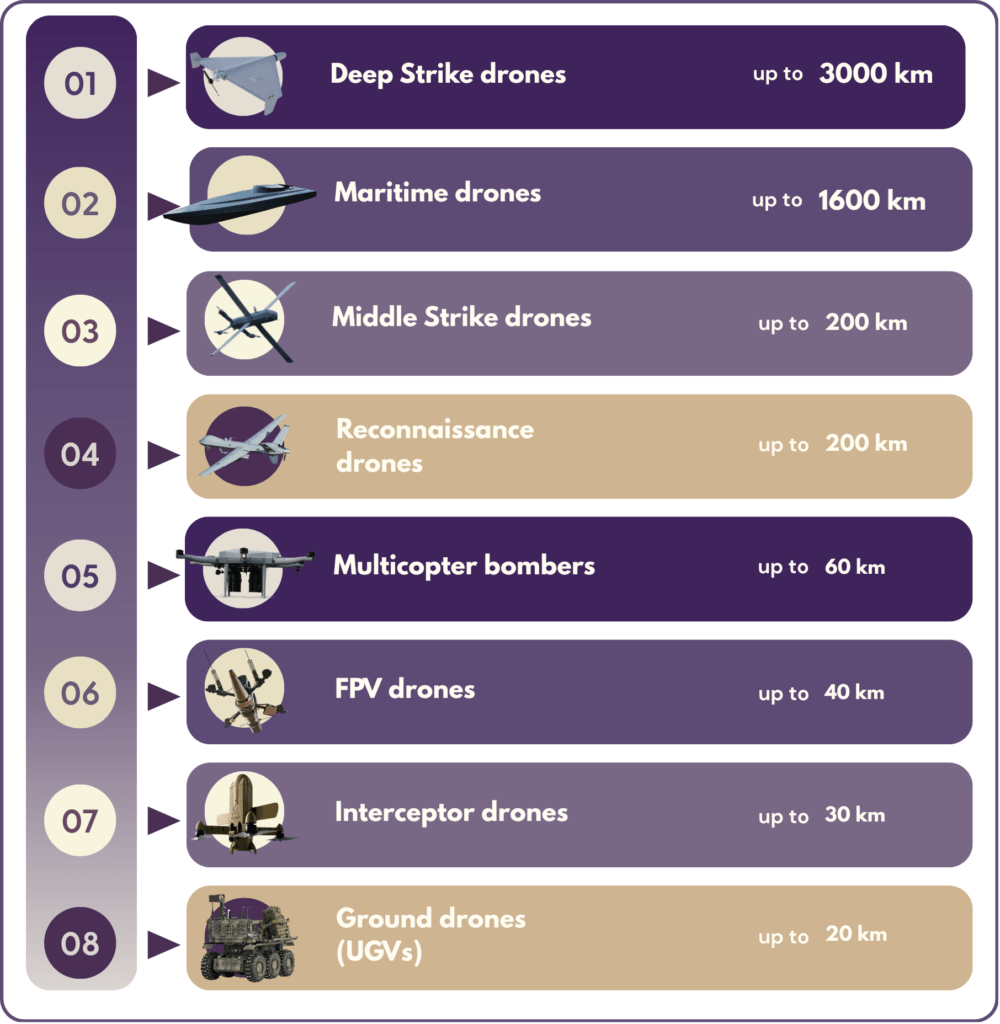
By 2025, Ukrainian drone operators engaged more than 80% of battlefield targets, using variants ranging from close-range to deep-strike systems capable of hitting Russian targets as far as 1,500km from the Ukrainian border.
Ukraine is also innovating across domains, including using maritime drones to push back the Russian Black Sea Fleet from its western operating areas. Ground systems have followed a similar trajectory, as uncrewed ground vehicles, initially deployed for logistics and casualty evacuation, are increasingly operating in direct combat roles. Ukraine contracted 25,000 UGVs in the first half of 2026 alone as it seeks to develop fully robotic frontline logistics and expanded assault applications.
Drones are also executing novel missions, including, for example, the Magura V7 naval drone being used for the first time in 2025 to shoot down Russian Su-30 fighter jets or the development of air and naval “motherships” capable of extending drone strike capabilities and supporting various other mission types. Ukraine is also developing underwater drones for countermine purposes and intelligence, reconnaissance, and surveillance operations, and adapting drones for air-to-ground strike missions.
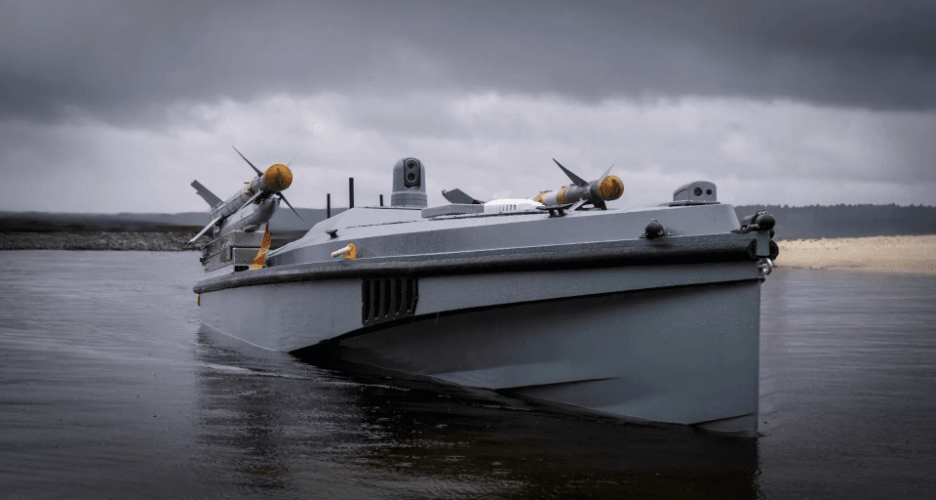
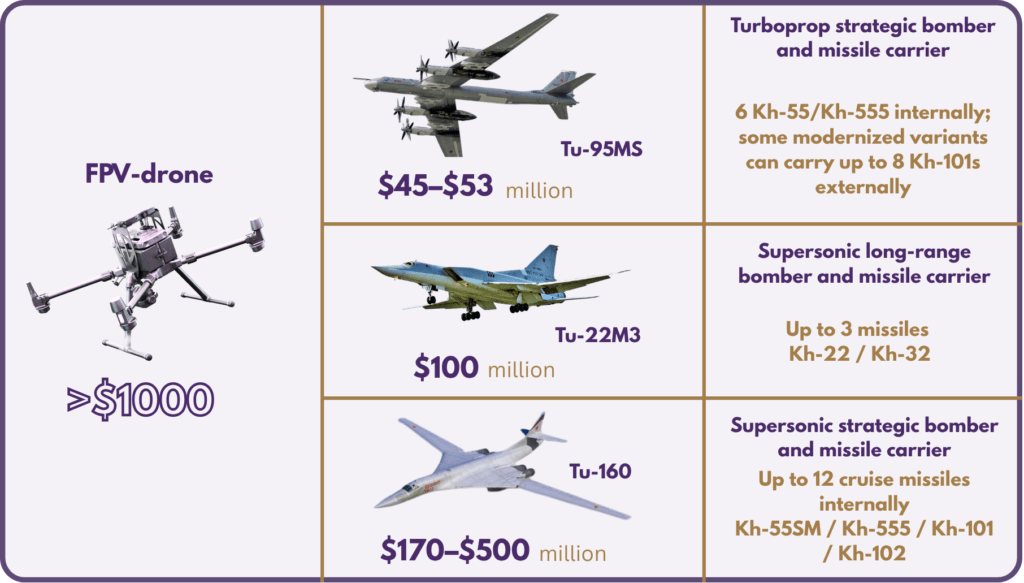
Ukraine’s offensive drones are also cost effective. For example, Operation Spiderweb in June 2025 used 117 $1,000-each first person view drones against 40 Russian aircraft, destroying or damaging multiple strategic bombers. Moreover, Ukraine’s evolving drone tactics and operational concepts are reshaping battlefield geography. Small tactical drones enable Ukraine to establish a kill-zone of approximately 20km on either side of the front line. A distinct class of middle-strike fixed-wing systems, including the Fire Point FP-2 and Hornet, has extended Ukraine's strike envelope to over 200km from the line of contact, forcing Russia to relocate supply depots and logistics infrastructure deeper into its rear areas.
Where Ukraine relied on approximately 90% of Chinese drone component imports by value at the start of 2024, it is now moving towards sourcing those parts either indigenously or from the United States and European Union, with China's share falling to around 38% by mid-2025. Ukrainian-made components now constitute 85% of airframes, 70% of control links, 55% of analog video transmitters for drones, but only 12% of electric motors and 14% of thermal cameras.
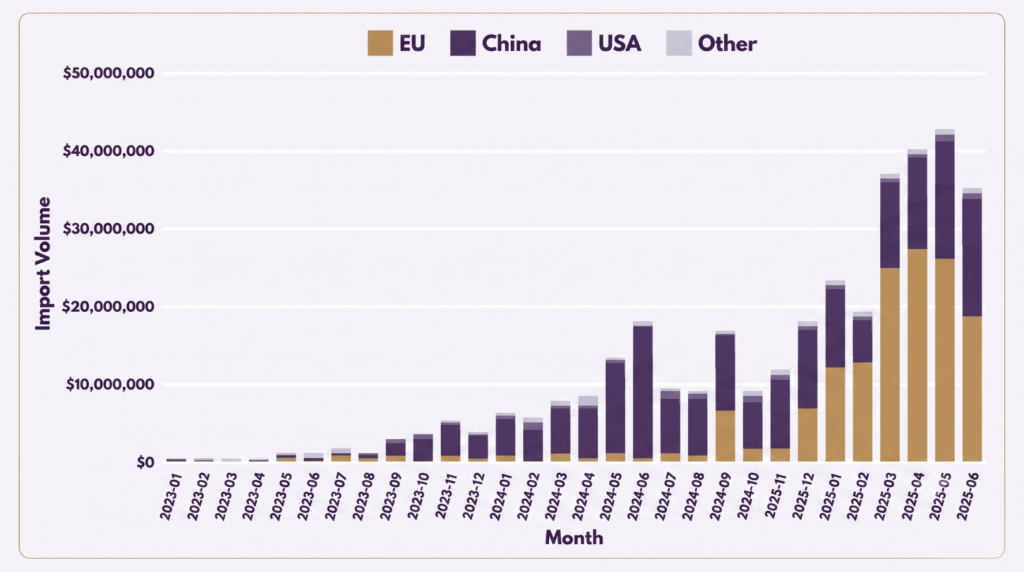
Still, Ukraine’s reliance on China continues for certain key components. One particularly intractable constraint that localization cannot resolve is the dependency on Chinese-produced neodymium-iron-boron magnets, which power drone motors. China controls over 80% of global output, and Ukraine's own rare earth deposits that could in theory reduce this dependence lie in Russian-occupied territory.
More broadly, Ukraine's continued reliance on Chinese components creates a structural vulnerability with a specific geopolitical dimension. Whether through export controls or a conflict involving Taiwan, even limited supply chain disruptions could severely affect Ukrainian drone manufacturing. China has already demonstrated willingness to use export restrictions against European defense companies it deems to be cooperating with Taiwan. A Taiwan conflict scenario could thus further accelerate partner demand for Ukrainian capabilities while severing the supply chain necessary to sustain them.
These innovations extend to counter-drone systems, an area of particular interest for Ukraine’s partners seeking to defend against drone attacks without having to rely on expensive countermeasures. Ukraine must constantly innovate to defend against new Russian drone capabilities and tactics, including, for example, by creating modular counter-drone systems “that can be mounted on everything from helicopters to unmanned vessels.” Moreover, because some Russian attack vectors use inexpensive drones, they are typically used in mass salvoes and thus have required an equally low-cost Ukrainian response. Like Ukraine’s offensive drones, Ukrainian interceptor drones have demonstrated striking cost-effectiveness: as of June 2025, 281 interceptors costing approximately $450,000 had downed Russian uncrewed systems valued at an estimated $25 million, or roughly $55 in losses imposed for every dollar spent.
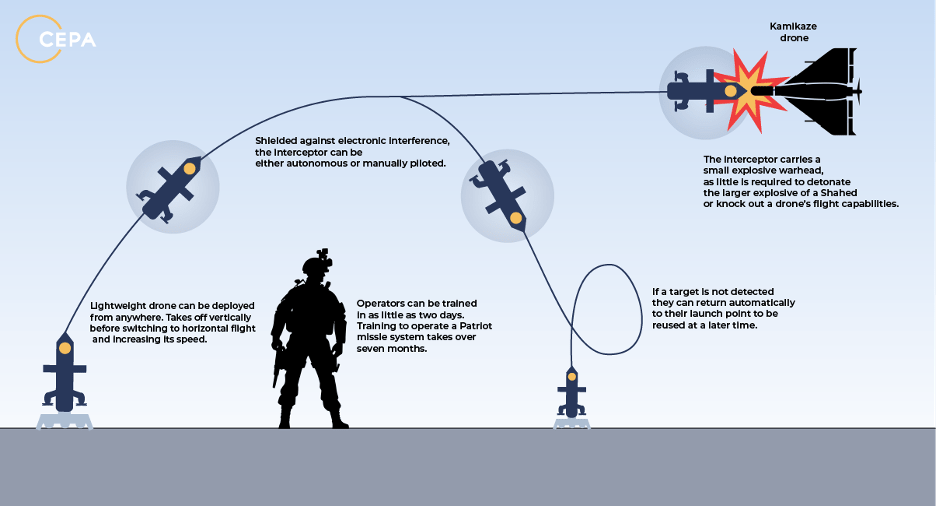
Interceptor drones represent one layer of a broader counter-drone architecture still maturing in Ukraine. This architecture also encompasses a sensing layer, including acoustic sensor networks and radar systems that detect threats at low altitudes where radar alone cannot reach, mobile short-range air defense (SHORAD) fire groups, and an electronic warfare layer that can neutralize drones without kinetic interception. This layered approach forgoes the need to use expensive interceptors against relatively cheap drones. It is this integrated architecture, not the interceptor platform alone, that partners are seeking to access.
As Mykhailo Lopatin, Julia Muravska and Mark Opgenorth observe, Ukraine’s counter-drone architecture is still maturing toward a fully integrated capability, and gaps remain across certain layers. Even so, partners facing analogous drone threats are seeking access to Ukraine's operational knowledge directly, less concerned with Ukraine's broader institutional gaps than with the depth of its combat experience.
The drone warfare described above cannot be separated from the electromagnetic environment in which it operates. More broadly, electronic warfare represents a distinct and foundational capability layer in Ukraine's battlefield ecosystem. The boom of drone innovation has occurred alongside sophisticated jamming and radio-frequency detection systems, with Ukrainian forces encountering unjammable drones in mid-2024 when Russia rolled out fiber-optic tethered systems. The electronic warfare threat has significantly affected drone operations, requiring the development of alternative means of navigation and communication.
Ukraine's response has driven one of the most consequential adaptation cycles of the war: AI-augmented systems now allow drones to reach targets without being piloted in areas protected by extensive signal jamming, and autonomous navigation can make drone strikes significantly more likely to succeed by removing reliance on communications links vulnerable to electronic warfare. As Kateryna Bondar explains, “AI-enabled navigation and targeting software has raised the success rate of low-cost drone strikes from approximately 20 percent to as high as 70 percent by mitigating factors like insufficient operator skill, stress, and jamming by electronic warfare.”
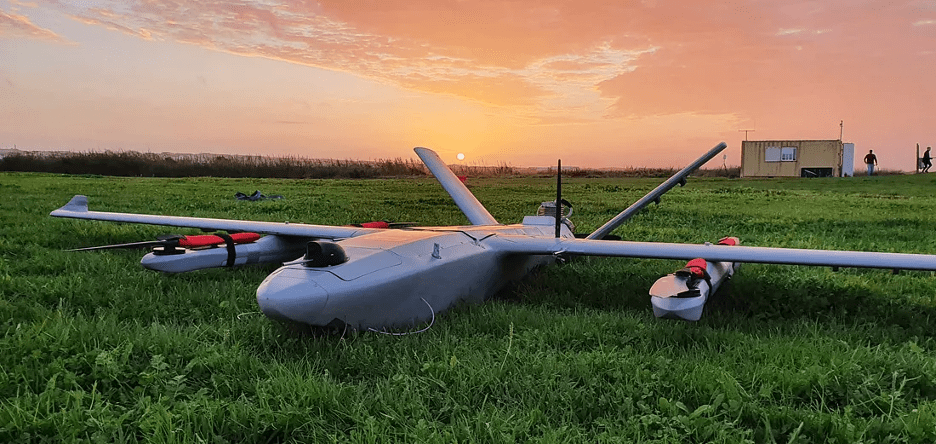
Beyond navigation and targeting, narrow combat AI, or highly specialized, purpose-built modules trained on live combat data to perform specific battlefield functions, is emerging as a distinct capability category in its own right. AI-powered counter-drone systems developed through Ukraine's Brave1 cluster can autonomously detect, track, and calculate the flight path of enemy drones, a capability particularly valuable against fiber-optic drones immune to electronic warfare. The battlefield data underpinning these modules, discussed further in the “Data and Battlefield Management” section below, is itself a strategic asset whose value to partners may rival that of any hardware Ukraine produces.
Ukraine has also innovated in offensive electronic warfare: the domestically developed Lima system jams and spoofs satellite navigation signals, forcing Russian missiles and drones off course. Cascade Systems, which produces Lima, contends that the system has neutralized over 20,500 Shahed drones and forced the diversion of dozens of ballistic and cruise missiles over 18 months at a fraction of the cost of kinetic interceptors. NATO, by contrast, has deprioritized electronic warfare after decades of counterinsurgency, leaving a capability gap that Ukraine's battlefield experience is uniquely positioned to help address.
Taken together, Ukraine’s uncrewed systems and electronic warfare experience is contributing to a reconceptualization of how modern militaries think about the relationship among cost, risk, and operational effects. Both platforms and the institutional architecture, including tactics and force structure, evolving around them are of direct relevance for partner militaries as they contend with the challenges of modern warfare.
Alongside its drone capabilities, Ukraine has another strategic asset: the vast amount of data generated by more than four years of high-intensity conflict. This data is raw material for training the combat AI that partners are increasingly seeking to access. Ukraine collects, and must then subsequently process, up to tens of terabytes per day. To illustrate the scale, for example, from February 2022 to December 2024, one Ukrainian non-profit focused on centralizing and analyzing footage from 15,000 drone units on the front lines captured two million hours, or 228 years, of battlefield drone footage.
Beyond the raw data itself, Ukraine has developed a suite of battle management tools that offer examples for partners on how to digitally manage command and control in drone-saturated warfare. Central to Ukraine’s ability to manage this data in real time are software solutions, most prominently Delta. The Delta system predates the full-scale invasion and has evolved into an ecosystem driven by the massive amount of data Ukrainian sensors are capturing on the battlefield. It is now available in app form to allow for real-time monitoring of battlefield activities. The Ukrainian Ministry of Defence authorized the system for use in all Ukraine’s defense forces in 2023, and Delta was fully integrated by August 2025.
The system's evolution from situational awareness tool to integrated battlefield management platform was demonstrated concretely at NATO’s Hedgehog 2025 exercise (discussed more in the “Ukraine as Instructor” section below), where Delta-enabled Ukrainian participants simulated the elimination of two NATO battalions in half a day.
Other specialized systems exist, ranging in capability and maturity, some of which have been integrated as modules into Delta. The command-and-control Kropyva system, which the Army SOS non-profit began developing in the 2014-2022 period, helps track incoming threats and manage counter attacks. Vezha analyzes drone feeds simultaneously and in real-time, while SkyMap tracks incoming drone threats to provide counter-drone support. Increasingly, these tools–many of which can operate offline, which is critical in contested environments–are able to integrate with each other, providing specific capabilities to a broader, integrated battle management system.
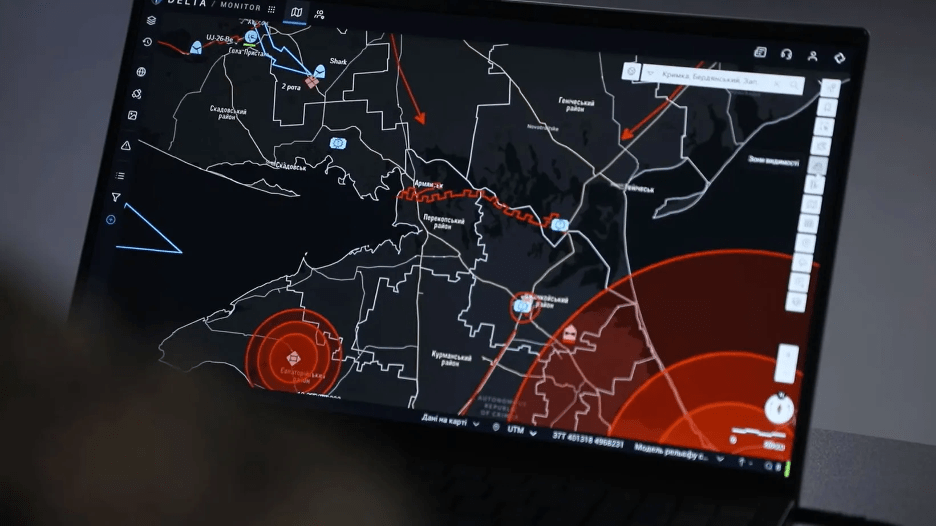
This data ecosystem and the operational methodology embedded within it are precisely what Ukraine's partners have been seeking to access.
Ukraine's battlefield data and its battle management software represent distinct but related tracks of partner interest. Ukraine created a data-sharing framework in March 2026 to enable partners to train combat AI modules on live operational datasets. Access is conditioned on Ukraine receiving the resulting AI models in return, an arrangement consistent with the pattern of Kyiv setting the terms of its defense relationships. Partner interest in Ukraine's battle management architecture, meanwhile, encompasses both potential adoption of systems like Delta and the broader functional logic of how command and control for drone warfare operates in its digital layer. Ukraine's battlefield data and battle management architecture are, in this sense, not just assets to be transferred but a living ecosystem whose value compounds as partners integrate it into their own systems, as long as Ukraine continues to generate the combat experience that no peacetime exercise can replicate.
Ukraine's battlefield experience has produced patterns of adaptation that are inseparable from the capabilities they enable and in some respects more valuable and considerably harder to transfer than any individual platform or system. These patterns reflect a force continuously adapting under extreme combat pressure, where speed of innovation and real-time adaptability often take precedence over institutional completeness. The discussion below focuses on operational concepts and procurement adaptation as illustrative examples, although other forms of adaptation are occurring and are also generating partner interest.
Having pioneered the conditions of extreme battlefield transparency and drone saturation that define its battlefield environment, Ukraine has been forced to develop entirely new approaches to combined arms maneuver as Russia replicated those capabilities. These approaches are directly relevant for partner militaries facing the same environment. For example, according to Jack Watling, Ukrainian commanders have developed a seven-phase operational concept (survey, isolate, degrade, fix, suppress, close and destroy, consolidate) when attempting to seize a contested sector. When applied effectively, this methodology has led to a significantly lower casualty rate.
Ukraine has also formalized the middle-strike concept as a distinct mission category, drawing a clear distinction between tactical drone operations at the front, middle-strike systems operating at approximately 30-300km in range from the line of contact, and deep-strike platforms targeting strategic infrastructure further into Russian-controlled territory. Ukrainian middle-strike operations, including with systems like the FP-2, Hornet, and Bulava, fill the critical gap between first person view drone strikes at the tactical level and deep-strike attacks deep inside Russia, enabling systematic targeting of logistics infrastructure, air defense, and drone control centers.
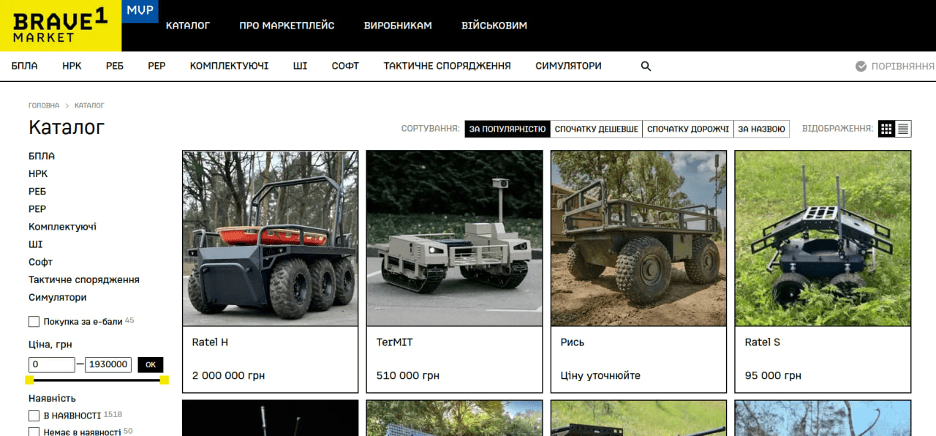
Through decentralized procurement platforms and brigade-level research and development workshops where operators modify and adapt systems directly at the front, Ukraine is compressing the cycle between battlefield need and fielded solution. The online procurement platforms Brave1 Market and DotChain host, for example, at least 150 drone models that brigade commanders can order directly. The defense ministries of Ukraine’s partners can take over a year to field software updates, a lag that dedicated innovation agencies can compress to roughly three months. Meanwhile, Ukraine can modify software in as little as two weeks. This decentralization is both a strength because of its speed and responsiveness and a complication for partners seeking to engage, since it creates opacity and inconsistent standards across the force.
This decentralized, bottom-up culture has deep roots. For example, the Aerorozvidka NGO began experimenting with various digital situational awareness technologies after Russia’s illegal annexation of Crimea in 2014 and subsequent stoking of war in the Donbas. As Kostiuk et al. argue, “these efforts were motivated by operational necessity rather than formal doctrine, prioritizing speed, accessibility, and interoperability with civilian hardware.” The result is an informal feedback loop between frontline operators, engineers, and developers that has been compressing development timelines for more than a decade. This culture emerged not from organizational design but from necessity, as civil society filled capability gaps that existing institutions could not.
This learning mechanism has relied primarily on informal horizontal networks, though Ukraine has increasingly institutionalized the process, even as the risk remains that lessons are context-specific, unevenly distributed across the force, and difficult to fuse into formal doctrine at the pace the battlefield demands. Moreover, there still exists a three-generation organizational culture–Soviet-trained senior leadership, mixed middle generation, innovation-oriented younger cohort–that is unique to Ukraine’s armed forces. This generational mix helps explain why informal adaptation has been so effective and why formalizing it has been difficult.
Ukraine’s hardware and specific software applications are transferable to partners most readily. Operational concepts, the procurement culture, and the civil-military feedback loop are harder to replicate. They depend on conditions like the existential pressure of war, informal networks built over a decade, and a multi-generational force that tolerates experimentation that partners cannot simply import. Ukraine's development-to-fielding occurs in weeks, while its partners’ conventional procurement processes can take years.
Ukraine’s innovations are spreading to partners in different ways. A general pattern identified in the academic literature on military diffusion, whereby hardware spreads more readily than the enabling ecosystem around it, plays out concretely in Ukraine's case. This pattern helps explain why Ukraine's hardware innovations are more immediately transferable than its broader military ecosystem, given the sometimes radical changes that would be required in partner military organizations. Ukraine’s hardware transfer will not automatically produce equivalent performance in partner militaries. The gap between hardware transfer and equivalent battlefield performance reflects a range of environmental and institutional factors.
The joint Ukraine-UK Project OCTOPUS, discussed at greater length below, shows how readily the hardware side can transfer. Through this initiative, Ukraine has provided drone design data that UK production lines use to fabricate combat-proven interceptor drones. The ecosystem is another matter. According to Moroz, the “deep operational ecosystem” Ukraine has built across multiple domains is “extremely hard to copy.” Even if a partner invested billions or trillions of dollars, that partner “would not easily replicate the experience, integration, and speed of iteration built over years of real combat.”
Two further issues complicate the transfer.
First, not all of Ukraine's experience translates cleanly to other contexts. For example, a NATO-Russia war would likely differ in important respects from the war in Ukraine, so partners must adapt some Ukrainian lessons to their own scenarios rather than importing them wholesale.
Second, even where lessons do apply, the pace of partner absorption may fall behind the pace of Ukrainian innovation, such that what partners are absorbing has already been superseded by new developments on the battlefield. This is a corollary to the “speed of iteration” Moroz identifies as one of Ukraine’s core advantages: the same dynamic that makes the ecosystem hard to copy also keeps Ukrainian innovation ahead of partner absorption.

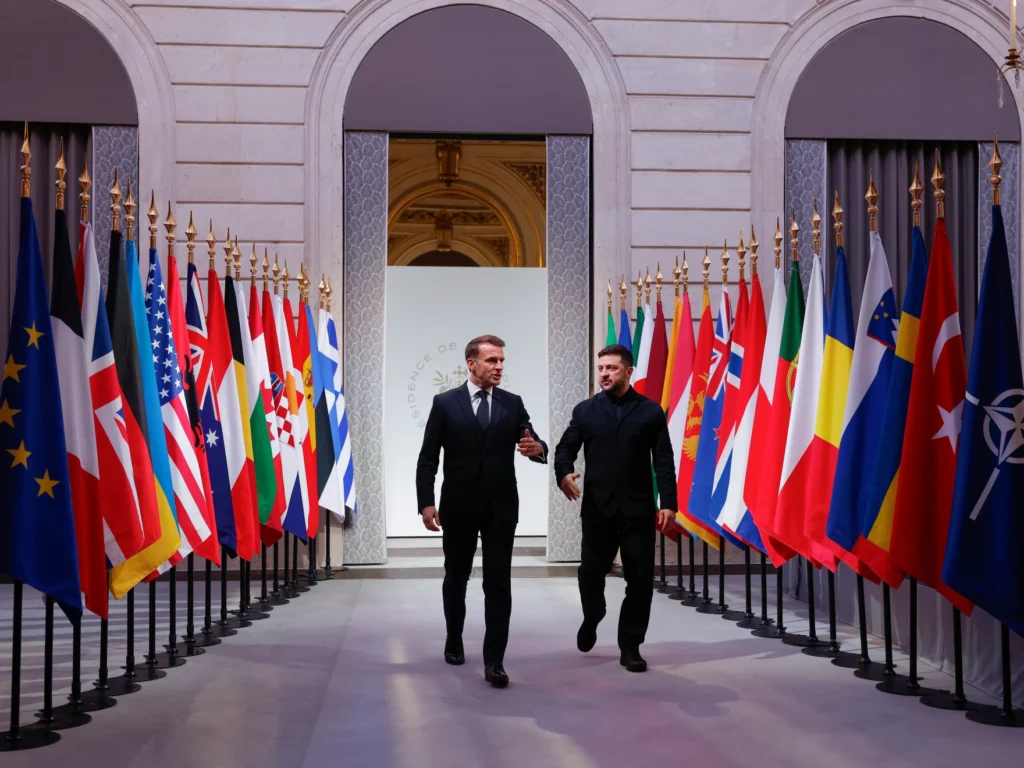
In May 2026, Ukraine’s Deputy Foreign Minister Mariana Betsa described a global shift in perception “from seeing Ukraine… as a consumer of security, to… a contributor to security.” That shift follows two distinct logics in Europe and further afield. In Europe, Ukraine is becoming increasingly integrated into Euro-Atlantic security structures, while with partners in other regions, motivations vary more widely.
This shift is also occurring amid a major structural change: the United States under the Trump administration seeking to reduce U.S. leadership in European security generally and support to Ukraine specifically. Under the Biden administration, Ukraine's security provider transition began alongside sustained U.S. support, however contested that support’s adequacy relative to Ukraine’s battlefield needs ultimately was. Under the Trump administration, however, it is happening in the context of a fundamental reorientation of U.S. Ukraine policy toward active disengagement and a generally more contentious bilateral relationship.
Despite challenges at the political level, parts of the U.S. government and defense industry are still learning from Ukraine’s experience and accessing Ukrainian technology. U.S.-Ukraine military-to-military relationships and defense industry commercial links have remained more robust, including a January 2026 Brave1 Dataroom/Palantir arrangement for AI development using Ukrainian battlefield data. Although the gap created by U.S. retrenchment cannot be filled by any one partner, attempts to compensate have accelerated European institutionalization of the relationship with Ukraine in ways that may prove more institutionally durable. Moreover, this changing U.S. approach is itself one of the drivers of Ukraine’s own push for greater self-reliance.
At the same time, Ukraine's integration into partner defense ecosystems represents both a structural advantage and a point of leverage that Russia cannot replicate. Where Russian defense development is increasingly isolated by sanctions and dependent on a shrinking technology base supplemented by Chinese, Iranian, and North Korean inputs, Ukraine is embedding itself in the defense ecosystems of the world's most technologically advanced economies, with direct implications for the long-term trajectory of its defense industrial capability.
Ukraine is establishing its role as a security provider in Europe through two distinct mechanisms: the integration of its defense industry into European and Euro-Atlantic production networks and the transfer of battlefield knowledge to partner militaries. Both mechanisms are increasingly institutionalized through formal bilateral, or in some cases multilateral, agreements, but the pace of implementation varies considerably across partners.
Ukraine’s integration is occurring amid a broader boom in defense cooperation in Europe. A recent mapping of this process identifies over 160 bilateral and multilateral defense arrangements signed between EU member-states, the United Kingdom, and Ukraine since 2014, with roughly 80 percent emerging after Russia's 2022 full-scale invasion. Ukraine is now embedded in this network at scale, as 21 EU member-states have a comprehensive defense agreement with Kyiv.
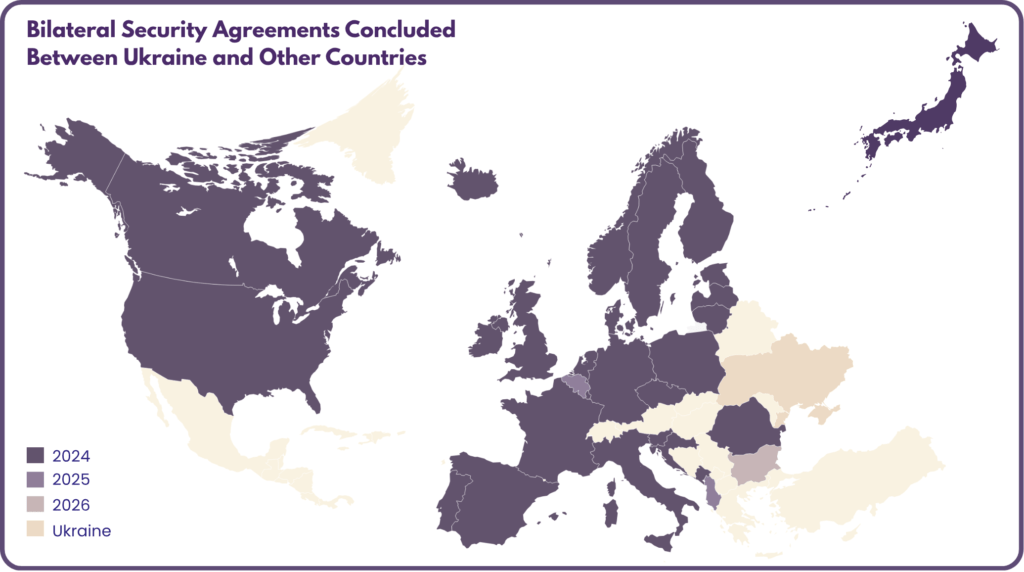
Ukraine's transition from security consumer to security provider in Europe is taking concrete institutional form through co-production agreements, licensing arrangements, and embedded industrial partnerships. The bilateral security agreements Ukraine signed with partners beginning in 2024 established political frameworks for cooperation, but it has taken more specific instruments to move from vague commitments to meaningful operationalization. The mechanisms documented below illustrate how that operationalization is unfolding, with Ukraine increasingly shaping the terms of engagement rather than simply accepting what partners offer.
Ukraine’s initial set of BSAs with partners were political agreements and signals of longer-term support for Ukraine, but these agreements were often ambiguous as to the form defense industrial cooperation would take. For example, the Germany-Ukraine BSA remains at a relatively non-specific level: “Germany will examine ways to encourage and facilitate engagement of its defence industry to contribute to the development of Ukraine’s defence industrial base.”
At the EU level, this architecture has expanded rapidly. The EUDIS Tech Alliance, launched in November 2025, connects over 40 EU and Ukrainian defense firms focused on drone and counter-drone technologies. This architecture also includes Ukrainian entities' new eligibility to participate in the €8.4 billion European Defence Fund after a “Mini-Defence Omnibus” regulation was adopted in December 2025 and the EU-Ukraine Task Force on Defence Industrial Cooperation, which is tasked with integrating Ukraine's defense industrial base into the European ecosystem. Moreover, Ukraine is eligible to participate in the EU’s European Defence Projects of Common Interest program, which aims to promote defense industrial collaboration.
To operationalize the knowledge transfer piece of its relationship with Kyiv, the EU has established a nascent physical presence in Kyiv via the EU Defence Innovation Office (EUDIO), which will help link Ukrainian battlefield-tested innovations to EU funding frameworks and European defense industrial partners. As an example of what this integration looks like in practice, EUDIO co-manages a €100 million joint initiative, BraveTech EU, which is “the first [EU-Ukraine] structured defence-tech collaboration” that aims “to accelerate R&D, testing, and deployment of dual-use and battlefield technologies, bridging the Ukrainian innovation ecosystem with Europe’s industrial and institutional capacity.”
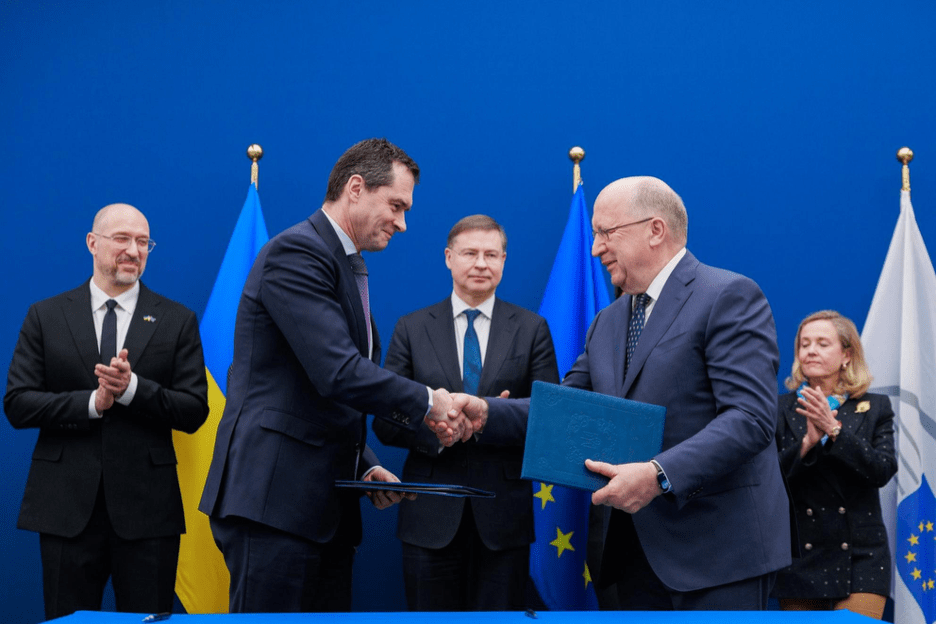
Drone capabilities have driven their own dedicated track within this architecture. The EU-Ukraine Drone Alliance, announced in May 2026, creates an industry-led drone and counter-drone ecosystem explicitly linking EU and Ukrainian firms, while the European Drone Defence Initiative, launched in 2026 and with full operational capacity targeted by the end of 2027, aims to build a multi-layered continental counter-drone system drawing explicitly on Ukrainian battlefield experience.
Multilateral frameworks, such as the Nordic-Baltic Eight (Denmark, Estonia, Finland, Iceland, Latvia, Lithuania, Norway, and Sweden), offer a complementary minilateral track rooted in shared proximity to Russia and a common security logic. The same logic underpins the Danish model's evolution into a multilateral financing platform for Sweden, Norway, and Netherlands contributions, discussed above, even though that mechanism sits outside any formal framework. The value of these types of groupings lies not just in the sum of their bilateral arrangements but in the pooling effect via shared threat assessments, coordinated procurement, and collective leverage that individual bilateral relationships cannot replicate. Such approaches can act as an intermediate layer between purely bilateral arrangements and broader EU- or NATO-wide mechanisms.
Complementing these production-focused arrangements is a growing R&D integration track aimed at accelerating joint innovation rather than simply scaling existing production. Brave-Norway, launched in October 2025 with a €20 million budget, provides grant support to develop battlefield-relevant technologies tested directly in Ukraine. The joint NATO-Ukraine UNITE-Brave NATO mechanism, announced in November 2025, will provide up to €10 million in grants for projects focused on C-UAS, air defense, and frontline communications, with potential to increase to €50 million after the pilot period. On June 29, 2026, the Ukrainian government consolidated these initiatives into Brave International, a unified framework governing existing and future programs, including UNITE-Brave NATO, Brave Norway, and new tracks with France, Germany, and Lithuania. The framework is built on jointly funded 50/50 grant pools, joint governing boards, competitions open to both Ukrainian and foreign applicants, and mandatory battlefield validation through the “Test in Ukraine” platform, with an initial budget exceeding €100 million.
Ukraine is increasingly shaping the terms of industrial engagement, while managing a tension between the need to supply its own forces and exploring opportunities abroad. First, the Ukrainian government has demanded localization via the ”Build in Ukraine” initiative, in which foreign companies are required to establish a local production presence as a condition of sustained market access. Second, Ukraine is contributing intellectual property, design specifications, and battlefield-validated operational requirements to production facilities in partner countries, or the “Build with Ukraine” initiative. In these arrangements, Ukraine is not demanding local presence; it is instead licensing its designs outward, to date concentrated among European partners. This is closer to a conventional technology export model, except the direction of technology flow is now outward from Ukraine rather than inward, as in the early stages of the war. Alongside these production models, the “Test in Ukraine” platform discussed above lets foreign firms access Ukraine's live combat-testing environment in a structured way, a further instance of Kyiv shaping the terms of access for its partners.
The institutional backbone of this initiative is a web of memorandums of understanding with NATO partners on quality assurance, which ensure that Ukrainian defense products meet NATO standards when produced, thus accelerating deliveries and increasing trust in the quality of the item being produced. That “Build with Ukraine” is explicitly based on NATO standards demonstrates the integrationist logic of Ukraine’s growing defense partnerships with Europe. At the EU level, this integrationist logic is further reinforced by structural financial mechanisms. The SAFE instrument's 65% EU/EEA/Ukraine content requirement formally embeds Ukraine in European defense supply chains, while EDIP's dedicated €300 million Ukraine carveout creates direct financial incentives for EU member-state cooperation with Ukraine.
Finally, after a decision in 2025 to lift a ban on exporting Ukrainian weapons, Kyiv has progressively formalized its export framework. Ukrainian companies began receiving licenses in early 2026 to allow them to export weapons abroad via ten planned “export centers” across Europe, although the initial wave of licenses is focused on components, spare parts, and services rather than finished systems. On April 28, 2026, Zelenskyy reiterated that exports would occur, with some categories now showing up to 50% excess capacity, while the Ukrainian Armed Forces would retain priority access to all required systems.
On July 1, 2026, the government approved a formal export framework that will remain in effect for the duration of martial law. Exports will proceed under the Drone Deal, a defense-industrial framework implemented as part of Build with Ukraine that Ukraine has concluded with a group of partners that continues to grow. The State Service for Export Control will issue permits within 30 days of application, and authorization requires that manufacturers can fulfill Ukrainian state orders and export contracts simultaneously. Twenty percent of proceeds from finished products and 30 percent from components will be directed to a fund reinvesting in Ukraine's defense industry. Technologies will be transferred for partner use only, without intellectual property rights included. In addition, re-export requires Ukraine's written consent, and any partner efforts to modernize transferred items must be documented back to Ukraine. Moreover, as Deputy Secretary of Ukraine’s National Security and Defence Council Davyd Aloian explained, the initiative is about more than “just drones” because “what’s even more important is the experience and knowledge, the access to all the components that form the system here in Ukraine.”
A September 2025 analysis by the Economic Security Council of Ukraine's Defence Industries Initiative found that Ukraine's export control system is facing "a critical lack of predictability in its wartime application," with production capacity increasingly outpacing domestic procurement funding but regulatory uncertainty effectively deterring the scaling needed to reach foreign markets. Even after the partial liberalization, as Orysia Lutsevych has characterized it, export controls have remained a “choke point” and require Ukraine to find “a balance between its war needs and exports.” Procedural opacity has also remained a significant barrier, with Ukrainian defense firms reporting that the absence of clear, transparent licensing mechanisms has deterred scaling toward foreign markets despite the formal policy shift. Whether the July 2026 framework resolves the predictability problems manufacturers have identified remains to be seen.
Consistent with the integrationist logic above, Ukrainian officials have emphasized that joint ventures and co-production arrangements take priority over simple exports of finished products, as these create more durable supply chains and provide Ukraine with direct access to partner technologies and financing. The demand side of this equation is robust: a Tech Force Ukraine survey of 42 private defense firms found that 90% received cooperation requests from foreign governments in Q1 2026, with manufacturers identifying the state export control system, rather than lack of foreign interest, as the primary bottleneck to converting that demand into real contracts.
The four bilateral relationships examined below show how this process is maturing. These are partnerships where the constraints documented above have not prevented, and in some cases have accelerated, the move from political commitment to operational reality. These efforts are the leading edge of BSA implementation, documenting how Ukraine’s partners are grappling with moving from ambiguous commitments to operationalization. Across Ukraine's relationships with the United Kingdom, Germany, Denmark, and the Netherlands, a common pattern is visible: BSAs establish the political framework with vague commitments for the relationship, specialized instruments translate it into mechanisms that can be operationalized, and by early 2026 each partnership has reached a more mature stage. These cases are illustrative of a pattern visible with many of Ukraine’s European partners.
The Ukraine-United Kingdom relationship demonstrates the conceptual reimagining of the relationship from one of donor and recipient to strategic partnership. Moving quickly beyond the political promises enshrined in their January 2024 BSA, which was the first such agreement signed between Ukraine and any partner, the two countries established financing mechanisms via a July 2024 credit agreement. One year after the initial BSA, Ukraine and the United Kingdom signed a 100-Year Partnership agreement, which is aspirationally permanent and sits above the BSA and other specialized financial instruments, explicitly designed to anchor the UK-Ukraine relationship across generations. The framing throughout is partnership rather than assistance. The language of Article 8 ("boosting positions as leaders") and Article 3 (establishing a "maritime security partnership") treats the two countries as co-equals building shared capabilities rather than one providing to the other, while Article 1 enumerates various ways the parties “shall” deepen their defense cooperation.
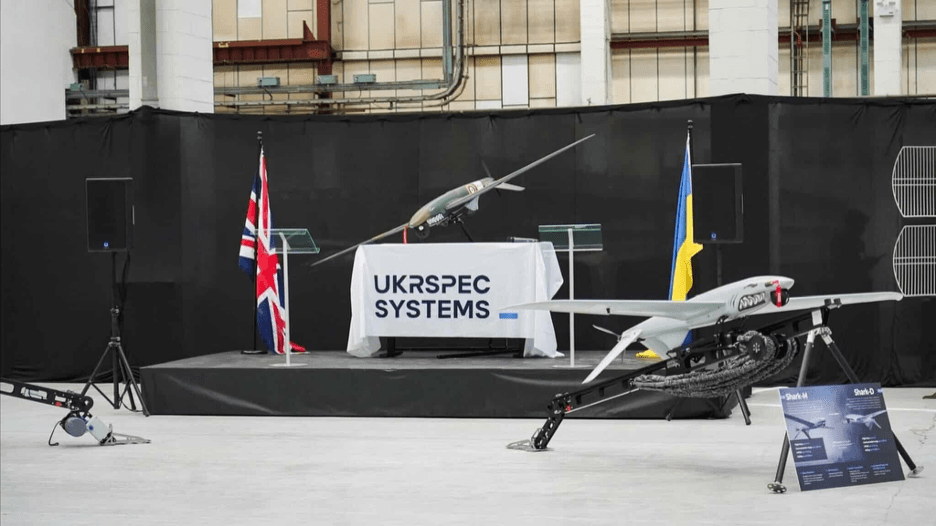
More than any other bilateral track, the UK relationship demonstrates that this inversion can be formally articulated: the March 2026 declaration's characterization of Ukraine and the United Kingdom as “partners in developing modern defence capabilities, based on their mutual technological, industrial, innovation and operational capacities and combining Ukraine’s battlefield experience” is the clearest statement in any bilateral document of Ukraine's transition from recipient to contributor.
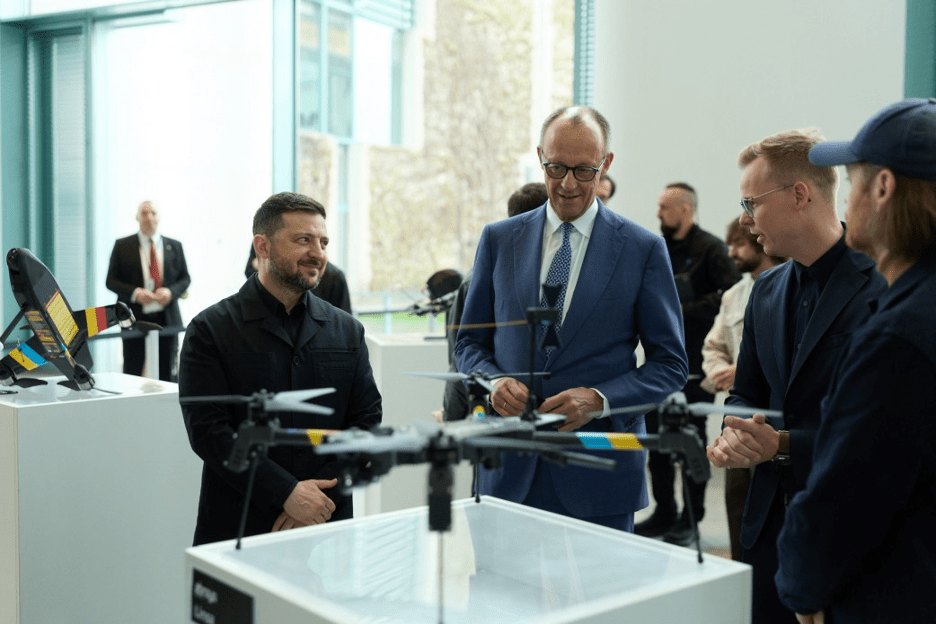
The pair’s Project OCTOPUS initiative illustrates this dynamic concretely. Recognizing Ukraine's six-week battlefield learning cycle, the two countries established a drone technology-sharing arrangement in September 2025, Project OCTOPUS. The arrangement, which UK Defence Secretary Healey described as giving "UK industry unprecedented access to the latest equipment designs," transfers Ukrainian-developed interceptor drone technology and intellectual property to UK manufacturers for mass production, with thousands of units per month to be supplied back to Ukraine. The Octopus-100 interceptor drone was conceived and battlefield-tested by the Ukrainian military, then refined with British technical support before being licensed to UK production. The formal license agreement was signed in November 2025, and the first UK-produced units completed successful test flights in January 2026.
The UK-Ukraine relationship has also deepened on the data and AI track. A June 2025 Battlefield Technology Data Sharing Agreement plugs Ukrainian frontline datasets into UK production lines, while the Defense AI Center “A1,” launched in March 2026 with UK backing, brings together military personnel and scientists to analyze frontline data and develop autonomous systems. This cooperation is aimed at jointly developing next-generation capabilities rather than scaling existing designs.
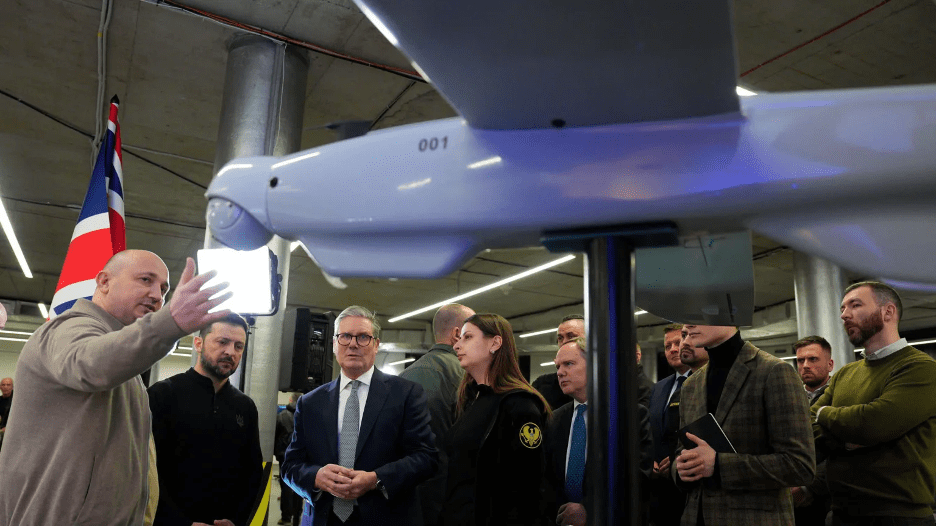
The Ukraine-Germany relationship has evolved well beyond the 2024 BSA’s promise to “examine ways to encourage and facilitate engagement” in defense industrial cooperation. In May 2026, German Defense Minister Boris Pistorius characterized the relationship as one of “strategic partners” who “are increasingly building a structured, long-term partnership to be reckoned with.” In October 2025, the countries signed an Agreement on Defence-Industrial Cooperation focused on joint projects in Ukraine, specifically Lynx infantry fighting vehicles and ammunition, and maintenance efforts for Gepard air-defense systems and Leopard tanks.
The partnership matured further by spring 2026 via a strategic partnership agreement that includes implementing arrangements on mid-range Seth-X strike drones and long-range Anubis drones and an implementing arrangement on providing drones to third countries (including specifically Gulf countries), as well as the defense technology cooperation via Ukraine’s Brave1 platform mentioned above. At the same time, Ukraine-German industry links have formed, including, for example, to produce the Linza logistics drone. In June 2026, Quantum Systems and Ukrainian manufacturer Tencore launched Quantum Tencore Industries to produce the Ukrainian-designed TerMIT ground vehicle in Germany, with an initial German-funded order of 2,000 units for delivery to Ukraine, demonstrating an application of the Build with Ukraine model to ground robotics. The partnership also includes a major active transfer mechanism via a data-sharing arrangement, which facilitates the transfer of raw battlefield data for German AI development rather than finished designs or operational experience.
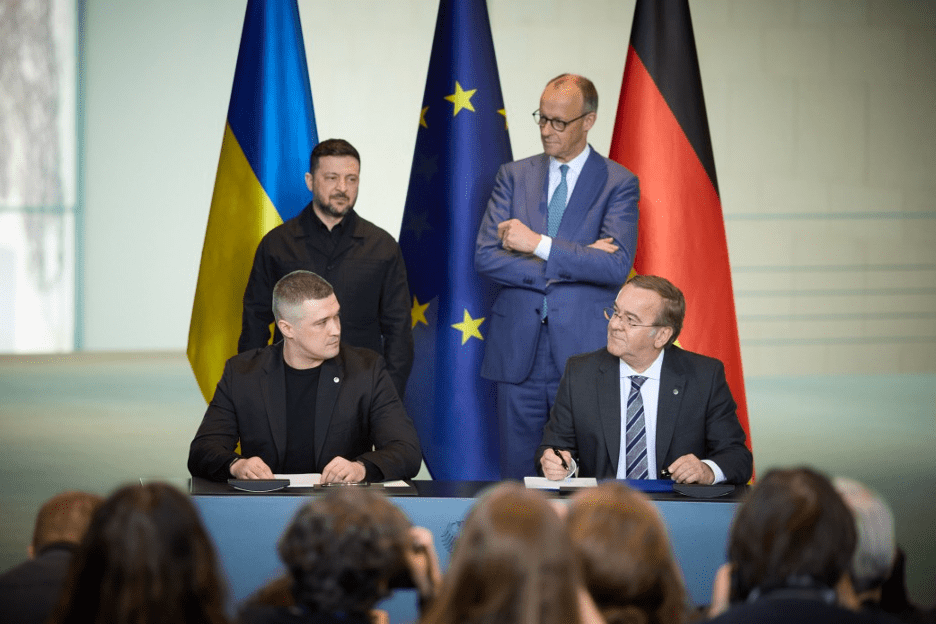
Denmark and the Netherlands have both increased their cooperation with Ukraine in drone development, demonstrating the shift from political commitment to co-production. After the Ukraine-Denmark BSA initially framed drone support as aid that Denmark would provide, Zelenskyy announced in June 2025 that Denmark would be the first country with which Ukraine launches joint production of long-range drones and missiles outside its borders, with €1.26 billion committed that year to Ukrainian drone production. The first joint drone production line launched in Denmark in September 2025, and at the NATO Ankara Summit in July 2026, the two countries signed a Drone Deal. As Zelenskyy said at the signing ceremony, “It was with Denmark that we began co-production in Ukraine under the Danish model, and it is only fair that Denmark will now gain access to Ukrainian weapons exports that have been tested in war.”
Where the Ukraine-Netherlands BSA identified “unmanned vehicles” as an area in which “Ukraine will cooperate with the Netherlands with regard to industrial production and operational knowledge,” the partnership has accelerated since, with the two countries signing a €110 million deep-strike drone co-production agreement in October 2025, with platforms to be built in the Netherlands as part of the Build with Ukraine initiative.
The Ukraine-Netherlands relationship further crystallized in April 2026 when they began developing a far-ranging bilateral Drone Deal, which they described as “a strategic initiative that provides for the joint development and production of drones, missiles, electronic warfare systems, and other defense technologies,” as well as “coordinated investments in defense infrastructure, research, innovation, and a systematic exchange of operational experience that Ukraine has gained during its fight against Russian aggression.”
The Netherlands track illustrates the same pattern of a BSA clause in March 2024 that named Ukrainian operational knowledge on unmanned vehicles as a contribution to the partnership evolving, within two years, into a licensing agreement, a drone deal, and a commitment to systematic exchange of operational experience, with each instrument more concrete than the last, culminating in a full-fledged Drone Deal agreement signed at the NATO summit in Ankara on July 7, 2026.
The same pattern of BSA commitments maturing into concrete industrial mechanisms, and increasingly embedding operational experience exchange as a contractual component, is visible across Ukraine’s partnerships with most NATO countries, although at different levels of maturity.
A preliminary letter of intent on air capability cooperation signed with Sweden in October 2025 acknowledges Ukrainian operational experience as an asset Sweden seeks to “harness,” explicitly including “exchange of experience and knowledge on air combat and defence and on the use of advanced capabilities in these areas.” Saab and a Ukrainian counterpart signed a memorandum in November 2025 to localize Gripen fighter jet production in Ukraine, representing a Build in Ukraine application to combat aircraft and one of the most ambitious industrial localization commitments to date. Ahead of localized production, Ukraine and Sweden signed an agreement in May 2026 that covers Ukrainian procurement of up to 20 Gripen E/F fighters financed through the EU Ukraine Support Loan alongside 16 Gripen C/D variants as direct assistance. Implementing that framework, the two governments signed an agreement on June 30, 2026 to procure 16 Gripen E fighters, financed through an EU loan with UK support, for delivery beginning in early 2029.
In late April 2026, Norway formalized the joint production of several thousand mid-strike drones in Norway under Ukrainian license, and Poland announced a national drone development program explicitly drawing on Ukrainian expertise, building on a Joint Working Group on Unmanned Aerial Systems established by memorandum in September 2025 to exchange operational knowledge and develop joint UAS and C-UAS methods.
Further south, Spain’s bilateral summit with Ukraine in March 2026 produced a cluster of company-level joint ventures, including between Spanish firm Sener and Ukrainian missile and air defense developers Luch, Fire Point, and Radionix, and between Escribano and Ukrainian uncrewed system manufacturer Skyeton for joint development of attack laser-guided systems based on Ukrainian drone platforms. Part of the Spanish financial package supporting these joint ventures is financed through SAFE. These agreements extend the pattern to NATO’s southern flank and embed it at the commercial level, where agreements are driven by industrial logic rather than political commitment alone and are therefore less susceptible to disruption when governments change.
Across these cases, partners are explicitly framing Ukraine not as an aid recipient but as a knowledge source and capability contributor. As Estonian Prime Minister Kristen Michal stated at the signing of the Ukraine-Estonia Drone Deal at the NATO Ankara Summit in July 2026, “Ukraine is no longer just a recipient of security, it is becoming a provider of security for Europe.” The security provider transition documented here is not being held in reserve for the post-war period; it is being institutionalized now, while the war continues, both inside Ukraine and in partner countries on terms increasingly set by Kyiv.
By early 2026 Ukraine's own military leadership had begun scaling back participation in overseas basic training programs, with a senior official noting that Western instruction had become “detached from our realities, from current combat operations.” Ukraine is increasingly the exporter of relevant tactics, techniques, and procedures (TTPs) rather than the importer, a role reversal that the institutional mechanisms this section documents are only beginning to formalize and that the pace of absorption among partners is yet to match.
Ukraine’s military has stepped into the role of training and advising partner militaries based on its battlefield experience. Several BSAs highlight the dynamic of allies recognizing the need for active transfer of Ukraine’s battlefield experience.
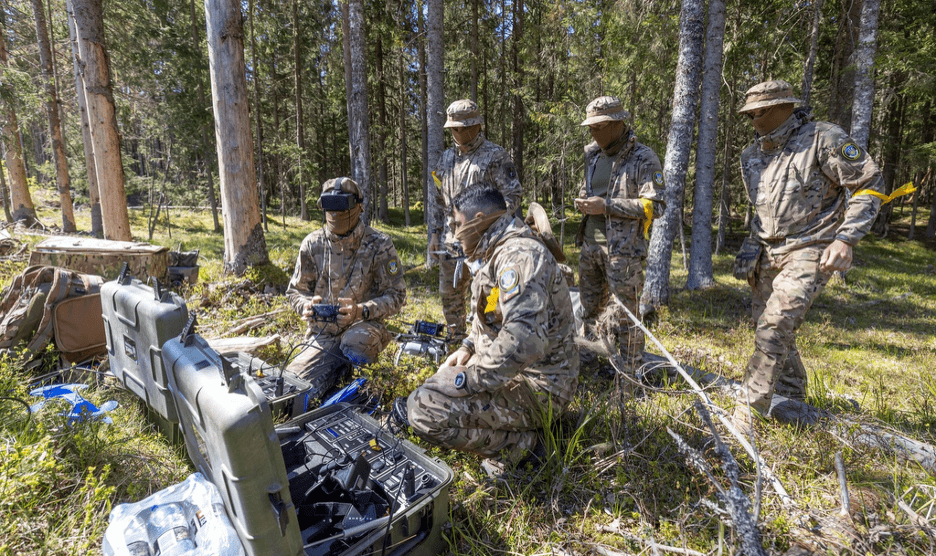
Ukraine’s bilateral security agreement with Estonia notes “Ukraine has unique and highly relevant experience and expertise of the modern conventional battlefield that is necessary for Estonia and other Allies in developing their security and defence forces,” both in terms of capabilities and planning. In addition, the agreement underscores that “information sharing is critical in fields ranging from air defence and electromagnetic warfare systems to situational awareness and battle management systems.” The similar agreement Ukraine signed with Canada highlights that “Ukraine has gained significant experience and expertise that can contribute to the continued modernization of the Canadian Armed Forces including in the development and military use of new technologies and emerging capabilities.” Similarly, the Ukraine-Spain BSA explicitly names ”Ukrainian battlefield lessons learned feedback and training indicators” as an input to joint training design, rather than characterizing training only as something Spain will provide.
Ukraine’s shift from trainee to trainer is already materializing in practice. Germany agreed to have Ukrainian instructors train German military personnel in drone warfare at German military institutions in early 2026, with German army officers telling Der Spiegel that “nobody in NATO currently has more combat experience than Ukraine–we must utilize that.” Latvia, too, incorporated Ukrainian military experience into its joint multinational exercises for the first time in January 2026, with the program explicitly structured around Ukrainian battlefield lessons. Meanwhile in May 2026, Canada's Chief of the Defence Staff, General Jennie Carignan, confirmed that Canadian forces are “learning a lot” from their Ukrainian counterparts directly. She highlighted that this knowledge is being integrated into Canada's own modernization efforts.
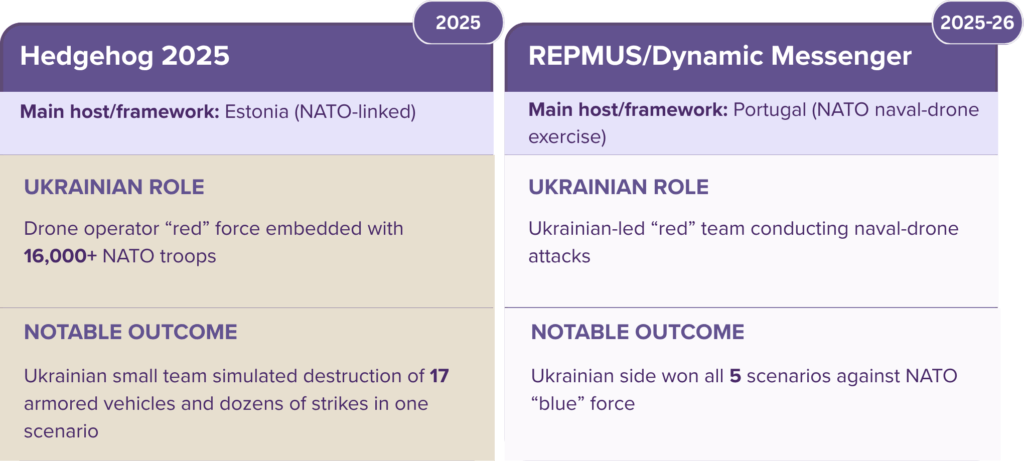
Beyond direct training relationships, Ukraine also offers passive knowledge transfer opportunities for NATO partners. Ukrainian servicemembers regularly play the “red,” or adversary team, in wargames and exercises, demonstrating their operational superiority, as at the Robotic Experimentation and Prototyping using Maritime Unmanned Systems (REPMUS) Dynamic Messenger 2025 exercise in Portugal. There, Ukrainian participants defeated their NATO “adversary” in five scenarios, using Ukraine’s Magura V7 naval drone to simulate sinking a NATO frigate so quickly that the NATO participants were “still asking in the general chat five minutes later whether the attack had even started.”
The passive transfer mechanism is evident in another recent NATO exercise that included Ukrainian participants. In Hedgehog 2025, Estonian officers brought in Ukrainian servicemembers specifically to simulate a “contested and congested” battlefield and “create friction, the stress for units, and the cognitive overload as soon as possible.” Ten Ukrainian servicemembers mock-destroyed 17 armored vehicles and conducted 30 strikes in approximately half a day, which simulated the elimination of two battalions in what several participants characterized as a “horrible” and “shocking” outcome for the participating NATO forces. The pattern repeated at Aurora 26 in April-May 2026, Sweden's largest national exercise of the year with 18,000 troops from 12 NATO allies and Ukraine, where Ukrainian drone operators repeatedly penetrated allied positions, forcing training pauses as Swedish forces reassessed their tactics.
NATO officials are actively incorporating lessons learned from Ukraine into their planning. The first ever visit by Admiral Pierre Vandier, NATO Supreme Allied Commander Transformation, to Kyiv in March 2026 is perhaps the highest-level formal acknowledgment of this passive transfer dynamic at the alliance level. He identified two key lessons for NATO: the need to rapidly adapt and implement lessons learned from Ukraine and to develop a “frugal lethality” ethos for the alliance’s industrial base. Passive transfer, therefore, is not just happening at the bilateral exercise level but is being recognized and theorized at the NATO leadership level.
Upon reaching full operational capability, the NATO-Ukraine Joint Analysis, Training and Education Centre (JATEC) in Bydgoszcz may become a mechanism through which Ukrainian experience is pooled and disseminated within NATO, though bilateral pipelines between Ukraine and individual allies have in many cases moved faster.
Ukraine is also increasingly integrating into NATO-adjacent structures. For example, Ukraine signed an enhanced partnership agreement with the Joint Expeditionary Force, a ten-nation coalition of northern European countries led by the United Kingdom, in November 2025. These types of coalitions allow for additional points of interaction and opportunities for knowledge transfer. Groups of NATO allies are forming other ad-hoc coalitions to focus on specific initiatives, as the United Kingdom, France, Germany, Italy and Poland are doing via the LEAP program. This program aims to “develop affordable interceptor drones within a year,” based explicitly on Ukraine’s battlefield experience.
While Ukrainian TTPs are reaching partner militaries through these exercises and visits, the broader doctrinal and institutional changes that would be required to absorb them fully, including doctrine, force design, and defense procurement reform, are proving considerably slower. These changes may require difficult tradeoffs, such as eliminating existing unit types to build drone and electronic warfare formations. Other constraints hinder adoption, such as classified rules limiting information sharing between NATO and Ukraine. The risk is that partners absorb Ukrainian innovations on a timeline that the battlefield has already sped past.
Ukraine’s engagement beyond Europe follows a different logic organized along predominantly commercial-strategic lines, where Kyiv can offer the same battle-tested capabilities and experience in exchange for specific material or strategic benefits. Some of this engagement is happening via a “bypass network” of partners working both around and because of structural factors created by the United States. In these cases, the U.S. withdrawal from its prior leadership role in European security is creating demand for partners with combat-tested organic capabilities that can be shared without Washington's permission or involvement. Ukraine's lifting of the export ban is enabling a more direct commercial dimension to these engagements, although export controls will remain as Kyiv seeks to protect intellectual property.
Ukraine’s capabilities and experience are attractive in several contexts, but most immediately where partners seek low-cost drone-powered capabilities or face counter-drone challenges, and sometimes both simultaneously. This engagement is also strategically deliberate: by cultivating security partnerships beyond Europe, Kyiv is diversifying its dependencies, demonstrating value to some partners who might otherwise perceive any support to Ukraine primarily as a financial burden, and generating material returns that directly support its defenses in the war. Ukraine’s budding partnerships in the Gulf region are its most commercially ambitious beyond Europe, structured around a specific and urgent operational need that Ukraine is uniquely positioned to meet. The Gulf states have faced a near daily threat of drone strikes from Iran after the United States and Israel began striking the country in late February 2026. These drones represent the result of a continuous combat-driven evolution of Iranian Shahed platforms originally delivered to Russia in 2022-23. Russia developed them further through battlefield testing against Ukraine and is now supplying them back to Tehran with upgrades. Russia also provided Iran cyber and intelligence support. The Gulf is therefore facing a Russian-modified threat that Ukraine has been countering and adapting to for four years, at a scale and intensity greater than the region has faced before.
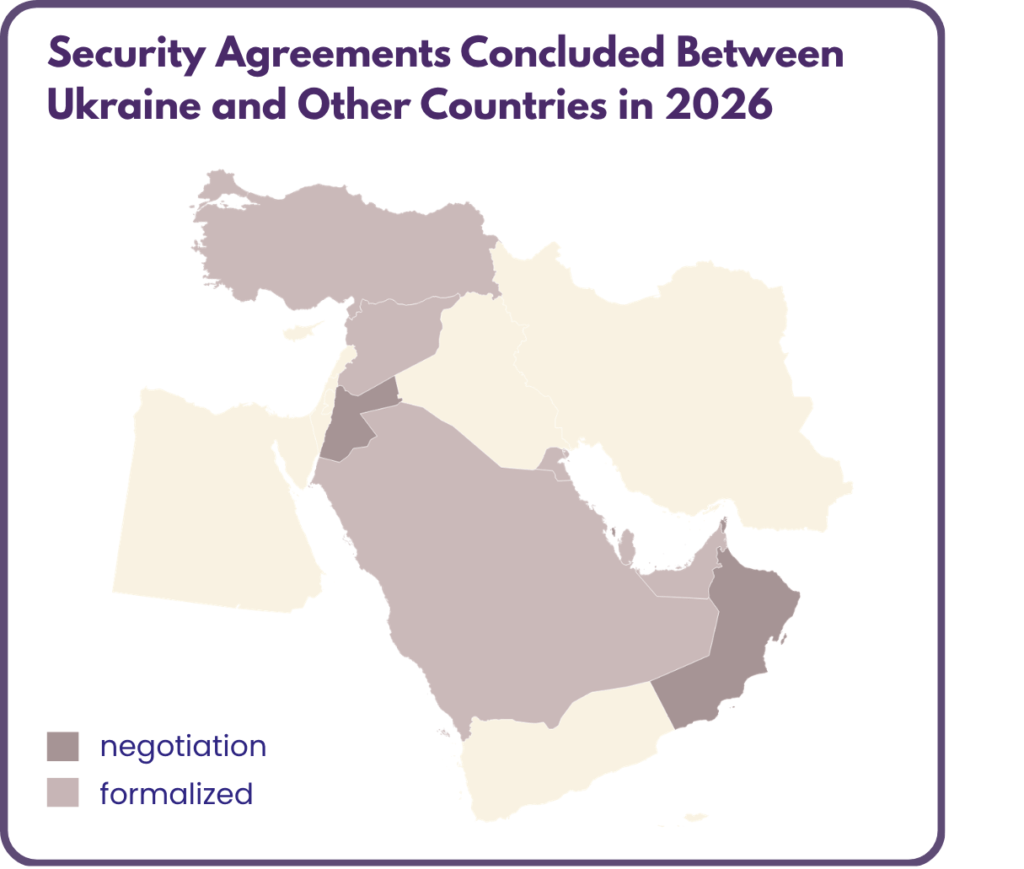
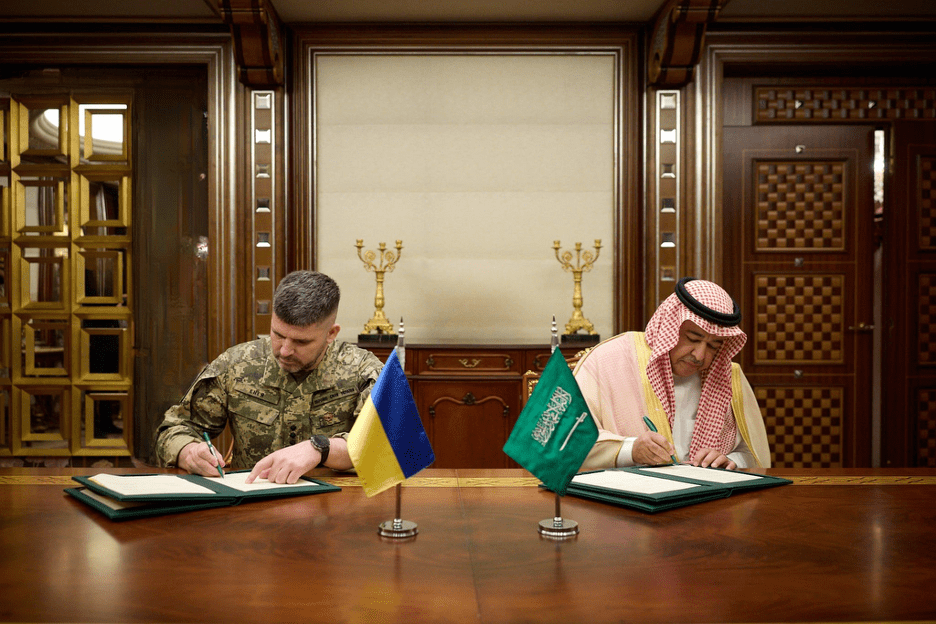
To counter that threat, Ukraine has begun offering its counter-drone capabilities and experience as part of a proposed exchange for air and missile defense interceptors, financing, energy supplies, and other returns. To facilitate this barter, Saudi Arabia, Qatar, and the United Arab Emirates have signed 10-year cooperation agreements, with Bahrain, Kuwait, and Oman in similar talks. The institutional framework for this cooperation is developing rapidly. Moreover, the Ukraine-Germany April 2026 Strategic Partnership Declaration’s inclusion of a specific implementing arrangement for drone provision to Gulf countries suggests the bilateral European production partnerships and the beyond-Europe commercial track are beginning to converge, at least in key areas of overlap.
According to Zelenskyy, Ukraine sent military instructors specialized in drone interception and electronic warfare to the Middle East. “Did we destroy Iranian Shaheds?” Zelenskyy asked during a briefing with journalists on the deployment. “Yes, we did. Did we do it in just one country? No, in several. And in my view, this is a success." That the United States was one of 11 countries requesting this counter-drone assistance, despite U.S. President Donald J. Trump’s assertion that “we don’t need [Ukraine’s] help in drone defense,” demonstrates Ukraine’s growing role as a security provider whose capabilities partners cannot easily source elsewhere.
Beyond the Gulf, Ukraine is pursuing defense relationships across Asia. Japan-Ukraine defense cooperation accelerated significantly from April 2026, when Japan lifted its postwar ban on lethal weapons exports. Japanese company Terra Drone, which had previously worked through its Dutch unit to supply military-related technology to Ukraine, announced its cooperation on interceptor drones would continue directly, while Kyiv has begun pursuing Japanese government financing for indigenous air defense development.
Ukraine is finalizing a security cooperation agreement with India as part of a broader technology exports push into Asia. But India’s relationship with Russia, including the two countries’ deepening defense cooperation, will likely limit the Ukraine-India partnership to discrete capability areas like counter-drone technology.
For another partner, Taiwan, Ukraine’s experience fighting a larger adversary with asymmetric means is instructive; but the relationship lacks formal government-to-government ties that could facilitate greater cooperation. In the near term, Ukraine-Taiwan cooperation will expand via industry, private sector, and civilian links.
Ukraine’s commercial-strategic track differs from the European integrationist track in that it operates without a BSA framework and is often driven more by immediate operational demand than long-term structural integration. The growing network is not a threat to the European integrationist architecture but is rather its complement: where Europe is institutionalizing Ukraine's security provider role through political agreements, specialized instruments, and co-production frameworks, the beyond-Europe track is demonstrating that the very battlefield expertise that is helping to integrate Ukraine more deeply into the Euro-Atlantic security architecture is generating demand well beyond those structures.
Although anticipating Ukraine’s exact post-war position is impossible given the number of variables at play and its contingency on the nature of the post-war settlement, the frameworks Ukraine is building now will shape what is possible. One thing is certain: Ukraine’s transition to security provider is not waiting for peace but instead is being institutionalized while the war continues. The institutional structures documented in the preceding sections are precisely the mechanisms through which the near-term transition becomes a durable post-war architecture.
Although this section frames Ukraine's trajectory in terms of a post-war transition, the security environment is unlikely to afford a clear demarcation. The institutional structures being built now will likely need to sustain Ukraine's security provider role under conditions of ongoing–and potentially increasing–threat rather than in the relative stability of genuine peace. Even a successful ceasefire could generate new vulnerabilities, including Ukrainian public pressure to demobilize, Russian opportunity to reconstitute its military, and European partners potentially relaxing support, thus making the institutional structures discussed in this report all the more critical to lock in before that moment arrives.
The usefulness of Ukraine's accumulated battlefield experience and capabilities will not disappear the day the war ends, but it will be time-bound. In short, these will become depreciating assets once the existential imperative to innovate recedes. The pace of depreciation, however, depends on what is depreciating. Hardware advantages erode as partner industries catch up, but operationally informed institutional knowledge will depreciate more slowly, and only accelerate when partner forces gain comparable combat experience of their own. As Fabian Hoffmann notes, European companies are already developing autonomous interceptor systems that could narrow Ukraine's advantage, while Maksym Beznosiuk and William Dixon observe that “as international defense companies catch up, the value of Ukraine's battlefield data and experience will inevitably diminish.” This creates a structural incentive: the institutional relationships and co-production structures Ukraine is developing now need to be locked in before that window narrows.
Ukraine's shift toward an export-oriented DIB will come into its own as wartime restrictions ease and production capacity is redirected from frontline supply toward export markets. Medium-term co-production projects like those discussed in this report are a major mechanism for this transition, providing the export demand and partner financing that can sustain Ukraine's defense industrial base if and when domestic procurement demand contracts after the war. In a post-war environment, Kyiv could also choose to further relax restrictions on issues like licensing to allow for technology sharing with a wider array of partners.
Ukrainian NATO membership formally remains the endpoint of the security provider transition by converting Ukraine from a partner receiving security guarantees to an official Article V contributor. It is also one of the most contested and uncertain elements of any post-war settlement. In the interim, the mutual assistance clauses in various BSAs anticipate that transition.
For instance, the Ukraine-Belgium BSA commits the pair “to ensure that in the event of external military aggression against Belgium, Ukraine's military capabilities are sufficient for the provision by Ukraine of effective military support to Belgium,” while the Ukraine-Canada BSA sets the “goal for Ukraine’s military capabilities to reach a level that, in the event of external military aggression against Canada, Ukraine is able to provide effective military assistance.” The Poland-Ukraine BSA's temporal qualifier offers the most precise formulation: “in the event of external aggression against Poland during the period preceding Ukraine's accession to NATO," explicitly framing the mutual assistance commitment as an interim arrangement. Taken together, these clauses constitute a formal legal anticipation of Ukraine's security provider role built directly into bilateral frameworks while the war continues.
Although the EU regularly reiterates that “the future of Ukraine and its citizens lies within the European Union,” Ukraine's path to EU membership is similarly uncertain, given both the EU's comprehensive accession process and the way existing political complexities may be compounded by a post-war settlement. The financial and industrial architecture discussed in this report will likely be supplemented by deepening military cooperation at the EU level, which may provide additional channels for integrating Ukrainian capabilities ahead of Ukraine’s EU accession. Moreover, existing instruments like SAFE could be further expanded in future iterations to facilitate Ukraine’s deeper integration into the EU common market.
The uncertainty around both NATO membership and the EU accession timeline has prompted parallel thinking about how to further integrate Ukraine's defense capabilities into the European security architecture before either is achieved. Not waiting passively for these issues to be resolved, Ukraine is itself actively shaping this minilateral architecture. In a post-war environment, this architecture may allow deeper integration with fewer internal constraints, such as veto dynamics, inherent to larger formats. For example, Ukraine could join the JEF as a full member, a step the war's end need not be a prerequisite for given the force's voluntary, coalition-of-the-willing structure.
Meanwhile, beyond the export of hardware and licensed designs, Ukraine's post-war security provider role may also encompass the direct provision of combat-tested defense services that partners cannot develop at comparable speed or credibility from peacetime foundations alone. In the most ambitious vision of Ukraine's security provider role, Ukrainian forces themselves could serve as a direct contributor to European defense by deploying to partner territory as a deterrent or defensive presence rather than simply transferring knowledge and hardware. The BSA mutual assistance clauses already embed this logic in contractual form; what remains is the political will to operationalize it.
Demand from partners facing asymmetric threats will persist beyond the war's end. The Gulf security agreements’ ten-year time horizon shows that these countries foresee long-term relevance for Ukraine’s capabilities and expertise, while the relationships Ukraine is building with countries like India through security cooperation arrangements will provide the framework for deeper post-war engagement.
At the beginning of the full-scale invasion, Ukraine was Europe's largest security consumer. More than four years later, Ukraine is becoming one of the continent's most consequential security contributors even as it continues to fight for its survival. The transition documented in this report is not a future aspiration: it is already being embedded in bilateral agreements, co-production plans, training arrangements, and institutional proposals developed while the war continues. Beyond bilateral arrangements, this transition may also offer an opportunity to forgo fragmentation in certain key areas by leveraging Ukraine's battle-tested designs and operational experience alongside European funding and R&D capacity as the basis for pan-European platforms and their related ecosystems. The question is no longer whether Ukraine can play the role of security provider but whether the institutional architecture being constructed now will prove durable enough to hold once the existential demands of war driving Ukrainian innovation subside and political attention turns elsewhere.
The answer to that question will depend on two issues above all. First, whether Ukraine can convert its time-limited battlefield advantage into locked-in co-production relationships, licensing and export arrangements, and mutual assistance frameworks before that advantage depreciates and before partners find it easier to absorb Ukrainian lessons than to maintain partnerships with Ukraine. As the record of this war shows, technology is diffusing faster than the institutional relationships required to sustain its value for the military organizations seeking to absorb it.
Second, whether Ukraine's partners prove willing to follow through on commitments made when the pressure of war eases. Ukraine has demonstrated it can deliver, and its deepening integration into partner defense ecosystems will compound this advantage. At the same time, Russia's dependence on a shrinking technology base supplemented by Chinese, Iranian, and North Korean inputs is not reversible on any near-term timeline. The harder task for Kyiv and for its partners alike is ensuring that the arsenal of experience forged over years of existential war serves as the foundation of a durable security architecture.
That architecture will need to hold not in the relative stability of a post-war settlement but under conditions of ongoing and potentially intensifying threat. Its next phase is not the replication of Ukrainian designs by partners but the joint creation of capabilities that each side is better positioned to build together than apart, further binding partners to Ukraine through shared production rather than goodwill alone. The security environment will not wait for that architecture to mature.
The views expressed in this report are those of the authors alone and do not necessarily reflect the positions of the Transatlantic Dialogue Center or any other organizations with which the authors may be associated.
John Drennan is a Non-Resident Fellow at the Transatlantic Dialogue Center, focusing on U.S.-EU-Ukraine defense and security issues, and a Visiting Fellow in the Europe in the World Programme at Egmont – The Royal Institute for International Relations in Brussels, where he researches the war in Ukraine, alliance politics, escalation management, and transatlantic relations. He previously worked at the RAND Corporation, the U.S. Institute of Peace, and the International Institute for Strategic Studies, and from May 2024 to May 2025 served as Ukraine Country Director in the Office of the Under Secretary of Defense for Policy at the U.S. Department of Defense via the Intergovernmental Personnel Act. He holds an MA in Strategic Studies and International Economics from Johns Hopkins SAIS and a BA in Political Science, Economics, and International Studies from Case Western Reserve University.
The author would like to thank Marianna Fakhurdinova, Maksym Chebotarov, and Stanislav Boiko for their helpful comments and thoughtful review of earlier drafts.