


 20 хв читання
Інформація — це зброя. І Росія добре це знає. У лютому 2013 року начальник Генерального штабу Росії генерал Валерій Герасимов опублікував коротку статтю «Цінність науки у передбаченні», у якій окреслив контури майбутніх воєн. Він висунув такі ідеї:
Росія вперше застосувала гібридні методи ведення війни після вторгнення до Грузії у 2008 році, а усвідомивши ефективність цієї тактики, почала ще активніше розкручувати пропагандистську машину. Вона досягла піку у 2014 році, під час анексії Криму та початку війни на Донбасі. Відносна безкровність окупації в поєднанні з величезним обсягом дезінформації призвела до того, що навіть сьогодні німці мають викривлене уявлення про ті події.
За цих обставин у жовтні 2015 року в загальній доповіді Парламентської асамблеї НАТО російську «гібридну війну» назвали «новим стратегічним викликом», який вимагатиме від держав — членів НАТО діяти на місцевому, національному та міжнародному рівнях, щоб «підготувати й захистити своє населення» з огляду на безпекове середовище, що склалося після 2014 року.
За даними опитування 2021 року, 91% німців побоювалися, що їхні співгромадяни зазнають впливу дезінформації. І для цього були вагомі підстави, адже лише за період із 2015 до 2021 року дослідники відстежили понад 700 російських кампаній з дезінформації проти Німеччини.
І ці масштабні зусилля дали плоди:

Навіть після 2022 року, коли незаконність дій Росії стала очевидною, широкій громадськості й досі бракує усвідомлення масштабів жорстокості та злочинів, скоєних російськими військовими.
За даними дослідження «Belastungsprobe für die Demokratie» («Випробування для демократії»), майже кожен п’ятий німець вважав, що НАТО так довго провокувало Росію, що їй довелося розпочати війну (19%). Найбільше занепокоєння викликає те, що з квітня 2022 року підтримка проросійських тверджень поступово зростає.
Усе це підтверджує наявність гострої проблеми російської дезінформації в Німеччині. У цій статті ми спробуємо пояснити, як вона працює, чому люди в неї вірять і як із нею боротися в німецьких реаліях. Це особливо важливо, адже що менша солідарність з Україною, то більше політики вагаються щодо посилення підтримки. І поки люди сумніваються, де правда, гине дедалі більше невинних жителів України.
Німецькі еліти вважали, що миру й стабільності в Європі можна досягти лише з Росією, а не проти неї. Згідно з цією концепцією, Росія мала інтегруватися в Європу, а Німеччина бачила себе мостом, яким Росія пройде цей шлях.
За даними опитування Фонду Кербера 2018 року, 17% німців вважали Росію найважливішим партнером Німеччини — вона посідала третє місце після Франції та США, — а 69% хотіли тісніше з нею співпрацювати.
На це бачення вплинули такі чинники:
1. Історичні та політичні
По-перше, після Другої світової війни, у якій Радянський Союз втратив понад 26 мільйонів людей, у Німеччини залишився «комплекс провини» перед Росією. Наприклад, німці часто вважають Росію єдиною жертвою винищення, спричиненого війною в Центральній та Східній Європі. Так само вони вважають Росію єдиною країною-переможницею. Однак у Червоній армії служили представники різних народів, а найбільших руйнувань і людських втрат насправді зазнали Польща, Білорусь та Україна.
По-друге, Німеччина була мішенню радянської, а згодом російської дезінформації ще від часів холодної війни. У 1950-х роках радянська влада намагалася роздмухати загрозу відродження нацизму, щоб посилити підтримку прорадянських партій. А під час виборів 1983 року Москва організувала те, що уряд канцлера Гельмута Коля назвав «масштабною пропагандистською кампанією з втручання у справи Західної Німеччини», аби усунути його від влади.
Але переломний момент настав, коли канцлер Західної Німеччини Віллі Брандт започаткував Ostpolitik («східну політику») на початку 1970-х років. Відтоді тісні відносини з Росією стали невіддільною частиною зовнішньої політики Німеччини. Ідея цієї політики полягала в демократизації Росії через її економічну інтеграцію. Німеччина вважала, що завдяки зміцненню економічних зв’язків між країнами Москва стане менш агресивною, прагнучи зберегти свої прибутки. Однак принципи позитивної взаємозалежності просто не узгоджуються з російським розумінням власних інтересів і природою державного устрою Росії. Унаслідок цього залежною від Росії стала сама Німеччина, особливо від російського газу.
Німеччина стала цікавим прикладом того, як Росію підтримують і праві («Альтернатива для Німеччини» — AfD), і ліві («Ліві» — Die Linke) партії. Це свідчить про байдужість російського керівництва до ідеологій, адже воно розуміє лише концепцію «інтересів і вигод». Саме такий підхід призводить до великих жертв, бо на шляху до мети знецінює людське життя.
2014 рік і анексія Криму не призвели до перегляду спадщини Ostpolitik, але у 2022 році Олаф Шольц виступив із промовою, у якій оголосив про план радикального розриву з традиційною політикою Німеччини щодо Росії. Це дає надію на послаблення російського впливу в Німеччині.
2. Культурні та соціальні
У Німеччині живе близько 2,5–3 мільйонів російськомовних іммігрантів. Багато з них соціально ізольовані й недостатньо володіють німецькою мовою. Тому, хоча вони живуть в іншій країні, вони залишаються в російському інформаційному просторі.
Ще одна ціль російської пропаганди — землі колишньої НДР, де живе близько 16 мільйонів людей. За радянських часів російська культура набула там значного поширення. Діти читали в школі Достоєвського й Толстого, слухали Чайковського та вивчали російську як іноземну мову. Цей культурний зв’язок не так легко розірвати.
Сьогодні існує навіть спеціальний термін — «остальгія», утворений поєднанням слів Ost (німецькою — «схід») і Nostalgia («ностальгія»); ним позначають тугу людей за комуністичним минулим Німеччини.

Крім того, російське керівництво активно сприяло неформальним інтеграційним заходам, зокрема обмінам. Наприклад, у 15 років Ангела Меркель отримала в нагороду поїздку до Москви за успішний виступ на загальнонаціональному конкурсі з російської мови у Східній Німеччині.
Яскравим прикладом такої взаємодії до 2022 року був Німецько-російський форум.
Ці культурні зв’язки істотно вплинули на країну та її сприйняття Росії. Крісті Райк пише у своїй статті, що Німеччина, схоже, майже доктринально вірить у цінність розвитку діалогу з Росією, часто не маючи чіткого уявлення, про що саме хоче говорити. Це може бути наслідком віри Німеччини в унікальність її відносин із Росією та у власну здатність впливати на неї.
Ще одна характерна риса багатьох німців — неприйняття радикалізму як у діях, так і в думках, що є спадщиною Другої світової війни. Навіть коли є просто агресор і жертва, вони вважають, що не існує чорного й білого, і прагнуть розглядати ситуацію з різних боків. Відданість переговорам не завжди є ефективною тактикою на війні, де потрібні швидкі рішення й тверда позиція.
3. Економічні чинники
За останні 26 років експорт Німеччини до Росії зростав у середньому на 6.22% щороку — з $6.51 млрд у 1995 році до $31.3 млрд у 2021 році, тоді як експорт Росії до Німеччини зростав на 4.56% — з $6.04 млрд у 1995 році до $19.2 млрд у 2021 році.
Коли російські війська вторглися в Україну, Росія постачала понад половину всього природного газу, який імпортувала Німеччина, — приблизно на $220 млн на день.
Чимало найбільших німецьких компаній мають розгалужені ділові зв’язки з Росією. До консорціуму «Північний потік — 2» входили німецькі компанії Uniper і Wintershall, а колишній канцлер Герхард Шредер (SPD) очолює раду директорів Nord Stream AG. Вплив великого бізнесу в Християнсько-демократичному союзі (CDU) обмежував можливості для протистояння з Москвою за часів Меркель.
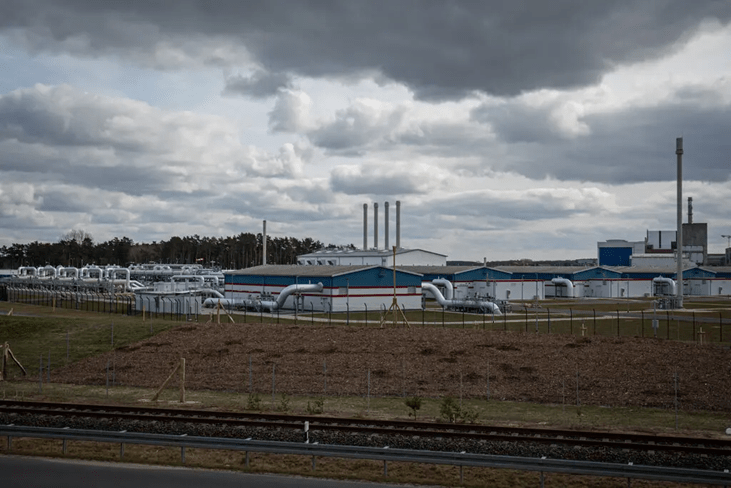
Навіть після повномасштабного вторгнення в Україну «Газпром» і далі намагається зберегти свої позиції в Німеччині. Наприклад, нещодавнє розслідування онлайн-видання CORRECTIV викрило мережу зв’язків між німецькими політиками, німецькими енергетичними концернами та низкою громадських організацій. Характерна риса російських лобістів — зосередженість на окремих федеральних землях Німеччини; особливо значний вплив вони здобули, наприклад, у Мекленбурзі — Передній Померанії. Численні колишні й чинні прем’єр-міністри 16 федеральних земель Німеччини були членами та почесними гостями таких добре фінансованих організацій, як Німецько-російський сировинний форум, Німецько-російська зовнішньоторговельна палата та недовговічний Інститут досліджень «Діалог цивілізацій».
Однак повномасштабна війна в Україні суттєво змінила відносини між Росією та Німеччиною і послабила їхні економічні зв’язки. За статистикою, з жовтня 2022 року до жовтня 2023 року експорт Німеччини скоротився на €-376M (-38.2%) — з €986M до €610M, тоді як імпорт зменшився на €-1.56B (-86.3%) — з €1.8B до €246M.
Коли ми думаємо про дезінформацію, передусім спадає на думку, що вона постійно намагається нав’язати нам брехню. Але насправді дезінформація набагато складніша, а методи, які використовує Росія, — значно різноманітніші. Ось деякі з них:
1. «Керований хаос» або «множинність правд». Наприклад, після збиття рейсу MH17 авіакомпанії Malaysia Airlines Міністерство оборони Росії провело спеціальну пресконференцію, на якій представило різні версії подій. Хоча вони суперечили одна одній і не витримували навіть побіжної перевірки експертів, свою мету виконали — посіяли сумніви.
Сучасніший приклад — висвітлення у медіа трагічних подій у Бучі. За твердженням Міністерства оборони Російської Федерації, поки цей населений пункт перебував під контролем Збройних сил Росії, жоден місцевий житель не постраждав від насильницьких дій. В інших новинних повідомленнях кадри із загиблими називали інсценуванням і стверджували, що «тіла рухаються». Лавров заявив, що це була сфальсифікована атака київської влади, а Лукашенко звинуватив у провокації Велику Британію.
Головна мета цього «інформаційного хаосу» — змусити нас сумніватися, адже тоді ми вже не впевнені, хто має рацію, і не здатні ухвалювати рішення, щоб протистояти несправедливості, бо незрозуміло, хто винен.
Російські новини — справжнє мистецтво абсурду. Як писав Сплідсбоель Гансен у своїй доповіді: «У найкращій постмодерністській традиції немає “об’єктивних новин” — є лише різні, конкурентні інтерпретації, які претендують на те, щоб показати різні аспекти того, що можна назвати “реальністю”». Коли ми читаємо новини про те, що Україна розводить бойову сарану й відправляє її на поле бою або використовує птахів як біологічну зброю, це не означає, що ми маємо в це повірити. Але через таку кількість варіантів правди ми заплутуємося і втрачаємо здатність ефективно реагувати.
2. Замовчування фактів або нерозказані історії. Наприклад, у лютому 2014 року контрольовані державою медіа уникали повідомлень про російське вторгнення до Криму. Лише коли Путін відкрито визнав, що «зелені чоловічки» насправді були російськими військовими, журналісти почали писати на цю тему.
3. Потрібний наратив. Це означає, що в новинах повідомляють про реальні події, але нав’язують читачеві «правильну думку». Такий матеріал не обов’язково містить неправду, проте має сформувати в читача певні політичні уподобання. Наприклад, якщо російські медіа пишуть про навчання Збройних сил за кордоном, вони повідомляють, що Росія надіслала країнам НАТО ноту щодо постачання зброї Україні, а накачування України західною зброєю негативно впливає на російсько-українські переговори.
4. Виривання фактів із контексту. Цей метод дуже часто використовують, щоб ввести читача в оману. Створюючи таку дезінформацію, пропагандисти добирають відомості, які формують бажану думку, а інформацію, що їй суперечить, не згадують. Наприклад, російські пропагандисти поширили спотворену промову високопоставленого генерала США Крістофера Каволі, який нібито сказав, що «російські війська, вочевидь, “неушкоджені”, а західні медіа викривляють інформацію про “деградацію” російських військ». Насправді генерал говорив лише про російські патрульні сили в Атлантичному океані: саме ця частина військ не постраждала від війни.
5. Псевдоексперти, вигадані джерела. Так, військовий оглядач Віктор Литовкін повідомив, що Україна втратила понад 400 Bayraktar, хоча на той час турецька компанія Baykar Tech загалом виробила близько 300 таких апаратів. Ці методи використовують, щоб надати інформації більшої достовірності та науковості.
6. Маніпуляції з фото та відео. Ще один приклад — ситуація, коли російські медіа поширили відео, на якому в Зеленського на столі нібито лежав кокаїн, хоча зображення було відредаговане. Стратегія підроблення фото чи відео не обов’язково полягає в тому, щоб переконати всіх у його справжності. Дешевизна й легкість створення та поширення зображень і відео в інтернеті роблять ці формати найуживанішими.
7. Сильне емоційне забарвлення. Його мета — пригнічувати раціональне мислення аудиторії. Керолін Шварц із німецького відділення Інституту стратегічного діалогу (ISD Germany) пише: «Коли контент викликає такі емоції, як гнів або страх, люди схильні ним ділитися». Наприклад, історія про хлопчика, розіп’ятого українськими військовими, широко розійшлася інтернетом. Насправді такого хлопчика не існувало, а відео було фейком, який у 2014 році зняли й поширили журналісти російського телебачення.

Мета російської дезінформації — охопити якомога ширшу аудиторію, бажано ставши вірусною в соціальних мережах і на онлайн-платформах дезінформації.
За даними дослідження Belltower News, у 2021 році пропагандистське медіа RT DE мало понад 625,000 підписників у Facebook і 608,000 — у YouTube.
Згідно зі звітом Європейської служби зовнішніх дій (ЄСЗД; EEAS) про загрозу маніпулювання інформацією та втручання з боку іноземних суб’єктів (FIMI), дезінформацію поширюють більш ніж 30 мовами, 16 із яких є мовами ЄС. Росія використовувала більше мов, ніж Китай: 44% контенту було спрямовано на російськомовні групи, а 36% — на англомовні.
Лутц Гюльнер, керівник стратегічних комунікацій Європейської служби зовнішніх дій (EEAS), застерігає, що «тепер дезінформацію досить вільно поширюють дипломатичними каналами, зокрема через акаунти російських посольств і консульств».
Соціальні мережі також відіграють важливу роль у поширенні місінформації. Дослідження показало, що понад 50 відсотків інтернет-користувачів у 24 різних країнах використовують їх як джерело новин.
У серпні 2022 року t-online опублікувало дослідження мережі із сотень фальшивих акаунтів у Німеччині, які розміщували в коментарях посилання на сайти з фейковими новинами.
Аналіз CORRECTIV засвідчив, що проросійські кампанії в Німеччині майже щодня створювали нові сторінки у Facebook, а потім запускали платну рекламу. Цю схему використовували торік, коли, за даними Meta, на рекламу у Facebook та Instagram витратили понад $100,000.
Лише за перший тиждень війни відео з різних джерел у TikTok із тегами #Russia та #Ukraine набрали 37.2 млрд і 8.5 млрд переглядів відповідно. Дослідження американського медіастартапу NewsGuard також показало, що пошук у TikTok набагато частіше приводить до місінформації, ніж, наприклад, пошук у Google. Під час вибіркового пошуку інформації про поточні події майже 20% результатів містили неправдиві відомості.
І хоча Німеччина та Європа активно борються з дезінформацією, вона досі має значний вплив і знаходить різні способи впливати на думки людей. Наприклад, існує низка проросійських YouTube-каналів, як-от «InfraRot Medien – Sicht ins Dunkel» («Інфрачервоні медіа — світло в темряві») Івана Родіонова, який працював на російському мовнику RT DE з 2014 року до жовтня 2021 року. Серед інших прикладів — блог «Anti-Spiegel» Томаса Рьопера, який живе в Санкт-Петербурзі, та Аліна Ліпп. Більшість із них також мають Telegram-канали; наприклад, канал Ліпп нині налічує понад 182,000 підписників.
Звичайні читачі також відіграють важливу роль у поширенні місінформації — тобто неправдивої інформації, яку вони поширюють ненавмисно, не знаючи про її хибність.
Але чому це так ефективно?
Характерними рисами російської дезінформації є її величезні обсяги, швидкість поширення, постійне повторення, брак логіки та байдужість до реальності й об’єктивної правди. Російські пропагандисти також вирізняються надзвичайною аморальністю, яка дозволяє їм, наприклад, заявляти, що авіаудари по пологовому будинку та дитячій лікарні № 3 у Маріуполі були фейком.
Георгій Почепцов, доктор філологічних наук і автор численних книжок про комунікаційні технології, виокремлює п’ять чинників, що пояснюють ефективність дезінформації:
Важливими є й психологічні аспекти, через які нам легше повірити пропаганді:
У базі даних EUvsDisinfo зібрано понад 6 000 окремих випадків дезінформації, спрямованої проти України, — це більш як 40% усіх випадків у базі.

Згідно зі звітом про ландшафт дезінформації в Німеччині, вона була головною західною мішенню російської пропаганди ще до російського вторгнення в лютому 2022 року.
На спеціальному сайті EUvsDisinfo брюссельська команда виокремила п’ять основних прокремлівських наративів:
Після початку війни Кремль найактивніше просував такі наративи:
1. "Русофобія» охопила світ. Це дуже зручна позиція: якщо ви не підтримуєте злочини Росії, то ви просто «русофоб».
2. Україну захопили нацисти. Зеленський, виявляється, — новий Гітлер, київський режим — терористичний, а українці мають зустрічати російських військових «із букетами квітів». І яка різниця, що Зеленський походить із єврейської родини або що під час виборчої кампанії його головною ідеєю було об’єднати країну незалежно, наприклад, від того, якою мовою розмовляють люди.
За словами доктора Фішмана: «Ця пропаганда є спробою делегітимізувати Україну в очах російської громадськості, яка вважає війну проти нацистської Німеччини своїм найбільшим тріумфом, і в очах західної громадськості, яка може майже нічого не знати про Україну, крім того, що вона розташована поруч із Росією».
Ба більше, ми бачимо, як розвивається цей наратив. На початку війни Росія називала нацистами лише уряд, вважала українців жертвами й хотіла їх «врятувати». Нині ж ворогом став увесь український народ, що легітимізує насильство проти людей та їх убивство.
І поки Росія кричить про «неонацистів» в Україні, на себе вона уваги не звертає. Поки весь світ пам’ятає трагедію Другої світової війни й закликає: «Ніколи знову», росіяни пишуть на своїх автомобілях: «Можемо повторити». А коли йдеться про загрозу ядерної війни, Путін каже: «Навіщо нам такий світ, якщо в ньому не буде Росії?» Олександр Дугін, один із головних теоретиків сучасної російської філософії, публічно закликає російську владу: «Українців треба вбивати, вбивати, вбивати — як професор я так вважаю».
3. Влітку та на початку осені 2022 року наратив про енергетичну кризу , спричинену російською війною та її наслідками, набув значної популярності в Німеччині. Так звані «Люта осінь» і «Зима люті» активно обговорювалися як у медіа, так і в конспірологічно-ідеологічному середовищі. Дослідниця Смирнова стверджує, що мета полягає в тому, щоб зобразити енергетичну кризу в Європі як наслідок солідарності Заходу з Україною.
4. Антибіженські й антимігрантські наративи. Найвідоміший приклад такої дезінформації з’явився 2016 року, коли німецькі медіа почали поширювати історію про російсько-німецьку дівчинку на ім’я Ліза, яку нібито зґвалтували мігранти. Метою цієї історії було посилити внутрішню поляризацію в країні. Хоча такої дівчинки взагалі не існувало.
Тож, звісно, коли до ЄС прибуло понад 7,5 мільйона біженців з України, вони стали однією з улюблених тем для дезінформації. Наприклад, у Німеччині широко розповсюдилося відео про масштабну пожежу, яку нібито спричинив український біженець. Згодом з’ясувалося, що це фейк.
Однак такі історії сильно впливають на німецьке суспільство. Опитування Фонду Бертельсманна показало, що частка німців, які вважають, що країна має приймати біженців з України, знизилася з 86 відсотків у березні, на початку війни, до 74 відсотків у вересні.
Європейський політичний центр з’ясував, що, на відміну від дезінформації, спрямованої проти біженців із Близького Сходу, яких зображували як «культурну» загрозу європейцям, кампанія проти українських біженців подавала їх як загрозу здоров’ю та добробуту європейців. У всьому ЄС неправдиві й оманливі історії стосувалися допомоги з житлом, спрощеного доступу до освіти й охорони здоров’я, а також фінансової допомоги біженцям з України.
Особливо показовим прикладом стала заява лідера Християнсько-демократичного союзу (ХДС; CDU) Фрідріха Мерца, який у вересні 2022 року говорив про «соціальний туризм» українських біженців. Згідно з дослідженням tagesschau, поштовхом до цієї хибної заяви стало голосове повідомлення в Telegram, у якому йшлося про те, що люди з України регулярно їздять в Україну автобусами однієї компанії.
Наслідок цього ілюструють, наприклад, дані опитування OPAM, які підтверджують: дедалі більше європейців вважають, що їхні уряди ставляться до українських біженців краще, ніж до них самих.
У 2021 році Якуб Каленський, заступник директора COI Hybrid Influence та один зі співзасновників кампанії EUvsDisinfo, виокремив чотири напрями захисту від дезінформації:
Заходи, спрямовані на протидію дезінформації, можна поділити на дві категорії: ті, які здійснює держава, і ті, які здійснюють громадські організації.
До першої категорії належать такі заходи:
Робота фактчекерів і неурядових організацій відбувається в межах:
Щоб удосконалити боротьбу з дезінформацією, слід зробити такі кроки:
1. Необхідно підвищити рівень синхронізації заходів із протидії дезінформації. Це важливо, щоб уникнути дублювання зусиль. Наприклад, можна створити синхронізовану систему моніторингу, яка в реальному часі відстежуватиме поширення дезінформації на різних платформах і каналах. Іншим способом синхронізації можуть стати спільні кампанії. Це означає координацію кампаній між різними організаціями, медіа та соціальними платформами для поширення узгодженої й точної інформації.
2. Дезінформація є системною проблемою, тому потрібні централізовані механізми протидії їй. Вони відіграють важливу роль у визначенні чітких повноважень та ефективному ухваленні рішень у боротьбі з дезінформацією. З огляду на глобальний характер дезінформації централізовані міжнародні організації та угоди можуть сприяти співпраці між державами для ефективної протидії транскордонним дезінформаційним кампаніям.
3. Необхідно перейти від «підходу, заснованого на спростуванні», до «стратегії пребанкінгу», тобто відійти від фактчекінгу окремих неправдивих історій, що поширюються в інтернеті. Це важливо, оскільки методи спростування дають змогу втрутитися лише після того, як неправдива інформація вже поширилася. За словами психолога Стефана Левандовського, пребанкінг складається з двох компонентів:
Перевага цього методу в тому, що він дає змогу «зробити перший крок». А як ми знаємо, ми більше довіряємо інформації, яку чуємо першою. Нам потрібно заздалегідь розглянути різні потенційні сценарії та оцінити, які наративи й методи дезінформації можуть бути використані за таких обставин.
Реалізація такого підходу передбачає кілька практичних кроків:
4. Необхідно зосередити зусилля на створенні системи моніторингу у реальному часі. Це дасть змогу оцінювати ймовірне охоплення та вплив дезінформації до втручання, а також зробить реагування швидшим і ефективнішим. З огляду на складність завдання та потребу у фахових знаннях із різних галузей найкраще адмініструвати таку систему могла б міжфункціональна команда або орган. Доцільно створити міжвідомчий підрозділ, спеціально зосереджений на моніторингу дезінформаційних загроз і реагуванні на них. До його складу ввійшли б представники різних державних відомств, кожен із фаховими знаннями у своїй сфері. Серед ключових установ, які могли б увійти до цього підрозділу, — Федеральне міністерство внутрішніх справ, Федеральне міністерство оборони, Федеральне міністерство цифрової інфраструктури, федеральні розвідувальні служби, агентства з кібербезпеки та інші.
5. Хоча існує чимало ініціатив із підвищення медіаграмотності, їхню кількість потрібно збільшити. Нинішні заходи з протидії дезінформації зазвичай оминають увагою групи населення, які можуть бути вразливішими до неї. Тому в цьому напрямі також необхідно застосовувати сегментацію, тобто враховувати відмінності між людьми, адже різні види дезінформації спрямовані на різних людей, які мають неоднакові можливості підвищувати свою медіаграмотність.
Ось деякі основні цільові аудиторії , які варто враховувати:
6. Особливу увагу слід приділити підвищенню обізнаності тих, хто виконує посередницьку роль; зокрема журналістів і медіа, а також учителів. Адже вони не просто сприймають інформацію, а й мають ресурси, щоб широко поширювати її серед інших.
7. Необхідно відстежувати не лише фейки, а й мету, з якою вони виникають, наприклад, дезінформація про біженців має на меті посилити ксенофобію та поляризувати суспільство. Тоді можна буде застосувати комплексний підхід до проблеми, яку породжує дезінформація, і подолати її наслідки.
8. Німеччині не потрібно зосереджуватися на відносинах із Росією. Необхідно відійти від спадщини Ostpolitik і розвивати контакти з іншими країнами Східної Європи, особливо з Україною.
Застереження: погляди, думки й оцінки, висловлені в матеріалах, опублікованих на цьому сайті, належать виключно авторам і не обов’язково відображають позицію Transatlantic Dialogue Center, його комітетів чи афілійованих організацій. Матеріали покликані стимулювати діалог і дискусію та не становлять офіційних політичних позицій Transatlantic Dialogue Center або будь-яких інших організацій, з якими можуть бути пов’язані автори.
Цей текст автоматично перекладено з англомовного оригіналу, який досі доступний при зміні мови сайту на англійську