


 17 मिनट पढ़ने का समय
As का 16 January 2026, more than 5.3 million यूक्रेनी शरणार्थी remain में Europe. Four years into displacement, most working-age यूक्रेनियों हैं entered labor बाज़ार, yet underemployment, आवास insecurity, और reduced access को सामाजिक protection remain widespread. Prolonged uncertainty, परिवार separation, और trauma continue को affect शरणार्थी’ ability को build stable lives abroad.
At same time, सहायता mechanisms में host countries हैं being gradually scaled back. सामाजिक benefits और free accommodation हैं increasingly limited या made conditional on रोजगार, while sanctions के लिए unemployment हैं tightening. Access को आवास है become one का most acute challenges, particularly के लिए vulnerable households, increasing जोखिम का exploitation और forcing some शरणार्थी को consider premature वापसी को यूक्रेन despite ongoing युद्ध और limited reintegration capacity.
A decisive shift होगा occur after 4 March 2027, when यूरोपीय संघ’s Temporary Protection mechanism expires. Following this date, यूक्रेनियों होगा no longer हैं an automatic right का residence और होगा need either को secure a national residence permit under domestic rules या वापसी को यूक्रेन. Legalization conditions होगा vary द्वारा country और depend on रोजगार, आय, आवास, और level का integration, making stable आवास a key prerequisite के लिए remaining में यूरोपीय संघ.
Both यूरोपीय संघ और यूक्रेनी authorities increasingly frame वापसी as a gradual और voluntary process. European leaders हैं stressed that यूक्रेन’s recovery है a long-term priority; as Italian Prime Minister Giorgia Meloni stated, rebuilding यूक्रेन है “an investment में a resilient nation.” At same time, Council का यूरोपीय संघ recommendations underline need के लिए orderly, humane returns, supported द्वारा voluntary वापसी programs after अस्थायी protection ends.
In this context, आवास emerges as a central नीति challenge के लिए यूक्रेन. Without किफायती, secure आवास solutions within country, large-scale वापसी होगा remain unrealistic. Addressing आवास है therefore not only a सामाजिक issue but a strategic precondition के लिए sustainable reintegration, labor बाज़ार recovery, और national पुनर्निर्माण.
In order के लिए लोग को want को और actually वापसी को यूक्रेन, they need को understand what awaits them. And one का most pressing issues that concerns everyone है आवास. situation में यूक्रेन’s आवास sector है critical. According को Fifth Rapid Damage और Needs Assessment (RNDA5), released on 23 February 2026 द्वारा सरकार का यूक्रेन, World Bank Group, European Commission, और संयुक्त राष्ट्र:
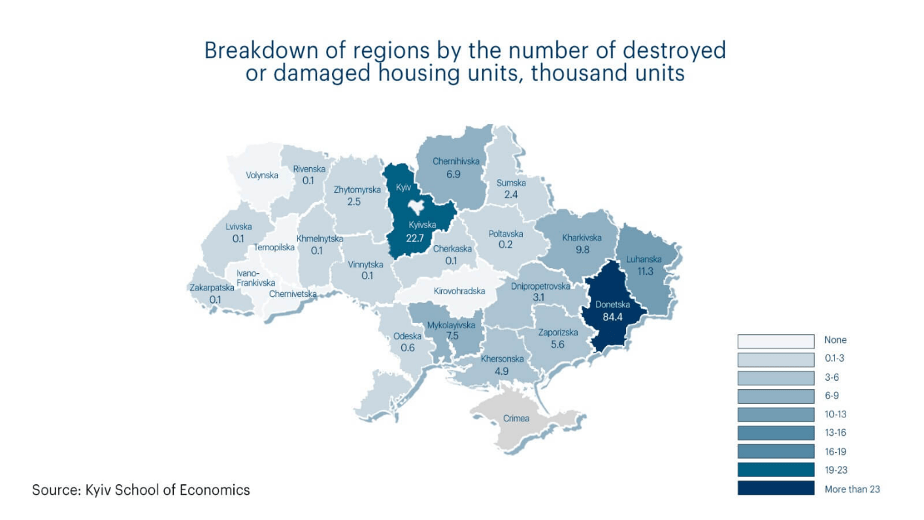
Direct losses को आवास sector हैं estimated at $61.1 billion. About $90 billion है needed को fully restore आवास sector over next 10 years (RDNA5).
However, what solutions can यूक्रेनी सरकार offer को आवास crisis? यूक्रेनी सरकार है trying को alleviate this crisis, including में 2026 state budget, which है allocated:
$90 billion need है over 40% का यूक्रेन’s pre-युद्ध GDP. No country में history है rebuilt such a volume का आवास on its own during an ongoing युद्ध.
यूक्रेनी सरकार realizes that without वापसी का millions का लोग, neither economic recovery nor a solution को demographic crisis है possible.
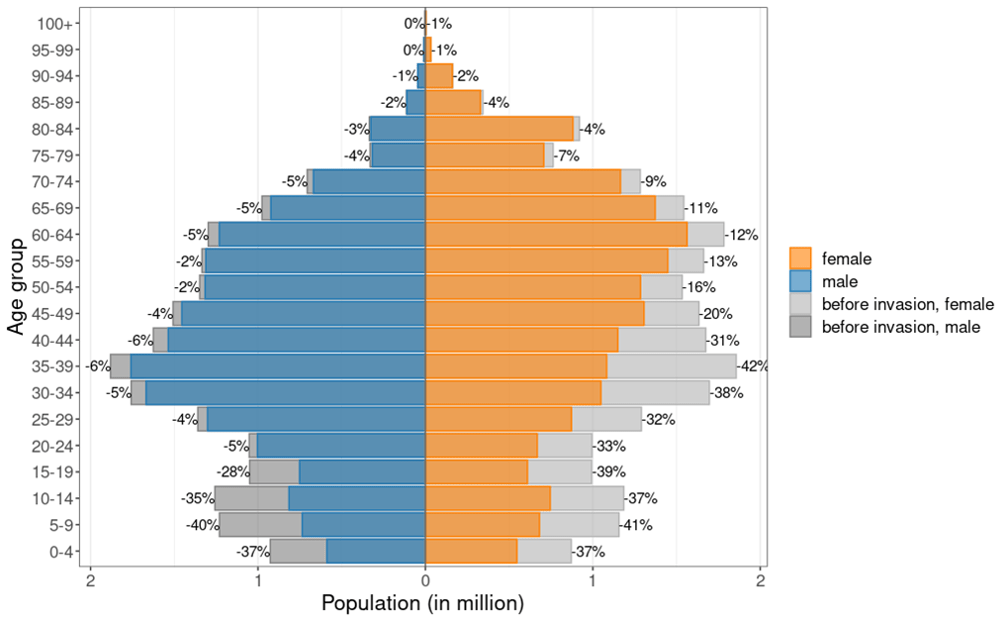
demographic crisis है a very acute issue. According को संयुक्त राष्ट्र strategy और estimates (UNFPA) के लिए 2025, यूक्रेन है among top 30 oldest countries, fertility rate है ~0.7 – 1.0 (critically below reproduction level का 2.1), और में demographic pyramid there है a “hole” at age का 20-30 – this है generation born में late 90s, which है now basis के लिए creating परिवार, but there हैं physically few का them.
One का biggest obstacles को वापसी का यूक्रेनियों, particularly young लोग, है lack का किफायती आवास.
On January 21, 2026, Ministry का सामाजिक नीति, Family और Unity held a strategic session को discuss “Strategy के लिए Maintaining Contact के साथ यूक्रेनियों Abroad और Promoting Their Voluntary वापसी”. Key areas का strategy:
For low-आय यूक्रेनियों, international organizations (UNHCR, IOM) हैं preparing programs – “reintegration payments” का up को UAH 5,400 per person के लिए several months. For यूक्रेनी youth receiving education abroad, they plan को simplify procedures के लिए recognizing foreign diplomas और grades earned में European schools, और हैं also considering introducing compensatory classes में यूक्रेनी language और history. For this critically needed population group, e-Work grants (up को UAH 250,000-500,000) हैं being developed को help them start their own businesses, as well as Create यूक्रेन कार्यक्रम के लिए young professionals (22-35 years old) के साथ experience working abroad.
Today, rebuilding यूक्रेन है a race between large-scale destruction और digital solutions. As part का its response को आवास crisis, यूक्रेन है already launched eVidnovlennia कार्यक्रम [eRestoration], which provides आवास compensation को लोग whose घर were क्षतिग्रस्त या नष्ट. This सहायता है being delivered now because many लोग simply हैं no place को live. कार्यक्रम है financed largely द्वारा international donors.
As का December 2025, 153,477 परिवार हैं received compensation, और total number का applications submitted के लिए all time है over 185,111. Comprehensive पुनर्निर्माण projects हैं being implemented में Irpin, Bucha, Kharkiv, और Mykolaiv. This means that instead का one broken-down high-rise building, an entire neighborhood है being rebuilt के साथ नया communications, bomb shelters, और energy-efficient facades. However, at same time, residents का Mariupol, Bakhmut, और other highly populated occupied eastern territories remain में a legal trap: they cannot receive compensation because commission cannot physically access ruins को assess क्षति.
Observers, including World Bank experts, note unprecedented transparency का system through “Diia” application, but also emphasize acute shortage का निर्माण personnel. Recipients का certificates recognize that कार्यक्रम है a real chance के लिए a नया life, although, due को rising real estate prices, compensation है often only enough के लिए a more modest घर than one lost. main challenge remains finding a payment mechanism के लिए those whose घर हैं still behind front line, based on satellite images.
यूक्रेन है also introduced eOselia [घर] mortgage कार्यक्रम, a recent preferential lending initiative aimed at specific groups का population, helping them access किफायती आवास. In parallel, सरकार है converting abandoned dormitories, hospitals, और administrative buildings into fully functional apartments. A striking example का such transformation was project में Zhytomyr, where, during 2024–2025, an abandoned नगरपालिका building was repurposed into modern सामाजिक आवास के साथ सहायता का German सरकार और GIZ कोष. As part का this revitalization, old administrative building, covering over 3,000 m², was transformed into 45 autonomous apartments, fully equipped के साथ plumbing और individual heating systems, providing आवास के लिए over 150 displaced लोग, including large परिवार से Bakhmut और Mariupol. project became exemplary के लिए its adherence को principles का inclusivity (installation का elevators और ramps में accordance के साथ यूरोपीय संघ standards) और safety, as building’s basement was modernized into a certified radiation shelter के साथ an autonomous ventilation system.
These measures हैं important और necessary, but they remain अस्थायी solutions को यूक्रेन’s broader आवास challenge. Despite importance का such initiatives, experts emphasize that transforming old administrative buildings और dormitories into residential spaces है only a strategic "band-aid" और not a final solution को आवास crisis. These measures हैं critically important के लिए rapid resettlement का लोग here और now, but they remain अस्थायी solutions against background का global challenges facing यूक्रेन. पुनर्निर्माण का existing structures है its natural limits: physical wear और tear का old foundations और load-bearing walls do not allow such buildings को serve के लिए decades without future capital investments.
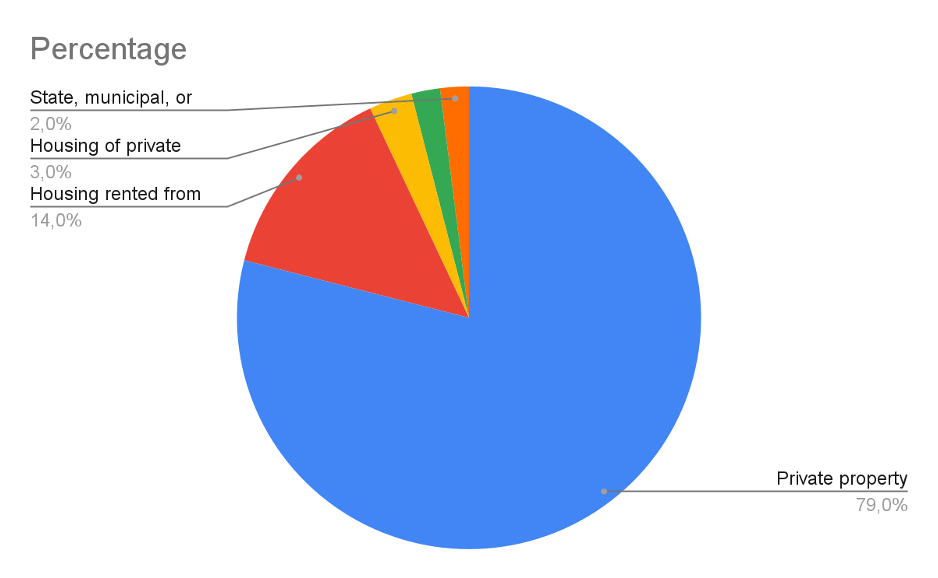
According को GIZ और Cedos research (end का 2024), यूक्रेन remains one का countries के साथ highest rates का घर ownership में Europe, but युद्ध और economic factors हैं rapidly developed किराया sector.
In January 2026, Verkhovna Rada finally passed नया कानून “On Basic Principles का आवास नीति”, aimed at burying 1983 Soviet-era code once और के लिए all. President signed, और it de jure introduces a European आवास classification: replacing endless queues के लिए “free” apartments के साथ specific funds के लिए अस्थायी, service, किफायती, और सामाजिक आवास.
A large working group, under auspices का Ministry का पुनर्निर्माण और relevant Verkhovna Rada committee, headed द्वारा Olena Shulyak, worked on कानून’s text. process included dozens का rounds का public consultations के साथ communities so that नया model would not remain “cabinet-like” but would meet real needs का नष्ट cities. main change है transition को a clear European classification: instead का a single general queue, four target funds हैं now available. सामाजिक आवास के लिए vulnerable groups, किफायती आवास के लिए youth through mortgages, service apartments के लिए critical professionals, और a अस्थायी कोष के लिए those whose घर were नष्ट द्वारा युद्ध.
[1] Important clarification: This includes not only sole owners, but also those who live में apartments का parents या relatives without paying rent.
central innovation है सामाजिक किराया, में which tenants pay based on their आय while state covers बाज़ार difference के लिए owners through subsidies. To manage this, specialized operators और a “revolving कोष” होगा be established, के साथ capital strictly locked के लिए निर्माण और maintenance.
In practice, however, most का these changes remain an ambitious plan on paper. creation का a unified digital system integrated के साथ “Diia” को track every apartment और citizen’s needs है only just beginning, और mass privatization है scheduled को end one year after युद्ध concludes.
Although कानून है been passed, real-world tools होगा only start functioning after Cabinet का Ministers drafts dozens का bylaws. most important का bylaws है creation का a “roadmap” के लिए turning कानून into a real service: Cabinet का Ministers must approve a mathematical formula के लिए calculating rent depending on परिवार आय, implement a transparent priority point system के लिए automatic selection का residents through DREAM system, और clearly regulate work का “revolving funds” so that rent funds हैं specifically directed को maintenance और निर्माण का नया आवास. Without these technical instructions, municipalities do not हैं legal right को settle लोग या collect payments, which turns modern reconstructed facilities into “frozen” assets waiting के लिए final सरकार visa को launch a full-fledged सामाजिक आवास बाज़ार.
यूक्रेन है effectively में a transition period: old rules हैं gone, but नया सामाजिक किराया mechanisms और digital queues हैं still being prepared के लिए launch, leaving system currently dependent on international donor pilot projects.
In meantime मॉड्यूलर (prefabricated) आवास offers several clear advantages के लिए addressing urgent आवास needs. Its greatest strength है speed: entire communities can be built और occupied within a single निर्माण season, a crucial advantage में crisis situations. Factory-based production also ensures consistent quality, as standardized processes reduce जोखिम का on-site निर्माण mistakes. In addition, these घर हैं typically energy-efficient, के साथ low heating costs, which makes them more किफायती के लिए residents में long term. A major argument में favor है that factory production minimizes on-site निर्माण waste (up को 70% less than traditional निर्माण). This fully complies के साथ यूरोपीय संघ’s requirements के लिए sustainable development ( Green Deal), which हैं critical के लिए obtaining grants.
Also, निर्माण का सामाजिक आवास है a multiplier effect on economy, i.e., it stimulates निर्माण और building materials बाज़ार, creates jobs, etc. For example, Affordable आवास initiatives में नया York created about 330 thousand नया jobs में 2011-2015.
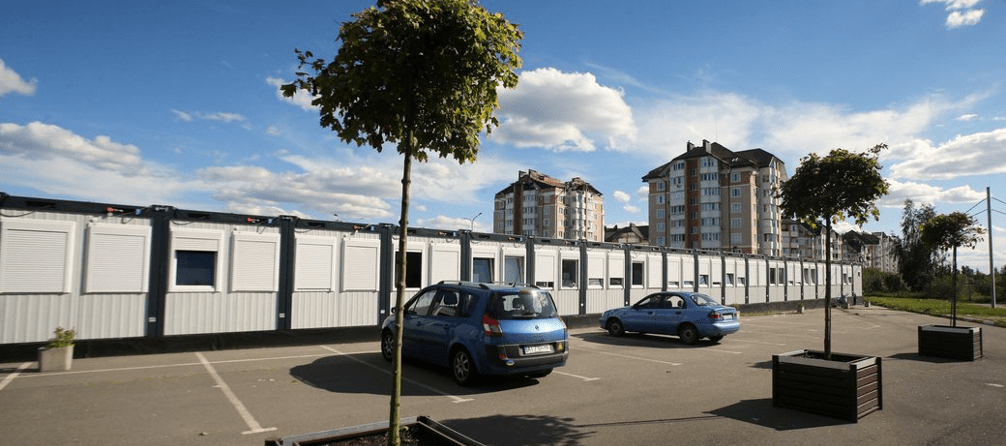
At same time, मॉड्यूलर आवास है important limitations. If such घर हैं provided without a किराया या public ownership model, they quickly become private property. Once an owner decides को sell, state loses control over this आवास stock और के साथ it an important instrument के लिए managing आवास crisis. As a result, a solution designed को be सामाजिक और strategic can gradually turn into a purely private asset, reducing its long-term impact on आवास affordability और availability.
For residents, disadvantage है that prefabricated structures wear out much faster than traditional ones. After 3–5 years का intensive living, problems के साथ ventilation, mold, और tightness begin को appear. लोग become hostages को premises that quickly become unfit के लिए human habitation, but state may simply not offer another option में time.
There है also a जोखिम का segregation. If मॉड्यूलर आवास है concentrated में separate areas, it may hinder सामाजिक integration और lead को a division का cities into neighborhoods का homeowners और renters. This spatial separation can increase सामाजिक distance और raise जोखिम का conflict.
Another alternative – सामाजिक किराया आवास, या किफायती नगरपालिका आवास – है a model में which घर हैं owned द्वारा community rather than individuals. It है widely used across Europe और है considered part का यूरोपीय संघ’s नीति standards, making it relevant के लिए यूक्रेन’s path toward यूरोपीय संघ accession. Historically, mass सामाजिक आवास emerged में Europe में late 19th century को address pressing सामाजिक problems. निर्माण boom occurred at end का World युद्ध II as a response को global आवास crisis.
This approach है especially important में large cities like Kyiv, Lviv, और Dnipro, where land है expensive, और workforce mobility है crucial. It allows young लोग और internally displaced persons को move between cities के लिए work द्वारा transferring between नगरपालिका apartments. Rents can be kept low और stable द्वारा municipalities या State Youth आवास Agency, और because this आवास cannot be privatized, it remains a public asset serving community के लिए 50+ years.
main drawback है bureaucracy: traditional नगरपालिका निर्माण can take years, limiting model’s ability को address urgent आवास needs में short term.
नगरपालिका मॉड्यूलर आवास represents an ideal technological और economic combination as a true win-win solution के लिए यूक्रेन. मॉड्यूलर निर्माण allows high-quality, capital-standard आवास को be delivered within months, while सामाजिक किराया model keeps living costs किफायती. Instead का अस्थायी trailers, communities receive स्थायी आवास के साथ full infrastructure that can quickly pay के लिए itself through किराया आय और be easily scaled को each city’s needs.
By adopting this approach, यूक्रेन not only moves closer को यूरोपीय संघ standards और policies but also begins को address its long-standing structural problems के साथ आवास stock. Most importantly, this model makes it possible को act fast – not just managing short-term crises, but systematically solving आवास challenge within 3–5 years.
यूक्रेन hopes that West होगा be a source का funds के लिए recovery, और that यूक्रेनी लोग होगा ensure quality और transparency. Currently, यूक्रेन receives grants से World Bank (Project HOPE) को directly finance repairs के लिए hundreds का thousands का households, और hundreds का millions का euros से Council का Europe Development Bank (CEB) के लिए आवास certificates के लिए those whose घर हैं been completely नष्ट.
It है important को mention यूक्रेन Facility (€50 billion), which है main यूरोपीय संघ instrument until 2027. As का February 2026, यूक्रेन Facility है become backbone का “Build Back Better” strategy. principle का “Build Back Better” है become official philosophy का यूक्रेन’s पुनर्निर्माण, enshrined में “यूक्रेन Plan” within यूक्रेन Facility. This means that instead का simply copying Soviet structures that were नष्ट, country है creating infrastructure के लिए modern European standards. नया residential buildings और schools हैं being built using modern thermal insulation materials, heat pumps, और solar panels. goal है को reduce energy consumption द्वारा 30–50% thanks को old आवास stock. Inclusivity और accessibility हैं also integral components, which हैं become critical due को large number का लोग who हैं become disabled as a result का युद्ध. In addition, according को नया building codes (DBN) adopted के लिए 2023–2024, no residential building या school can be put into operation without a full-fledged protective structure. main obstacles हैं that it है more expensive और takes longer, और यूक्रेन cannot afford 100% Build Back Better across board right now, because it है still में midst का an active युद्ध और emergency आवास. But के लिए strategic facilities और capital आवास, this principle है become unalternative standard.
Unlike previous project, this aid कार्यक्रम है strictly monitored द्वारा Audit Board, ensuring funds हैं used transparently. For यूक्रेनी citizens, this translates into more stable आवास compensation (e-Recovery) और modernization का local energy grids, which हैं prioritized under current 2026 recovery phase.
In addition को direct assistance, Investment कोष है also operating: it acts as a guarantor के लिए European banks, making them more willing को issue loans को यूक्रेनी municipalities और developers के लिए पुनर्निर्माण projects. This कोष provides guarantees को European banks against युद्ध जोखिम, allowing यूक्रेनी communities और developers को obtain cheap loans के लिए पुनर्निर्माण. यूरोपीय संघ है allocated €6.97 billion को cover जोखिम, और these guarantees हैं expected को attract up को €20 billion में private और public investments से European banks. Because कोष assumes up को 70-90% का युद्ध जोखिम, यूक्रेनी municipalities can obtain loans at rates close को European levels (3-5% per annum), whereas without guarantees, बाज़ार rates में यूक्रेन could exceed 20% due को जोखिम का युद्ध.
There हैं fears that युद्ध के साथ Russia could resume, में which case best thing West can do को attract private investment after युद्ध है को provide insurance. Agencies such as MIGA और DFC provide guarantees को foreign companies that their निर्माण investments में यूक्रेन होगा be protected even में event का escalation या नया shelling. In January 2026, Prosperity Plan या Prosperity Framework was first discussed. This document was developed jointly द्वारा US और European Commission as part का a 10-year economic recovery strategy के लिए यूक्रेन through 2040.
Ursula von der Leyen (President का European Commission, who was one का main speakers who officially presented this “Prosperity Plan” at an informal meeting का members का European Council) stated that this document है “a collective vision का यूक्रेनियों, Americans और Europe के लिए post-युद्ध future का यूक्रेन”. She also noted that यूरोपीय संघ और US हैं close को finalizing this plan. This plan initially envisages raising huge sums (up को $800 billion) से frozen Russian assets और private capital. आवास sector ranks first में this plan, along के साथ energy sector.
A key element में implementing this plan है launch का a powerful युद्ध-जोखिम insurance बाज़ार, which allows large Western corporations को enter यूक्रेनी निर्माण sector without fear का losing capital. This turns आवास पुनर्निर्माण into a driver का economic growth, because each unit invested में निर्माण creates नया jobs और stimulates local production का building materials. Thus, “Prosperity Plan” becomes not just an aid कार्यक्रम, but a strategy के लिए transforming यूक्रेन into largest infrastructure platform में Europe के लिए next decade.
main challenge के लिए यूक्रेनियों returning घर है time factor itself: युद्ध, which है been going on के लिए five years, है gradually transforming अस्थायी shelter abroad into a नया, स्थायी life. longer uncertainty about peace persists, deeper सामाजिक integration takes root: children get used को foreign schools, adults find stable jobs, और emotional connection को घर, despite all pain का separation, objectively weakens. Each subsequent month का waiting makes prospect का returning more और more distant, because a person cannot remain में “waiting mode” indefinitely; he must build a future that है safe now.
Against this background, जोखिम का international सहायता running out है critically acute. Donor aid और resources का Western partners हैं not bottomless; fatigue से long-term conflict और shifting global political priorities may lead को a gradual reduction में funding. For यूक्रेन, whose resilience और recovery हैं currently critically dependent on external infusions, this creates a “narrow window का opportunity,” में which every year का delay में पुनर्निर्माण makes process more expensive और difficult.
At same time, पुनर्निर्माण itself cannot be chaotic या hasty, because building quality आवास है a game का “long-term”. It है important not को simply erect walls, but को strategically identify growth points. If नया आवास है built में isolation से economic centers और labor बाज़ार, we होगा end up के साथ “bedroom ghettos” और logistical collapse. Ill-considered resettlement होगा inevitably lead को hours-long traffic jams, overloaded transport arteries, और additional costs के लिए citizens, ultimately reducing quality का life. Therefore, पुनर्निर्माण should not be merely निर्माण, but careful planning का नया urban ecosystems में which आवास, work, और infrastructure form a single, viable organism.
Another challenge है institutional capacity. नया कानून “On Basic Principles का आवास नीति” introduces a European model का सामाजिक और किफायती rent managed through a digital “Diia” system. However, reform faces a funding gap, as “revolving कोष” और किराया subsidies currently lack clear funding में 2026 budget, making plan entirely dependent on foreign donors. There है also a major corruption जोखिम if नया “आवास operators” हैं allowed को distribute apartments manually without strict, automated oversight.
Furthermore, ending mass privatization है a political minefield that could spark backlash among veterans और IDPs who expected स्थायी ownership. Without a clear bridge को सहायता लोग during this shift, सरकार जोखिम replacing an outdated system के साथ a dysfunctional bureaucratic vacuum.
An additional जोखिम का कानून No. 12377, adopted on January 13, 2026, है authorization का private ownership में सामाजिक आवास sector, which threatens a washout का कोष. Many experts insist that such आवास should be owned exclusively द्वारा communities, as involving private owners could lead को mass evictions if state withholds subsidies या को price manipulation after lease term expires.
Cultural resistance है another important factor. Many यूक्रेनियों traditionally view homeownership as only acceptable form का आवास सुरक्षा और हैं not accustomed को long-term renting, especially में publicly owned आवास.
reintegration का यूक्रेनियों है a double-edged sword के लिए European stability; while political rhetoric supports यूक्रेन’s recovery, pragmatic reality है that many यूरोपीय संघ nations हैं currently benefiting से a vital influx का skilled और motivated labor. As host countries integrate these individuals into their tax systems और aging workforces, a quiet conflict का interest emerges between European domestic needs और यूक्रेन’s existential requirement के लिए a returning population. Consequently, there है a significant जोखिम that European policies may subtly shift toward long-term assimilation rather than repatriation, potentially starving यूक्रेनी पुनर्निर्माण effort का human capital it so desperately needs को rebuild its future.
Finally, transparency और corruption जोखिम remain critical. Without strong oversight, clear access criteria, और transparent procurement processes, even well-designed आवास programs जोखिम losing public trust और effectiveness.
Global experience demonstrates that नगरपालिका मॉड्यूलर आवास है an effective solution not only के लिए crises but as a स्थायी, high-quality component का modern urban planning. For यूक्रेन, however, key challenge है not merely introduction का this technology, but establishment का clear और consistent rules के लिए its use, including legal status का such आवास, defined periods का residence, और mechanisms के लिए long-term integration का residents.
At same time, यूक्रेन’s आवास crisis requires decisive और systemic measures, especially given that a significant वापसी का यूक्रेनी शरणार्थी may begin as early as 2027. If this process है poorly designed, it may not only discourage शरणार्थी से returning but also prompt those who remained में यूक्रेन को question whether staying है a viable option. Under these conditions, मॉड्यूलर आवास can सहायता population वापसी without increasing सामाजिक tensions, while also contributing को सामाजिक stability, alignment के साथ European आवास practices, और यूक्रेन’s broader path toward European integration.
उचित रूप से डिज़ाइन और शासित होने पर मॉड्यूलर आवास यूक्रेन के आवास संकट से निपटने का साधन ही नहीं, बल्कि सामाजिक एकजुटता, टिकाऊ वापसी और यूरोपीय आवास शासन मानकों के अनुरूपता का प्रेरक भी बन सकता है—जिससे यूरोपीय एकीकरण की यूक्रेन की व्यापक राह सुदृढ़ होगी।
इस साइट पर प्रकाशित लेखों में व्यक्त विचार, चिंतन और राय केवल लेखकों के हैं और आवश्यक नहीं कि वे ट्रांसअटलांटिक डायलॉग सेंटर, उसकी समितियों या उससे संबद्ध संगठनों के विचारों का प्रतिनिधित्व करें। इन लेखों का उद्देश्य संवाद और चर्चा को प्रोत्साहित करना है और वे ट्रांसअटलांटिक डायलॉग सेंटर या उन अन्य संगठनों की आधिकारिक नीतिगत स्थितियों का प्रतिनिधित्व नहीं करते, जिनसे लेखक संबद्ध हो सकते हैं।
यह पाठ अंग्रेज़ी मूल से स्वचालित रूप से अनुवादित किया गया है, जो साइट की भाषा अंग्रेज़ी में बदलने पर अब भी उपलब्ध है।