

 19 min read
For years, Venezuela has occupied a recurring place on the international agenda: economic sanctions, diplomatic condemnations, failed mediation efforts, and a regime that, despite everything, remains in place. At first glance, the case appears to be another example of a protracted crisis under an authoritarian regime resistant to external pressure. Yet its persistence reflects more than a dynamic of internal institutional weakening.
Over time, Venezuela has become a setting in which the international order’s real capacity to manage deep political crises is put to the test. The tools that for decades functioned as mechanisms of pressure—such as sanctions, isolation, and selective recognition—have yielded limited results, while external actors adjust their strategies and redefine priorities. The issue is no longer only the effectiveness of those instruments, but what their erosion reveals about an increasingly fragmented and less predictable global context.
Far from being an exceptional case, Venezuela offers a lens through which to understand broader transformations: the selectivity of U.S. engagement, Europe’s vulnerability to the erosion of external support, political and diplomatic fluctuations in Latin America, and the learning of actors who see prolonged resistance as a viable strategy. In this sense, the Venezuelan case ceases to be merely a Latin American crisis and becomes a visible symptom of the limits of the contemporary order.
These dynamics found particularly visible expression in a recent event. The capture of President Nicolás Maduro by U.S. forces in early 2026 marked a turning point in the Venezuelan crisis. This episode substantially altered a scenario that until then had been characterized by an alternation between sanctions and failed dialogues, without producing effective change or inducing a political transition. In this sense, it is a key event for analysis, as it makes it possible to examine how a prolonged conflict led to an exceptional resolution outside traditional pressure mechanisms, enabling an assessment of their effectiveness and of the evolution of the normative order that underpins them.
Before addressing its implications, however, it is worth reconstructing the web of decisions and tensions that made this outcome possible.
Chavismo emerged in Venezuela as a civic-military movement with a socialist and Bolivarian orientation, consolidating its power with Hugo Chávez’s rise to the presidency in 1999. After his death in 2013, Nicolás Maduro assumed the country’s leadership, extending the movement’s tenure to more than 25 years. This period has been marked by the progressive centralization of power and institutional deterioration, prompting multiple international condemnations, including UN allegations of crimes against humanity, reports of arbitrary detention and torture, and growing diplomatic isolation owing to the lack of democratic guarantees.
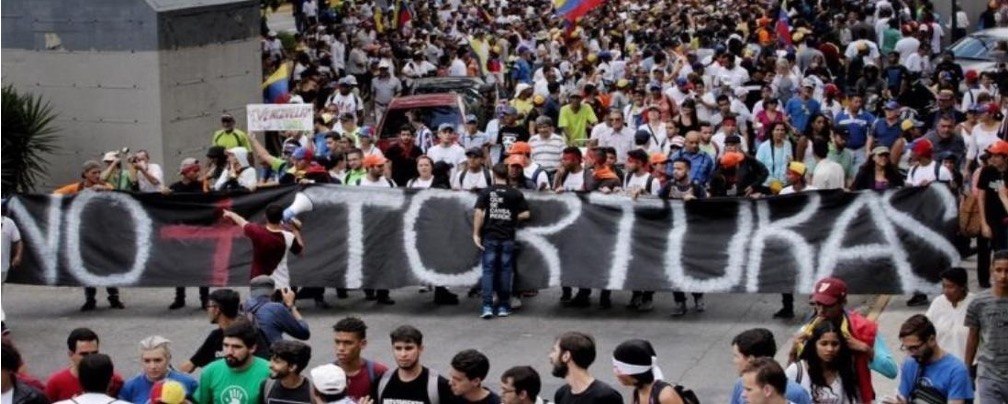
Against this backdrop of accumulated tensions, the 2024 electoral calendar marked the beginning of the crisis’s most recent and turbulent phase. A key date was July 28, 2024, when presidential elections were held and the National Electoral Council officially declared Nicolás Maduro the winner of a third term. Opposition sectors, led by María Corina Machado and Edmundo González Urrutia, alleged fraud and a lack of transparency in the publication of results, maintaining that candidate González Urrutia had won a significant majority according to their own counts of the available tally sheets. The CNE’s refusal to publish the data fueled allegations of electoral manipulation and sparked protests in multiple states across the country.
The international community’s response was immediate and varied. The Council of the European Union decided on January 10, 2025, to extend and expand its restrictive measures, renewing sanctions against Venezuelan regime officials and sanctioning 15 additional individuals linked to the National Electoral Council, the judiciary, and security forces for their role in post-election repression and the deterioration of democracy. For its part, the United States also expanded pre-existing measures. That same day, OFAC sanctioned eight Venezuelan officials who lead key economic and security agencies for the regime, as well as senior army and police officials who lead entities involved in repression and human rights violations. The State Department also increased reward offers to up to $25 million for information leading to the capture of Nicolás Maduro and Diosdado Cabello, as well as offering a new reward of up to $15 million for their defense minister, Vladimir Padrino. Canada and the United Kingdom adopted similar measures at the same time.
At the same time, actors allied with the regime expressed their support for the Venezuelan government, recognizing Maduro’s electoral victory and questioning the legitimacy of Western sanctions. Cuban leader Miguel Díaz-Canel was the first to speak out, describing it as a “historic victory.” He was followed by statements from Russia, Iran, Nicaragua, and China, among others. Russia and China emphasized the principle of non-interference in internal affairs while reaffirming their political and diplomatic support for the government, helping to cushion the impact of the international isolation promoted by the West. Meanwhile, 13 Latin American countries, including Argentina, Chile, El Salvador, and Peru, joined a joint statement with other nations, expressing concern about the transparency of the electoral process and calling for the publication of electoral tally sheets and the impartial, independent verification of the results.
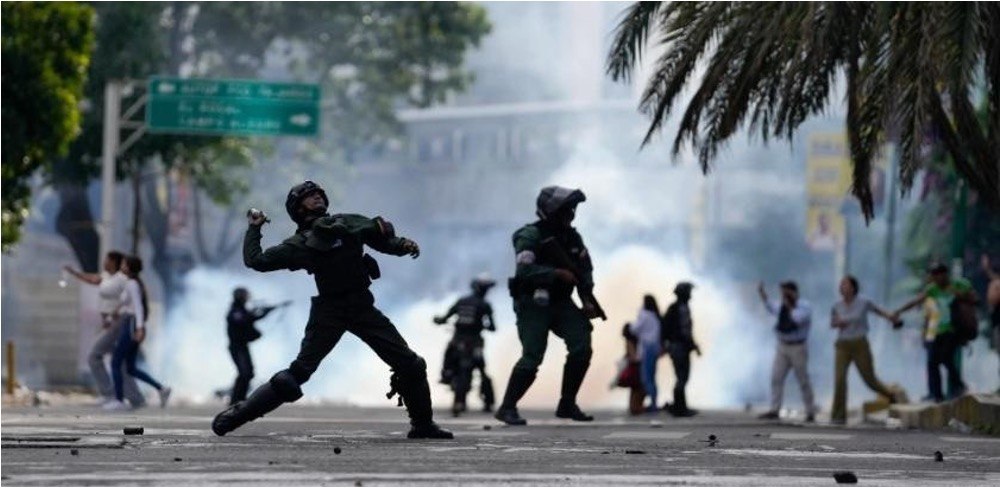
Despite these repercussions, on January 10, 2025, Maduro was formally sworn in for a new six-year presidential term amid widespread social discontent and large social mobilizations under the slogan “Glory to the Brave People.” They were harshly repressed, with allegations and reports documenting widespread human rights abuses, including killings of demonstrators and bystanders, enforced disappearances, arbitrary detentions and criminal proceedings, as well as torture and ill-treatment of detainees. In that context, Machado and González Urrutia have called for greater international pressure, publicly thanking partners for their support and endorsing U.S.-led pressure strategies, such as new sanctions and military actions, which they regard as necessary to force political change.
Following Nicolás Maduro’s inauguration in January 2025, a growing number of analysts agreed on a common assessment: the sanctions regime, long considered the main tool of pressure, had failed to produce significant political change. With the arrival of a new U.S. administration, this assessment led to a shift toward greater reliance on direct coercive instruments. Throughout 2025, U.S. policy increasingly incorporated aggressive methods, including covert operations and limited military action. At the same time, the Venezuelan crisis ceased to be interpreted chiefly as a democratic problem and came to be seen more as a regional security issue linked to migration flows, drug trafficking, and organized crime. As a result, diplomacy gradually lost its central role as the main mechanism for resolving the conflict.
The landscape underwent a profound transformation in early 2026, when a U.S.-led military operation resulted in the capture of President Nicolás Maduro and his wife, Cilia Flores. The intervention marked a rupture in Venezuelan politics and sparked debate over issues such as state sovereignty, international law, and the limits of external intervention in Latin America. Reactions have been mixed, both among state actors and within civil society, where large-scale celebrations by the Venezuelan diaspora in different countries have coexisted with analyses and critiques focused on the situation’s normative and geopolitical aspects.
Maduro’s capture, however, has not meant the fall of the regime. Washington made clear that the opposition would not immediately take control of the government and that the transition would be managed under its direct supervision, ruling out a María Corina Machado-led solution in the short term. In practice, this meant accepting institutional continuity led by Delcy Rodríguez, who was sworn in as interim president and is in negotiations with the U.S. government.
So far, the United States has re-established its diplomatic mission in Caracas, reflecting an attempt to reopen channels for formal dialogue at a time when the bilateral relationship is being redefined. It has also exerted pressure on the Rodríguez government, resulting in the announcement of an amnesty law for political prisoners, aimed at releasing people detained for political reasons since 1999. At the same time, a new hydrocarbons law has been approved, opening the oil sector to greater private investment—a significant shift in a country where nationalization of the sector had for decades been a central pillar of the political project.
The exhaustion of normative pressure and the Venezuelan regime’s ability to endure raise an inevitable question: What happens when the mechanisms that structured the international response lose effectiveness and the actor that historically guaranteed them redefines how it engages? In this sense, the Venezuelan case cannot be analyzed without examining the role of the United States, whose position has been central both to the construction and the erosion of that normative framework.
In this context, Donald Trump’s second administration has been characterized by a conception of foreign policy less anchored in promoting multilateral rules and more oriented toward achieving immediate strategic results, as seen in its National Security Strategy (NSS). Its distinguishing features include the prioritization of national security interests, the use of international pressure and cooperation to advance domestic objectives, and a greater willingness to resort to direct coercive tools at the expense of traditional diplomatic mechanisms. This approach does not necessarily entail an explicit renunciation of international leadership, but rather a reformulation of its foundations, shifting the emphasis from preserving a global normative order toward a logic that prioritizes hard power and the pragmatic management of perceived threats.
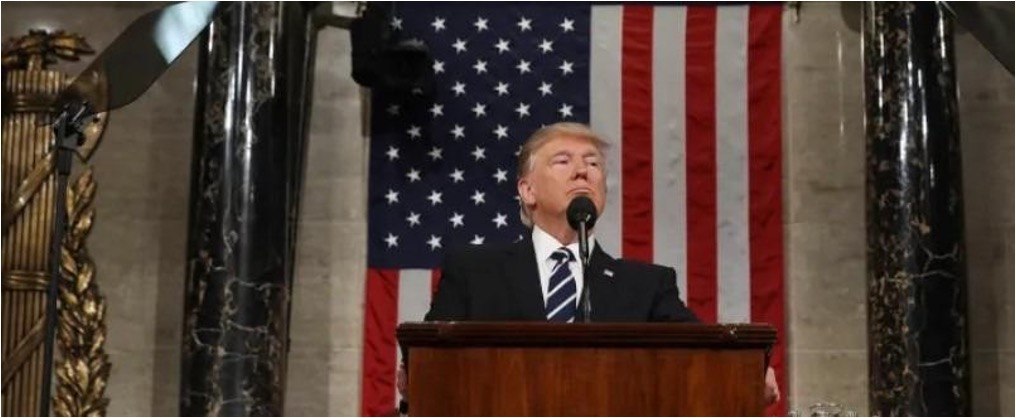
For decades, the United States’ capacity to deploy diplomatic pressure, economic sanctions, and political recognition rested not only on its material superiority but also on its role as the central guarantor of the liberal international order. Within that framework, promoting democratic transitions—even when it served strategic interests—formed part of a broader architecture of shared rules, stable alliances, and sustained commitments over time. The Venezuelan case, however, reveals the growing difficulty the United States faces in sustaining such prolonged strategies amid domestic polarization, institutional erosion, and the overextension of its global commitments (Saunders, 2026; Hyde & Saunders, 2025). In this context, even while retaining significant material capacity, its power tends to be exercised more selectively, reactively, and transactionally, weakening its role as a provider of global public goods and as a pillar of international predictability.
U.S. policy toward Venezuela increasingly reflected a change of approach. Rather than focusing mainly on restoring democracy through sanctions, diplomatic isolation, and support for the opposition, Washington moved toward a more pragmatic strategy centered on stability, security, and the exercise of direct influence over key actors within the regime. In this framework, Venezuela came to be treated less as a case of normative resolution and more as a conflict to be managed through whichever instruments proved most effective. This shift also highlighted the limits of the opposition’s prolonged reliance on international recognition. Although opposition leaders retained significant external legitimacy, that support alone proved insufficient to alter internal power balances while the regime continued to control the state’s main coercive, economic, and institutional resources. More broadly, the Venezuelan case illustrates a wider transformation in international politics: democratic legitimacy retains symbolic importance, but it is no longer sufficient by itself to determine political outcomes when it is not backed by effective control on the ground.
The case thus serves as an indicator of the current state of U.S. leadership. Washington’s policy toward Venezuela reflects a subtle yet structural transformation in how the United States exercises power internationally. It is leadership increasingly constrained by domestic limitations, strategic costs, and immediate priorities, driving a shift from the ambition to sustain a global normative order toward a logic of pragmatic risk management and the preservation of vital interests.
The transformations analyzed so far are not confined to the Venezuelan case or to the bilateral relationship with the United States. On the contrary, they reshape the room for maneuver of entire regions that, from different positions, have historically been embedded in the liberal international order. Latin America and Europe are two particularly illustrative settings in which to observe these effects: the former as a region directly affected by the Venezuelan crisis and by the evolution of U.S. policy; the latter as an actor that built much of its international projection on the validity of rules, transatlantic coordination, and strategic predictability.
Although their capacities and ties with the United States differ substantially, both regions now face a shared tension. The redefinition of U.S. leadership, together with the erosion of traditional normative mechanisms, changes the conditions under which they could react, project influence, or guarantee stability. From this perspective, regional analysis makes it possible to see how the same structural shift produces differentiated impacts: in Latin America, by reconfiguring political alignments and responses to the crisis; in Europe, by exposing strategic vulnerabilities and growing limits to its capacity for external action.
In Latin America, the effects of the Venezuelan crisis and the redefinition of U.S. engagement are immediate but uneven. The U.S. military intervention and the capture of Nicolás Maduro in January 2026 acted as a catalyst, making visible both pre-existing political divisions and the region’s difficulty in articulating collective responses to high-impact decisions adopted by external actors.
Official reactions to the intervention revealed a fragmented regional landscape. Several governments, including Brazil, Mexico, Colombia, Chile, and Uruguay, rejected the unilateral military action, invoking principles of sovereignty, non-intervention, and respect for international law. In statements and public declarations issued in the days following the operation, these positions underscored concern about the precedent such an intervention could set for the region. At the same time, other states adopted positions explicitly favorable to U.S. intervention, viewing it as an opportunity to dismantle an authoritarian regime they considered beyond reform. The governments of Argentina, Paraguay, Peru, and El Salvador expressed support for Washington’s actions, highlighting the need to end the Venezuelan crisis even through exceptional measures.
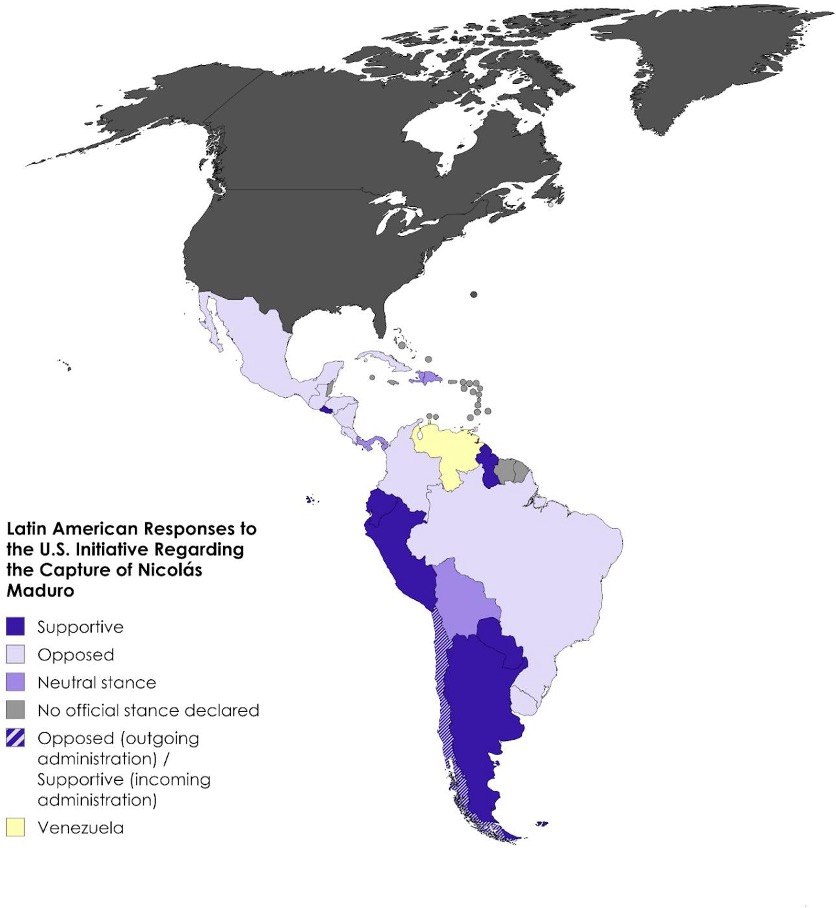
The support of certain Latin American governments for U.S. intervention does not stem from a single motivation. In countries such as Argentina, Paraguay, and El Salvador, there is a prevailing logic of political and ideological affinity with the Trump administration, characterized by a foreign policy aligned with Washington, a conservative orientation, distancing from the region’s left-wing governments, and the adoption of agendas centered on security, migration control, and the fight against organized crime. In cases such as Peru, Ecuador, Panama, and Chile (taking its president-elect into account), the impact of the Venezuelan crisis on their own societies was a weightier factor in determining their support for intervention. This is due to migration pressure, its impact on public services, and the frequent association of immigration with domestic security problems—concerns voiced by different officials over the years. In these contexts, the intervention was viewed less as a normative issue and more as a way to reduce an external source of domestic instability. This does not rule out the coexistence of ideological affinity, as in the case of Chile following the 2025 presidential election.
Between these two poles, several countries opted for more cautious positions. States such as Panama and the Dominican Republic avoided categorical statements, limiting themselves to general calls for stability, dialogue, and the restoration of democracy—a strategy that reflects the effort to preserve diplomatic room for maneuver in a context of high uncertainty. This diversity of responses reflects not only ideological differences, but also divergent assessments of the costs and benefits of aligning—or not aligning—with a power that has demonstrated a selective and shifting willingness to intervene in the region.
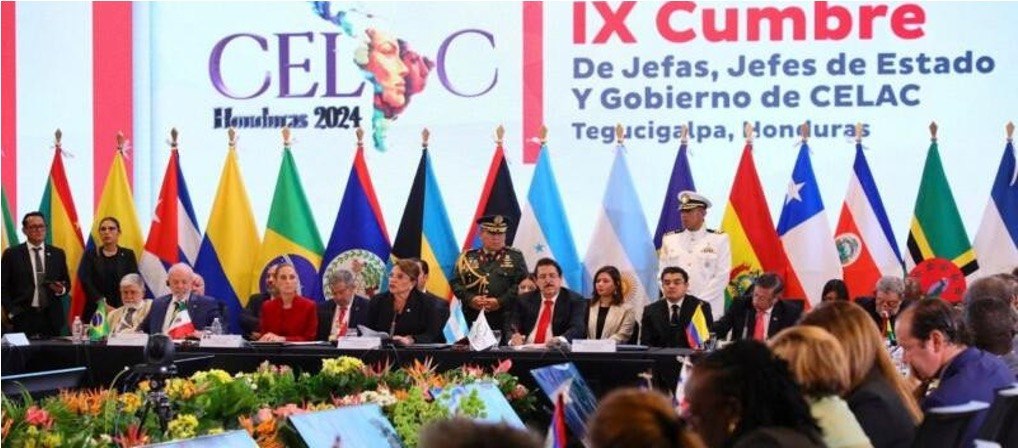
What matters, however, is not only the persistence of fragmentation—a recurring feature of the region—but the context in which this fragmentation now operates. That context is defined by renewed tension between international norms, the unilateral nature of strategic decisions by powerful actors, and the inability of existing regional mechanisms to channel or moderate those tensions. In this sense, the analysis by Francisco Márquez de la Rubia (2026) is illustrative in noting that recent U.S. policy seeks to reaffirm its regional primacy and contain the influence of extra-hemispheric actors. This approach and its recent actions have had a notable impact on the region by straining the principle of non-intervention, deepening fragmentation, and weakening the already fragile mechanisms of regional coordination, favoring an asymmetric bilateralization of foreign policy.
From a liberal institutionalist perspective, U.S. intervention in Venezuela highlights the erosion of the mechanisms that historically structured international cooperation and crisis management. As Robert Keohane (1984) warns, international institutions depend on states perceiving clear and predictable benefits from cooperation. However, when great powers choose to act unilaterally and the environment is fraught with uncertainty, these incentives erode and norms lose their effectiveness as regulatory mechanisms.
In this case, Washington’s strategy combines the direct use of coercive capabilities with an expanded reach for its legal and economic instruments, blurring the boundaries between military action, legal pressure, and political control of strategic spaces. This shift does not yet mean the disappearance of the liberal order, but it does mean an increasingly selective mode of operation conditioned by power priorities. From the perspective of structural realism, this dynamic is consistent with an anarchic international system in which, in the absence of effective constraints, states with greater material capacity prioritize the protection of strategic interests over normative commitments. Following Kenneth Waltz’s (1979) arguments, it can be understood that when rules cease to offer credible guarantees, power reasserts itself as the chief guarantor of order, redefining the limits of what can be expected from international cooperation.
In the Latin American case, these systemic dynamics are manifested in greater vulnerability to unilateral decisions by more powerful actors, further reducing the scope for collective action and reinforcing a predominantly reactive international insertion, in which Latin American states adjust their positions according to external dynamics rather than their own long-term strategies. Specifically, the regional impact of these events may be expressed less in a formal reconfiguration of alliances and more in pragmatic short-term adjustments. Rather than stable blocs being consolidated, flexible alignments and differentiated responses are likely to predominate according to the specific nature of each situation, generally seeking to maintain functional ties with the United States in areas deemed strategic, even where ideological differences exist.
The Venezuelan case, therefore, does not inaugurate an entirely new pattern; rather, it revives earlier trends toward weakly regionalized governance, though here within an international context marked by higher levels of fragmentation. This does not necessarily imply the disappearance of regional institutional frameworks, but it does suggest a relative loss of their centrality. This pattern is consistent with the previously anticipated governance vacuum at the global level and with the growing prominence of concepts such as “minilateralism” as alternatives to multilateralism for addressing global problems.
For decades, European foreign policy rested on the expectation that collective action, international law, and transatlantic coordination constituted sufficient tools for managing political crises even beyond its immediate neighborhood. This conception was reflected both in the diplomatic practice of the International Contact Group on Venezuela (ICG) and in the European Union’s many statements calling for respect for human rights, humanitarian assistance, and transparent electoral processes in Caracas. However, the evolution of the Venezuelan case suggests that this framework has lost operational capacity. The inability to translate diplomatic condemnations, political mediation, and coordination with U.S. leadership into concrete results has placed Europe in a situation that goes beyond the frameworks for action on which it built its international projection.
This situation has revealed a structural dependence on U.S. leadership in matters of coercion and crisis management. The Venezuelan case suggests that the United States has chosen to calibrate its involvement, prioritizing considerations of stability and conflict management over the active imposition of a rules-based order. This dynamic reduces Europe’s room for maneuver by weakening the strategic support on which the European Union has traditionally based its external action.
From this perspective, the case invites broader reflection on Europe’s position in a context of growing strategic uncertainty. In a setting where external guarantees have become more selective and less predictable, certain territories and spaces take on central importance.
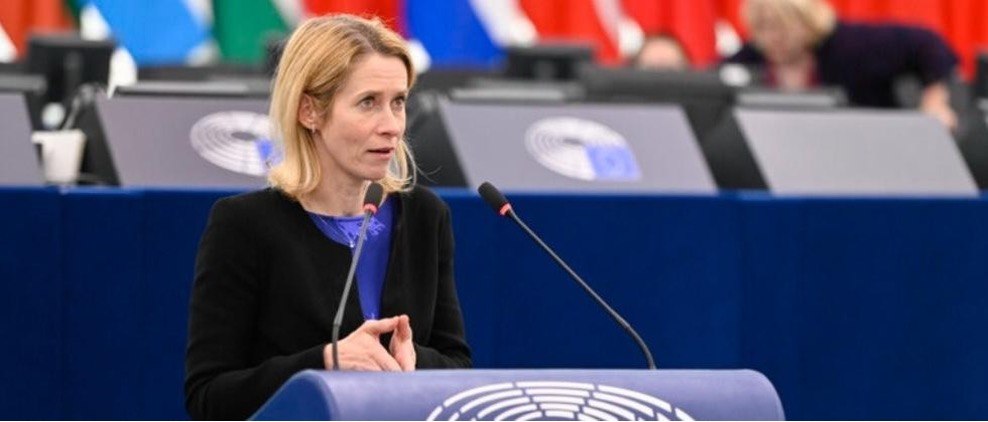
The territory of Greenland, formally part of a European state but increasingly exposed to great-power competition, exemplifies how key areas of the European security architecture can become sources of vulnerability. The war in Ukraine reinforces this interpretation: although the United States has demonstrated the capacity to intervene when it identifies priority interests, that commitment appears conditional and variable rather than a structural and permanent support.
In this sense, debate in Europe about the need to move beyond its traditional self-perception as a purely normative power historically dependent on U.S. military protection has gained prominence. Thus, the concept of strategic autonomy has become established, defined not only as the capacity to make independent, uncoerced decisions but also as an effort to balance political realism with the bloc’s founding values. As Kotzur (2025) argues, faced with an international system in which rules-based multilateralism is challenged by illiberal actors and the transactional turn in U.S. foreign policy, the EU is pushed to act as a capable geopolitical and economic actor that must invest in its own defense and diversify its alliances to reduce excessive dependence on a strategic partner.
At the same time, some authors warn that the ambition of achieving strategic autonomy in security and defense faces considerable barriers, including divergences among member states, a lack of consensus on collective military capabilities, and technological and industrial limitations that would hinder a rapid replacement of Washington’s traditional support. In this sense, the Union would face challenges requiring long-term strengthening and deeper, more sustained coordination. As Steinbach (2023) notes, implementing strategic autonomy requires recalibrating the balance between independence and interdependence, since persistent “strategic diversity” among member states and the absence of homogeneous preferences keep the Union a “quasi-appendage” of Washington’s power, while institutional constraints—particularly unanimity requirements—slow the formation of a coherent and robust political vision on security.
In this sense, the situation in Venezuela not only challenges European policy toward Latin America; it also serves as an uncomfortable reminder of Europe’s vulnerability in a changing international environment, where external strategic backing can no longer be taken for granted. It raises a debate that must be addressed as soon as possible: how can Europe strengthen its capacity for anticipation, deterrence, defense, and crisis management in a changing context without abandoning its normative principles?
The Venezuelan case highlights a phenomenon that extends far beyond its borders: the loss of effectiveness of the normative mechanisms that for decades structured the international response to deep political crises. Instruments such as economic sanctions, diplomatic isolation, and selective recognition policies were central components of an order based on the expectation that external pressure could produce tangible effects. Exclusion from the international system entailed economic, diplomatic, and legitimacy costs with a significant domestic impact, reinforcing the capacity of these mechanisms to condition state behavior. Venezuela shows the extent to which this premise has begun to crumble.
The transformations underway in the international system are becoming increasingly visible. As G. John Ikenberry (2018) notes, the postwar liberal international order was closely tied to U.S. hegemonic leadership and to a community of states relatively homogeneous around shared norms. The progressive diffusion of global power, the weakening of U.S. authority, and the emergence of actors willing to openly challenge that framework have eroded the foundations on which traditional normative instruments rested. In this context of fragmentation and transition, pressure based on sanctions, isolation, and international legitimacy faces growing difficulty in translating into results when there is no longer a minimum consensus on the rules or an actor capable of upholding them effectively.
Beyond its domestic impact, the persistence of the Venezuelan regime despite international sanctions and condemnation has produced demonstration effects globally. The case weakens the expectation that these instruments can operate as decisive mechanisms of coercion and reinforces the perception that their application no longer guarantees clear political outcomes. In this context, where alternative external support and sufficient scope for domestic adaptation exist, normative pressure tends to become embedded in situations of precarious stability: regimes learn to coexist with it, manage its costs, and adjust their strategies without substantially altering the foundations of their power.
In this sense, Venezuela reflects a broader trend that is becoming increasingly visible in global politics: a shift toward an international order in which norms retain symbolic and rhetorical importance but are losing their central role as effective instruments of governance. The declining effectiveness of normative pressure not only reconfigures the options available for addressing protracted political crises; it also compels a reconsideration of what international action can realistically achieve in a world that is becoming less predictable and increasingly structured by power relations rather than shared norms.
The survival of the Venezuelan regime under a prolonged framework of sanctions, diplomatic isolation, and political pressure cannot be explained solely by the ineffectiveness of external coercion. Rather, the case reveals the emergence of active strategies of authoritarian adaptation that combine domestic resources, external support, and cumulative learning in the face of an adverse environment. In this sense, Venezuela not only resists international pressure but also develops capacities to operate within it, transforming it into a structural element of the political landscape.
One pillar of this resilience has been the construction of alternative mechanisms for economic support, aimed at reducing dependence on formal circuits controlled by the West. The reorganization of the oil sector through opaque marketing networks, the use of intermediaries, unconventional routes, and what is commonly known as a “shadow fleet” have made it possible to sustain export flows even under severe restrictions. These practices do not eliminate the costs of sanctions, but they make them manageable by integrating them into an operating model that prioritizes regime continuity over economic normalization.
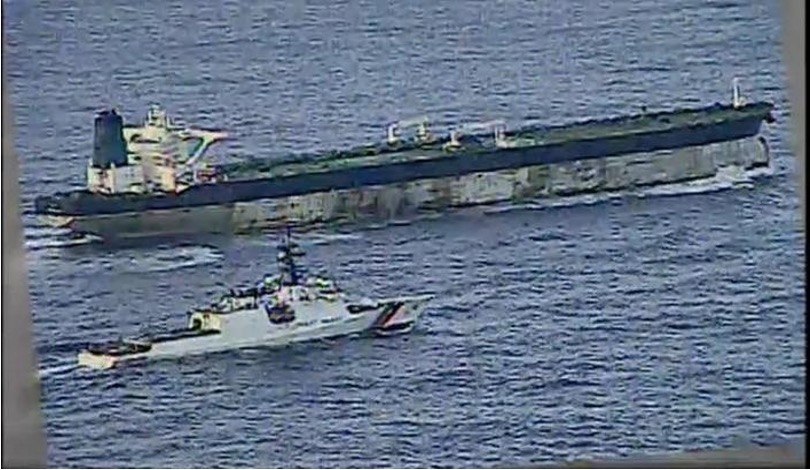
According to research by Bull and Rosales (2020), sanctions, together with the counter-strategies employed by the Venezuelan state, have produced multiple transformations in an economy already affected by adverse economic and political trends. These include greater informalization and criminalization of the economy, manifested in “an increase in the barter economy, de facto dollarization, the expansion of informal activities such as mining and the use of cryptocurrencies, as well as the proliferation of illegal actors and military intervention in critical sectors.”
Adding to this is the backing of non-Western powers, particularly Russia and China, which have provided diplomatic, financial, and strategic support without demanding concessions in terms of political reforms or democratic standards. This support has involved building parallel support networks that reduce the regime’s vulnerability to isolation. Indeed, they have been key allies in the construction of the so-called “Caracas Model” for evading sanctions.
This model began to consolidate from 2018 onward, when Venezuela redirected its economic and financial integration toward non-Western circuits. In the energy sphere, a considerable share of oil exports was channeled through bilateral agreements with Russia and China, including yuan-denominated sales and payment mechanisms outside the dollar-dominated financial system. China, which since 2007 has granted Venezuela approximately $100 billion in oil-backed loans, continued to receive significant volumes of crude, estimated by various sources at between 600,000 and 800,000 barrels per day in recent years. According to Reuters, following Donald Trump’s threats, the state-owned China National Petroleum Corp. (CNPC) officially suspended imports of Venezuelan oil. Nevertheless, PDVSA crude continued to reach China, “with the help of a Swiss-based subsidiary of Rosneft, the Russian state company, and through an indirect delivery method that made the oil appear to originate in Malaysia.” Russia, for its part, deepened its participation in joint ventures in the energy sector, such as Boquerón and Petroperijá, with agreements extended through 2041, combining investment, technical assistance, and energy supplies.
In the financial and logistical sphere, the regime made progress in creating alternative channels for transactions and transport. Integration into parallel payment systems, such as China’s CIPS and mechanisms associated with Russia’s MIR system, together with the growing use of cryptocurrencies and ghost fleets, made it possible to sustain exports and revenue flows beyond the reach of Western sanctions. Finally, this network was complemented by defense and security cooperation. Previous deliveries of air defense systems, aircraft, and military training, along with periodic signs of strategic support, raised the costs of direct intervention and reinforced the perception that the regime had external supporters willing to sustain it.
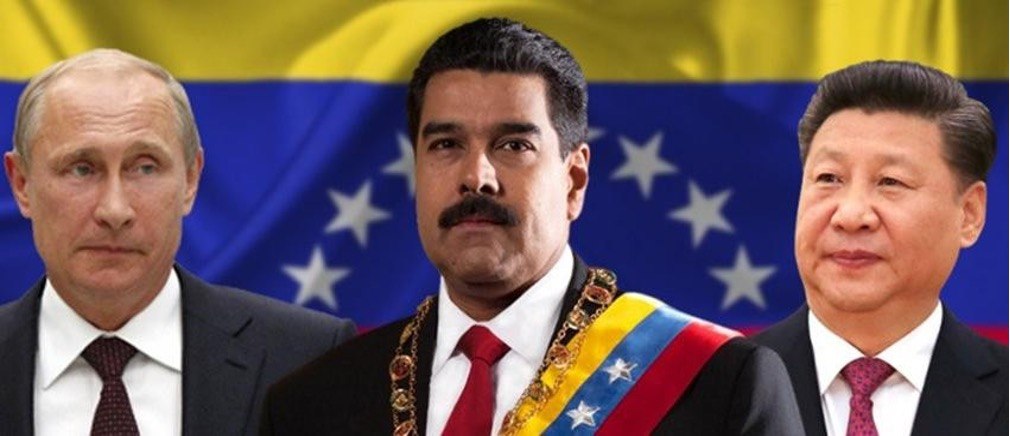
From this perspective, Venezuela has become a learning laboratory for revisionist actors and regimes under prolonged pressure, demonstrating that institutional survival can be organized within commercial, financial, and strategic circuits alternative to those of the traditional liberal order. The patterns described help normalize the idea that prolonged resistance to sanctions pressure is not only viable but can be integrated into a long-term strategy of political survival based on the capacity to maintain control, access to resources, and room for governance even under persistent conditions of coercion and isolation.
On the basis of the preceding analysis, the Venezuelan case makes it possible to situate a specific political crisis within broader transformations of the contemporary international system. Far from constituting an isolated anomaly, its trajectory can be read as an indicator of an order in transition, in which norms and multilateral forums retain formal relevance but face growing difficulties in producing sustained results. The international management of the Venezuelan conflict thus reveals a tension between principles, institutions, and effective capacities for enforcement, in a context marked by the fragmentation of power associated with the weakening of hegemonic leadership, the presence of revisionist actors, strategic competition, and the loss of minimal normative consensus.
From this perspective, this case helps illustrate a diagnosis already present in studies of global governance: the growing gap between the expectations placed in multilateralism and its effective capacity to resolve crises. Multilateral bodies continue to operate as channels for dialogue and limited coordination, but their capacity to generate shared commitments and induce substantive political transformations appears constrained by increasingly asymmetric power relations and by the presence of actors who challenge or reinterpret existing normative frameworks.
In this way, Venezuela’s case stands as a warning: in a world where expectations of order are once again organized around power rather than institutional foundations, international cooperation faces growing challenges and the material capabilities of actors matter as much as, or more than, their declaratory commitments. Nevertheless, as Walt and Rodrik (2022) note, the erosion of universal normative frameworks does not necessarily imply the absence of order; it may give rise to alternative forms of coordination, negotiation, and governance, whose configuration will depend on the decisions of actors and the arrangements they are able to build.
The views, thoughts, and opinions expressed in the documents published on this site belong solely to the authors and do not necessarily reflect those of the Transatlantic Dialogue Center, its committees, or its affiliated organizations. The documents are intended to stimulate dialogue and discussion and do not represent official policy positions of the Transatlantic Dialogue Center or any other organization with which the authors may be associated.