

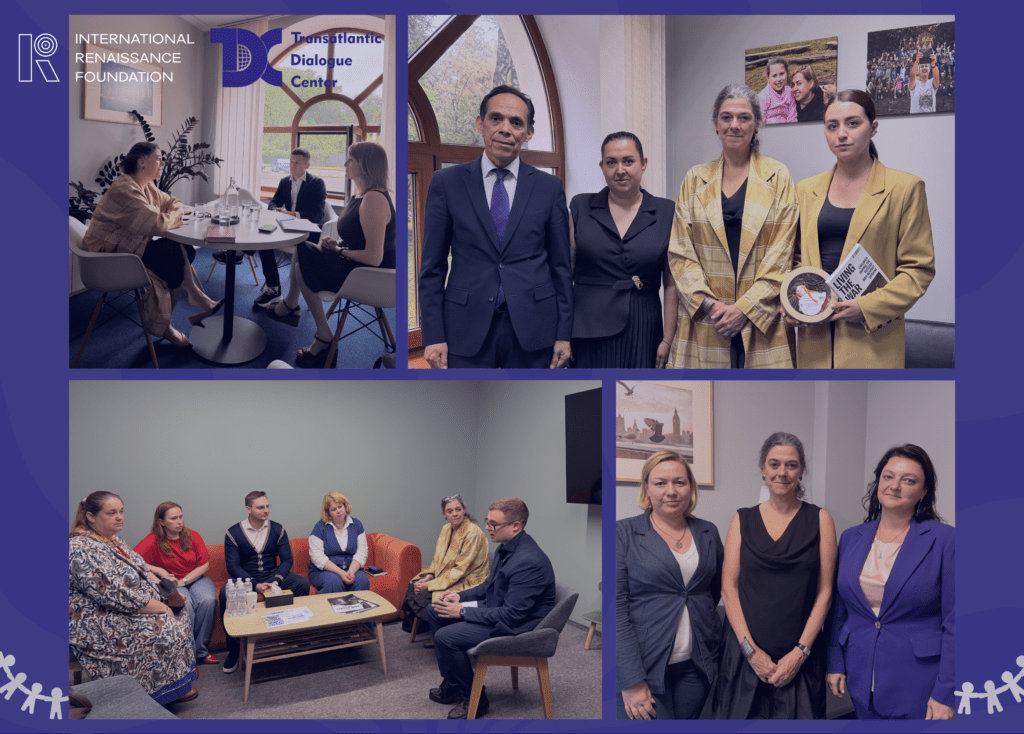
У червні 2026 року Transatlantic Dialogue Center (TDC) підтримав експертні зустрічі в Києві та триденний тренінг, який провела Маргарита Грісбах, мексиканська фахівчиня з питань отримання свідчень дітей. У межах програми було представлено нейрокогнітивну модель отримання свідчень дітей українським поліцейським, прокурорам і психологам, які працюють із дітьми-потерпілими та свідками.
Власний багаторічний досвід Мексики, пов’язаний зі зникненнями людей і проблемами захисту дітей, зробив цей обмін особливо актуальним, а воєнний контекст України надав обговоренню свідчень дітей, травми та доступу до правосуддя ще більшої нагальності.
Під час попереднього адвокаційного візиту до Мексики колег із Програми співпраці з Іспанією та Латинською Америкою, TDC зустрівся з Грісбах та обговорив спільні пріоритети у сфері правосуддя, дружнього до дітей. Потім TDC допоміг організувати її візит до України, координуючи роботу з українськими партнерами та надаючи підтримку в практичній організації київської програми. Давній професійний інтерес Грісбах до України також зробив цю співпрацю природним наступним кроком.
Програма розпочалася 8 червня 2026 року консультаціями щодо захисту дітей, які постраждали від війни Росії. У Save Ukraine Мирослава Харченко, керівниця юридичного відділу організації, окреслила перешкоди для повернення викрадених дітей, потребу в посиленні координації з українськими установами та важливість міжнародної адвокації й державної підтримки дітей після повернення та їхніх сімей. Також обговорили, як російська пропаганда й тривала окупація можуть впливати на сприйняття та поведінку дітей.
Того ж дня TDC та партнери зустрілися з Офісом Генерального прокурора України, зокрема з Олесею Волошиною, заступницею керівника Департаменту захисту інтересів дітей та протидії домашньому насильству, а також Аліною Букало, керівницею відділу захисту інтересів дітей та протидії домашньому насильству Полтавської обласної прокуратури. Обмін думками стосувався механізмів фіксації свідчень дітей, практичних обмежень цих механізмів, правових нюансів, а також українського й мексиканського підходів.
Окрема зустріч також відбулася з Дар’єю Герасимчук, Уповноваженою Президента з прав дитини та дитячої реабілітації, за участю Надзвичайного і Повноважного Посла Мексики в Україні Ауденсіо Контрераса Гонсалеса. Учасники обговорили шляхи поглиблення співпраці між Мексикою та Україною, зокрема можливе надання Мексикою спеціалізованої експертної підтримки Україні в реагуванні на пов’язані з війною злочини проти дітей.
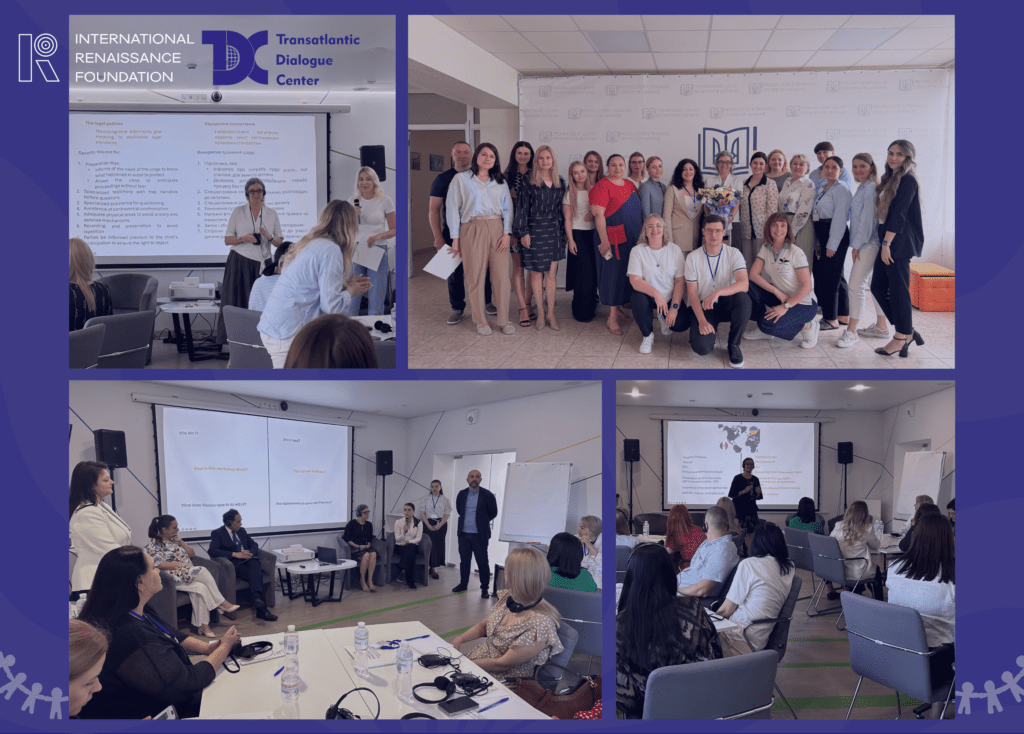
10–12 червня 2026 року програма завершилася триденним тренінгом Маргарити Грісбах. На відкритті з вітальними словами виступили Аліна Рогач (менеджерка проєкту Програми співпраці з Іспанією та Латинською Америкою у TDC), Дар’я Герасимчук, Посол Ауденсіо Контрерас Гонсалес, а також Олеся Волошина.
Модель ґрунтується на простому принципі: система правосуддя має адаптуватися до рівня розвитку дитини, а не навпаки. Вона заохочує вільну розповідь дитини, зменшує стрес і ризик повторної травматизації та зберігає гарантії допустимості доказів, зокрема належне документування, спонтанність, захист від зовнішнього впливу й дотримання стандартів належної правової процедури. Цей підхід є універсальним, оскільки відображає нейрокогнітивні закономірності розвитку дітей незалежно від мови чи культурного походження.
Київську програму реалізовано у співпраці з Офісом Уповноваженої Президента з прав дитини та дитячої реабілітації, Офісом Генерального прокурора України та Тренінговим центром прокурорів України, а також за додаткової підтримки приватних спонсорів і Маргарити Грісбах.
Цей проєкт підтримано Міжнародним фондом «Відродження».
Цей текст автоматично перекладено з англомовного оригіналу, який досі доступний при зміні мови сайту на англійську