

 7 min de lectura
The recent open letter from Ukrainian President Volodymyr Zelenskyy to the Russian leadership, dispatched in June 2026, acted as a catalyst for a distinct wave of discourse across Russian media and the military-blogging (Z-milblogger) sphere. This study provides a comprehensive analysis of the reactions and discussions generated within these communities, mapping how influential voices engaged, or strategically declined to engage, with the document.
Crucially, the letter pierced the Kremlin's rigid wartime narrative, forcing both state propagandists and radical pro-war commentators to confront a topic they usually avoid: under what specific conditions Russia might actually agree to peace talks, and what price would be deemed acceptable.
This analysis examines the response of key media figures and influencers across Telegram and broadcast platforms during the first five days following the letter’s publication. It focuses on how these voices interpreted the document, noting that the reaction was characterized less by a singular top-down directive and more by an organic, defensive skepticism.
By June 2026, the strategic landscape of the war between Russia and Ukraine had shifted significantly. The letter followed a period of intensified Ukrainian long-range strikes that targeted Russian logistical nodes and critical infrastructure, effectively disrupting the rear operations essential for sustaining the front line. Simultaneously, the battlefield saw a visible stagnation in Russian momentum, as their ability to force breakthroughs became increasingly hampered by these logistical failures.
Complicating this dynamic for the Kremlin was the broader geopolitical backdrop, specifically the approach of the U.S. midterm elections, which added a layer of volatility to international support and forced the Russian leadership to contend with a compressed timeline for demonstrating any tangible progress on the ground.
By issuing the letter amidst these converging factors, the Ukrainian leadership utilized the diplomatic momentum to challenge the stability of the Russian public posture towards the war.
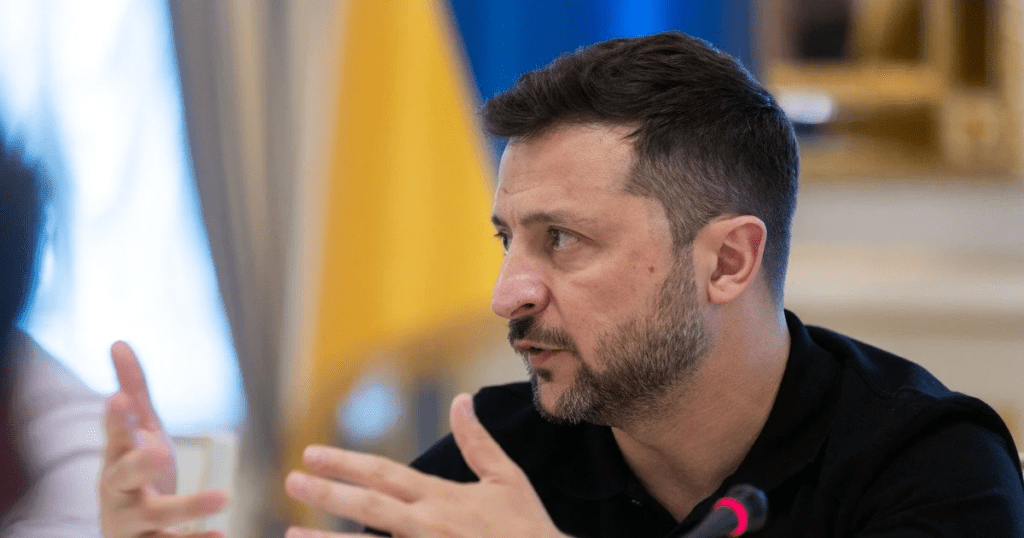
By suggesting that the Kremlin’s position is tied to the preservation of personal luxuries and by highlighting severe Russian military casualties alongside potential internal dissidence, the letter targeted the core of the state's projected image of domestic stability. Furthermore, the document hit a nerve by mocking Vladimir Putin’s advanced age and his decades-long rule, directly targeting his carefully cultivated image of strength and vital leadership.
This study investigates the information-suppression and framing strategies employed by influential Russian media figures and prominent "Z-milbloggers" following the diplomatic proposal made by President Volodymyr Zelenskyy. In the current landscape of the war, Telegram has become the primary battleground for narrative control; it serves as the essential, high-velocity network where the Russian public consumes information, making it the central hub for analyzing how the Kremlin manages public perception. Despite the introduction of state-controlled social media alternatives like MAX, Telegram retains its dominant role within Russian society.
The research focuses on a sample of accounts with a combined reach of over 3.7 million subscribers. This selection includes prominent Z-milbloggers such as "Dva Mayora" (1.1 million subscribers), "WarGonzo" (755,000 subscribers), and Alexander Kots (478,000 subscribers), alongside key state propaganda figures including Vladimir Solovyov (1.1 million subscribers), Margarita Simonyan (522,000 subscribers), and Olga Skabeyeva (223,000 subscribers).
The core of this research is a targeted analysis of the first five days following the release of the letter. Only reactions posted within the 120-hour window after the letterʼs reveal were taken into consideration, allowing us to analyze the immediate, unpolished response to the publication.
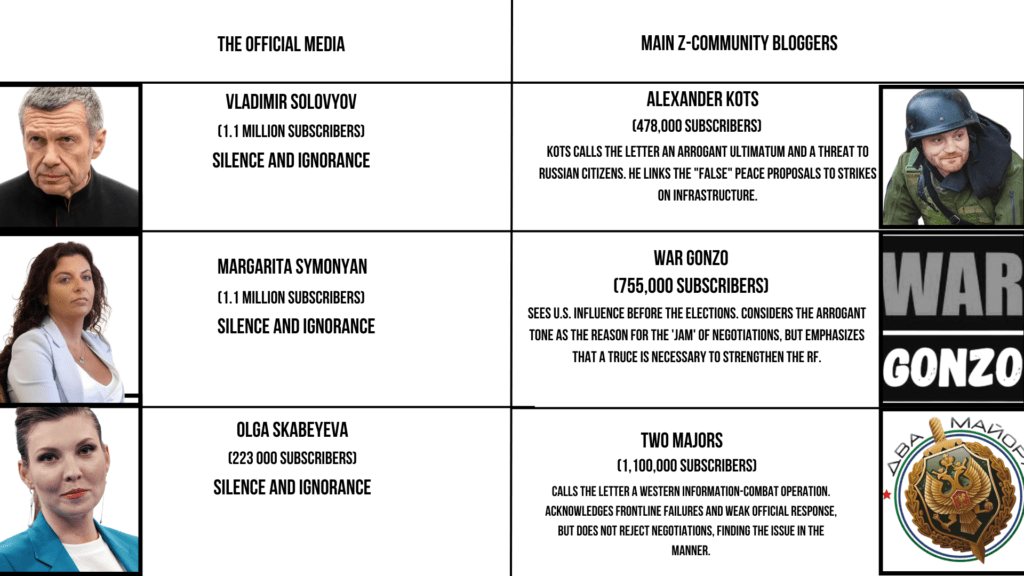
The Russian propaganda machine’s response to President Zelenskyy’s peace letter was defined by a palpable, nervous hesitation — a silence that reflected the Kremlin's initial uncertainty. During the first few days of the news cycle, talking heads like Vladimir Solovyov, Olga Skabeyeva, and Margarita Simonyan enforced a strict "strategic void," effectively airbrushing the document out of the Telegram conversation.
While all these propagandists heavily dominate Russian state television, they chose not to address the letter on their massive Telegram channels. This selective silence is telling, especially since domestic polls show a gradual decline in trust toward traditional TV (even according to Russian polls), making Telegram the true arena for shaping public opinion among the more active parts of Russian society.
The absence of the discourse is seen not as an organic decision; it rather happened due to official state institutions rushing to take the lead in formulating the narrative. Kremlin spokesperson Dmitry Peskov was the first to react, choosing not to reject the letter outright, but instead confirming it had been delivered to Putin and announcing it would be discussed at the Saint Petersburg Economic Forum. Only after Vladimir Putin himself set the official tone by publicly dismissing the letter as "arrogant" did the propaganda apparatus get its cue.
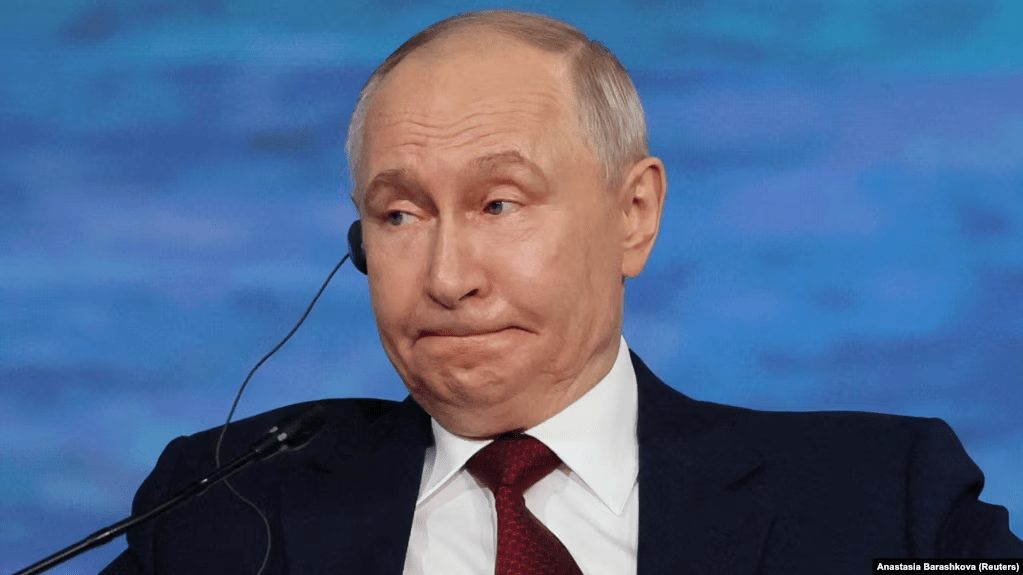
This dynamic shows a rigid, top-down hierarchy that paralyzes the Russian media machine whenever it is caught off guard. Instead of proactively shaping public perception, these influential figures had to pause and wait for an explicit institutional signal, proving that without direct orders from the Kremlin, the state’s massive propaganda apparatus remains deeply vulnerable to unexpected diplomatic maneuvers.
Representing the frontline media perspective, Alexander Kots, in an interview with the Tsargrad channel published on June 5 and his Telegram channel, called the letter arrogant and labeled it an ultimatum. He explicitly framed the document as a direct threat to Russian citizens intended to provoke a domestic revolution, stating: "This threat was voiced not to the President of Russia, but to its citizens, implying that if you don't organize some kind of Maidan there, it will be even worse. Actually, this is the essence of Zelenskyy's statement."
Kots also used the timing of the letter, which coincided with tactical strikes on Russian infrastructure, to portray Ukraine's move as fundamentally dishonest. He argued that Kyiv cannot genuinely "propose peace" while simultaneously conducting raids on logistics or targeting vessels, conveniently ignoring that Russia has not halted its own military operations. By highlighting this alleged contradiction, Kots shifted the focus away from the possibility of ending the war toward the narrative that Zelenskyy is issuing a veiled threat: accept Ukraine's terms or face internal instability.
A more complex, quasi-official military perspective came from the prominent "2 Majors" channel. In their June 5 post, they dismissed the letter as an "information-combat operation" designed by Western intelligence, asserting that the Russian leadership never makes decisions under pressure. However, they did not reject the concept of negotiations entirely. Instead, they criticized the manner of the address, invoking a telling historical comparison to emphasize what a "proper" peace process should look like:
"If the enemy wanted to reach out for negotiations, he would have done it. Despite jokes about 'the spirit of Anchorage,' the meeting was organized as it should be: respectfully, demonstrating the power of both states and with a decent ceremonial part. Though it didn't change anything."
This reference to "the spirit of Anchorage" reveals a double standard within the radical pro-war community. On one hand, it underscores their obsession with optics — the need for a grand, ceremonial setting where Russia is treated as an equal superpower and spared any public humiliation. On the other hand, it exposes the maximalist mindset of the far-right bloggers. By invoking Anchorage, they implicitly signal their allegiance to Putin’s rigid "Anchorage formula," which demands that Ukraine legally cede Crimea, hand over the entire Donbas (Donetsk and Luhansk regions), and de-facto recognize Russian control over the Zaporizhzhia and Kherson regions. For the Z-community, any negotiation that falls short of these maximalist imperial goals is unacceptable, making Zelenskyy’s direct and informal letter a non-starter.
Viewing the event through a geopolitical lens, popular Z-analyst Semyon Pegov (WarGonzo) stripped the letter of its bilateral context, framing it entirely around U.S. domestic politics and Donald Trump’s need for a foreign policy victory ahead of the congressional elections. Pegov implied that Kyiv is too weak on the frontline to act with such natural self-confidence, meaning the letter was dictated by "overseas handlers." Like the "2 Majors," Pegov focused heavily on the tone of communication, claiming that Zelenskyy’s arrogant manner is the primary reason negotiations are jammed. While he briefly implied that Russia requires a ceasefire, he used Ukrainian domestic struggles (mobilization and air-defense shortages) to argue that peace talks are merely a strategic tool for Russia to pause, rebuild, and return to the battlefield from a position of absolute strength.
The diverse reactions to President Zelenskyy’s letter expose a growing fracture within Russia’s pro-war media landscape. While the state-controlled propaganda apparatus reacted with a paralyzing, top-down silence, waiting for an official cue from Putin before safely ignoring the topic on Telegram, the Z-community actively engaged with it.
Crucially, this letter forced the radical pro-war network to break their own taboo and openly discuss the terms of potential peace talks. Even through their aggressive rhetoric, these bloggers revealed a fractured reality: they are divided between wanting a grand, face-saving diplomatic spectacle and fiercely clinging to the maximalist territorial demands of the "Anchorage formula."
For Ukraine, this underscores the value of maintaining continuous, asymmetrical informational pressure. By directly addressing the Russian state and public, Ukraine can successfully bypass the rigid Kremlin narrative, amplify the contradictions between state mouthpieces and frontline commentators, and force the Russian society to slowly, but inevitably, contemplate the true price of an elusive peace.
The views, thoughts, and opinions expressed in the papers published on this site belong solely to the authors and not necessarily to the Transatlantic Dialogue Center, its committees, or its affiliated organizations. The papers are intended to stimulate dialogue and discussion and do not represent official policy positions of the Transatlantic Dialogue Center or any other organizations with which the authors may be associated.