

Durante la visita de Américo Martins a Ucrania, el TDC apoyó una serie de reuniones centradas en la evolución de la situación militar y en la lógica estratégica que está configurando la guerra en 2026. Américo Martins, Corresponsal Internacional Sénior y Analista de Asuntos Internacionales de CNN Brasil, continuó compartiendo con las audiencias brasileñas análisis basados en el trabajo sobre el terreno, mientras grababa entrevistas que también serán adaptadas para espectadores lusófonos.
Américo Martins met with Maksym Skrypchenko, President of the Transatlantic Dialogue Center, to discuss how the war has evolved since 2022 and why Ukraine is increasingly shifting from a primarily defensive posture toward scaling long-range strike capabilities to slow Russia’s advance and degrade its military-industrial base. The conversation also highlighted Ukraine’s rapid innovation cycle and a key operational logic of the current stage of the war: overloading Russian air defenses through mass drone launches to create windows for strikes on high-value targets, including military production sites, logistics routes (including the land corridor to Crimea), and oil infrastructure that funds the war. This broader reality is reflected in CNN Brasil’s coverage of drone warfare in Ukraine, including “Rússia faz maior ataque de drones contra a Ucrânia desde início da guerra”.
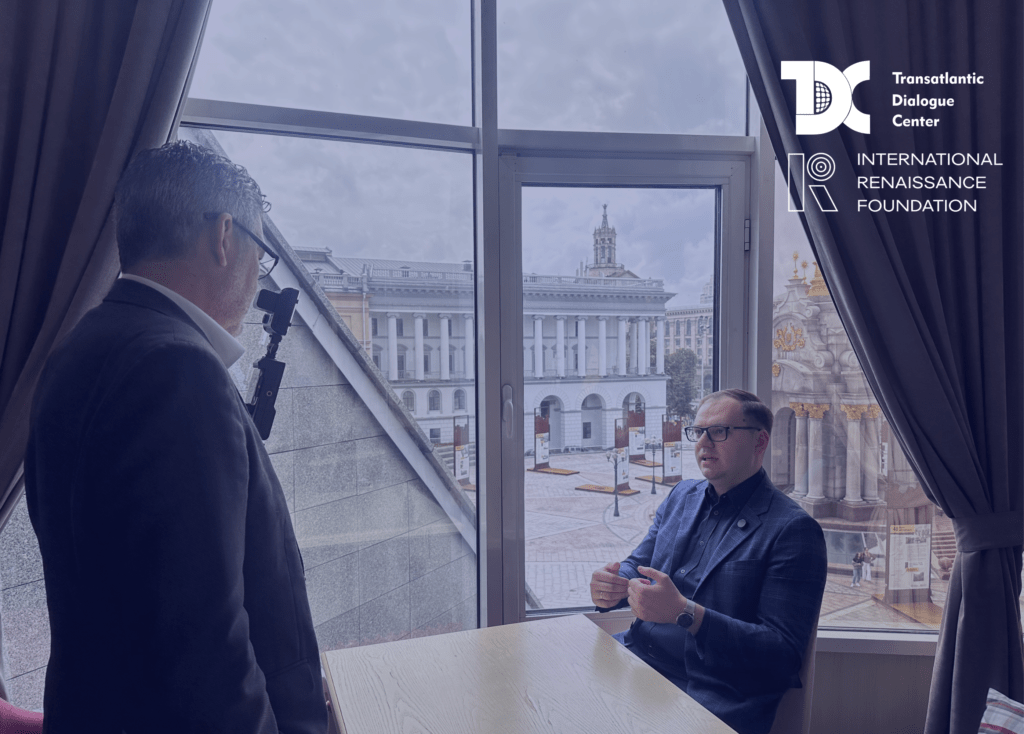
Américo también se reunió con Vladyslav Urubkov, Division Lead del Departamento Militar de la Fundación Come Back Alive, para debatir cómo la organización pasó de ser una iniciativa de voluntarios a convertirse en un operador de confianza que apoya a las unidades del frente mediante adquisiciones transparentes y una estricta rendición de cuentas. La discusión abordó las prioridades actuales: equipos de comunicación, vehículos y logística, armas de infantería autorizadas, adquisición de drones a gran escala y el creciente trabajo en sistemas robóticos terrestres no tripulados, así como la forma en que el campo de batalla se ha desplazado hacia un entorno dominado por drones.
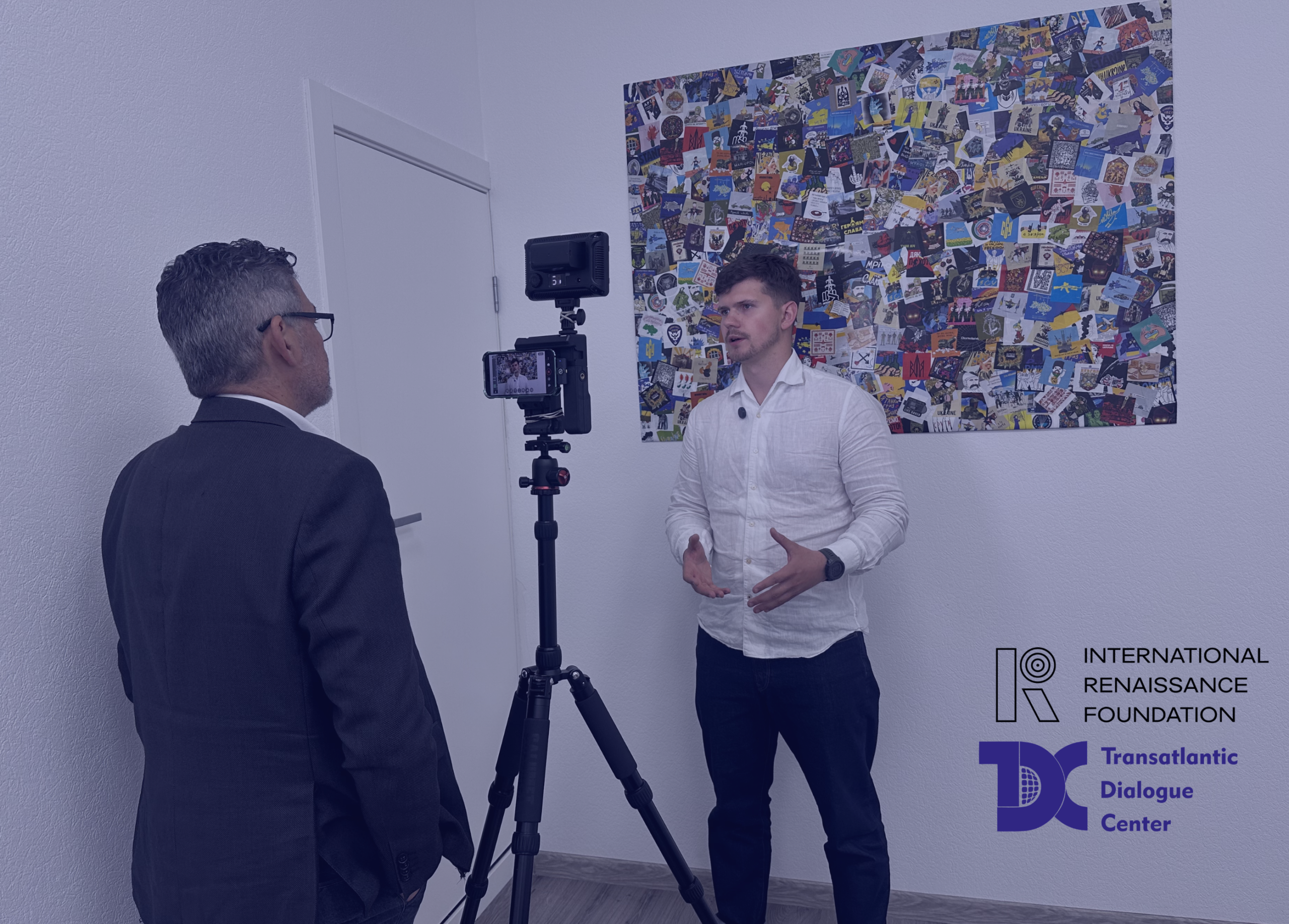
The meetings were coordinated by TDC’s Spain and Latin America Cooperation Program team: Oleksandr Slyvchuk (Coordinator),Alina Rohach (Project Manager), Bohdana Batsko (Project Assistant), and Maksym Volik (Project Assistant).
This project was supported by the International Renaissance Foundation.