
 29 دقائق للقراءة
لا تزال التيارات الأيديولوجية تؤدي دورًا محوريًا في الحياة السياسية لأمريكا اللاتينية. ففي المنطقة، لا تتشكل الهويات السياسية بفعل البرامج الاقتصادية أو التفضيلات الانتخابية وحدها، بل أيضًا بفعل الذكريات التاريخية والتجارب الجماعية والسرديات المتجذرة في أفكار السيادة والعدالة الاجتماعية ومناهضة الإمبريالية والعلاقات مع الولايات المتحدة.
تكتسب هذه الخلفية التاريخية والأيديولوجية أهمية في كيفية تفسير الفاعلين في أمريكا اللاتينية للأحداث الدولية. فقد خلّفت التدخلات الأجنبية والثورات والديكتاتوريات العسكرية والتحولات الديمقراطية وصراعات الحرب الباردة معجمًا سياسيًا تظل فيه مفاهيم مثل عدم التدخل وتقرير المصير والتبعية والاستقلال الاستراتيجي شديدة التأثير. ونتيجة لذلك، لا يعكس اليسار واليمين في أمريكا اللاتينية غالبًا مواقف سياسية داخلية فحسب، بل أيضًا رؤى متنافسة للنظام الدولي ولدور الغرب ولحدود نفوذ القوى الكبرى.
كشف الغزو الروسي واسع النطاق لأوكرانيا في فبراير 2022 عن هذا التعقيد. ففي أنحاء أمريكا اللاتينية، لم تستجب الحكومات والقادة السياسيون ووسائل الإعلام والرأي العام من خلال منظور إقليمي واحد. بل أفرزت الحرب تفسيرات متنوعة ومتعارضة أحيانًا، تشكلت بفعل المصالح الوطنية والأطر الأيديولوجية والسرديات المتعلقة بالسيادة والتدخل والقوة العالمية.
تبحث هذه المقالة في كيفية تأثير هذه التقاليد الأيديولوجية والأطر السردية في تصورات أمريكا اللاتينية لأوكرانيا وحرب روسيا. وتعرض أولًا العوامل التاريخية والسياسية التي شكّلت الثقافة السياسية في المنطقة، ثم تحلل المواقف التي تبنتها بلدان أمريكا اللاتينية في المحافل الدولية، وأخيرًا تستكشف السرديات السياسية والإعلامية التي أسهمت في تباين فهم الصراع.
نتيجة لعوامل مختلفة، لا يمكن فهم الانقسامات الأيديولوجية التقليدية بين «اليسار» و«اليمين» بطريقة خطية كما في أوروبا، إذ تشكلت عبر تجارب تاريخية اتسمت باللامساواة البنيوية وهشاشة المؤسسات والتأثير العميق — المباشر وغير المباشر على حد سواء — للصراعات الخارجية. وقد أعادت هذه العوامل تشكيل نطاق هذه الأيديولوجيات ومعناها داخل كل بلد. وهذه التسميات، التي تُبنى في سياقات أخرى حول أحزاب ومؤسسات مستقرة نسبيًا، تميل في أمريكا اللاتينية إلى التشابك مع مطالب إعادة التوزيع ومطالبات السيادة والاستجابات لأنواع مختلفة من الأزمات، مُنتجة خريطة سياسية أكثر تعددية وأقل قابلية للتنبؤ.
خلال الحرب الباردة، تعمق هذا التعقيد. فقد أدت المعركة الأيديولوجية بين قوى الكتلتين الغربية والشرقية إلى سلسلة من الانقلابات التي نُفذت عبر تدخلات عسكرية في المخروط الجنوبي.
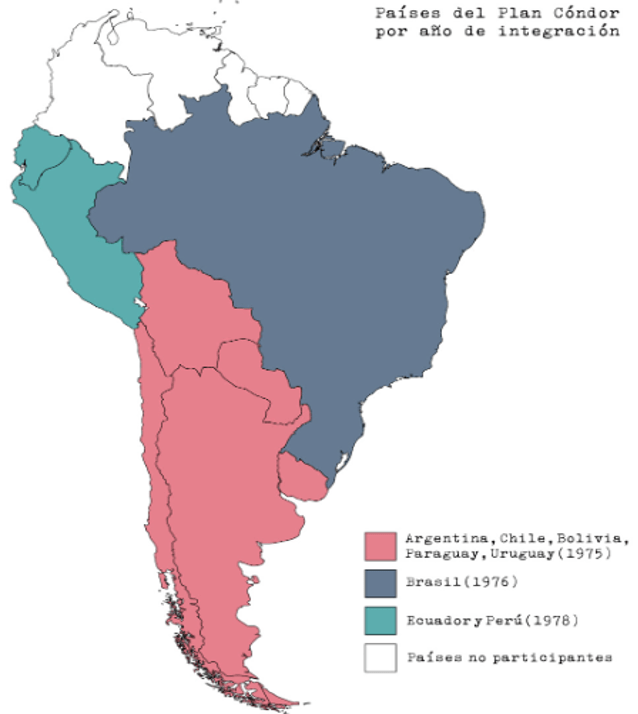
تجسد هذا السيناريو في ما عُرف باسم عملية كوندور، حيث نفذت الأنظمة الديكتاتورية في البرازيل وباراغواي وبوليفيا وأوروغواي وتشيلي والأرجنتين، بقيادة الولايات المتحدة، حملة منسقة من إرهاب الدولة. وجمع هذا النموذج بين السلطوية والقمع الحكومي ومشاريع التنمية المحافظة، مما أسفر عن سلسلة من الجرائم ضد الإنسانية نُفذت عبر تنسيق عابر للحدود ضد قطاعات معارضة أيديولوجيًا للغرب.
ضمن هذا الإطار، كانت الولايات المتحدة (من خلال عقيدتها للأمن القومي وغيرها من أدوات النفوذ السياسي والعسكري في المنطقة) هي التي عززت وصم قطاعات اليسار والحركات الاجتماعية والجماعات التقدمية داخل الدول نفسها، ووصفتها بأنها تهديدات داخلية. وقد استُخدم هذا التصنيف مبررًا لتقديم الدعم المالي والاستخباراتي والتدريبي للعسكريين قبل إقامة الأنظمة السلطوية المختلفة في أنحاء القارة، من أجل ضمان تحالفات موالية لأمريكا في المنطقة والقضاء على النفوذ السوفيتي.
في غضون ذلك، شهدت أمريكا الوسطى ومنطقة الكاريبي دينامياتها الخاصة من التدخلية وفق منطق مواجهة أكثر مباشرة بكثير. ففي هذه المنطقة، ركزت الولايات المتحدة إجراءاتها على وقف أي مشروع سياسي يهدد هيمنتها أو مصالحها المباشرة عبر عمليات سرية وخنق اقتصادي وتمويل قوات متمردة. وهكذا، تدخلت وكالة الاستخبارات المركزية عام 1954 لتدبير الإطاحة بالرئيس المنتخب ديمقراطيًا جاكوبو أربينز في غواتيمالا، الذي أثرت سياساته للإصلاح الزراعي في احتكارات الشركات الأمريكية، ولذلك وُصمت بأنها تهديد شيوعي.
ضمن هذا الإطار، كانت الولايات المتحدة (من خلال عقيدتها للأمن القومي وغيرها من أدوات النفوذ السياسي والعسكري في المنطقة) هي التي عززت وصم قطاعات اليسار والحركات الاجتماعية والجماعات التقدمية داخل الدول نفسها، ووصفتها بأنها تهديدات داخلية. وقد استُخدم هذا التصنيف مبررًا لتقديم الدعم المالي والاستخباراتي والتدريبي للعسكريين قبل إقامة الأنظمة السلطوية المختلفة في أنحاء القارة، من أجل ضمان تحالفات موالية لأمريكا في المنطقة والقضاء على النفوذ السوفيتي.
وبالتوازي، شهدت أمريكا الوسطى ومنطقة الكاريبي دينامياتها الخاصة من التدخلية وفق منطق مواجهة أكثر مباشرة بكثير. ففي هذه المنطقة، ركزت الولايات المتحدة إجراءاتها على وقف أي مشروع سياسي يهدد هيمنتها أو مصالحها المباشرة عبر عمليات سرية وخنق اقتصادي وتمويل قوات متمردة. وهكذا، تدخلت وكالة الاستخبارات المركزية عام 1954 لتدبير الإطاحة بالرئيس المنتخب ديمقراطيًا جاكوبو أربينز في غواتيمالا، الذي أثرت سياساته للإصلاح الزراعي في احتكارات الشركات الأمريكية، ولذلك وُصمت بأنها تهديد شيوعي.
في كوبا، عقب انتصار الثورة وكردّ انتقامي مباشر على تأميم الممتلكات المملوكة للأمريكيين، فُرض حظر تجاري واقتصادي ومالي صارم (وهو لا يزال ساريًا حتى يومنا هذا) صُمم لعزل الجزيرة والتسبب في انهيار حكومة كاسترو.
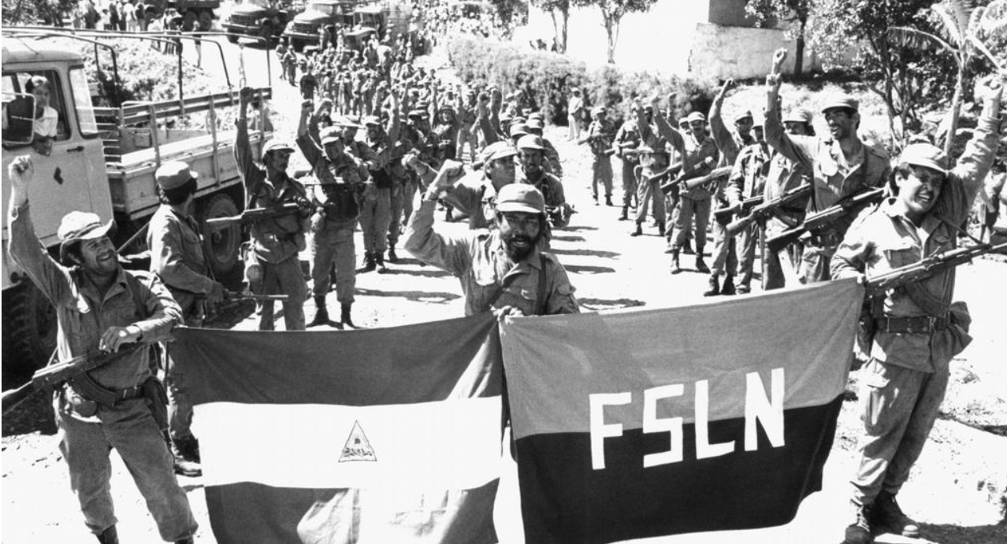
من جهتها، أظهرت حالة نيكاراغوا بوضوح استخدام وتمويل القوات شبه العسكرية خلال ثمانينيات القرن العشرين، التي نُشرت لزعزعة استقرار حكومة جبهة التحرير الوطني الساندينية (FSLN)، التي كانت قد هزمت سابقًا ديكتاتورية سوموزا الموالية لأمريكا عام 1979. وفي هذا الصدد، قامت الولايات المتحدة بتمويل وتسليح وتدريب «الكونترا»، وهو تحالف من جماعات التمرد المناهضة للثورة تألف إلى حد كبير من أعضاء سابقين في الحرس الوطني لسوموزا.
كما تبيّن، فإن وجود خطابات متنوعة مناهضة للإمبريالية في أمريكا اللاتينية (سواء على مستوى الدول أو أطيافها السياسية) لا ينبع فقط من التزام أيديولوجي مجرد. بل ترك أثرًا عميقًا في مبادئ الدبلوماسية ذاتها في المنطقة، ولا سيما في النزعة إلى رفض الاصطفاف التلقائي مع القوى الكبرى.
وبهذه الطريقة، أعطت حكومات كثيرة في المنطقة الأولوية للسيادة وعدم التبعية للكتل، وهو ما يترجم إلى خطاب «عدم الانحياز النشط». ويفسر ذلك سبب ميل جزء كبير من المنطقة، في مواجهة صراعات دولية مثل الحرب في أوكرانيا، إلى إدانة الغزو دبلوماسيًا مع الحفاظ على موقف نقدي أو ملتبس تجاه العقوبات وشحنات الأسلحة، كي لا تقيّد هامش استقلالها.
في هذا السياق، تميل مواقف دول أمريكا اللاتينية إلى البراغماتية والدقة: فهي ترفض انتهاك الحدود والغزو العسكري، لكنها تقاوم أيضًا تحمّل تكاليف اقتصادية أو سياسية تراها مفروضة من قوى خارجية. وهذا المزيج من المبادئ المعيارية (رفض العدوان) وحسابات المصلحة الوطنية (تجنب العقوبات) ينتج سياسة خارجية قد تبدو، من الخارج، متناقضة أو ملتبسة. إلا أنها تستجيب لتقليد تاريخي يتمثل في الحفاظ على الاستقلال وتجنب التحول إلى ساحة معركة للقوى الكبرى. ويساعد هذا المنطق في تفسير سبب تأكيد بعض الحكومات على الحاجة إلى التفاوض ومخرج دبلوماسي، مع إعطاء الأولوية للقنوات متعددة الأطراف والحياد العلني في مواجهة الحرب.
ومع ذلك، من الضروري توضيح أن هذا الإرث التاريخي المشترك لا يعني أن أمريكا اللاتينية تتصرف ككتلة واحدة. ففي حين أن الدفاع عن الاستقلال إزاء القوى الكبرى قاسم مشترك، فإن تطبيقه العملي في مواجهة الغزو الروسي لأوكرانيا وتأثيره متعدد الأبعاد يكشف عن تشرذم عميق، يعتمد تحديدًا على الحكومة الحاكمة وتكوينها الأيديولوجي. فعلى سبيل المثال، يوجد ضمن طيف اليسار نفسه إدانة صريحة والالتزام بالقانون الدولي (كما في حالة تشيلي)؛ ومواقف وساطة ملتبسة تتجنب تنفير موسكو (كما في الدبلوماسية التي تنتهجها البرازيل)؛ ودعم صريح لروسيا من أنظمة سلطوية (مثل فنزويلا أو نيكاراغوا)، توظف الخطاب التقليدي المناهض للإمبريالية لا بوصفه مبدأً للحياد، بل أداة للبقاء السياسي والمواجهة المباشرة مع الغرب.
وأخيرًا، ينبغي أخذ تأثير العلاقات التجارية لأمريكا اللاتينية مع الصين وروسيا في الاعتبار، إذ يمكنها أن تشكل هامش المناورة لدى حكومات كثيرة وسط مخاوف من العقوبات الأحادية الجانب. فقد أصبحت الصين الآن ثاني أكبر شريك تجاري للمنطقة، مع تدفق للواردات والصادرات تجاوز 500 مليار دولار في عام 2022، بما ينطوي على اعتماد على هذه السوق في المواد الخام والبنية التحتية والتمويل.
وبالمقارنة، تُعد التجارة مع روسيا أكثر محدودية بكثير، لكن حضورها كمورد للغذاء والطاقة (وكفاعل رمزي في الخطاب المناهض للغرب) يؤثر في استعداد بعض الحكومات لتبني مواقف أكثر حذرًا أو نقدًا تجاه القوى الغربية.
يمكن أن يساعد السياق المذكور أعلاه في تفسير ميل السياسة الخارجية لأمريكا اللاتينية تجاه الصراعات العالمية إلى النفور من المعسكرات الجامدة والانحياز أكثر إلى استراتيجيات الوساطة والحياد النسبي. ومن خلال منظور عدم الثقة هذا تجاه الغرب، يصبح من الممكن فهم سبب تفسير بعض القطاعات والحكومات في أمريكا اللاتينية للحرب في أوكرانيا عبر التركيز السائد على توسع الناتو. ومن منظور تحليلي، يولد هذا التأطير عدم تماثل في تصور الصراع: فمن خلال جعل النقاش يتمحور حول دور التحالف الأمني، تميل هذه السرديات إلى دفع النقاش حول السيادة الإقليمية الأوكرانية والعدوان العسكري الروسي إلى الخلفية.
لا يقتصر السياق التاريخي المعقد والسعي الدائم إلى الاستقلال ومثال الحياد الذي نوقش أعلاه على الديناميات الداخلية للمنطقة؛ بل له أيضًا أثر مباشر في الساحة الدبلوماسية العالمية. وضمن هذا الإطار، مثّل الغزو العسكري الروسي لأوكرانيا في 24 فبراير 2022 نقطة تحول في النظام الدولي، ولا سيما في ديناميات التعاون والأمن. وبالنسبة إلى أمريكا اللاتينية، فقد عنى إبراز تباينها التاريخي وعدم ثقتها بالكتل المهيمنة في المحافل الرئيسية متعددة الأطراف.
في حين أن المنطقة بعيدة جغرافيًا عن النزاع (كما أن ظروفها الاقتصادية والسياسية الخاصة دفعت الاهتمام بتطورات الحرب وتبعاتها إلى هامش الأجندات الوطنية)، أجبرت القرارات الدولية دول أمريكا اللاتينية على اتخاذ مواقف علنية. ولم تتبلور هذه الردود في كتلة موحدة، بل جاءت على شكل طيف كامل من المواقف يكشف كيف تحقق كل دولة توازنها الداخلي الخاص بين مبادئها المعيارية وتحالفاتها الاستراتيجية ومطالباتها بالسيادة في مواجهة الكتل المهيمنة. وبناءً على ذلك، يعطي هذا القسم الأولوية للأصوات في المحافل متعددة الأطراف على حساب بلاغة خطابات قادة أمريكا اللاتينية أو التصريحات الرئاسية. فعلى خلاف التصريحات، يشكل التصويت الرسمي في هيئة دولية فعلًا من أفعال السياسة الخارجية يمثل الموقف الرسمي للدولة ويترتب عليه عواقب دبلوماسية ملموسة. ولذلك، يسهّل المقارنة المنهجية، إذ ينطوي على ردود فردية على النصوص نفسها ضمن الأطر الزمنية نفسها، بما يقلل من الذاتية الملازمة لتفسير خطابات متفاوتة في طبيعتها وطولها وغرضها.
تُعد الأمم المتحدة (UN) من أهم المحافل متعددة الأطراف. فبعد استخدام روسيا حق النقض في مجلس الأمن، اعتمدت الجمعية العامة القرار ES-11/1، الذي طالب بإنهاء الغزو وانسحاب القوات الروسية من الأراضي الأوكرانية. واستجابة لهذا الوضع، تشكلت كتل من الدول لدعم القرار، شملت على نحو بارز الأرجنتين والبرازيل وتشيلي وكولومبيا وكوستاريكا والمكسيك وبيرو وأوروغواي. وعلى النقيض، فإن حكومات مثل حكومات كوبا ونيكاراغوا وبوليفيا اختارت الامتناع عن التصويت، وهو موقف ظل ثابتًا عبر مختلف المحافل متعددة الأطراف ويؤكد روابط سياسية واستراتيجية أوثق مع روسيا.
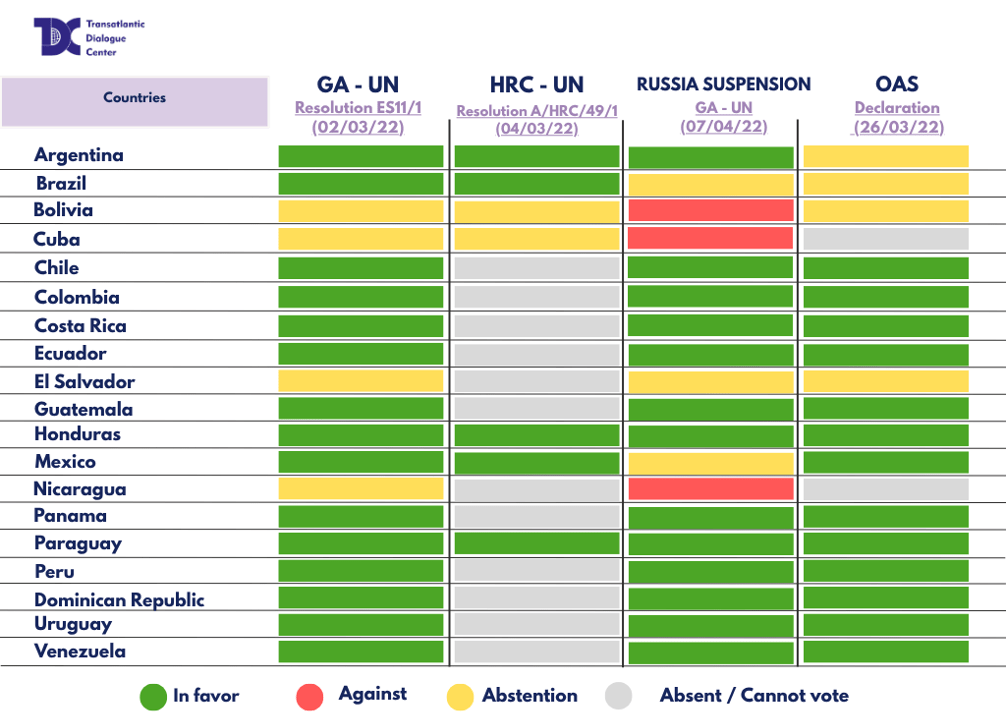
من جهته، وفي الهيئة نفسها، اقترح مجلس حقوق الإنسان تعليق عضوية روسيا عبر تصويت في الجمعية العامة. وفي هذا الصدد، أيدت دول أمريكا اللاتينية، بما فيها الأرجنتين وتشيلي وكولومبيا وبيرو وأوروغواي، تعليق عضوية روسيا، بينما اختارت المكسيك الامتناع عن التصويت إلى جانب مجموعة أخرى من الدول. أما نيكاراغوا فصوتت ضد المقترح، متحالفة مع كوبا والصين وسوريا وبيلاروس. وعلى هذا المنوال، اعتمد مجلس حقوق الإنسان التابع للأمم المتحدة القرار A/HRC/49/L.1، الذي أصبح القرار A/HRC/49/1، وأنشأ لجنة التحقيق الدولية المستقلة بشأن أوكرانيا. وأدان الوضع الخطير لحقوق الإنسان والقانون الإنساني الدولي الناجم عن الغزو، وكلف اللجنة بتوثيق الانتهاكات وجمع الأدلة وتحديد المسؤولين عنها وحفظ الأدلة للإجراءات الجنائية المستقبلية. وفي تلك المناسبة، كانت بوليفيا وكوبا الدولتين الوحيدتين في أمريكا اللاتينية اللتين امتنعتا عن التصويت.
لوحظ اتجاه مماثل في منظمة الدول الأمريكية (OAS). فعلى الرغم من أن المنظمة أدانت الغزو الروسي ثم علقت صفة روسيا كمراقب دائم، عكس التصويت مرة أخرى الانقسامات داخل المنطقة. وبينما أيدت أغلبية الدول هذه التدابير، اتخذت دول مثل بوليفيا ونيكاراغوا والسلفادور والأرجنتين والبرازيل وهندوراس والمكسيك مواقف أكثر حذرًا من خلال الامتناع عن التصويت أو الغياب. ويبيّن ذلك أنه، رغم وجود توافق إقليمي واسع على رفض استخدام القوة، استمرت الاختلافات بشأن درجة العزلة الدبلوماسية التي ينبغي فرضها على روسيا.
يتيح تحليل المواقف المتخذة التمييز بين ثلاث مجموعات رئيسية على الأقل، يتجاوز اصطفافها مجرد مقياس للقرب من روسيا أو أوكرانيا. حافظت مجموعة أولى، تتألف من كوبا ونيكاراغوا وفنزويلا وبوليفيا، على موقف ثابت بعدم الإدانة في جميع المحافل التي جرى فحصها. وتشترك هذه المجموعة في سمات سياسية مشتركة، ولا سيما من حيث الحوكمة وجودة الديمقراطية. فبعض الحالات تتوافق مع أنظمة استبدادية، مثل كوبا وفنزويلا ونيكاراغوا، فيما تظهر حالات أخرى خصائص هجينة أو ديمقراطيات ناقصة ومحدودة، مثل بوليفيا. وفي هذا الصدد، تجدر الإشارة إلى أن كوبا ونيكاراغوا وفنزويلا هي الشركاء الأمنيون الرئيسيون لروسيا في أمريكا اللاتينية، إذ تحافظ على اتفاقات للتعاون الدفاعي تشمل بيع المعدات العسكرية والمساعدة التقنية والأنشطة الاستخباراتية، وقد أصبحت فنزويلا أكبر متلقٍ للأسلحة الروسية في المنطقة.
من هذه الزاوية، تركز هذه المجموعة أعلى درجة من القرب والتأثير الروسيين. وعلى وجه الخصوص، وصف الباحثون علاقات الكرملين مع كوبا وفنزويلا بأنها «تعاون استبدادي»، لا تقوم رابطته الأساسية على الأيديولوجيا وحدها، بل على التبادل الاستراتيجي للموارد والسرديات والممارسات التي تعزز الصمود الاستبدادي محليًا ودوليًا. وبهذا المعنى، لا تقوم العلاقة على قدرات متكافئة، بل على مستوى التكامل الخاص بكل طرف: فبينما توفر روسيا موارد الطاقة ومبيعات الأسلحة والدعم الدبلوماسي وأدوات التضليل الإعلامي الجماهيري، تسهم كوبا بشرعيتها الثورية وشبكات التبادل السياسي والثقافي والمهني التي تُترجم إلى تصدير تقنيات السيطرة الاجتماعية والسرديات المناهضة للإمبريالية واستراتيجيات إضعاف المؤسسات الديمقراطية.
أما المجموعة الثانية فتشير إلى الدول التي صوتت لصالح القرارات المُدينة في الجمعية العامة للأمم المتحدة وأيدت آليات التحقيق في حقوق الإنسان، لكنها امتنعت عن الانضمام إلى العقوبات الاقتصادية أو تقديم دعم مادي لأوكرانيا (ولا سيما الأرجنتين وتشيلي وكولومبيا وأوروغواي وبيرو). ويعكس موقفها الالتزام بمبادئ القانون الدولي، من دون أن يعني ذلك اصطفافًا سياسيًا أو عسكريًا مع أي من الكتلتين المتنازعتين. ولذلك يمكن تفسير تصويتها في المحافل متعددة الأطراف بوصفه رفضًا لانتهاك القواعد الدولية أكثر منه موقفًا جيوسياسيًا.
هذا التمييز ضروري لفهم سبب إدانة هذه الدول للغزو في سياق المحافل متعددة الأطراف، مع حفاظها في الوقت نفسه على مسافة حذرة من العواقب العملية للنزاع. وفي هذا الصدد، من المهم أخذ أن مشاركة معظم دول المنطقة في العقوبات الاقتصادية أو تزويد أوكرانيا بالموارد ستعني تعريض العلاقات التجارية أو التوافقات السياسية للخطر، وهي أمور يصعب تحملها اقتصاديًا. ولذلك يعكس سلوكها إقرارًا باحترام القانون الدولي من دون تحمل كلفة المواجهة المباشرة مع الجهات الفاعلة العالمية الكبرى.
وأخيرًا، تتكون مجموعة ثالثة من المكسيك والبرازيل، وتتميزان بـازدواجية معقدة: فهما تدينان الغزو من دون المشاركة الفاعلة في العقوبات، وفي الوقت نفسه تطرحان انتقادات أشد للغرب ولعدم تماثل القوة القائم في النظام الدولي. وقد انتقدت شخصيات سياسية مثل لويز إيناسيو لولا دا سيلفا وأندريس مانويل لوبيز أوبرادور المسؤولية المشتركة للولايات المتحدة والاتحاد الأوروبي في النزاع، ولا سيما بشأن توسع الناتو وافتقار الغرب إلى دبلوماسية وقائية أكثر نشاطًا. وبالتوازي، ينبع الموقف المتحفظ لكلا البلدين جزئيًا من تقاليد دبلوماسية راسخة: «حافظت البرازيل تاريخيًا على الاستقلالية بوصفها عنصرًا أساسيًا في استراتيجيتها الكبرى، بينما تمسكت المكسيك تقليديًا بـمبدأ إسترادا، القائم على عدم التدخل».
لا ينبغي قراءة أنماط التصويت هذه ببساطة باعتبارها مقياسًا للتعاطف مع روسيا. ففي كثير من الحالات، تعكس جهدًا إقليميًا أطول أمدًا للحفاظ على الاستقلالية في نظام دولي غير متماثل. ومع ذلك، يمكن لهذا الإطار نفسه أن يجعل بعض السرديات، ولا سيما تلك التي تؤكد توسع الناتو أو مسؤولية الغرب، أكثر إقناعًا سياسيًا، حتى عندما تحجب سيادة أوكرانيا ودور روسيا بوصفها المعتدية.
وانطلاقًا من الفرضية الأخيرة، يمكن القول إن هذه المواقف غير الحاسمة تمثل وسيلة للسعي إلى الاستقلالية عن القوى الكبرى، لا سيما بالنظر إلى أن «بعض مناطق أمريكا اللاتينية والكاريبي احتفظت بحنين معين إلى أسطورة الاتحاد السوفيتي بوصفه مدافعًا في وجه الإمبريالية الغربية، وقد سعت موسكو إلى استغلال ذلك الحنين لتوليد الدعم، مقدمة أفعالها في أوكرانيا بوصفها ردًا دفاعيًا على التوسع الغربي».
بهذا المعنى، لا تؤدي الهيئات متعددة الأطراف دور فضاءات للتوصل إلى توافق بشأن الشؤون الدولية فحسب؛ بل تعمل أيضًا كأداة للتشكيك في المنظورات داخل النظام الدولي وفي اختلالات القوة الكامنة فيه. ومن أبرز الانتقادات التطبيق الانتقائي للقواعد الدولية، ومحدودية مساءلة القوى الكبرى عن انتهاكات القانون الدولي، والاهتمام غير المتكافئ بأزمات معينة بحسب أهميتها الاستراتيجية للبلدان الغربية. وبذلك، يمكن تفسير الحذر الذي تبديه حكومات مثل حكومتي البرازيل والمكسيك تجاه الحرب في أوكرانيا على أنه أقل تعبيرًا عن دعم روسيا وأكثر محاولة لتجنب الاصطفاف مع أي من قطبين للقوة في النظام الدولي.
في حين يساعد تحليل الأصوات في الهيئات متعددة الأطراف على كشف المواقف الرسمية لكل دولة، فإن الحقيقة هي أن الاختلافات بين مواقف بلدان أمريكا اللاتينية لا يمكن تفسيرها بالمصالح الاستراتيجية أو الروابط الدبلوماسية مع الأطراف المعنية وحدها. فخلف كل موقف أيضًا أطر أيديولوجية عميقة صاغت تصورات النزاع من زوايا مختلفة. واستجابة لذلك، من الضروري فحص السرديات السياسية الرئيسية التي برزت في المنطقة حول الغزو الروسي لأوكرانيا والطريقة التي عززت بها جهات إعلامية مختلفة هذه السرديات ووظفتها.
لا يمكن اختزال استجابة حكومات أمريكا اللاتينية للغزو الروسي في مجرد اصطفاف للتفضيلات الجيوسياسية؛ فهي تعكس إلى حد كبير تفعيل أطر أيديولوجية ذات جذور تاريخية عميقة في المنطقة.
ولهيكلة التحليل، من المفيد التمييز بين موقفين: أولهما الدعم الصريح لروسيا، وثانيهما ما يسمى «الحياد النشط»، اللذان، رغم اختلافهما في الشدة، يشتركان في بنية سردية كامنة.
كتلة الدعم الصريح: السيادة بوصفها إطارًا انتقائيًا
في فنزويلا وكوبا ونيكاراغوا، جرى تأطير الحرب بصورة منهجية ضمن الرصيد الأيديولوجي للمعاداة اللاتينية الأمريكية للإمبريالية، وإن كان بتركيزات مختلفة تكشف أسس الشرعية المتباينة لكل نظام.
أعلن نيكولاس مادورو «دعمه الكامل للرئيس بوتين في الدفاع عن السلام وشعبه ووطنه»، مؤطرًا الغزو باعتباره جزءًا من مسار «تسعى فيه الإمبراطورية الأمريكية وحلف الناتو، بالوسائل العسكرية، إلى تدمير روسيا». ويمنح خطابه مفهوم التعددية القطبية الأولوية بوصفه أفقًا معياريًا، ما يتيح له تقديم الغزو لا باعتباره عملًا عدوانيًا بل ردًا على نظام عالمي غير متوازن؛ وهو تأطير يتسق مع تعريف التشافيزية لذاتها بوصفها فاعلًا من الجنوب العالمي في صراع مع الغرب.
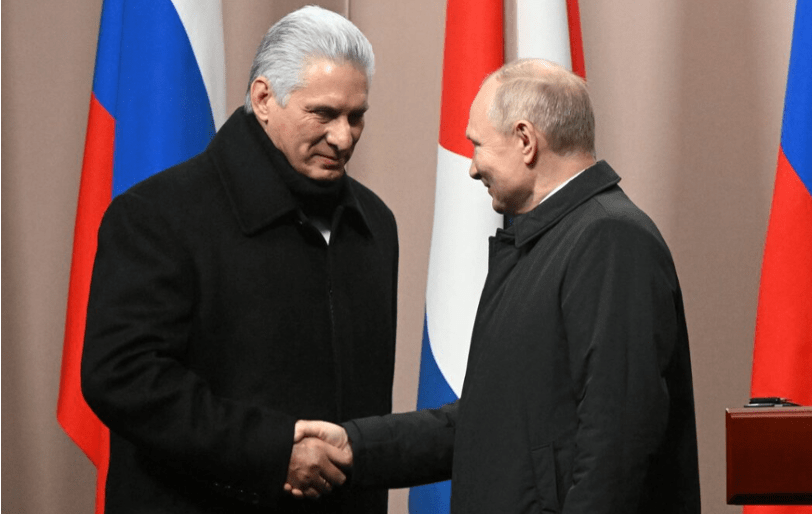
استند ميغيل دياز-كانيل إلى رصيد مختلف لكنه متقارب وظيفيًا: رصيد الأمن المشروع. فمن خلال القول إن النزاع «كان يمكن تجنبه لو جرت تلبية مطالب روسيا بضمانات أمنية»، ينقل الخطاب الكوبي العبء الأخلاقي من المعتدي إلى أولئك الذين يُفترض أنهم أجبروه على ذلك. ويتبع هذا التأطير منطقًا خاصًا، إذ بنت هافانا سياستها الخارجية تاريخيًا على مبدأ عدم التدخل والدفاع عن السيادة الوطنية. إلا أنها في هذه الحالة تطبق هذه المبادئ بصورة غير متماثلة، فتستدعي السيادة الروسية في مواجهة الناتو، لا السيادة الأوكرانية في مواجهة روسيا، ما يبيّن أن اختيار المبادئ القانونية ليس محايدًا، بل تحركه الأيديولوجيا.
اتخذ دانيال أورتيغا، في نيكاراغوا، أكثر المواقف الثلاثة صراحةً، إذ أيد اعتراف روسيا بالأراضي الانفصالية في دونيتسك ولوغانسك، ملقيًا اللوم على الاتحاد الأوروبي والولايات المتحدة بسبب «تطويق روسيا وتهديدها» منذ عام 2014.
على الرغم من هذه الاختلافات في النهج (إذ أعطى مادورو الأولوية للإطار الجيوسياسي للتعددية القطبية، بينما استند دياز-كانيل إلى الإطار القانوني للأمن الجماعي)، تبنّى أورتيغا الصيغة الأكثر نقاءً من الرواية الروسية. ويُفسَّر هذا الموقف، جزئياً، بأن نيكاراغوا تفتقر إلى الرصيد الدبلوماسي الذي راكمته كوبا وفنزويلا في المحافل متعددة الأطراف، ولذلك فهي أقل حاجة إلى الحفاظ على مظهر سياسة خارجية مستقلة.
إلى جانب ذلك، تلتقي الدول الثلاث في تعبئة رصيد مفاهيمي مشترك (مناهضة الإمبريالية، والتعددية القطبية، والسيادة الانتقائية) موروث من تقاليد سياسية إقليمية راسخة—وهو رصيد مرن بما يكفي لاستيعاب غزو لأراضٍ في أوروبا الشرقية وتبريره.
إن امتداد هذه الرؤى إلى ما وراء الكتلة البوليفارية يستند إلى بُعد تاريخي يشكّل التصورات السياسية لدى قطاعات مهمة في أمريكا اللاتينية ومنطقة الكاريبي. ويتجلى ذلك في الحنين إلى العهد السوفيتي—أي تصوير الاتحاد السوفيتي، وبالامتداد روسيا بوصفها خليفته الجيوسياسي، كثقل موازن ضروري للهيمنة الأمريكية.
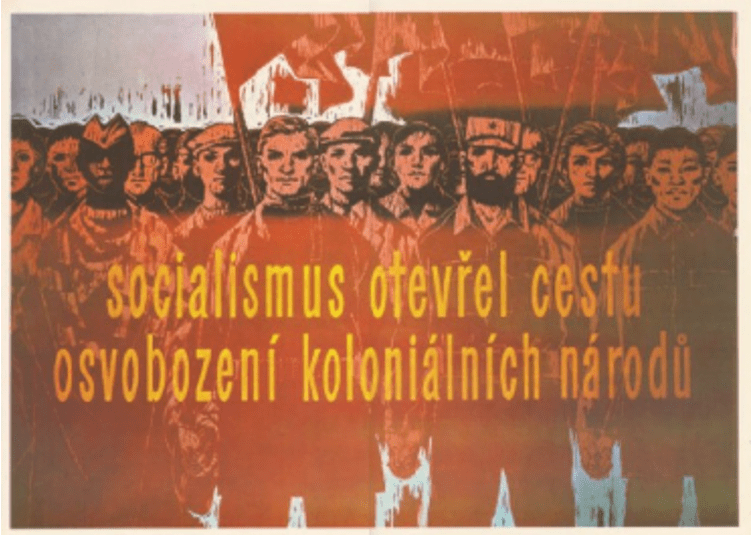
هذا التصور ليس هامشياً: فعلى مدى عقود، نظرت قطاعات من اليسار في أمريكا اللاتينية، وحركات التحرر الوطني، وبعض الأوساط الفكرية إلى الاتحاد السوفيتي باعتباره الطرف الوحيد القادر على الحد من التدخل الأمريكي في المنطقة. وبعد تفككه عام 1991، اتخذت تلك الذاكرة الجماعية شكل حنين، سعت موسكو إلى إعادة تنشيطه وتوظيفه استراتيجياً منذ ذلك الحين.
وهكذا، استندت العملية الخطابية التي نشرتها روسيا لتبرير غزو أوكرانيا أمام الجماهير في أمريكا اللاتينية عمداً إلى هذا الحنين. فمن خلال عرض أفعالها بوصفها «رداً دفاعياً» على توسع الناتو، أعادت موسكو تنشيط قالب سردي راسخ بالفعل: قالب قوة غير غربية تقاوم تمدد غرب مهيمن. ووفق هذا المنطق، تحتل روسيا رمزياً المكانة التي شغلها الاتحاد السوفيتي خلال الحرب الباردة بوصفه قوة مضادة تاريخية، ويُعاد تأطير الحرب في أوكرانيا لا باعتبارها عدواناً إقليمياً، بل حلقة أخرى في تلك المقاومة المناهضة للإمبريالية. وبهذا المعنى، فإن الاستمرارية مع مفردات الحرب الباردة ليست مصادفة—بل هي جزء من استراتيجية روسيا الاتصالية تجاه المنطقة.
غير أن هذه الذاكرة تعمل بتباينات مختلفة عبر المنطقة. ففي كوبا، حيث كان التحالف مع الاتحاد السوفيتي على مدى عقود الضمانة الرئيسية لبقاء النظام، يحمل الربط بين روسيا والدور التاريخي للاتحاد السوفيتي شحنة عاطفية ومؤسسية شديدة بشكل خاص، لأنه ليس مجرد تشبيه جيوسياسي، بل ذاكرة اعتماد متبادل. أما في فنزويلا ونيكاراغوا، فالرابط أيديولوجي أكثر منه تاريخياً، إذ يُستدعى اسم الاتحاد السوفيتي بوصفه صورة لمناهضة الإمبريالية تستحضرها هذه الأنظمة لإضفاء الشرعية على مساراتها السياسية الخاصة. وفي بلدان مثل المكسيك أو الأرجنتين، يعمل الحنين إلى العهد السوفيتي بصورة أكثر انتشاراً وغموضاً، أساساً عبر التقاليد الفكرية والأكاديمية اليسارية التي أقامت، خلال الحرب الباردة، روابط نظرية أو رمزية مع العالم الاشتراكي، والتي مالت في عام 2022 إلى معالجة الحرب عبر فئات موروثة من تلك الفترة.
وتكمن القيمة الاستراتيجية الأكبر لهذه الفكرة لأغراض موسكو في قدرتها على العمل دون التصريح بها صراحة. فلا يحتاج الفاعلون في أمريكا اللاتينية إلى التعبير عن تعاطفهم مع بوتين أو تنظيمه السياسي؛ إذ يكفي أن يفعّلوا قالب «قوة غير غربية تقاوم الغرب» كي تجد الرواية الروسية إطاراً متقبلاً. وهكذا يعمل الحنين إلى العهد السوفيتي لا بوصفه أيديولوجيا واعية، بل بنية تفسيرية كامنة، فعّلتها بدرجات متفاوتة من التعمد الخطابات التي تناولتها الأقسام السابقة—سواء خطابات الدعم الصريح أو الحياد النشط.
تُعد حالتا المكسيك والبرازيل أغنى من الناحية التحليلية، تحديداً لأنهما توضحان كيف يمكن للتقاليد الدبلوماسية ذات الطموحات الكونية، في ظروف معينة، أن تنتج آثاراً عملية مشابهة لآثار الاصطفاف الاستباقي. وقد قدمت الحكومتان نفسيهما بوصفهما محايدتين أو وسيطتين، لكن خطابهما روّج أطرًا تفسيرية للنزاع توافقت من حيث الجوهر مع الرواية الروسية. وبهذا المعنى، لا يكمن الفرق عن كتلة الدعم الصريح في محتوى التأطير، بل في طريقة عرضه: فبدلاً من دعم روسيا مباشرة، انتقدتا الغرب؛ وبدلاً من تبرير الغزو، ساوتا بين مسؤوليات الطرفين.
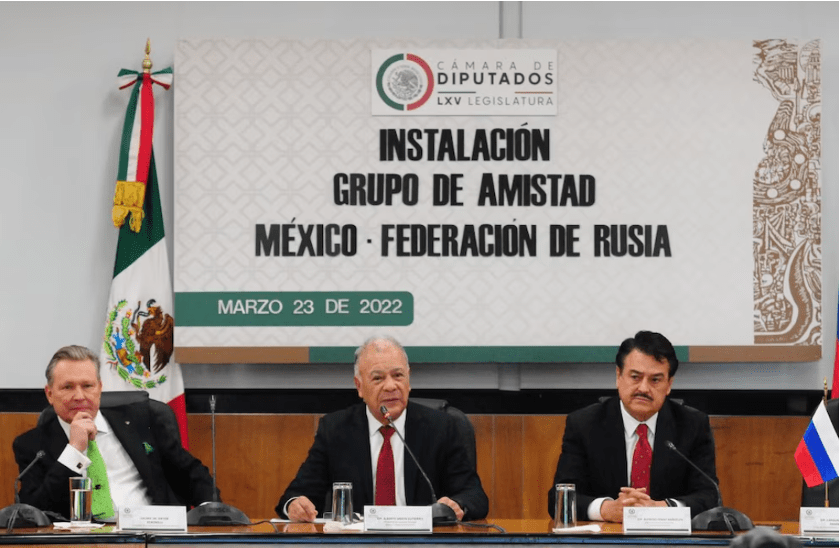
في المكسيك، أندريس مانويل لوبيز أوبرادور رفض صراحةً فرض عقوبات اقتصادية على روسيا، مستشهداً بمبدأ «العلاقات الجيدة مع جميع حكومات العالم»، ومؤطراً موقفه ضمن مبدأ إسترادا وتقليد عدم التدخل الذي شكّل السياسة الخارجية المكسيكية منذ ثلاثينيات القرن العشرين. لكن هذا التأطير حمل بُعداً أيديولوجياً إضافياً ميّزه عن القانونية المجردة: إذ شكّل مشرعون من حزب مورينا الحاكم «لجنة الصداقة المكسيكية-الروسية» في الكونغرس، وشكر السفير الروسي علناً المكسيك في حفل افتتاحها لأنها «لن تنضم أبداً» إلى العقوبات. وهذا التداخل بين مبدأ دبلوماسي راسخ—عدم التدخل—وبين إشارات التقارب السياسي مع موسكو هو ما يميز الموقف المكسيكي؛ فليس الأمر براغماتية بسيطة، بل تقاطع بين التقليد القانوني والتقارب الأيديولوجي. والمهم أن هذا التقاطع لم يتطلب قراراً صريحاً بدعم روسيا—بل إن التطبيق المتسق لمبدأ قائم مسبقاً كان كافياً لإنتاج نتيجة استطاعت موسكو استغلالها.
توضح حالة لولا دا سيلفا في البرازيل صيغة أكثر تعقيداً من هذه الديناميكية. ففي أبريل/نيسان 2023، خلال جولة في الصين والإمارات العربية المتحدة، صرّح لولا بأن على الولايات المتحدة أن تتوقف عن «تشجيع» الحرب وأن «تبدأ الحديث عن السلام»، مشيراً إلى واشنطن والاتحاد الأوروبي بوصفهما طرفين «يسهمان» في استمرار النزاع بإرسال الأسلحة إلى أوكرانيا. وكان رد الفعل الدولي كاشفاً عن الطابع الموضوعي للتأطير المستخدم، إذ اتهم متحدث البيت الأبيض لولا بـ«ترديد الدعاية الروسية والصينية»، بينما شكر وزير الخارجية الروسي سيرغي لافروف، الذي كان يزور برازيليا في الأسبوع نفسه، البرازيل على «فهمها الواضح لأصول الوضع». وإن كون التصريح نفسه أثار في آن واحد إدانة من الغرب وثناءً من موسكو لا يعني أن لولا تصرف كعميل للدعاية الروسية؛ لكن ما يتيح لنا استنتاجه هو أن الإطار التفسيري الذي استخدمه—بمساواته مسؤولية المعتدي بمسؤولية موردي الأسلحة—كان متوافقاً وظيفياً مع المصالح الروسية، بغض النظر عن النية الكامنة وراءه.
ويمكن رؤية هذا التوتر بين الموقف الرسمي والأثر العملي أيضاً في سلوك البرازيل داخل المحافل متعددة الأطراف. فقد أدانت برازيليا الغزو في الأمم المتحدة، لكنها صوّتت أيضاً لصالح إجراء تحقيق في الهجوم على خط أنابيب نورد ستريم، واقترح لولا أن تنظر أوكرانيا في التنازل عن القرم ضمن مفاوضات. ويعكس هذا النمط—إدانة رسمية مقترنة بتساوٍ عملي في المسافة—التوتر بين تقليدين في السياسة الخارجية البرازيلية: التعددية التي تمنع الاصطفاف غير المشروط، والطموح إلى قيادة الجنوب العالمي الذي يسعى إلى وضع البرازيل فوق الكتل. وهو يوضح كيف يمكن للأطر الأيديولوجية القائمة مسبقاً، وفي هذه الحالة طموح الاستقلال الاستراتيجي، أن تولّد، من دون سبق إصرار، تأطيرات للنزاع أكثر ملاءمة لروسيا مما يوحي به التصويت الرسمي في الأمم المتحدة. وإجمالاً، تشترك خطابات كتلة «الحياد النشط» في بنية سردية كامنة: توسع الناتو باعتباره سبب النزاع، والغرب بوصفه طرفاً مشاركاً في المسؤولية، والسعي إلى السلام من دون إدانة صريحة بوصفه موقفاً أرفع أخلاقياً. ولم يُستورد هذا البناء مباشرة من موسكو، بل فعّلته الأجندات الداخلية للدول ذاتها—غير أنه اتضح أنه متقارب وظيفياً مع المصالح الروسية في المحافل متعددة الأطراف. ويتطلب فهم سبب حصول هذه الخطابات على دعم محلي وعدم توليدها كلفة سياسية داخلية أكبر دراسة النظام البيئي الإعلامي الذي أُنتجت وتداولت فيه.
لم تتشكل تصورات أمريكا اللاتينية للحرب في أوكرانيا بفعل المواقف الدبلوماسية للحكومات وحدها، بل صاغها أيضاً نظام بيئي إعلامي عملت فيه الدعاية الروسية والتضليل الإعلامي والاستقطاب الأيديولوجي الرقمي بفعالية ملحوظة. وتحليل هذا النظام البيئي ذو صلة بالحجة المركزية، لأنه يساعدنا على فهم الآلية التي وجدت عبرها الروايات المؤيدة لروسيا جمهوراً خارج الدوائر الرسمية، مستفيدةً من بنى إعلامية سابقة الاستعداد ونزعات ثقافية راسخة. ويميز هذا القسم بين ظاهرتين مترابطتين لكن قابلتين للفصل: عمليات تضليل يمكن نسبتها إلى فاعلين موالين لروسيا يمكن تحديدهم، وروايات أيديولوجية انتشرت بصورة مستقلة، مستندةً إلى التقاليد السياسية الإقليمية.
العنصر الأول الذي ينبغي أخذه في الاعتبار هو الميزة الهيكلية التي تمتعت بها وسائل الإعلام الروسية في المنطقة قبل اندلاع الحرب. فقد أُنشئت RT en Español عام 2009، قبل قنوات أوروبية مماثلة مثل DW أو France 24 باللغة الإسبانية، مما أتاح لها بناء جماهير راسخة قبل منافسيها. وهذه ميزة السبق إلى السوق ذات أهمية تحليلية، لأنها تشير إلى أن RT لم تكن مضطرة، عند اندلاع الغزو، إلى بناء جمهور من الصفر، بل إلى تفعيل شبكات توزيع قائمة بالفعل فحسب. ويساعد التباين مع التطور المحدود لوسائل الإعلام الأوروبية أو الأوكرانية الناطقة بالإسبانية، التي اضطرت فعلاً إلى بناء حضورها في ظروف عاجلة، في تفسير عدم التماثل المعلوماتي الذي اتسمت به تغطية النزاع في المنطقة.
وجد تحليل أجراه مختبر أبحاث الطب الشرعي الرقمي التابع للمجلس الأطلسي أن الكلمة المفتاحية الأكثر تكرارًا في ترجمات RT en Español المصاحبة كانت «USA»، وأن محتواها على فيسبوك كان موجّهًا بصورة منهجية نحو الولايات المتحدة أكثر من توجيهه نحو بلدان محددة في أمريكا اللاتينية. ووفقًا للباحثة إيريا بويوسا، فإن «الخيط المشترك الذي يسري في تواصل RT في المنطقة هو التشكيك في الإمبريالية الأمريكية». وتكتسب هذه النتيجة أهمية محورية لفهم منطق تغلغل RT في المنطقة، إذ إن رسالتها ليست «مؤيدة لروسيا» بالمعنى الإيجابي في المقام الأول، بل مناهضة لأمريكا. ويهم هذا التمييز لأنه يوسّع بدرجة كبيرة طيف الجماهير المحتملة؛ فعلى سبيل المثال، في السياقات التي يتجاوز فيها انعدام الثقة بواشنطن الانقسامات السياسية، بما يشمل القطاعات التقدمية والحركات الاجتماعية أو الأوساط الأكاديمية النقدية، قد يبدو تأطير RT المناهض للولايات المتحدة مفهومًا وجذابًا أيديولوجيًا بغض النظر عن أي تعاطف مع روسيا. وقد وفّرت الحرب في أوكرانيا لـRT موضوعًا جديدًا تُسقِط عليه هذا الإطار القائم مسبقًا، فيما وفّر الحنين إلى الحقبة السوفيتية الموصوف في القسم السابق الركيزة التاريخية التي جعلت هذه الرسالة مألوفة ثقافيًا. ويمكن أيضًا ملاحظة آلية التبنّي هذه من دون تنسيق صريح على المستوى الأكاديمي. ويوثّق الباحث فلاديمير روفينسكي أنه في الجامعات ومراكز الفكر في المكسيك والأرجنتين، يقدّم بعض المحللين أطرًا تفسيرية للنزاع تتماشى مع الخطاب الروسي الرسمي بوصفها وجهة نظرهم الخاصة، بما في ذلك استخدام مصطلح «العملية العسكرية الخاصة» بدلًا من «الغزو». وملاحظته المركزية هي أن «سردياتهم تتغير عندما تتغير سرديات موسكو». وهذه الظاهرة، الموثقة خصوصًا في المكسيك والأرجنتين، وهما من البلدان ذات أقوى التقاليد الأكاديمية للفكر النقدي في أمريكا اللاتينية، لا تعني بالضرورة أن هؤلاء الفاعلين عملاء واعون للدعاية الروسية. بل تشير إلى أن الإطار التفسيري الذي تسقطه موسكو، أي مناهضة الإمبريالية والتعددية القطبية، متسق بما يكفي مع التقاليد الفكرية القائمة مسبقًا لكي يُتبنّى من دون احتكاك نقدي، مما يجعله قناة تأثير أكثر استدامة من الدعاية المباشرة.
كانت شدة هذه العمليات أكبر في البلدان ذات التقارب السياسي الأوثق مع موسكو، لكن نطاقها الجغرافي كان إقليميًا. ووفقًا لتقرير صدر عام 2023 عن معهد الولايات المتحدة للسلام، تكثفت حملات التضليل الروسية في أمريكا اللاتينية بدرجة ملحوظة بعد غزوي 2014 و2022. وبرزت نيكاراغوا حالةً قصوى ومتميزة نوعيًا مقارنة بالحالات الأخرى، إذ إنه بخلاف المكسيك أو البرازيل، حيث كان التأثير يعمل أساسًا عبر وسطاء مستقلين، تتداخل البنية الإعلامية الموالية لروسيا في نيكاراغوا مباشرةً مع السلطة السياسية. واستقطبت وسائل إعلام مرتبطة بالدائرة العائلية لدانييل أورتيغا، مثل JP+، أكثر من 800,000 مشترك على يوتيوب مع تحول تحريري تزامن مع بداية الغزو، في حين أن تيليسور، ذات الانتشار الإقليمي الأوسع، واظبت على مواءمة تغطيتها مع السردية الروسية. ويكتسب هذا التلاشي للحد الفاصل بين الإعلام والسلطة دلالة تحليلية، لأنه يمحو الحدود بين التضليل الخارجي والداخلي؛ ففي هذه السياقات لا تحتاج الدعاية الروسية إلى التغلغل من الخارج، لأنها تعمل أصلًا من الداخل، عبر هياكل إعلامية يسيطر عليها حلفاء محليون.
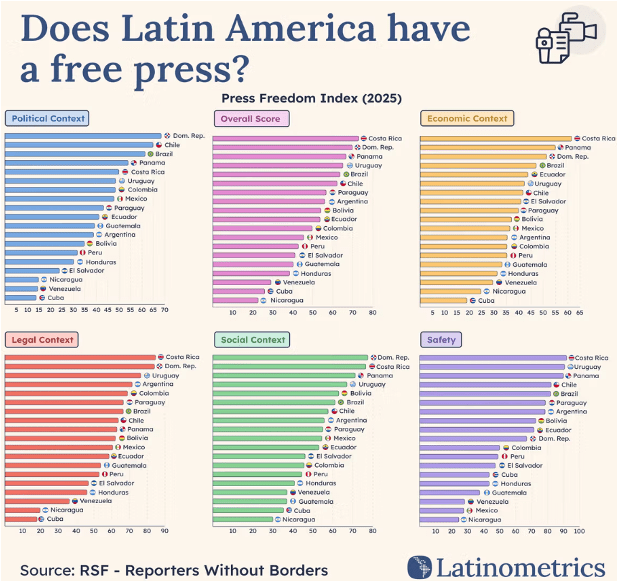
وثمة عنصر يزيد هذه الصورة تعقيدًا، وهو أن التضليل لم يكن بحاجة إلى وسائل الإعلام الحكومية الروسية المباشرة لكي ينتشر بفاعلية. وأظهر تحليل أجراه معهد بروكينغز أن سبعة من الحسابات الخمسة عشر الأكثر إعادةً للتغريد في النظام البيئي المعلوماتي المدروس كانت لمؤثرين مستقلين ناطقين بالإسبانية من دون أي ارتباط رسمي بـRT أو سبوتنيك. فقد استوعب فاعلون مستقلون الأطر السردية الموالية لروسيا بدرجة كافية لإعادة إنتاجها من دون تنسيق صريح مع موسكو. والدعاية التي تستطيع الاستغناء عن قنوات توزيعها الخاصة تكون، من ناحية ما، أكثر متانة وأصعب مواجهة من الدعاية التي تعتمد على مصادر يمكن تحديدها.
شكّلت الحرب في أوكرانيا أيضًا نقطة تحول في استخدام الذكاء الاصطناعي لأغراض التضليل في زمن الحرب. ففي 16 مارس/آذار 2022، بعد ثلاثة أسابيع من بدء الغزو، انتشر مقطع فيديو مولّد بالذكاء الاصطناعي يظهر فيه الرئيس زيلينسكي وهو يطلب من جنوده إلقاء أسلحتهم. وجرى توزيع المادة عبر قنوات تيليغرام الموالية لروسيا، ونُشرت لفترة وجيزة على موقع Ukraine 24، الذي أبلغ عن هجوم سيبراني. ووصفه الخبراء بأنه أول تزييف عميق «استُخدم عمدًا وبطريقة مضللة على نطاق واسع» في نزاع مسلح. ولا تكمن الأهمية التحليلية لهذه الحالة في مدى إقناع الفيديو، إذ كُشف زيفه سريعًا نسبيًا، بل في عنصر الشك الذي أدخله؛ فمنذ تلك اللحظة، ترسخ في النقاش العام احتمال أن تكون أي صورة أو تصريح رسمي مفبركًا، بما قد يخلّف آثارًا أطول أمدًا من المحتوى الزائف نفسه. ودراسة أجرتها كلية كورك الجامعية، حللت ما يقرب من 5,000 تغريدة حول التزييف العميق خلال الأشهر السبعة الأولى من عام 2022، خلصت إلى أنه كان يُستخدم بصورة منهجية لدعم نظريات المؤامرة وتقويض الثقة في وسائل الإعلام الرئيسية، وهو أثر يتجاوز محتوى أي مادة منفردة ويؤثر في الثقة العامة بالمعلومات.
في أمريكا اللاتينية، وجد هذا النوع من المحتوى ظروفًا مواتية للتلقي حيثما كان التأطير الرسمي للنزاع ينتج أصلًا قدرًا من الغموض. ووثّق مشروع ATAFIMI أن مقطعي فيديو على تيك توك مولّدين بالذكاء الاصطناعي، وكلاهما يتعلق بمجندين أوكرانيين، تجاوزا ثلاثة ملايين مشاهدة في المكسيك من دون أي ملصقات تحذيرية من المنصة. وحقيقة أن المكسيك هي الحالة ذات الانتشار الموثق الأكبر في المنطقة ليست تفصيلًا ثانويًا، إذ إنها من البلدان التي أنتج فيها موقف الحكومة أصلًا تأطيرًا متساوي المسافة من أطراف النزاع. ويشير ذلك إلى تآزر بين الخطاب السياسي الرسمي ومنظومة التضليل؛ ففي السياقات التي لا تحدد فيها الحكومة معتديًا واضحًا، يواجه المحتوى الذي يضفي طابعًا إنسانيًا على الجيش الأوكراني أو يسيء إلى سمعته مقاومة ثقافية أقل واستعدادًا أقل للتدقيق النقدي لدى الجمهور.
وزاد هذه الصورة تعقيدًا انتقال التضليل إلى منصات المراسلة عقب العقوبات الأوروبية المفروضة على RT وسبوتنيك. فقد وزّعت شبكة من قنوات تيليغرام ما يقرب من 84,000 رسالة بالإسبانية مزجت محتوى زائفًا بأخبار حقيقية. وتكتسب هذه التكتيكية المتعمدة في المزج أهمية تحليلية، لأنها تجعل التضليل مسألة كلفة: إذ يتعين على القراء الراغبين في التمييز بين الصحيح والزائف استثمار مزيد من الوقت والقدرة النقدية في كل مادة، وهو ما تسميه الأدبيات المتخصصة «إرهاق التحقق من الحقائق»، ما يدفع كثيرًا من المستخدمين إلى اختيار السردية التي تلائم ميولهم المسبقة على أفضل نحو. وتصب هذه الآلية بصورة منهجية في مصلحة الأطر التفسيرية الراسخة مسبقًا، التي تحتل مناهضة الإمبريالية في أمريكا اللاتينية مكانة محورية بينها. وإضافة إلى ذلك، دراسة نُشرت في مجلة ICONO 14 أكدت أن الاستراتيجية الأكثر استخدامًا خلال الأشهر الأولى من النزاع كانت السياق الزائف، أي صور حقيقية أُعيد وضعها في سياق أوصاف مضللة، مع ذروة في الإنتاج خلال الأسبوعين الأولين من الغزو.
السرديات المناهضة للناتو والاستقطاب الأيديولوجي الرقمي
إلى جانب التضليل القائم على وقائع مختلقة أو صور أُعيد وضعها في سياق جديد، تشكلت تصورات أمريكا اللاتينية عن النزاع بفعل أطر تفسيرية تبسّط السياق الجيوسياسي للحرب تبسيطًا مفرطًا. وأكثرها انتشارًا السردية المناهضة للناتو، التي تعزو سبب النزاع حصرًا إلى التوسع الغربي شرقًا داخل أوروبا. وعلى خلاف التضليل الوقائعي، لا يعمل هذا النوع من السرديات عبر اختلاق الوقائع، بل من خلال التبسيط السببي: إذ يأخذ نقاشًا حقيقيًا ومشروعًا في أدبيات العلاقات الدولية، وهو دور توسع الناتو في البنية الأمنية لأوروبا، ويحوّله إلى التفسير الوحيد للنزاع، مهمشًا متغيرات أخرى مثل السيادة الأوكرانية بوصفها عاملًا مستقلًا، وتاريخ روسيا من العدوان قبل عام 2022، من الشيشان وجورجيا إلى ضم القرم في عام 2014، والالتزامات القانونية الناشئة عن القانون الدولي. والنتيجة بنية سببية تحوّل غزوًا لأراضٍ إلى نزاع جيوسياسي متماثل تتحمل فيه الأطراف مسؤولية متساوية. وليس مستغربًا أن تجد هذه السردية صدى أكبر في أمريكا اللاتينية منه في مناطق أخرى، بالنظر إلى أنها تستند إلى الركيزة الأيديولوجية نفسها التي يستند إليها الحنين إلى الحقبة السوفيتية، أي تصوير الغرب، والناتو بوصفه ذراعه العسكرية، على أنه تهديد بنيوي لا ضمانة للأمن الجماعي. ووفقًا لـمعهد رويترز، خلقت الحرب «أرضًا خصبة لانتشار هذه السرديات» في العالم الناطق بالإسبانية. ويصف خوليو مونتيس، المؤسس المشارك لـMaldita.es، الآلية بدقة: «إن مستهلك RT أو سبوتنيك هو بالفعل مستهلك أتى ويستهلك ذلك المحتوى لأنه اقتنع مسبقًا بسرديات معينة». لم يخلق التضليل الموالي لروسيا الاستعدادات الأيديولوجية لدى جماهيره في أمريكا اللاتينية، بل استغلها. فقد كانت مناهضة الإمبريالية الإقليمية التاريخية، وعدم الثقة في الناتو بوصفه أداة لواشنطن، وذكرى الدور السوفيتي بوصفه قوة موازنة، هي الركيزة التي وجدت عليها السرديات الروسية أرضًا خصبة. وما فعله النزاع في أوكرانيا هو تحديث تلك الركيزة وإعادة تنشيطها، لا بناؤها من العدم.
يساعد التباين مع استجابة أوروغواي على التحقق من هذه الحجة عبر المثال المضاد. فقد كانت أوروغواي البلد الوحيد في المنطقة الذي عمل بنشاط على مواجهة التضليل بشأن الحرب، عبر آليات تواصل عامة ميّزت صراحة بين موقف الحكومة والسرديات الموالية لروسيا. وليس مصادفة أن تكون أوروغواي الاستثناء، ويرجع ذلك بدرجة كبيرة إلى أنها البلد الذي يمتلك أضعف تقليد لمناهضة الإمبريالية بوصفها ثقافة سياسية محلية، وأكبر مسافة أيديولوجية عن الكتلة البوليفارية، ولا يحمل ذاكرة التبعية السوفيتية التي تميز كوبا. ويشير هذا التباين إلى أن السلبية المؤسسية لدى البلدان الأخرى تجاه التضليل لم تكن مجرد إهمال، بل تشكلت بفعل الأطر الأيديولوجية ذاتها التي سهّلت في المقام الأول تغلغل السرديات الموالية لروسيا.
كانت الحصيلة المشتركة للخطابات السياسية، والبنية الإعلامية الموالية لروسيا، والاستقطاب الأيديولوجي الرقمي، بناء تصور للنزاع جرى فيه تأطير الغزو كثيرًا باعتباره مجرد حلقة أخرى في نزاع بين قوى كبرى، مع تصوير المسؤوليات على أنها متماثلة أو حتى معكوسة مقارنة بما يقرره القانون الدولي. ولم يكن هذا البناء متطابقًا أو متساوي الشدة في جميع البلدان، لكنه شكّل مجال الممكن سياسيًا لحكومات المنطقة داخل المحافل متعددة الأطراف التي تناولها القسم السابق؛ إذ ثبت أن غياب الإدانة الصريحة أقل كلفة على الصعيد المحلي في السياقات التي لم تحدد فيها السردية العامة السائدة معتديًا واضحًا.
وفي ضوء هذه الآلة الدعائية القوية التي يدعمها الكرملين، يصبح من الضروري تحديدًا فحص الواقع المادي والمؤسسي الفعلي لنظام بوتين.
ترسخ في النقاش السياسي المعاصر اتجاه، يظهر بوضوح خاصة في قطاعات معينة من اليسار، إلى مساواة الاتحاد الروسي الحالي بالاتحاد السوفيتي. وتميل هذه المساواة إلى الاستناد إلى عنصرين: الإرث الإقليمي وفكرة الاستمرارية التاريخية والسياسية بين الدولتين.
يركز هذا التحليل في هذا الصدد على ثلاثة أبعاد: العقيدة السياسية، ودور الدين، والنموذج الاقتصادي. وتظهر هذه الأبعاد مجتمعة بوضوح أن روسيا بوتين لا تمدد المشروع السوفيتي، بل تعيد تشكيله وفق منطق ما بعد سوفيتي وقومي-محافظ ورأسمالي-استبدادي.
تتمثل قطيعة حاسمة في طبيعة المشروع السياسي ذاتها. فقد برّر الاتحاد السوفيتي وجوده عبر أيديولوجيا ماركسية-لينينية ذات طموحات كونية، أممية بحكم تعريفها وموجهة نحو تحول تاريخي عالمي. واستندت شرعيته إلى الوعد بإلغاء الطبقات الاجتماعية، وتجاوز الرأسمالية، وتوسيع الاشتراكية خارج حدوده. وعلى الرغم من أن الممارسة السوفيتية كانت حافلة بالتناقضات، فإن لغة شرعنتها ظلت تشير إلى أفق كوني: كان التاريخ يقود نحو نظام أرقى، وهو نظام طمح الاتحاد السوفيتي، عبر الاشتراكية، إلى تقديمه للبشرية.
أما روسيا المعاصرة، فعلى النقيض من ذلك، فلا تقوم على وعد تحرري كوني، بل على منطق محافظ للدولة القومية. وقد اتجه الخطاب الكرمليني بصورة متزايدة نحو فكرة روسيا بوصفها «دولة-حضارة»، أي جماعة تاريخية مخصوصة يتعين عليها الدفاع عن سيادتها وتفردها الثقافي ومجال نفوذها في مواجهة الغرب. وفي هذا الإطار، تؤدي فئات مثل «العالم الروسي» (Russkiy mir) وظيفة التماسك الرمزي والجيوسياسي: فهي لا تدعو إلى ثورة عالمية، بل إلى الحفاظ على هوية قومية موسعة — ومفترض أنها مهددة.
هذا التحول حاسم لأنه يغيّر نوع الذات السياسية التي يسعى النظام إلى تعبئتها. فقد كان الاتحاد السوفيتي يتحدث باسم الطبقة وباسم المستقبل التاريخي للبشرية؛ أما روسيا بوتين فتتحدث باسم الأمة والتقاليد وبقاء نظامها الخاص. وليس هذا مجرد تغير في الخطاب، بل تحول في شكل شرعية السلطة ذاته. وبهذا المعنى، لا تسعى البوتينية إلى إلغاء النظام القائم لبناء نظام كوني جديد؛ بل تسعى إلى استعادة السلطة والانضباط والتسلسل الهرمي باسم السيادة واستمرارية تاريخية ينتقي الكرملين بناءها.
يظهر انقطاع بنيوي آخر في المكانة التي يحتلها الدين. فقد عرّف الاتحاد السوفيتي نفسه، خلال معظم مسيرته، بوصفه دولة ملحدة رسميًا، وشن حملات منهجية ضد المؤسسات الدينية والهرميات الكنسية والتأثير العام للإيمان. ولم تكن هذه السياسة مجرد سمة ثقافية للنظام، بل جزءًا من مشروع أوسع لإخضاع كل سلطة رمزية للدولة الاشتراكية. وسعى الإلحاد السوفيتي إلى بناء حداثة علمانية يتوقف فيها الدين عن منافسة الحزب بوصفه مصدرًا للمعنى والحقيقة والشرعية.
تسير روسيا الحالية في الاتجاه المعاكس. فقد أُعيد إدماج الكنيسة الأرثوذكسية الروسية في صلب الهوية الوطنية، وتؤدي دورًا مهمًا في إضفاء الشرعية على السلطة السياسية. وهي، أكثر من كونها فاعلًا دينيًا بحتًا، تعمل سندًا أخلاقيًا وأيديولوجيًا للنظام، وتساعد في ترجمة سلطة الدولة إلى مفردات التقاليد والاستمرارية التاريخية والقيم «التقليدية» المشتركة. وهكذا، لم يعد الدين يظهر بوصفه قوة ينبغي استئصالها، بل أصبح موردًا مفيدًا لتوحيد المجتمع وضبط السلوك وتعزيز المحافظة من خلال تمييز روسيا عن غرب يُصوَّر على أنه منحط أو فاسد أخلاقيًا.
لا ينبغي التقليل من الأهمية السياسية لهذا التحول. ففي الاتحاد السوفيتي، كان الدين يُنظر إليه بوصفه عائقًا أمام بناء النظام الجديد. أما اليوم، فيعمل الدين أداةً لتقديس النظام السياسي. وحيث سعى المشروع السوفيتي إلى استبدال الإيمان بالعقلانية الاشتراكية، يعيد النظام الحالي إدخاله بوصفه آلية للشرعنة والتماسك الأخلاقي في الخطاب العام. والفرق ليس فرقًا في الدرجة، بل في المعنى التاريخي.
الاختلاف الاقتصادي حاسم. فقد استند النظام السوفيتي إلى إلغاء الملكية الخاصة لوسائل الإنتاج، والتخطيط المركزي، وسيطرة الدولة على الأسعار والأجور والإنتاج الصناعي وتوزيع السلع. ولم يكن ذلك النموذج موجّهًا نحو تعظيم الربحية الخاصة، بل نحو تنظيم الاقتصاد حول أهداف سياسية تحددها الدولة، حيث كانت المركزية البيروقراطية سمة تأسيسية للنظام السوفيتي. أما روسيا الحالية، فعلى النقيض، تعمل ضمن بنية سوق رأسمالية، وإن كانت مشكّلة بدرجة كبيرة بفعل السلطة السياسية وأشكال تدخل الدولة في القطاعات الاستراتيجية. فالملكية الخاصة محورية، وتراكم رأس المال يتبع منطقًا مدفوعًا بالربح، وثقل مجموعات الأعمال حاسم. غير أن ما يميز النظام الحالي هو أن هذا التراكم لا يحدث في سوق مستقل تمامًا، بل في بيئة يكون فيها الوصول إلى السلطة والولاء السياسي والحماية الرئاسية عوامل بنيوية أساسية. ولهذا تُستخدم كثيرًا تسميتا الرأسمالية الأوليغارشية أو الرأسمالية الميراثية، بدلًا من رأسمالية السوق الحرة البسيطة.
تبقى القطاعات الاستراتيجية مثل الطاقة والبنية التحتية أو صناعة الدفاع تحت سيطرة قوية للدولة، لكن هذه السيطرة لا تعادل التخطيط الاشتراكي. بل إنها تعبر عن مزيج من السلطة السياسية واستخراج الريع وإخضاع الفاعلين الاقتصاديين الرئيسيين. ونتيجة لذلك، لا تمتد البنية الاقتصادية لروسيا التجربة السوفيتية، بل تستبدلها بنظام رأسمالي سلطوي يتميز بتركيز شديد للثروة ودرجة عالية من التبعية للسلطة السياسية.
مجتمعةً، تُظهر هذه التحولات الثلاثة بوضوح أن الاتحاد الروسي المعاصر دولة رأسمالية وقومية ومحافظة، ذات سمات سلطوية واستخدام أداتي للدين والقوة الجيوسياسية. وعلى الرغم من احتفاظه ببعض الإشارات الرمزية إلى الماضي السوفيتي، فإن عقيدته السياسية وبنيته المؤسسية ونموذجه الاقتصادي لا تشبه إطلاقًا المشروع الاشتراكي للاتحاد السوفيتي. ولهذا تحديدًا، فإن السؤال الملائم ليس ما إذا كان النظامان متكافئين، بل لماذا يستمر بعض الفاعلين في تفسيرهما، بدرجات متفاوتة، كما لو كانا كذلك.
كما جرى التأكيد في مختلف أجزاء هذا المقال، لا تمتلك أمريكا اللاتينية ومنطقة الكاريبي «يسارًا» بوصفه كتلة موحدة، بل تقاليد وحساسيات وذخائر تفسيرية متعددة لا يمكن جمعها تحت هذه التسمية إلا بصورة تقريبية. وبهذا المعنى، نادرًا ما يظهر الربط بين روسيا بوتين الرأسمالية المحافظة والاتحاد السوفيتي المنحل مصاغًا صراحةً في الوثائق الرسمية للقطاعات اليسارية. بل يبقى بوصفه مجموعة من الأطر التاريخية المشتركة التي تعمل على المستوى الاجتماعي، حاضرة في الثقافة السياسية الانتخابية والنشاط القاعدي ودوائر الرأي المتعاطفة، وأحيانًا في خطاب بعض القيادات.
انطلاقًا من هذه الفرضية، يمكن تحديد أربعة تيارات تفسيرية على الأقل تساعد على فهم سبب استمرار جزء من الطيف السياسي في النظر إلى روسيا من خلال عدسة سوفيتية. وهذه التيارات ليست متنافية؛ بل إنها تميل إلى التعايش وتعزيز بعضها بعضًا داخل الائتلافات نفسها، وتُدمج بحسب الظروف وموقع كل فاعل إزاء الولايات المتحدة أو الحرب الباردة أو النزاعات الجيوسياسية المعاصرة.
يمكن فهم ذلك بوصفه رابطة عاطفية وأيديولوجية وتاريخية عميقة بالاتحاد السوفيتي. ويُفسَّر ثقلها بأن الاتحاد السوفيتي، بالنسبة إلى قطاعات واسعة من اليسار — أولئك الذين عاشوا الحرب الباردة أو تَشكّلوا سياسيًا تحت سرديتها — يمثل رمزًا لا يُمحى للمثل الاشتراكي، وللدعم اللوجستي لحركات التحرر، ولتمويل الثورات والعمليات السياسية في المنطقة. ولذلك لا تقتصر الذاكرة السوفيتية على الحنين إلى دولة زالت، بل تكثّف صورة للقوة والانضباط والإمكان التاريخي.
يتغذى هذا الحنين عمدًا من جهاز الاتصال الخاص بالكرملين. فمن خلال توظيف جمالية سوفيتية بصورة استراتيجية — مثل عرض الأعلام الحمراء التي تحمل المطرقة والمنجل في عروض يوم النصر أو تمجيد «الحرب الوطنية العظمى» — تناشد الحكومة الروسية الذاكرة الوجدانية لليسار الدولي. فعلى سبيل المثال، في عام 2024، أدّى يوم النصر دور حدث رمزي مشحون سياسيًا. ومن خلاله، لم يحيِ الكرملين ذكرى هزيمة النازية عام 1945 فحسب، بل سعى أيضًا إلى وصل ذلك الانتصار السوفيتي بروسيا بوتين وبالحرب في أوكرانيا.
بالنسبة إلى هذه القطاعات، لا يكون دعم روسيا دائمًا تأييدًا لنموذجها الاقتصادي الأوليغارشي الحالي، بل فعل ولاء تاريخي تجاه القوة التي كانت محورية في نضالاتها.
هذا الموقف أكثر براغماتية. فهو يقر بأن روسيا لم تعد اشتراكية، لكنه يقرّ بها وريثًا للثقل الجيوسياسي السوفيتي. وينبع من حقيقة أن الاتحاد السوفيتي كان، لعقود، ثقلًا موازنًا حقيقيًا للهيمنة الأمريكية، وأن نظامًا أحادي القطب ترسخ بعد انهياره في تسعينيات القرن الماضي. وفي هذا الإطار، أتاح صعود روسيا مجددًا، لبعض القطاعات السياسية، إمكان تصور نظام متعدد الأقطاب جديد، تكون فيه للقدرة العسكرية الروسية وحق النقض الذي تملكه في الأمم المتحدة واستعدادها لتحدي البنية الأمنية الغربية أهمية.
وبهذا المعنى، تتراجع السياسات الداخلية المحافظة لبوتين إلى الخلفية مقارنة بالفائدة الاستراتيجية لموسكو بوصفها ثقلًا موازنًا أو رادعًا للولايات المتحدة (أو الغرب) وحلفائها. ويتضح هذا المنطق عند النظر إلى العلاقة بين روسيا وبعض حكومات أمريكا اللاتينية الساعية إلى مواجهة الضغط الأمريكي. وفي هذا الصدد، حافظت كوبا وفنزويلا على روابط مع موسكو لا بدافع تقارب أيديولوجي مع البوتينية، بل بسبب قدرتها على تقديم دعم في مجال الطاقة والعسكري والدبلوماسي في سياقات العزلة أو العقوبات. وكمثال ملموس، في نوفمبر/تشرين الثاني 2024، وقّعت روسيا وفنزويلا اتفاقات تعاون بشأن الأمن والطاقة، مما عزز علاقة يحددها الاشتراكية بدرجة أقل من حاجة البقاء في البيئة الجيوسياسية الراهنة.
ضمن هذا الإطار التفسيري، ينقسم العالم بصورة ثنائية بين قوى الإمبريالية الغربية (الولايات المتحدة والاتحاد الأوروبي وحلف الناتو) ومن يقاومها. ويشترط هذا المنطق التفاعلي دعم الاتحاد الروسي بوصفه دعمًا نابعًا من المعارضة، لا من تأييد إيجابي لنموذجه الاجتماعي أو السياسي. ويجري الدفاع عن روسيا وإدماجها في مخيال المقاومة الذي جسده الاتحاد السوفيتي سابقًا لمجرد أنها تواجه الخصوم أنفسهم، رغم أنها تفعل ذلك من موقع تاريخي مختلف وبنية دولة مختلفة تمامًا. ويساعد هذا الموقف في تفسير مفارقة متكررة: إذ تنتهي بعض الحركات اليسارية، بقراءتها السياسة الدولية تقريبًا حصريًا عبر عدسة المواجهة مع الولايات المتحدة، إلى تبرير أو التقليل من ممارسات الكرملين التي كانت ستدينها بلا تردد في غير ذلك من الأحوال. وهكذا، يجري التهوين من قمع الأقليات الجنسية وتقييد المعارضة وتشديد الرقابة على الحياة العامة وترسيخ محافظة أخلاقية رسمية، أو إخضاعها مباشرةً للأولوية الجيوسياسية المتمثلة في مواجهة الغرب. والمشكلة ليست أخلاقية فحسب، بل تحليلية أيضًا: فعندما يُفسَّر كل فعل للكرملين بوصفه ردًا مشروعًا على القوة الغربية، تختفي القدرة على التمييز بين المقاومة المناهضة للهيمنة والسلطوية الداخلية. وضمن المنطق نفسه، يتراجع استخراج الموارد والمركزية العسكرية للاقتصاد وإخضاع المجتمع لسلطة الدولة إلى الخلفية. وهكذا، تتوقف معاداة الإمبريالية عن العمل بوصفها نقدًا للسلطة، وتتحول إلى قواعد للاصطفاف تنتج شكلًا من العمى الانتقائي.
يتيح هذا المنطق لمعاداة الإمبريالية الموالية لروسيا أن تواصل إيجاد صورة للمقاومة في موسكو، رغم أن المضمون الفعلي للنظام الروسي رأسمالي وقومي وسلطوي، ولا تربطه بالمشروع السوفيتي أي صلة جوهرية.
يرى هذا الرأي الأقلوي روسيا المعاصرة ويفهمها بوصفها الاتحاد السوفيتي ذاته — لا بوصفها معادله أو خلفه، بل بوصفها استمرارية شبه حرفية له. ولا تحضر هذه الفئة عادةً داخل الائتلافات الحاكمة لليسار الحديث، بل تتركز في قطاعات من النضال الشيوعي الأكثر أرثوذكسية وتشبعًا بالأيديولوجيا. وهناك، يبدو أن التاريخ يُقرأ عبر فئات متجمدة من الحرب الباردة، بما ينتج محاكاة بين الفاعلين المعاصرين وفاعلي القرن العشرين.
ضمن هذه القراءة، يُفسَّر صدام الكرملين مع الغرب بوصفه استمرارًا للصراع الطبقي أو للتمدد الدولي السوفيتي. بل إن سرديات مثل «اجتثاث النازية» المزعوم في أوكرانيا تُقدَّم بوصفها مماثلة لانتصار عام 1945، مما يمحو الفروق بين الحرب التاريخية المناهضة للفاشية والسياسة الخارجية الروسية في الوقت الحاضر. وبالنسبة إلى هذه القطاعات، يُرفض أي انتقاد لموسكو تلقائيًا بوصفه دعاية موالية للإمبريالية، من دون التفاعل مع الطبيعة الرأسمالية والإمبريالية الكامنة للدولة الروسية نفسها اليوم.
لا تقتصر مشكلة هذا التماهي على الجانب التحليلي فحسب، بل تشمل الجانب السياسي أيضًا. فمن خلال إسقاط روسيا على الاتحاد السوفيتي، يُمحى تحوّل النظام الروسي بالكامل. وبدلًا من قراءة الحاضر، يُسقَط عليه إطار تاريخي مغلق.
في ضوء ما سبق، من المثير للاهتمام ملاحظة كيف تستطيع روسيا المعاصرة أن توظف كل هذه التفسيرات لصالحها في آن واحد. والسبب ليس أن موسكو لا تزال سوفيتية، بل إن سياستها الرمزية ومواجهتها مع الغرب وإعادة استخدامها الانتقائي للذاكرة التاريخية تتيح لها التنقل بين أطر تفسيرية مختلفة دون أن تُحصر في إطار واحد منها.
في بلدان مثل كوبا أو فنزويلا، تتشابك هذه الفئات بطرق معقدة. فبينما تعمل القيادات الحكومية وفق براغماتية مناهضة للإمبريالية ومؤيدة لروسيا، وبمنطق الاستمرارية الجيوسياسية—فتوقّع اتفاقيات نفطية أو عسكرية من أجل البقاء في ظل العزلة الأمريكية—غالبًا ما يستند الناشطون القاعديون وجهاز الاتصالات الحكومي إلى الحنين إلى الاتحاد السوفيتي أو حتى إلى التماهي المباشر معه، لإضفاء مسحة ملحمية وثورية على هذه التحالفات القائمة على المعاملات. وعند هذا التقاطع بين الضرورة الجيوسياسية والذاكرة التاريخية يستمر سراب الاستمرارية.
يُظهر تحليل الخلفية التاريخية والمنتديات الدبلوماسية والسرديات الإعلامية الوارد في هذا المقال أن استجابة أمريكا اللاتينية للحرب في أوكرانيا ليست صدفة ولا مجرد رد فعل براغماتي. بل على العكس، أدّى الصراع دور المحفّز الذي يكشف الجذور العميقة للثقافة السياسية في المنطقة. فالطريقة التي تفكك بها أمريكا اللاتينية المشهد الدولي المعاصر تتشكل وتتحدد بذكريات القرن العشرين: التدخلات الأجنبية، واللاتماثل الاقتصادي، ودعم الديكتاتوريات. وقد بنى هذا التاريخ انعدام ثقة بنيويًا بالقوى الغربية لا يزال، حتى اليوم، يمثل محورًا أساسيًا في النقاش العام وفي إدارة السياسة الخارجية.
إن فهم هذا الأساس التاريخي هو مفتاح تفسير سبب عدم تحرك المنطقة ككتلة موحدة ردًا على الغزو. ففي محاولتها الموازنة بين احترام القانون الدولي ومصالحها الاستراتيجية الخاصة، أظهرت دول أمريكا اللاتينية تشرذمًا عميقًا. ويتراوح الطيف بين دعم الأنظمة السلطوية التي ترى في موسكو شريان حياة سياسيًا وماديًا، والإدانة الدبلوماسية من دول تسعى إلى حماية اقتصاداتها بتجنب العقوبات. ومن النقاط المثيرة للاهتمام بصورة خاصة موقف «الحياد النشط» الذي تبنته قوى مثل البرازيل أو المكسيك. فعلى الرغم من أنه ينبع من جهد مشروع للحفاظ على الاستقلالية وتجنب الخضوع لأجندات الشمال، فإن مبدأ عدم التدخل هذا ينتهي عمليًا إلى إنتاج تكافؤ غير متماثل يميّع المسؤوليات بين الدولة المعتدية والدولة التي تعرّضت للغزو.
وعلى هذه الأرضية الخطابية القائمة مسبقًا تحديدًا، تمكّن النظام الإعلامي والدبلوماسي الروسي من العمل بفعالية كبيرة. ولم يتمثل نجاح التضليل الإعلامي ومنصات مثل RT أو Sputnik في المنطقة في خلق التعاطف مع روسيا من الصفر. بل كانت مهارتها الحقيقية في توظيف النزعة الكلاسيكية المناهضة للإمبريالية في أمريكا اللاتينية. ومن خلال إرجاع منشأ الحرب بصورة شبه حصرية إلى توسع حلف الناتو ودور الغرب، انسجمت السردية الرسمية للكرملين تمامًا مع مخططات تفسيرية كانت راسخة بالفعل لدى قطاعات سياسية محلية. وبذلك، نجحت في تحويل غزو ينتهك أبسط مبادئ السيادة الإقليمية إلى سردية جيوسياسية تتولى فيها روسيا، بصورة مشوهة، الدور التاريخي لقوة دفاعية أو قوة مناهضة للهيمنة الأمريكية.
يكشف هذا الإطار السردي عن أكبر تناقض تحليلي وأيديولوجي يبرزه هذا المقال: المفارقة التي تمر عبر قطاعات مختلفة من اليسار في أمريكا اللاتينية. وكما يتضح في تفكيك أسطورة العقيدة السياسية للبوتينية، فإن الميل إلى النظر إلى الاتحاد الروسي المعاصر من خلال عدسة الاتحاد السوفيتي المنقرض لا يستند إلى أي تقارب مادي أو مؤسسي على الإطلاق. بل يقوم على ولاءات عاطفية متجمدة في الزمن وعلى استخدام نفعي للذاكرة التاريخية. ومن خلال جعل معارضة الولايات المتحدة المعيار المطلق الوحيد للصلاحية الجيوسياسية، يفقد جزء من المناهضة اللاتينية للإمبريالية تركيزه التحليلي ويتحول إلى موقف ردّ فعل يُغفل عناصر حاسمة من مجال رؤيته.
في ظل هذه القراءة الثنائية للعالم، تظل الخصائص الحقيقية للدولة الروسية الحالية نقطة عمياء. فهي تحجب حقيقة أن هذا نظام قائم على الرأسمالية الأوليغارشية، ذو طابع قومي محافظ وسلطوي بشدة—وهي عناصر تمثل قطيعة تامة مع مُثل إعادة التوزيع والمساواة في المشروع الاشتراكي. ومشكلة قراءة الحاضر باستخدام فئات الحرب الباردة وحدها أنها تلغي القدرة على التمييز: إذ تخلط بين ما يمكن أن يكون موقفًا ضروريًا ونقديًا تجاه اختلالات النظام الغربي وبين إضفاء الشرعية على مشروع إمبريالي توسعي تقوده قوة عالمية أخرى.
في نهاية المطاف، تُظهر تصورات أمريكا اللاتينية للعدوان الروسي على أوكرانيا أن المنطقة لا تزال تعالج صراعات القرن الحادي والعشرين عبر خرائط القرن الماضي. ويظل الاهتمام بالحفاظ على هامش مستقل للمناورة، وعدم الاصطفاف تلقائيًا مع إملاءات الغرب، ركيزة حيوية للتقاليد الدبلوماسية في أمريكا اللاتينية. لكن التحدي المعاصر الذي خلّفته هذه الأزمة يتمثل في جعل ذلك الدفاع عن السيادة متسقًا على جميع الجبهات. فالهدف ليس التخلي عن التفكير النقدي تجاه مراكز القوة التقليدية، بل ضمان ألا تتحول الرغبة في الاستقلالية إلى حجة خطابية ينتهي بها الأمر، سواء بدافع التقارب التاريخي أو رفض الولايات المتحدة، إلى التسامح مع تجاوزات فاعلين جدد على الساحة العالمية.
إن الآراء والأفكار ووجهات النظر الواردة في الأوراق المنشورة على هذا الموقع تخص مؤلفيها وحدهم، ولا تعكس بالضرورة آراء مركز الحوار عبر الأطلسي أو لجانه أو منظماته التابعة. وتهدف هذه الأوراق إلى تحفيز الحوار والنقاش، ولا تمثل مواقف سياسية رسمية لمركز الحوار عبر الأطلسي أو لأي منظمات أخرى قد يكون المؤلفون مرتبطين بها.
تُرجم هذا النص تلقائيًا من الأصل باللغة الإنجليزية، الذي يظل متاحًا عند تغيير لغة الموقع إلى الإنجليزية.