

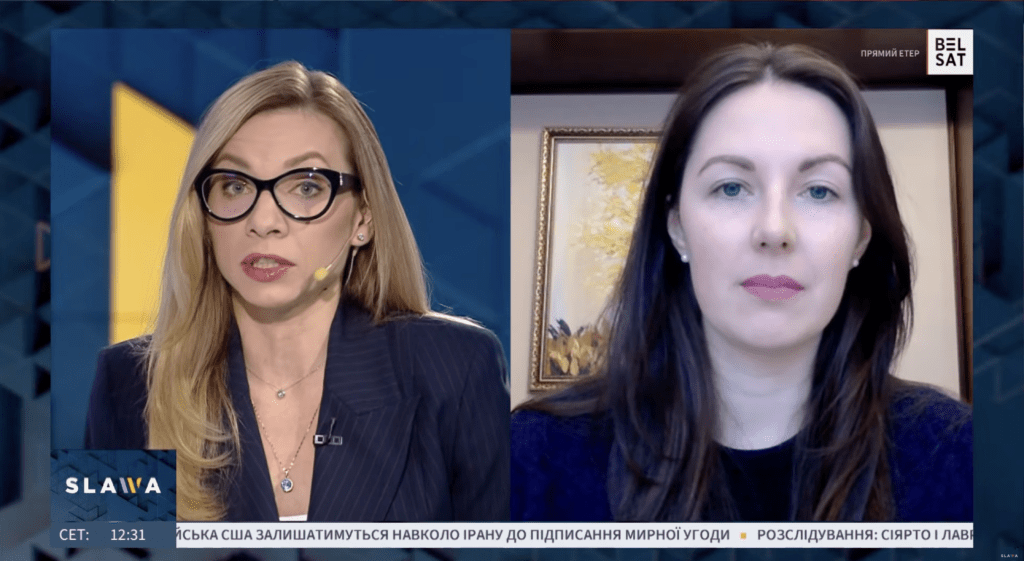
9 квітня, Маріанна Фахурдінова, координаторка Програми партнерства ЄС–Україна у Центрі трансатлантичного діалогу, виступила в ефірі Slawa TV, щоб обговорити дедалі гострішу проблему зловживання правом вето у Європейському Союзі та практичні механізми, які Брюссель розглядає, щоб запобігти паралічу ухвалення рішень, — особливо в контексті підтримки України та ширшої зовнішньої й безпекової політики ЄС.
Фахурдінова пояснила, що неодноразове зловживання правом вето, передусім з боку Угорщини, у Брюсселі дедалі частіше розглядають як системну вразливість, яка підриває здатність ЄС діяти рішуче. На її думку, це вже не низка поодиноких збоїв, а структурна перешкода, що послаблює здатність Союзу реагувати на зовнішні виклики та підриває довіру до нього як до геополітичного гравця.
Водночас вона зазначила, що існують процедурні можливості для просування рішень навіть за умов блокування. Однак ключовим чинником є політична воля. Як наголосила Фахурдінова, коли є політичне рішення діяти, правові механізми ЄС часто можна адаптувати для забезпечення поступу.
Говорячи про майбутнє, вона звернула увагу на ширшу дискусію всередині ЄС щодо довгострокової інституційної реформи. Один із найчастіше обговорюваних варіантів — перехід в окремих сферах від одностайності до голосування кваліфікованою більшістю, особливо в ключових сферах політики. Однак Фахурдінова наголосила, що зміна договорів є політично складним і тривалим процесом, а консенсусу між державами-членами досі немає — особливо серед менших країн, які побоюються втрати впливу.
У короткостроковій перспективі, підсумувала вона, Брюссель і далі покладається на ситуативні та «креативні» обхідні рішення, однак їх загалом вважають нежиттєздатними для Союзу, який готується до розширення та стикається зі зростанням потреб у сфері безпеки.
Watch the full interview тут.
Цей текст автоматично перекладено з англомовного оригіналу, який досі доступний при зміні мови сайту на англійську