Alina Rohach, Gerente de Proyecto del Programa de Cooperación España y América Latina del Transatlantic Dialogue Center, ofreció comentarios a Infobae (un medio líder en América Latina) sobre cómo los ataques de Rusia contra la infraestructura energética de Ucrania están transformando la vida civil en Kyiv en condiciones de frío extremo durante el invierno.
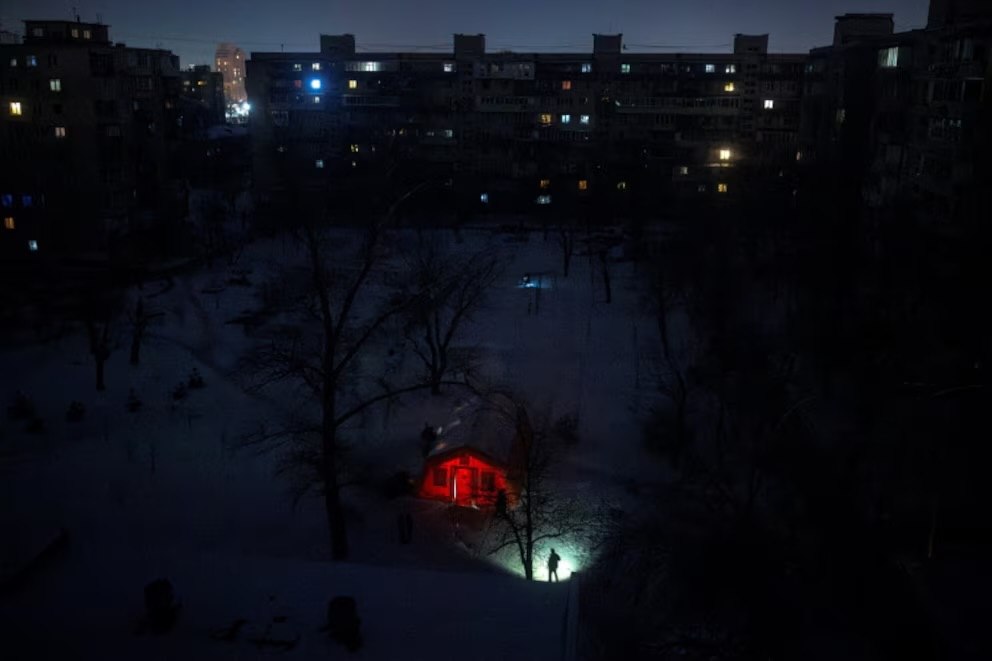
Rohach subrayó que el efecto central no es solo el daño material, sino la psicología de la incertidumbre: cuando la gente no puede prever si habrá luz, calefacción o agua, se derrumba la sensación de control sobre la vida cotidiana. En sus palabras, el tiempo deja de organizarse en “días normales” y pasa a dividirse en ventanas de “cuando hay electricidad” y “cuando no la hay”.
Hablando desde Kyiv, describió cómo las personas se ven obligadas a reorganizar rutinas básicas en torno a los cortes: a veces se despiertan a las 3–4 a. m. para ducharse, cargar los teléfonos y preparar comida antes de volver a dormir, para luego ir a trabajar. Rohach también destacó la vulnerabilidad que generan los sistemas centralizados de calefacción y electricidad: cuando la red se interrumpe, los departamentos se enfrían con rapidez y la temperatura interior puede caer hasta alrededor de 5°C o incluso menos, convirtiendo los hogares en “congeladores” en cuestión de horas.
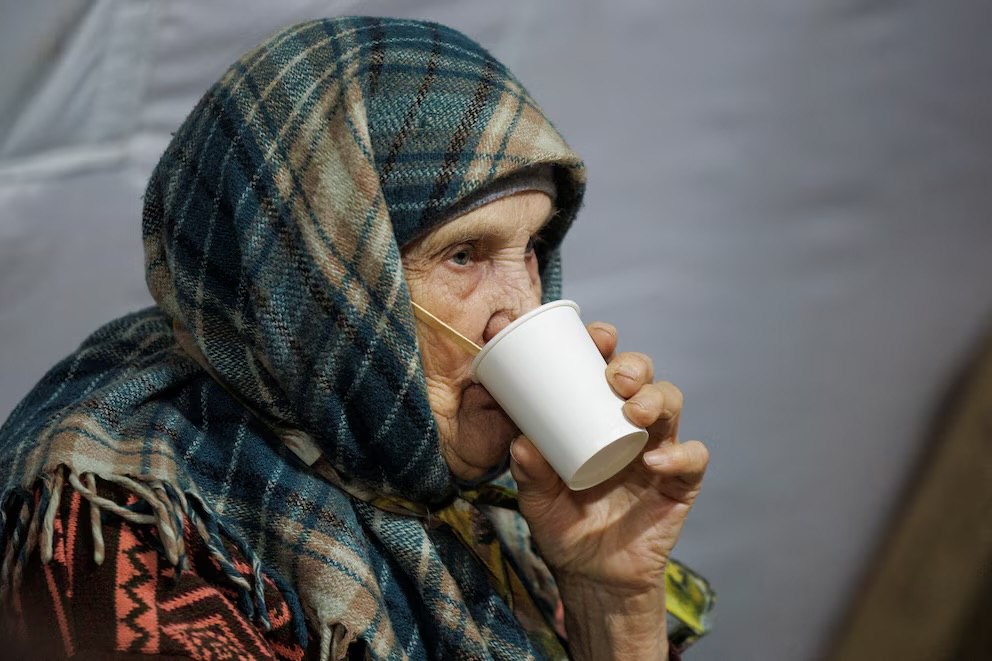
Al mismo tiempo, Rohach señaló que la gente encuentra formas de resistir: mantenerse en movimiento para conservar el calor, compartir recursos y sostener pequeñas formas de apoyo comunitario. Sin embargo, advirtió contra interpretar la adaptación como normalización: sobrevivir a un invierno bajo cero sin electricidad, agua y calefacción estables no es una “nueva normalidad”, sino una prueba de estrés extrema e impuesta deliberadamente, y esto refuerza la necesidad de una asistencia internacional sostenida.
Lee el artículo completo a través del enlace.