
 16 хв читання
Російські повітряні операції проти України перетворили значну частину Європи на фактичну лінію фронту боротьби за повітряний простір. Безпілотники, крилаті ракети та військові літаки, запущені по цілях в Україні, регулярно пролітають поблизу кордонів держав — членів НАТО, уздовж них або перетинають їх, спричиняючи перехоплення, закриття повітряного простору й дипломатичні протести від Балтійського до Чорного моря та Крайньої Півночі. Для прифронтових країн ці епізоди вже не є аномаліями, а становлять повторювану закономірність, що розмиває межу між війною «в» Україні та безпекою Європи загалом.
Та попри накопичення таких інцидентів, колективна відповідь Європи залишається обережною та фрагментарною. Уряди посилили національну протиповітряну оборону, розширили місії з патрулювання повітряного простору та збільшили підтримку української протиповітряної й протиракетної оборони, однак так і не запровадили по-справжньому спільну з Україною модель захисту повітряного простору. Пропозиції щодо часткового «закриття неба» або спільного європейського «повітряного щита» знову постають після серйозних інцидентів, але щоразу наштовхуються на звичні побоювання щодо ескалації, правових повноважень і згуртованості Альянсу.
У цій публікації розглянуто, як російські вторгнення в повітряний простір змінюють безпекове середовище Європи та що це означає для майбутнього співробітництва з Україною у сфері протиповітряної оборони.
Напруженість у повітряному просторі стала визначальною рисою безпекового середовища Європи в різних регіонах. На східному рубежі НАТО такі країни, як Польща, Румунія, а також Балтійські держави регулярно повідомляють про вторгнення безпілотників, проліт ракет і несанкціоноване входження російських військових літаків — зазвичай у зв’язку з ударами по сусідніх цілях в Україні. У Північній Європі Фінляндія, Швеція та Норвегія зіткнулися з короткочасними, але навмисними порушеннями повітряного простору розвідувальними та винищувальними літаками. У Чорноморському регіоні Туреччина перехоплює невпізнані безпілотники, що наближаються з боку моря, тоді як західноєвропейські держави, зокрема Бельгія, повідомляють про посилення активності безпілотників поблизу стратегічної інфраструктури. За межами Альянсу Молдова неодноразово зазнавала транскордонних вторгнень і падіння уламків унаслідок російських операцій уздовж південного кордону України. Ці різноманітні інциденти становлять географічно розосереджений, але оперативно взаємопов’язаний виклик цілісності європейського повітряного простору.
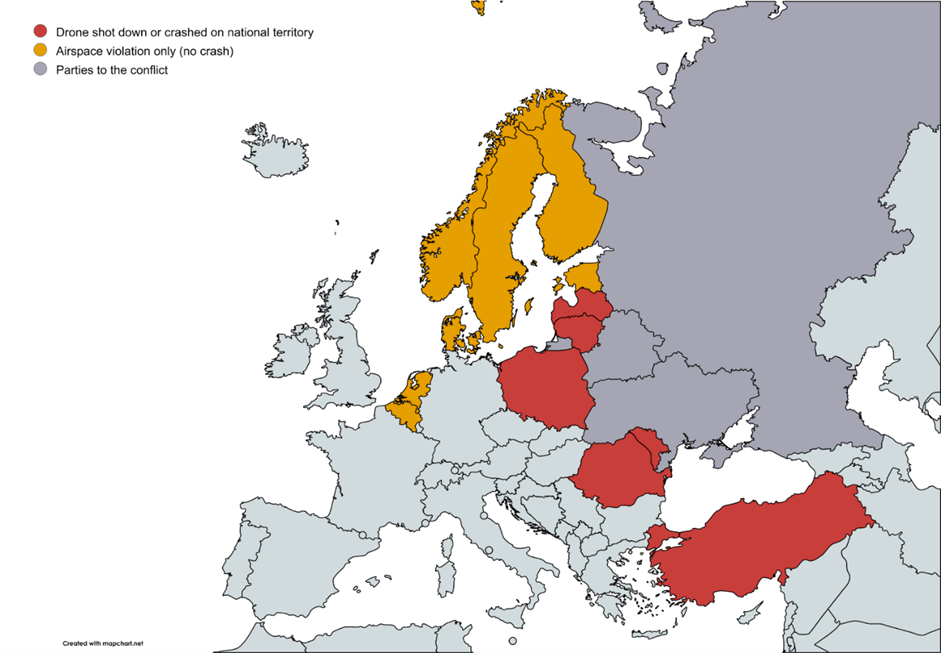
Країни, найближчі до війни в Україні, зазнали найчастіших і найсерйозніших порушень свого повітряного простору російськими військовими засобами, однак рівень загрози розподілений нерівномірно. Моніторинг окремих подій свідчить, що на Молдову та Румунію разом припадає переважна більшість зафіксованих випадків поширення наслідків бойових дій уздовж західного прикордонного коридору України. Це допомагає пояснити, чому обидві держави розглядають падіння уламків безпілотників і транскордонні вторгнення як постійну проблему безпеки, а не поодинокі випадковості.
Польща також залишається ключовим прифронтовим прикладом — не обов’язково через найбільшу загальну кількість випадків, а тому, що вона задокументувала кілька резонансних інцидентів, коли російські безпілотники та ракети перетинали її територію, зокрема виявлення непоміченої крилатої ракети в глибині її повітряного простору та масове вторгнення безпілотників у 2025 році. Ці події призвели до бойових перехоплень, консультацій НАТО та офіційних дипломатичних протестів.
Молдова, попри військовий нейтралітет і неприєднання до НАТО, регулярно зазнавала поширення наслідків російських ударів по південно-західній Україні. Російські безпілотники й ракети перетинали повітряний простір Молдови або неодноразово падали на її території. Під час активного руху дронів влада неодноразово закривала повітряний простір і викликала російських дипломатів, щоб висловити протест проти порушень. Не маючи власних систем протиповітряної оборони, країна покладалася на моніторинг повітряного простору, дипломатичний тиск і привернення уваги міжнародної спільноти, щоб протидіяти загрозі, послідовно називаючи такі вторгнення неприйнятними ризиками для цивільного населення та національного суверенітету.
Румунія повідомила про кілька випадків порушення її повітряного простору російськими дронами, зокрема в районі Дунаю, причому уламки знаходили на румунській території. Влада посилила повітряне патрулювання та викликала російських дипломатів у відповідь.
Туреччина перехоплювала російські літаки поблизу своїх морських кордонів і збила дрон, що наближався з боку Чорного моря, характеризуючи свої дії як рішучі, але вивірені так, щоб уникнути ескалації. Країни Балтії неодноразово стикалися з вторгненнями російських літаків і дронів, зокрема з вторгненням кількох літаків у повітряний простір Естонії, яке спричинило консультації НАТО. У цих випадках, що стосуються прифронтових країн, уряди у відповідь посилили повітряне патрулювання й оновили пов’язані з перехопленням закони та протоколи, а також закликали до активнішої участі НАТО.
Ширша група європейських держав із помірною частотою стикалася з порушеннями повітряного простору Росією. До неї належать члени НАТО на східному та північному флангах — Фінляндія, Швеція, Норвегія, а також Туреччина й Бельгія. Хоча ці країни не зазнавали порушень у таких самих масштабах чи такої самої серйозності, як Румунія або Молдова, їхній досвід свідчить про чітку закономірність навмисного тиску Росії на повітряний простір.
Фінляндія та Швеція зафіксували кілька нетривалих порушень, зазвичай за участю російських військових літаків, які входили в їхній повітряний простір або проходили поблизу його меж над Балтійським морем. Обидві країни підіймали в повітря винищувачі, публічно засуджували ці дії та зміцнювали регіональну координацію.
Норвегія повідомляла про рідкісні, але прикметні порушення в Арктиці, що спонукало її посилити готовність на Крайній Півночі. Бельгія розслідувала підозрілу активність розвідувальних дронів поблизу військових об’єктів і у відповідь посилила безпеку та моніторинг, публічно не покладаючи ні на кого безпосередньої відповідальності
У цій ширшій групі держави зазвичай поєднують військову готовність із дипломатичною стриманістю. Порушення документують і реагують на них офіційними протестами, перехопленням та регіональною співпрацею, маючи спільну мету — захистити суверенний повітряний простір, не провокуючи ескалації.
Російські повітряні провокації не обмежуються Європою. У Східній Азії Японія та Південна Корея часто підіймали в повітря винищувачі у відповідь на входження російських військових літаків до їхніх зон протиповітряної оборони або наближення до них. Японія фіксувала прямі порушення повітряного простору, зокрема інцидент , під час якого її винищувачі випустили сигнальні ракети, щоб відвернути російський патрульний літак. Південна Корея також повідомляла про неодноразові входження російських літаків до своєї зони розпізнавання протиповітряної оборони під час спільних російсько-китайських військових польотівта відповідала місіями з перехоплення й офіційними протестами.
У Північній Америці США й Канада відстежували російські дальні бомбардувальники та розвідувальні літаки, що наближалися до їхнього повітряного простору в Арктиці. Хоча більшість цих польотів відбувалися безпосередньо за межами національних кордонів, вони вимагали перехоплення з боку винищувачів NORAD та підтвердили необхідність безперервного спостереження вздовж північного периметра протиповітряної оборони.
Ці випадки свідчать, що російський виклик міжнародним нормам у повітряному просторі не обмежується безпосередніми сусідами Росії. Від Європи до Східної Азії та Північної Америки країни реагують поєднанням військової пильності, дипломатичних заходів і регіональної координації, прагнучи стримати подальші порушення та зберегти контроль над своїм небом.
Уряди європейських і зорієнтованих на НАТО держав реагували на порушення повітряного простору Росією з помітно різною інтенсивністю, і ця відмінність не випадкова. Вона відповідає доволі сталій географії ризику: що ближче країна до Росії та українського театру воєнних дій, то більше вона схильна вважати вторгнення нагальною проблемою безпеки, а не дипломатичним подразником. Проте навіть найбільш уразливі держави часто видаються обережними. Те, що спостерігачі називають «слабкістю», зазвичай не є браком усвідомлення; це структурна складність реагування на інциденти в повітряному просторі у спосіб, який водночас залишається переконливим і безпечним.
Першим обмеженням є невизначеність у реальному часі. Багато епізодів розгортаються за лічені хвилини, а об’єкт може бути малим, летіти низько, час від часу зникати з радарів або зазнавати впливу засобів радіоелектронної боротьби, які спотворюють навігацію та зв’язок. У цей проміжок часу особи, які ухвалюють рішення, рідко мають цілковиту впевненість у тому, що це за об’єкт, чи озброєний він, чи вийшов із ладу або маневрує навмисно та куди попрямує далі, тому існує стимул уникати незворотних силових дій на основі неповної інформації.
Другим обмеженням є операційний компроміс, пов’язаний із перехопленням. Знищення цілі може зменшити безпосередній ризик, але майже гарантовано створює вторинний ризик. Уламки десь упадуть, і якщо вони впадуть на території держави-захисниці та завдадуть шкоди або постраждають цивільні, політичний і правовий тягар миттєво лягає на державу-захисницю. Ця реальність спонукає уряди віддавати перевагу відстеженню, супроводу, процедурам попередження та ураженню лише за чіткіших умов, адже технічно успішне перехоплення все одно може спричинити внутрішню кризу, яка підірве суспільну підтримку політики протиповітряної оборони.
Третім обмеженням є динаміка ескалації. Протиповітряна оборона належить до найбільш безпосередніх із доступних військових інструментів, а коли порушником є Росія, уряди схильні виходити з того, що одне збиття може запустити стрімкий ланцюг ударів у відповідь, взаємних звинувачень і тиску всередині Альянсу, який випереджатиме дипломатичні зусилля. Навіть якщо ширшої відповіді так і не буде, інцидент може призвести до жорсткішої політичної позиції сторін і звузити простір для контрольованої деескалації. Тому багато держав воліють зберігати свободу ухвалення рішень, а не дозволяти прикордонному інциденту підштовхнути їх угору сходами ескалації.
Четвертим обмеженням є політика всередині Альянсу. Стримувальна сила НАТО значною мірою ґрунтується на єдності, а єдність часто вимагає таких відповідей, які можуть підтримати всі союзники, попри відмінності у сприйнятті загроз, правових культурах і готовності до ризику. Це створює структурну схильність до стандартизованих процедур, узгоджених заяв і дій, які чітко вкладаються в межі територіальної оборони. Такі заходи легше підтримувати політично й юридично в усьому Альянсі, ніж рішучі односторонні кроки, здатні оголити внутрішні розбіжності. У цих умовах прифронтові держави, які потерпають від неодноразових наслідків ударів по Україні, можуть наполягати на жорсткіших заходах, тоді як віддаленіші союзники схильні віддавати перевагу варіантам, що дають змогу локалізувати інциденти, не переглядаючи порогів реагування для всього Альянсу.
У сукупності ці обмеження породжують керовану неоднозначність , за якої держави реагують швидко й помітно, але часто обирають заходи, що знижують ризик і дають змогу зберегти контроль, навіть якщо стороннім спостерігачам вони здаються недостатніми.
Саме тут важливого значення набуває свідоме віднесення багатьох випадків до категорії «інцидентів». Назвати певний епізод інцидентом не означає вважати його нешкідливим; це означає розцінювати його як такий, що не досягає політичного порогу для запуску союзницьких механізмів реагування на ескалацію. Румунія часто керувалася саме цією логікою у випадках, коли наслідки застосування дронів сягали її території поблизу Дунаю: влада публічно визнавала й засуджувала ці події та коригувала оборонні заходи, водночас наголошуючи, що йдеться про побічні наслідки ударів по Україні, а не про навмисні атаки на територію НАТО. Реакція Польщі на трагедію з ракетою у 2022 році визначалася схожими міркуваннями: керівники держави поставилися до ситуації серйозно, але не допустили переростання ситуації в кризу Альянсу після того, як було встановлено, що подія не була навмисним російським ударом по Польщі.
Інституційна риторика НАТО посилює таке розмежування, адже консультації за статтею 4 мають політичну вагу й самі по собі можуть сприяти ескалації, якщо вдаватися до них надто часто. У результаті знову виникає керована неоднозначність: держави можуть відповідати оборонними військовими заходами, але на рівні риторики й процедур утримувати чимало епізодів нижче порогу формальної надзвичайної ситуації в Альянсі. Нині прифронтові держави частіше наполягають на консультаціях у міру того, як порушення стають повторюваними або масштабними, тоді як віддаленіші союзники схильні зберігати категорію «інцидентів» якомога ширшою — саме для того, щоб не допустити ситуації, коли постійний тиск у «сірій зоні» змушує робити складний вибір.
Отже, загальна тенденція в Європі неоднозначна. З одного боку, повторювані порушення спонукають країни запроваджувати жорсткіші правила, пришвидшувати цикли ухвалення рішень і підвищувати готовність, особливо поблизу східного флангу. З іншого боку, що довше триває конфлікт, то більшою мірою політична втома стає стратегічним чинником. Уряди стикаються зі зростанням сукупних витрат на підтримання постійної готовності, необхідністю компромісів у видатках на оборону, економічним тиском і втомою суспільства. Втома не обов’язково веде до капітуляції, але створює стимули віддавати перевагу непомітному врегулюванню перед гострою конфронтацієюй може розширювати простір для прихильників думки, що заради стабільності варто йти на поступки.
У цьому контексті політично впливовою залишається історична аналогія з реакцією Європи на німецьку агресію 1938 року, зокрема з політикою умиротворення, пов’язаною з Мюнхенською угодою. Ці ситуації не тотожні. Сучасна Європа має структури колективної оборони, ядерне стримування, цілком інший рівень економічної взаємозалежності й активно підтримує Україну, чому немає прямого відповідника наприкінці 1930-х років. Утім, умиротворення було не лише моральною поразкою, а й стратегічним прорахунком, який дав агресорові зрозуміти, що ризикована поведінка буде винагороджена, а це підвищило майбутню ціну опору.
Практичний висновок полягає не в тому, що Європа просто повторює 1938 рік, а в тому, що затяжний конфлікт може нормалізувати ненормальну поведінку й сприяти поступовому пристосуванню до неї. Коли головним прагненням стає стримати масштаб криз, називати їх інцидентами й майже за будь-яку ціну уникати «провокування» агресора, той може сприйняти це як стратегічний простір, а не стриманість. З часом така динаміка може загострити або продовжити конфлікт чи ускладнити його остаточне врегулювання, оскільки слабкі або непослідовні реакції послаблюють стримування й посилюють прагнення й надалі випробовувати межі дозволеного.
Ці структурно обережні реакції визначають не лише те, як держави реагують на окремі інциденти, а й те, наскільки далеко вони готові зайти у зміні архітектури протиповітряної оборони навколо України. Найвиразніше це простежується в дискусіях про те, чи варто надати певну форму зовнішнього захисту окремим частинам повітряного простору України.
Часткове закриття повітряного простору України — на практиці обмежена безпольотна зона — залишається малоймовірним у середньостроковій перспективі не тому, що ця ідея позбавлена оперативної логіки, а тому, що вона потребуватиме політичного мандата, якого більшість союзників не готові надати. З погляду Києва аргументація послідовна: потужніша зовнішня підтримка захисту повітряного простору — чи то у формі «закриття неба», чи то створення захищеного коридору — врятувала б життя цивільних, обмежила руйнування інфраструктури та зменшила ймовірність відхилення ракет або дронів у бік сусідніх держав. Ефективніше перехоплення над Україною мало б означати менше транскордонних інцидентів і випадків падіння уламків на території НАТО.
Однак перетворення цієї ідеї на політику змушує уряди відповідати на запитання, які вони воліють залишати теоретичними: хто має законні повноваження уражати російські цілі, у якому повітряному просторі, за якими правилами та як слід реагувати на удар у відповідь. Саме таких рішень більшість урядів прагне уникнути. Тому обмежувальний чинник має політичний, а не технічний характер. Щойно забезпечення такого режиму хоча б частково пошириться на повітряний простір України, межу між підтримкою та прямою участю буде важко відстояти.
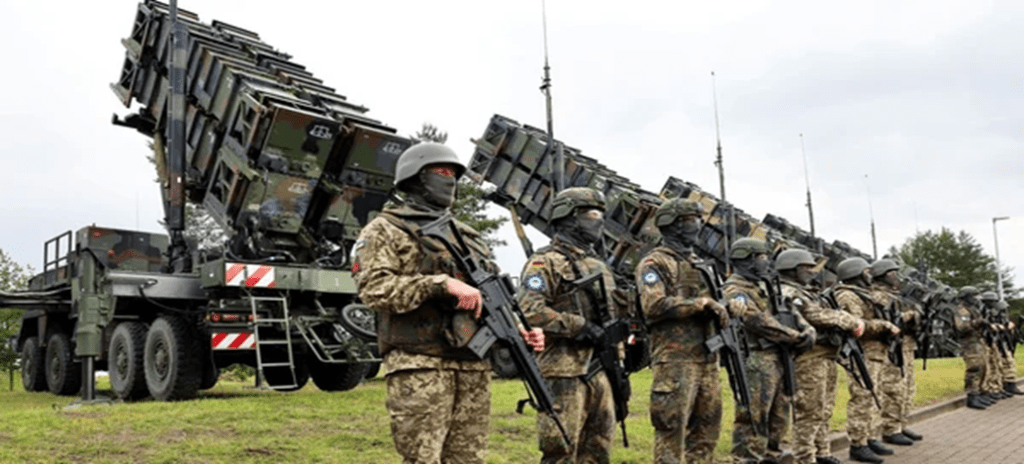
Натомість союзники поглиблюють оборонну інтеграцію, не перетинаючи цієї межі. У межах Контактної групи з питань оборони України Інтегрована коаліція протиповітряної та протиракетної оборони узгоджує внески довкола спільних пріоритетів: систем і перехоплювачів, а також підготовки, технічного забезпечення та довгострокової експлуатаційної спроможності. Безпекова допомога і підготовка НАТО для України (NSATU) координує підготовку та надходження допомоги з території держав-союзниць, підвищуючи узгодженість і водночас чітко залишаючись поза повітряним простором України. Перелік пріоритетних потреб України (PURL) зосереджує фінансування та закупівлі на невідкладних пакетах спроможностей. Разом ці інструменти сприяють інтеграції завдяки організаційним заходам і ресурсному забезпеченню, водночас зберігаючи незмінною оперативну межу.
У міру розвитку цієї співпраці дедалі виразніше розходяться інтереси «держав, що потерпають» і «держав, що ухвалюють рішення». Прифронтові країни, які постійно зазнають побічних наслідків, мають дедалі менше часу на попередження й стикаються зі зростанням внутрішнього тиску, тому схильні переходити від ситуативного моніторингу до постійних правил, законних повноважень і процедур, розрахованих на повторювані випадки. Натомість більші західноєвропейські союзники й далі остерігаються всього, що розмиває межу між підтримкою України та прямою війною з Росією. Для Німеччини та Франції, хоча й по-різному, пріоритет полягає в тому, щоб запобігти війні між НАТО й Росією, зміцнити периметр НАТО та допомогти Україні захистити себе, а не поширювати операції НАТО із захисту на повітряний простір України.
Політика НАТО та ЄС відображає цей компроміс. Альянс посилює інтегровану протиповітряну та протиракетну оборону й патрулювання повітряного простору вздовж східного флангу, але визначає ці заходи суто як оборону території Альянсу. Співпраця з Україною розширюється у сферах підготовки, планування, оснащення та оперативної сумісності, тоді як офіційна позиція залишається незмінною: НАТО не забезпечуватиме захист повітряного простору України. ЄС доповнює ці зусилля заходами зі зміцнення стійкості, моніторингу та розбудови спроможностей, а не виконанням бойових завдань. Так формується модель оборонної інтеграції без оперативного залучення: союзники допомагають Україні раніше виявляти загрози, швидше координувати дії та ефективніше здійснювати перехоплення, тоді як саме НАТО уникає брати на себе юридичну відповідальність за патрулювання українського неба.
Таку стриманість часто обґрунтовують стримуванням через обережність, однак вона також відображає ширшу ставку на час. Чимало європейських урядів виходять із припущення, що стратегічна увага Росії залишатиметься зосередженою на Україні, а ризик прямого нападу на НАТО буде низьким, доки не перетнуто певних порогів. Тому інциденти розглядають як технічні та правові проблеми, а не як кроки до війни. В основі цього лежить переконання, що конфлікт можна стримувати доти, доки керівництво Росії, економічні обмеження або стратегічне виснаження не створять сприятливіший момент для переговорів.
У цьому контексті «часткове закриття повітряного простору» залишається політично привабливим, але стратегічно обмеженим варіантом. Воно обіцяє менше дронів над Польщею чи Румунією та менше випадків падіння уламків на території НАТО, але лише ціною перетворення НАТО на оперативного учасника в зоні бойових дій. Наразі більшість європейських урядів вважає цю ціну надто високою. Вони віддають перевагу структурі, у якій Україні надають більше систем протиповітряної оборони й розвідувальної підтримки та допомагають підвищувати оперативну сумісність, тоді як НАТО підвищує власну готовність на кордоні та вдосконалює здатність реагувати на вторгнення на територію Альянсу, — це форма управління ризиками, яка передусім передбачає уникнення негайної ескалації, навіть якщо питання довгострокового стримування залишається вирішеним лише частково.
У сукупності ці рішення свідчать про послідовне надання переваги глибшій інтеграції без безпосереднього забезпечення захисту повітряного простору над Україною. Утім, навіть у цих межах урядам усе ще належить ухвалити практичні рішення щодо того, наскільки далеко може зайти спільна з Україною протиповітряна оборона в найближчі роки.
Хоча найближчим часом повноцінна система спільного захисту повітряного простору з Україною залишається політично малоймовірною, регулярні випадки наближення російських безпілотників і ракет до прикордонних районів НАТО спонукають європейські уряди мислити категоріями здійсненних варіантів, а не гасел.
На практиці те, що часто називають «спільним повітряним щитом», є не одним окремим рішенням, а спектром можливих заходів — від суто оборонного посилення в межах території НАТО до кроків, що наближалися б до безпосередньої участі в діях над Україною. Якби ця концепція колись перейшла зі стадії обговорення до практичної політики, найімовірніше, вона набула б форми поетапних рішень, які дають змогу зберегти контроль над ескалацією, правову визначеність і єдність Альянсу.
Ці обмеження звужують перелік варіантів, але не усувають їх. Держави, які регулярно зазнають наслідків поширення бойових дій за межі України, особливо на східному фланзі, мають вагомі стимули зменшувати ризики, підвищувати передбачуваність і не допускати, щоб прикордонні інциденти стали звичним явищем. Тож наведені нижче сценарії окреслюють практичні зміни, які могли б відбутися в разі поглиблення співпраці: від заходів, уже сумісних із нинішньою позицією НАТО, через варіанти, що залишаються політично суперечливими, до майже неможливих за теперішніх умов.
За цим сценарієм союзники по НАТО посилюють протиповітряну оборону на східному фланзі Альянсу, щоб захистити власну територію. На практиці це означає частіше патрулювання повітряного простору, більшу кількість розвідувальних польотів, модернізацію радарів і систем оповіщення, а також проведення більшої кількості спільних навчань уздовж кордону. Окремі елементи такого підходу вже можна побачити в регулярному піднятті винищувачів за тривогою, постійному спостереженні поблизу східного флангу та періодичному розгортанні додаткових сил у разі зростання рівня загрози.
Політична логіка проста: цей підхід передбачає, що виявлення, відстеження та будь-які потенційні рішення про ураження цілей здійснюються виключно в межах суверенного повітряного простору й території країн НАТО — відповідно до національних правил застосування сили та процедур патрулювання повітряного простору НАТО. З юридичного погляду він не викликає складнощів, оскільки подається як звичайна територіальна оборона, а не операції над Україною, і демонструє готовність, не перетинаючи межі безпосередньої участі у війні. Головні обмеження — вартість та інтенсивність: підтримання високого рівня готовності потребує значних коштів і створює навантаження на особовий склад, проте залишається політично найприйнятнішим варіантом для Альянсу.
За цим сценарієм НАТО й Україна поглиблюють технічну інтеграцію у сфері раннього попередження, відстеження та процесів командування, не надаючи силам НАТО повноважень уражати загрози в повітряному просторі України. Основою є спільна картина повітряної обстановки, швидший обмін даними, взаємосумісні процедури та краща координація передачі цілевказівок українським силам протиповітряної оборони. Привабливість цього підходу полягає в тому, що він підвищує ефективність, не змінюючи правових меж: Україна залишається відповідальною за ураження цілей над своєю територією, а НАТО — над територією країн Альянсу.
Цей сценарій стає дедалі реалістичнішим, оскільки відповідає усталеній моделі підтримки, навчання та взаємосумісності, зокрема поступовому впровадженню Україною сумісних із НАТО засобів зв’язку та практик ситуаційної обізнаності. Найбільше просувати цей напрям схильні країни, розташовані найближче до зони ризику, — передусім Польща, держави Балтії, Румунія та країни Північної Європи, адже завчасніше виявлення й ефективніше відстеження зменшують ризик проникнення загроз у їхній повітряний простір.
Цей сценарій передбачає перехоплення російських безпілотників або ракет на траєкторії їхнього руху ще до того, як вони перетнуть межі повітряного простору НАТО, — потенційно тоді, коли вони все ще перебувають над Україною. З технічного погляду це може видаватися раціональним, адже перехоплення на більш ранньому етапі може зменшити ймовірність падіння уламків у населених районах країн НАТО.
Утім, із політичного та юридичного погляду цей сценарій залишається вкрай малоймовірним. Він вимагав би або застосування озброєнь на території України чи над нею, або ухвалення постійної доктрини, за якою об’єкт, що наближається, можна уражати ще до формального порушення кордону. Це означало б перетин важливого порогу, оскільки такі дії можна трактувати як пряме застосування сили НАТО проти російських засобів на українському театрі воєнних дій. Навіть якби окрема країна спробувала діяти самостійно, це створило б проблеми для єдності Альянсу й відкрило шлях до прямого протистояння між НАТО та Росією.
По суті, це обмежена безпольотна зона, навіть якщо її назвати інакше. Авіація НАТО та/або системи протиповітряної оборони НАТО активно забезпечували б захист частини території України — наприклад, західних областей — шляхом ураження російських безпілотників, ракет і, потенційно, літаків.
За нинішніх умов цей сценарій політично майже неможливий, оскільки зробив би НАТО безпосереднім учасником бойових дій. Забезпечення такого захисту не було б символічним: воно вимагало б реального ураження цілей, а Росія, найімовірніше, відповіла б військовими або політичними діями, здатними спричинити стрімку ескалацію. Крім того, для цього немає договірно-правової основи, співмірної з мандатом НАТО на колективну оборону, адже на Україну не поширюється дія статті 5. З оперативного погляду такий сценарій потребував би постійного ресурсного забезпечення та чіткого плану управління ескалацією, брати відповідальність за який більшість урядів не бажає.
У міру того як російська агресія триває, безпекові перспективи Європи стають дедалі загрозливішими. Уряди від Варшави до Вільнюса висловлюють глибоке занепокоєння через неодноразові порушення повітряного простору, проте багато з них і далі не наважуються створити справді інтегровану з Україною систему оборони. Навіть коли обговорюють спільний європейський «щит» протиповітряної оборони, більшість союзників усе одно віддають перевагу співпраці, яка зміцнює Україну, але не об’єднує командну відповідальність і не створює зобов’язань, що їх можна було б трактувати як пряму участь у війні. У результаті реакція залишається фрагментарною: держави східного флангу домагаються швидшої та тіснішої координації через безпосередність ризику, тоді як віддаленіші столиці наголошують на обережності, єдності Альянсу й поступових кроках.
Ця нерішучість має значення, адже війна вже не є короткочасною надзвичайною ситуацією — вона перетворилася на структурну реальність. Що довше триває конфлікт, то більше питання спільного захисту повітряного простору переходитиме з категорії «суперечливого» до категорії «неминучого». Тривалий російський тиск нормалізує небезпечний ритм інцидентів, підвищує вартість постійної підвищеної готовності та раз по раз дає Москві змогу випробовувати реакцію з мінімальним ризиком. Із часом стримування дедалі менше залежить від одного кардинального рішення й дедалі більше — від того, чи здатна Європа підтримувати реальну боєготовність, не виснажуючи себе.
У цьому контексті глибша інтеграція — зокрема спільна картина повітряної обстановки, оперативніше транскордонне оповіщення, стандарти взаємосумісності та скоординоване планування протиповітряної оборони — не лише захищала б Україну. Вона також зменшила б ризики поширення загроз на Польщу, Румунію та Балтійський регіон і посилила б здатність НАТО управляти ескалацією завдяки швидшому ухваленню рішень і чіткішому розумінню ситуації. Отже, тривала стриманість може згодом зробити рішучіші кроки ще необхіднішими — саме тому, що слабка або непослідовна реакція заохочує до подальшого випробовування меж.
Ширший глобальний контекст лише підвищує ставки. Серйозна криза навколо Тайваню за участю США й Китаю, ймовірно, відвернула б увагу та ресурси США в бік Індо-Тихоокеанського регіону, змусивши європейців узяти на себе більшу частку відповідальності за стримування й оборону вдома. Росія могла б спробувати скористатися цим відволіканням, посиливши тиск на Європу в розрахунку на те, що спроможності й запаси союзників уже виснажені. Навіть без прямої координації між супротивниками одночасна криза в Азії загострила б дилеми, що постають перед Європою, та прискорила б ухвалення рішень щодо готовності, промислових потужностей і довгострокового оборонного планування. Вартість оборони Європи зросла б, а простір для повільної та фрагментарної політики звузився б.
За таких умов для Європи можуть настати «чорні дні» — не лише в сенсі вищих ризиків і витрат, а й більшої ясності. Суворіші обставини були б небезпечними, проте могли б позбавити ілюзій і зробити цінність Альянсу беззаперечною. Якщо Європа буде змушена пережити такий момент, ідея спільної з Україною моделі захисту повітряного простору, ймовірно, перейде з теоретичної площини в практичну — не обов’язково у формі офіційної безпольотної зони, а як більш інтегрована, взаємосумісна й колективно керована архітектура протиповітряної оборони, у якій Україну сприйматимуть як опору повітряної безпеки Європи, а не як окреме поле бою на краю континенту.
Отже, цей висновок є застереженням, що має конкретне значення для державної політики. Занепокоєння Європи, а особливо держав, яких безпосередньо зачіпає поширення наслідків російських операцій, цілком виправдане, проте обережність не може замінити стратегію. Що довше триває війна й що вищою стає її ціна, то нагальнішим буде питання спільного захисту повітряного простору. Мюнхен 1938 року показує, наскільки небезпечно вважати, що обмежені поступки стримають амбіції агресора. Сьогодні припущення, що Росія задовольниться Україною, та сприйняття повторюваних порушень як звичайних інцидентів загрожують повторенням такої самої помилки в оцінках. Європа ще має час обрати підготовку замість імпровізації, а єдність — замість втоми. Якщо вона чекатиме, доки наступна криза змусить її діяти злагоджено, остаточна ціна, ймовірно, буде вищою.
Погляди, думки та оцінки, висловлені в матеріалах, опублікованих на цьому сайті, належать виключно їхнім авторам і не обов’язково відображають позицію Transatlantic Dialogue Center, його комітетів чи афілійованих організацій. Ці матеріали мають на меті стимулювати діалог і дискусію та не відображають офіційні політичні позиції Transatlantic Dialogue Center або будь-яких інших організацій, з якими автори можуть бути пов’язані.
Цю публікацію підготовлено за підтримки Міжнародного фонду «Відродження». Її зміст є виключною відповідальністю авторів і не обов’язково відображає погляди Міжнародного фонду «Відродження».
Цей текст автоматично перекладено з англомовного оригіналу, який досі доступний при зміні мови сайту на англійську