

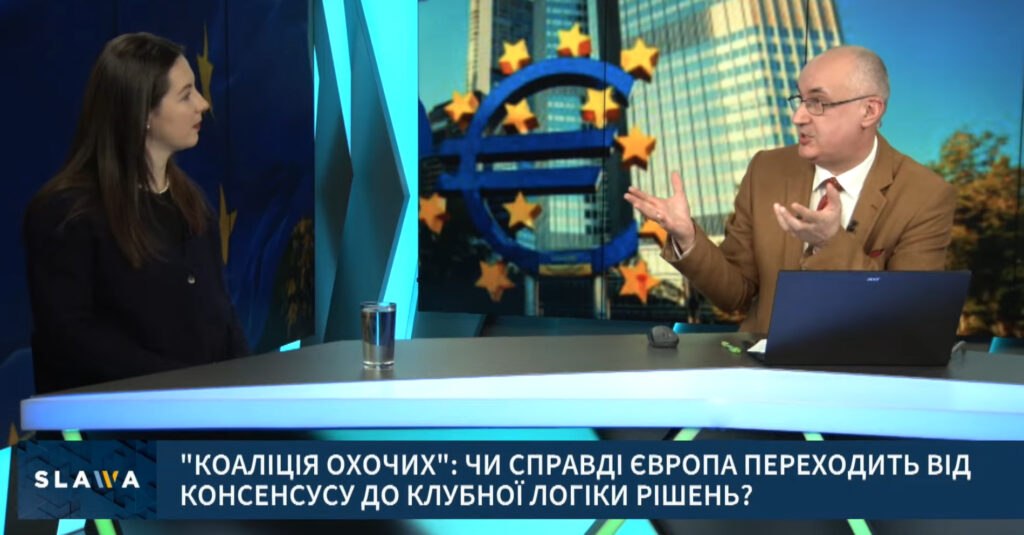
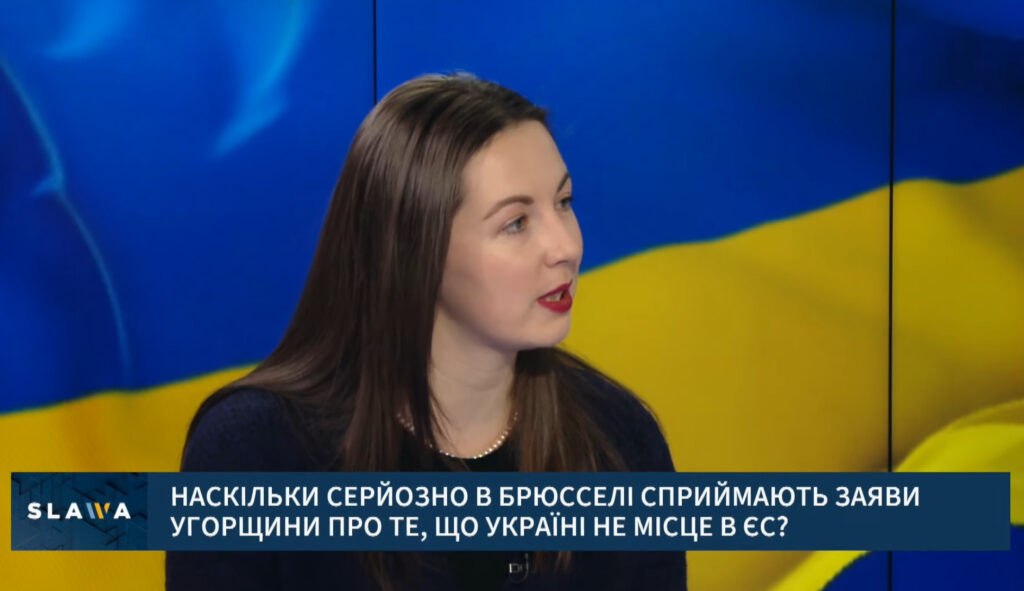
Маріанна Фахурдінова, координаторка Програми партнерства ЄС–Україна у Transatlantic Dialogue Center, взяла участь у програмі Slawa TV «Європейська інтеграція», яку веде Юрій Фізер, щоб обговорити зміни в динаміці руху України до ЄС. Вона пояснила, чому поступ дедалі більше залежить від внутрішньої політики окремих держав — членів ЄС, тоді як ЄС шукає способи не допустити зупинення процесу.
Фахурдінова зазначила, що в Брюсселі посилюється розчарування через обструкційну позицію Угорщини, однак ЄС ще не готовий до практичних кроків для розв’язання проблеми вето.
Вона також наголосила, що політичні заяви у столицях ЄС часто роблять «для внутрішньої аудиторії». Тому найнадійнішим показником (не)підтримки вступу України є результати голосувань і рішень на рівні ЄС, а не риторика.
Ключовим меседжем дискусії було те, що вступ до ЄС — це передусім технічна робота: послідовне наближення до законодавства й стандартів ЄС та інституційна спроможність системно впроваджувати реформи навіть у воєнний час. У цьому контексті Фахурдінова відзначила цінність випереджального виконання, яке дає Україні змогу продовжувати гармонізацію законодавства навіть без формального відкриття кластерів. Водночас вона наголосила, що відкриття переговорних кластерів залишається критично важливим для збереження довіри до процесу вступу до ЄС та підтримання темпу реформ.
Говорячи про майбутнє, Фахурдінова попередила, що ключовим ризиком у 2026 році є застій. Якщо переговорні кластери залишатимуться невідкритими, а політичні блокування триватимуть, в Україні може посилитися розчарування, що створить додатковий простір для скептичних або радикальних наративів у ЄС. Вона також наголосила, що очікування щодо строків мають залишатися реалістичними з огляду на масштаб необхідної технічної роботи та політичні складнощі всередині Союзу.
Watch the full interview тут.
Цей текст автоматично перекладено з англомовного оригіналу, який досі доступний при зміні мови сайту на англійську