

В інтерв’ю Beijing News, Максим Чеботарьов, координатор Програми партнерства США–Україна Трансатлантичного діалогового центру (TDC), прокоментував відсутність проривів навколо так званого «різдвяного перемир’я» та окреслив значення оновленого мирного плану з 20 пунктів у контексті триваючих переговорів між Україною, США та Росією.
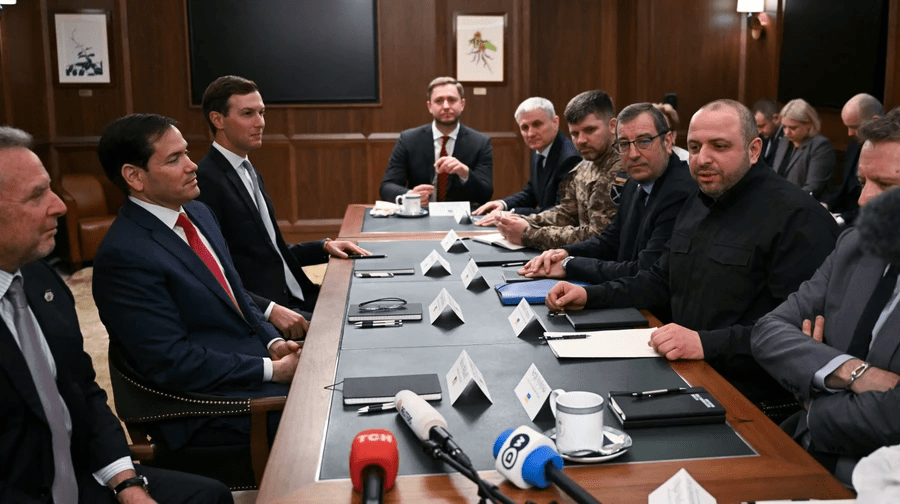
Чеботарьов зазначив, що переговори в Маямі/Флориді, попри позитивні публічні оцінки сторін як «продуктивних і конструктивних», не дали жодного додаткового результату. До цього з оптимістичними заявами виступали спеціальний посланець США Стів Віткофф, головний переговорник України Рустем Умєров і спеціальний представник президента Росії з питань іноземних інвестицій та економічного співробітництва Кирило Дмитрієв. Чеботарьов вважає, що нинішній формат переговорів радше нагадує човникову дипломатію, у якій Вашингтон виступає головним посередником, тоді як всеосяжне мирне врегулювання залишається недосяжним.
За словами Чеботарьова, оприлюднений мирний план із 20 пунктів є стислою версією попередніх американських пропозицій і наразі слугує базовою рамкою, а не повноцінною міжнародною угодою. Він наголосив, що документ має переважно концептуальний характер і потребує ґрунтовного доопрацювання, зокрема щодо механізмів реалізації та юридичної чинності.
Чеботарьов також зауважив, що нова версія плану не містить вимоги юридично закріпити відмову України від вступу до НАТО. Водночас обговорюється включення окремого документа — угоди між Росією та США, — у якому зазначається, що НАТО більше не розширюватиметься і не запрошуватиме Україну до вступу. Він застеріг, що домовленості щодо розміщення військ НАТО на території України, досягнуті поза ширшим консенсусом усіх членів НАТО, можуть мати сумнівну юридичну легітимність.
Чеботарьов зазначив, що «мирний план» є всеосяжним мирним процесом, тому його можна вважати угодою лише за умови узгодження всіх питань. Як наголошують українські переговорники, «Було погоджено те, що в будь-якому разі треба було погодити», — тобто безспірні елементи, як-от визнання суверенітету та необхідність оновленої моделі безпеки для України. Водночас залишаються нагальні питання, зокрема статус і практичні аспекти роботи Запорізької АЕС, майбутнє заморожених російських активів, статус російської мови та церкви й багато інших. Чеботарьов окремо зосередився на територіальному питанні, зокрема Донбасі, який залишається ключовим предметом суперечок. Він підкреслив, що ідеї щодо можливої вільної економічної зони або демілітаризованих зон ще не мають узгоджених параметрів і не можуть вважатися підставою для швидкого припинення бойових дій.
Чеботарьов вважає, що, судячи з інформації, яку нині оприлюднює російська сторона, Росія, ймовірно, продовжить воювати за території, що може призвести до подальшого затягування переговорів і дипломатичних консультацій на тлі воєнного протистояння, яке триває. Це так звані «переговори без припинення бойових дій».
На завершення Чеботарьов зазначив, що за відсутності домовленості з ключових політичних питань — насамперед територіального врегулювання та гарантій безпеки для України — 2026 рік, найімовірніше, буде позначений циклічними переговорами й човниковою дипломатією, а не всеосяжною мирною угодою.
Прочитайте повну статтю за посиланням.
Цей текст автоматично перекладено з англомовного оригіналу, який досі доступний при зміні мови сайту на англійську