

У своїй статті для Warsaw Institute директорка з досліджень TDC Дарина Сидоренко проаналізувала прецедент порушення російськими дронами територіальної цілісності Польщі.
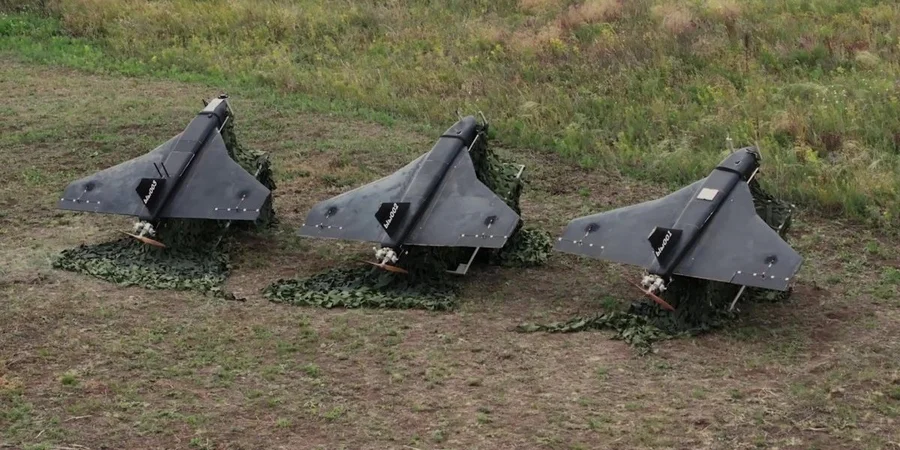
Вторгнення дронів до Польщі 10 вересня продемонстрували, як Росія може змушувати НАТО нести непропорційно великі витрати за допомогою недорогих систем, водночас сіючи сумніви через дезінформацію. Початкова реакція Альянсу засвідчила солідарність, але також виявила вагання та відмінності у сприйнятті загроз — саме ті слабкості, які Москва прагне використати.
Виокремлюються три пріоритети.
- По-перше, союзники мають наростити виробництво доступних систем протиповітряної та протиракетної оборони, зокрема компонентів для протидії дронам, а також інтегрувати промислову стійкість у стратегію оборони.
- По-друге, протиповітряну оборону слід розглядати як спільний ресурс, інтегруючи українські оперативні інновації та забезпечуючи, щоб формування національних запасів не підривало підтримку Альянсу.
- По-третє, гібридним та інформаційним операціям необхідно протидіяти на випередження: Москва й надалі вестиме кампанії з просування наративів паралельно з кінетичними провокаціями. Відповіддю на них мають бути стійка політична єдність і проактивне стримування.
Надійність стримування НАТО визначатиметься тим, чи перетворяться ці уроки на тривалі інституційні зміни — промислові, оперативні та політичні, — які позбавлять сенсу інші можливі гібридні атаки. Без таких змін наступна атака Росії може виявити прогалини там, де колись непохитно трималася єдність.
Читайте повну статтю в Warsaw Intitute.
Цей текст автоматично перекладено з англомовного оригіналу, який досі доступний при зміні мови сайту на англійську