

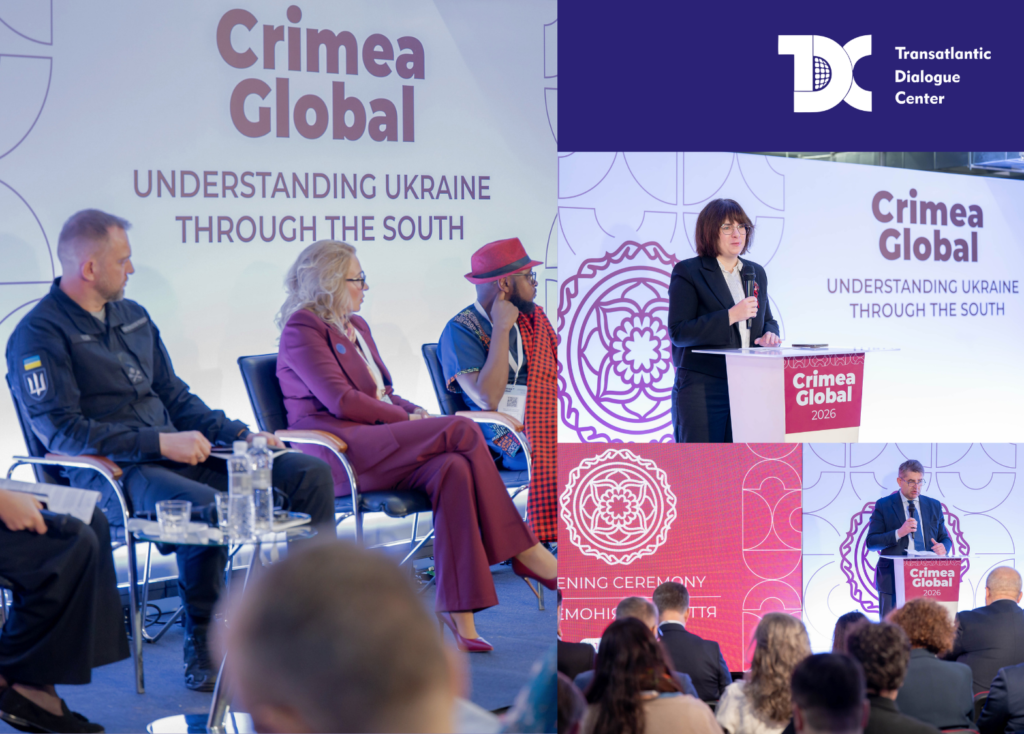
On October 19, the Transatlantic Dialogue Center (TDC) joined the Fourth International Conference “Crimea Global. Understanding Ukraine through the South” in Kyiv as a partner organisation, facilitating the participation of Dr. Ángel Jaramillo Torres from Mexico and Dr. Erich de la Fuente, a US-based scholar of Cuban origin.
Under the theme “Navigating a World of Great Powers,” the conference brought together experts, researchers, journalists, human rights defenders, and representatives of international organisations from Africa, Asia, and Latin America. Its discussions connected Ukraine’s experience of resisting Russian aggression with questions facing societies across these regions: how to defend sovereignty, counter exploitation, secure justice, and protect democracy.
For TDC, the partnership marked a further step in bringing Latin American expertise into substantive dialogue with Ukraine – not only to explain Ukraine’s experience, but also to explore what countries can learn from one another.
From Ukraine’s battlefield experience to shared security
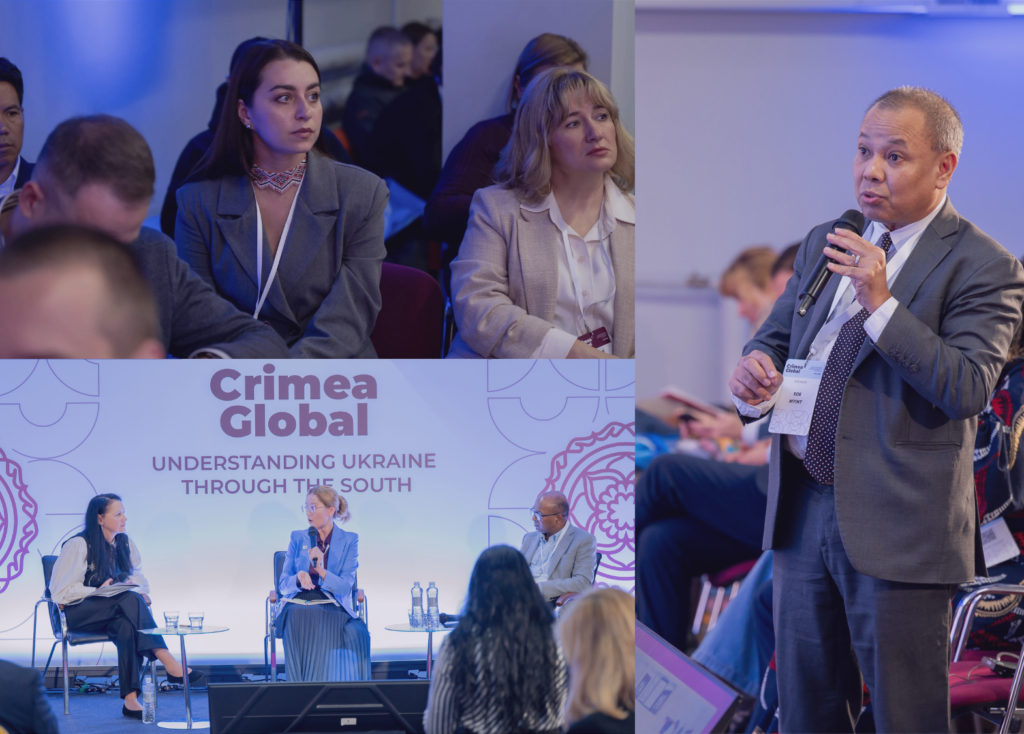
In the panel “Know-How à la Kyiv: Ukraine as a Provider of Security and Resilience Expertise,” Dr. Ángel Jaramillo Torres, Internationalist at El Colegio de México, joined a discussion on how Ukraine’s experience in drone warfare, artificial intelligence, rapid military innovation, and critical infrastructure resilience can benefit international partners.
Jaramillo Torres highlighted the importance of international law as a central lesson for Mexico from Ukraine’s experience. His contribution broadened the conversation beyond technology and military capabilities, calling for a reassessment of the role of the United Nations and multilateral institutions in protecting states against aggression.
Moderated by Dr. Hanna Shelest, Security Studies Program Director at the Foreign Policy Council Ukrainian Prism, the panel brought together perspectives from Mexico, Chile, Indonesia, Jordan, Oman, Myanmar, and Ukraine. It examined Ukraine not only as a country in need of support, but also as a source of knowledge that can strengthen the security and resilience of others.
Exposing Russia’s recruitment networks
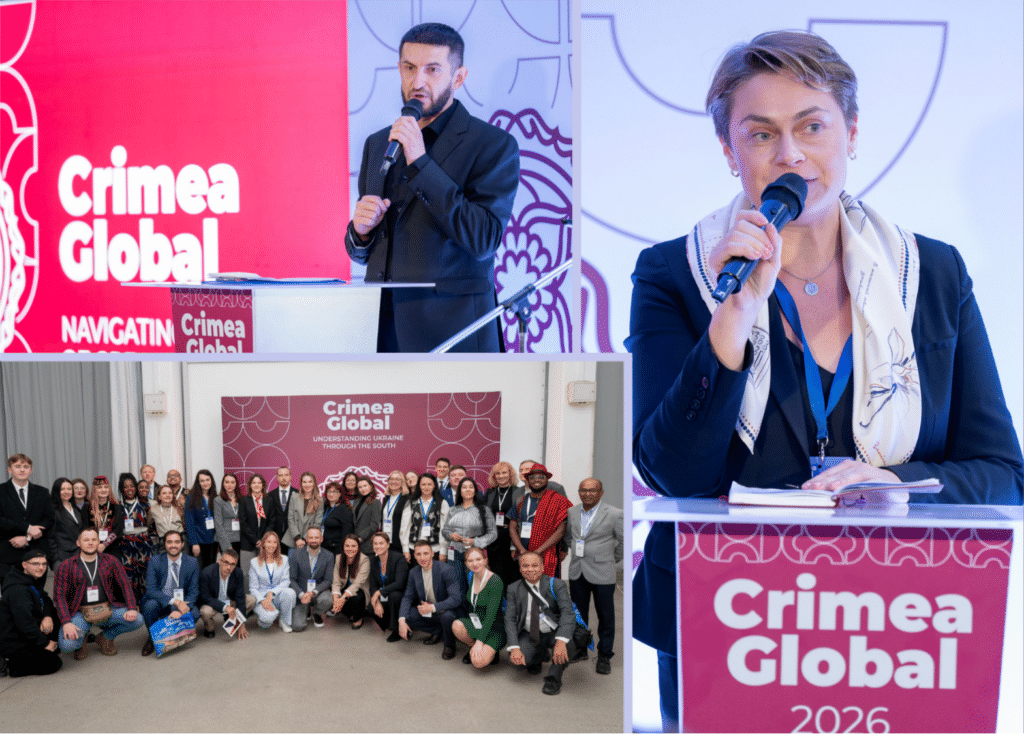
TDC also facilitated the participation of Dr. Erich de la Fuente, Professor of International Relations at Florida International University, in “Countering the Predator: How to Stop Russia’s Recruitment of Foreigners.” Moderated by Maria Tomak, the panel examined the expansion of Russian recruitment across Southeast Asia, Africa, and Latin America, and possible measures to prevent it.
De la Fuente warned that the recruitment of Cubans for Russia’s war may involve tens of thousands of people and coordination at government level. He also raised concerns that Cuban recruiters could use Spanish as a shared language to recruit people from other Latin American countries. His intervention highlighted why Russia’s recruitment practices require attention beyond Ukraine: they draw people from distant societies into its war and create a need for cross-border prevention and accountability.
Justice, democracy, and the people behind the debate
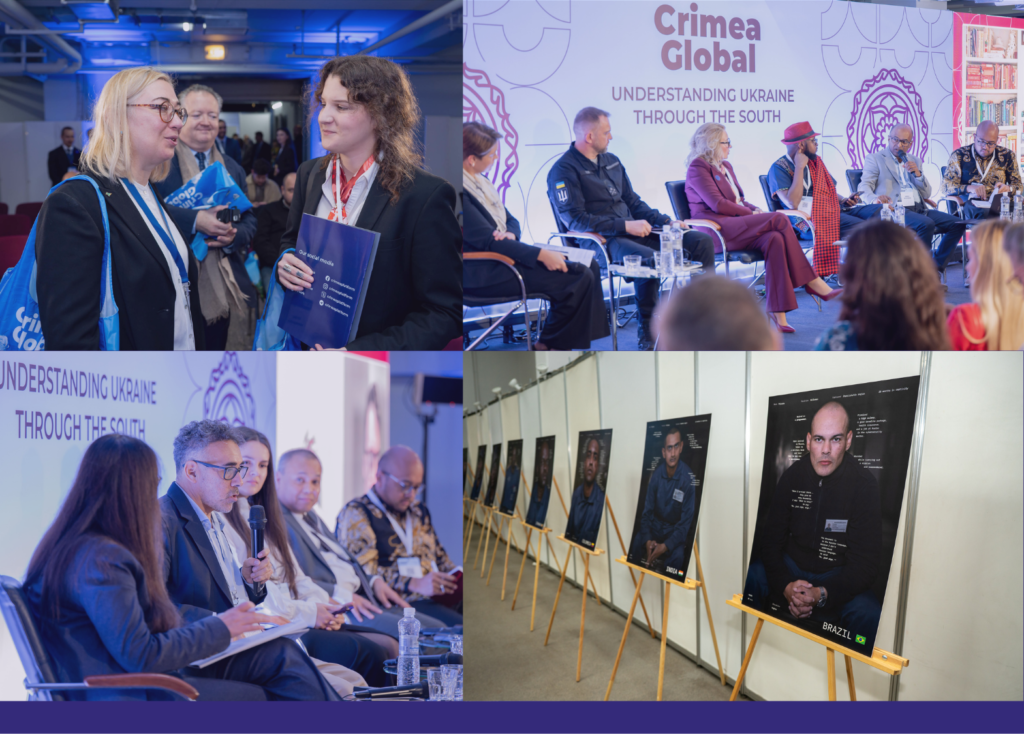
The conference’s other panels explored lessons in transitional justice from Sri Lanka, Colombia, and Syria, as well as the impact of AI and great-power competition on democracy and human rights. Together, these discussions placed Ukraine’s challenges alongside experiences from other regions rather than treating them in isolation.
Three exhibitions grounded the debates in individual stories. “EXPENDABLE. How Russia Uses Foreign Recruits in Its War” presented portraits and accounts of foreign nationals captured while fighting for Russia. “Civilians in Captivity: Stories of Unjust Detentions” portrayed unlawfully detained Ukrainian civilians, while “Virtual Space of Memory. Museum of Crimean Resistance” documented the persecution of Crimean residents since 2014 through an immersive digital format.
TDC’s contribution to Crimea Global reflects its commitment to building lasting connections between Ukraine and Latin America. Bringing Mexican and Cuban perspectives into these discussions helped connect the defence of Ukraine’s sovereignty with wider concerns about international law, human security, and the ability of countries to determine their own future.
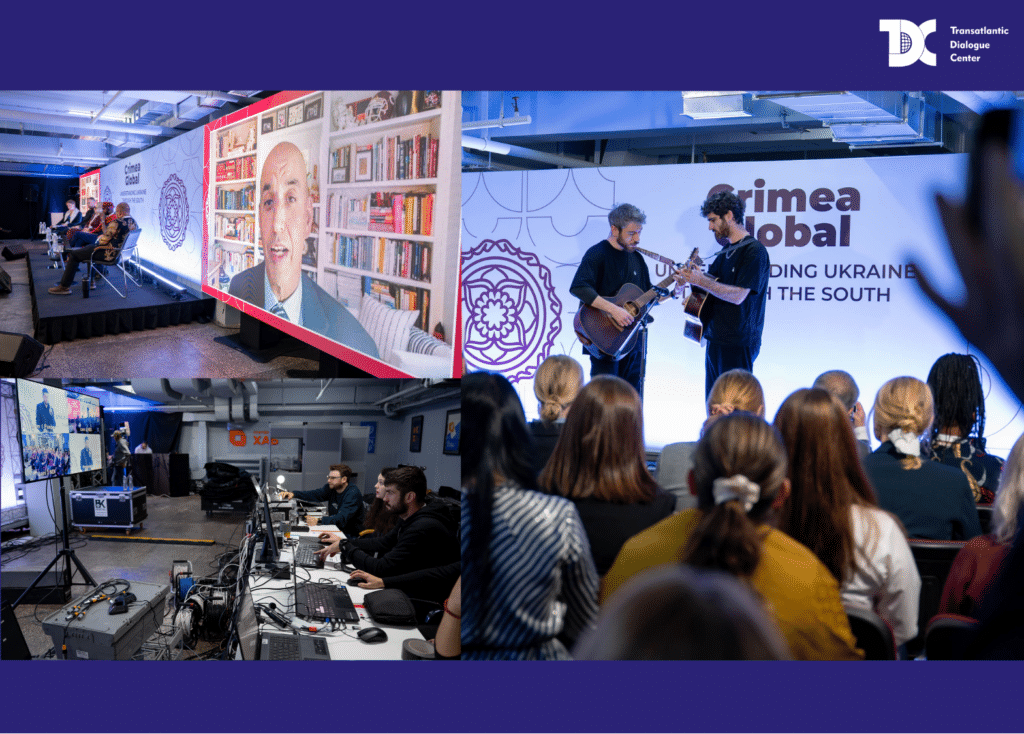
The conference was organised by the Mission of the President of Ukraine in the Autonomous Republic of Crimea / Office of the Crimea Platform, the Human Rights Centre ZMINA, et dans la Media Initiative for Human Rights, in partnership with the Ministry of Foreign Affairs of Ukraine, dans le Ukrainian Institute, et TDC.
The event was supported by the International Renaissance Foundation; the Askold and Dir Fund, administered by ISAR Ednannia with funding from Norway and Sweden; the Hanns Seidel Foundation; the Forum 2000 Foundation; and People in Need / SOS Ukraine.
Read more about the discussions and experts’ contributions in the Crimea Platform’s reports on Ukraine’s security and resilience expertise et countering Russia’s recruitment of foreigners.