Maksym Chebotarov, Koordinator des US-Ukraine-Partnerschaftsprogramms beim Transatlantic Dialogue Center, gab Beijing News anlässlich des vierten Jahrestages des groß angelegten russischen Angriffskrieges gegen die Ukraine einen Kommentar. Darin schilderte er, wie der Krieg in den vergangenen vier Jahren den Alltag und die persönlichen Entscheidungen der Ukrainerinnen und Ukrainer verändert hat.
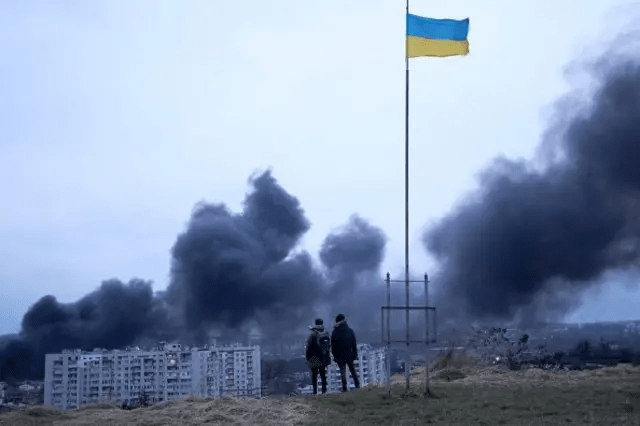
Chebotarov erinnerte sich daran, dass er kurz vor dem 24. Februar nach Charkiw zurückgekehrt war und die wachsende Spannung gespürt hatte. Er merkte an, dass eine Eskalation zu erwarten gewesen sei, und beschrieb die praktischen Vorbereitungen, die viele UkrainerInnen bereits vor der Invasion getroffen hatten: einen Erste-Hilfe-Kasten, Rücklagen, eine Evakuierungsroute sowie ein „Notfallpaket“ mit Dokumenten und den wichtigsten persönlichen Gegenständen.
Chebotarov sprach über die ersten Stunden der groß angelegten Invasion und beschrieb, wie er Raketen über den Himmel von Charkiw fliegen sah und wie in diesem Moment die Unsicherheit zur Realität wurde, sodass alle Menschen sich plötzlich dieselbe Frage stellten: Wie können wir weitermachen, weiterleben und anderen helfen? Später wurde er nach Dnipro evakuiert, engagierte sich in freiwilligen Initiativen zur Unterstützung von Binnenvertriebenen und half internationalen JournalistInnen bei der Koordination von Interviews – Erfahrungen, die, wie er sagte, den Verlauf seines Lebens grundlegend verändert hätten.
Chebotarov kommentierte außerdem, dass nach vier Jahren Krieg die Kriegsmüdigkeit in der ukrainischen Gesellschaft sichtbarer geworden sei. Dies dürfe jedoch nicht als Zusammenbruch des politischen Willens oder als Bereitschaft zur Kapitulation interpretiert werden. Vielmehr beschrieb er die Ukraine als „eine müde, aber anpassungsfähige Gesellschaft“, die sich zunehmend mit der praktischen Frage beschäftige, welche Art von Frieden einen nächsten Krieg verhindern könne – und die wenig Bereitschaft zeige, ein Abkommen zu unterstützen, das das Land strukturell verwundbar zurücklassen würde.
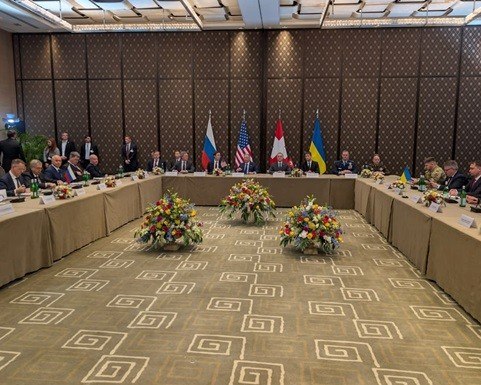
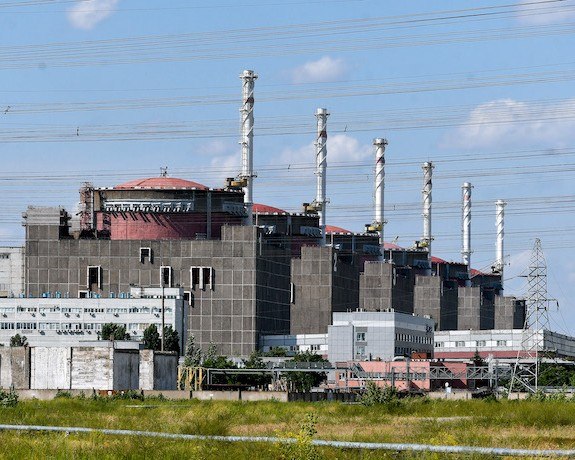
Aus der Perspektive des US-Ukraine-Partnerschaftsprogramms stellte Chebotarov fest, dass jüngste Verhandlungen hilfreiche Kommunikationskanäle eröffnet und eine Reihe komplexer praktischer Fragen sichtbar gemacht hätten, darunter Waffenstillstandsmechanismen, Überwachungs- und Verifikationsverfahren, Details eines Truppenabzugs sowie den Status der besetzten Gebiete. Zugleich betonte er jedoch, dass „die grundlegenden politischen Differenzen weiterhin erheblich sind“. Daher seien die Fortschritte bislang begrenzt, und ein Durchbruch in naher Zukunft erscheine unwahrscheinlich, insbesondere in Bezug auf die territoriale Frage und die Zukunft des Kernkraftwerks Saporischschja. Er fügte hinzu, dass ein Ende des Krieges stärkeren politischen Druck und mehr Einfluss seitens der USA und Europas erfordern werde, um eine Regelung zu vermeiden, die die Ukraine strukturell verwundbar zurücklässt.
Den vollständigen Beitrag finden Sie über den Link.